Technology & Careers · TALE24 REVIEW
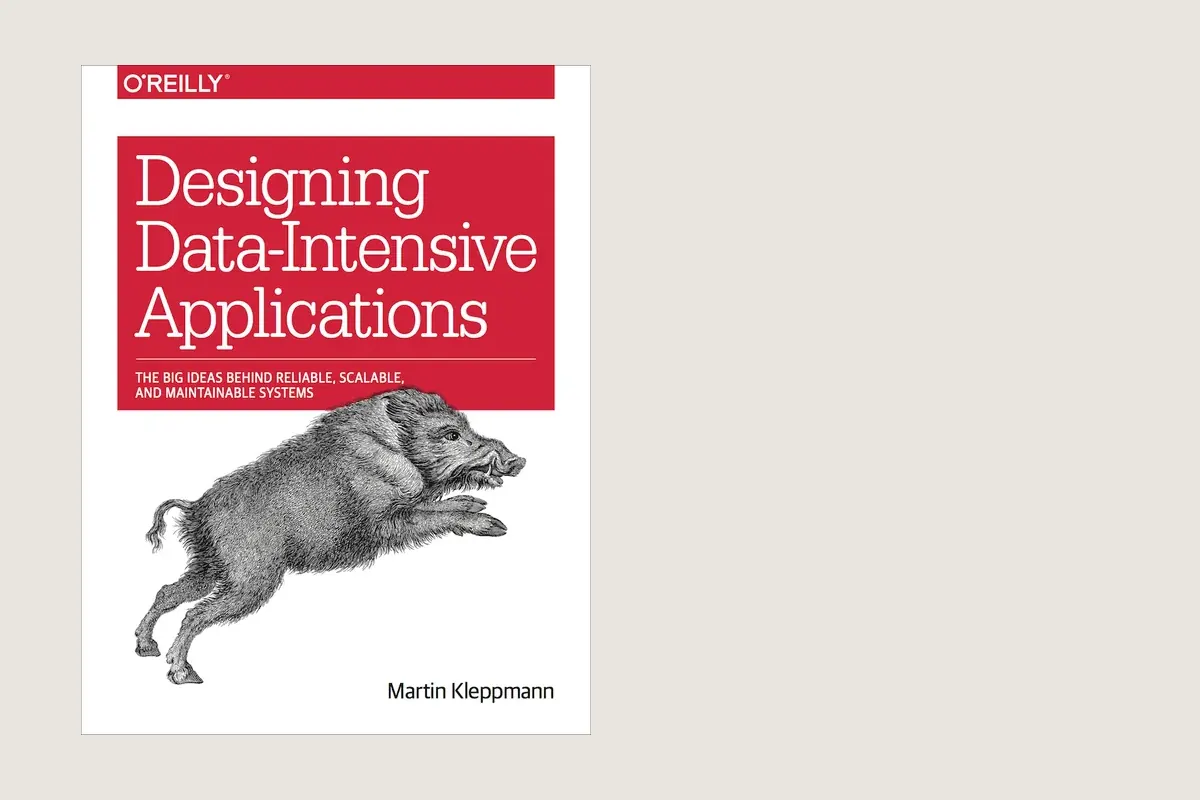
Designing Data-Intensive Applications: understand data systems before choosing technology
A ground map of the reliability, scalability, data models, and trade-offs of distributed systems.
Deep mechanics explanation, fair technology comparison, and focus on architectural trade-offs
Designing Data-Intensive Applications is considered an important document because it starts from principles instead of product lists. Martin Kleppmann puts databases, queues, and stream processing systems into the same frame of questions: how is data represented, how are changes propagated, and what happens when machines or networks fail.
The three cross-cutting goals are reliability, scalability, and maintainability. They sound obvious but often conflict in the actual design. Increasing replicas can improve availability but makes staying consistent more difficult; Optimization for writing can complicate reading; Partitioning helps with expansion but creates additional load and transaction distribution problems.
The book's greatest strength is explaining the mechanism under technological labels. Instead of asking whether PostgreSQL or a NoSQL database is “better,” readers learn to ask about access models, transaction requirements, latency, data volume, and loss tolerance. When the question is right, tool selection becomes less dependent on trends.
Chapters on replication, partitioning, and consensus require slow reading. Distributed systems have many failure states for which intuition on a single machine does not prepare us: messages arrive late, nodes are temporarily disconnected, clocks are inconsistent, and operations are re-executed. The book helps establish the necessary caution against statements “exactly once” or “always consistent”.
This is not a product-by-product implementation guide, and technology examples will gradually change over time. Still, the platform trade-offs are useful. Readers should combine the book with current version documentation, load test, and observe their own systems; Good architecture is not determined by a diagram alone.
The book works best after we've stayed up late over a migration, a late replica, or a query that suddenly slowed down in production. Then, each chapter has a real problem to stick to. The final benefit isn't about adding a technology name; it's the habit of asking more closely about data, errors, and trade-offs before the team commits to a design.
EDITOR’S VERDICT
Tale24’s assessment
Deep mechanics explanation, fair technology comparison, and focus on architectural trade-offs
Points to considerHigh density of knowledge, requires backend foundation and practice time to absorb
Best for: Backend engineer, data engineer, architect and distributed system operations engineer
Editorial method: This is an independent assessment informed by the work and its official supporting information. AI tools may assist the drafting process; Tale24 reviews and takes responsibility for everything it publishes.