Editorial independence
No sponsorship is accepted to alter the conclusions or scores of reviews.
No disguised advertisingRead with greater care
Understand every story more deeply
No sponsorship is accepted to alter the conclusions or scores of reviews.
No disguised advertisingEvery draft is checked for clarity, sourcing, and the limits of its claims before publication.
AI-assisted, human-accountableOur transparent score reflects depth, argument quality, originality, and practical value.
A consistent evaluation frameworkEDITOR’S PICKS
Carefully read, researched, and challenged by the Tale24 editorial team.
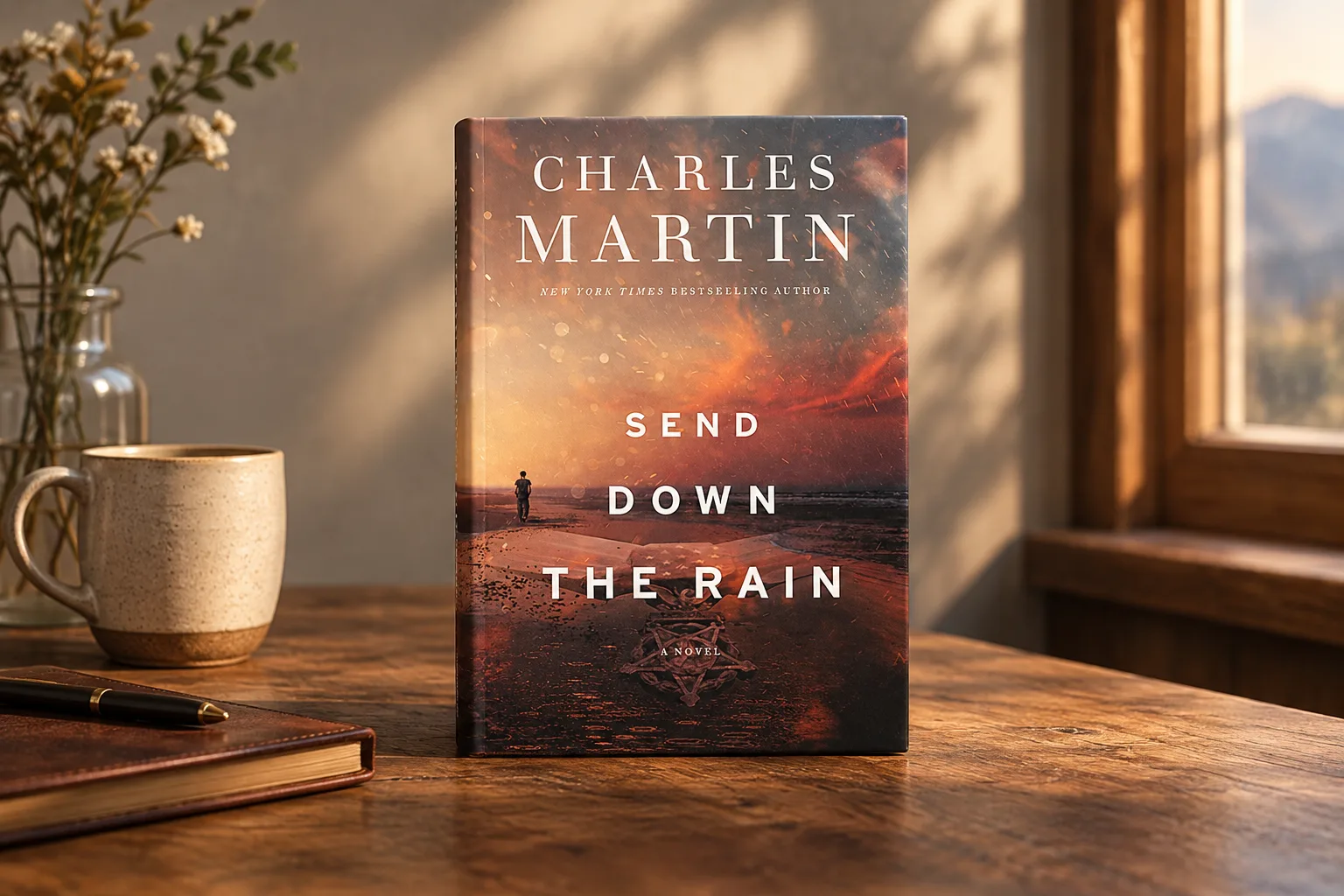
Charles Martin turns a second-chance romance into a question about what it costs to care for someone without denying the past.
A concrete, emotionally direct exploration of care, forgiveness, and the work of rebuilding a life together
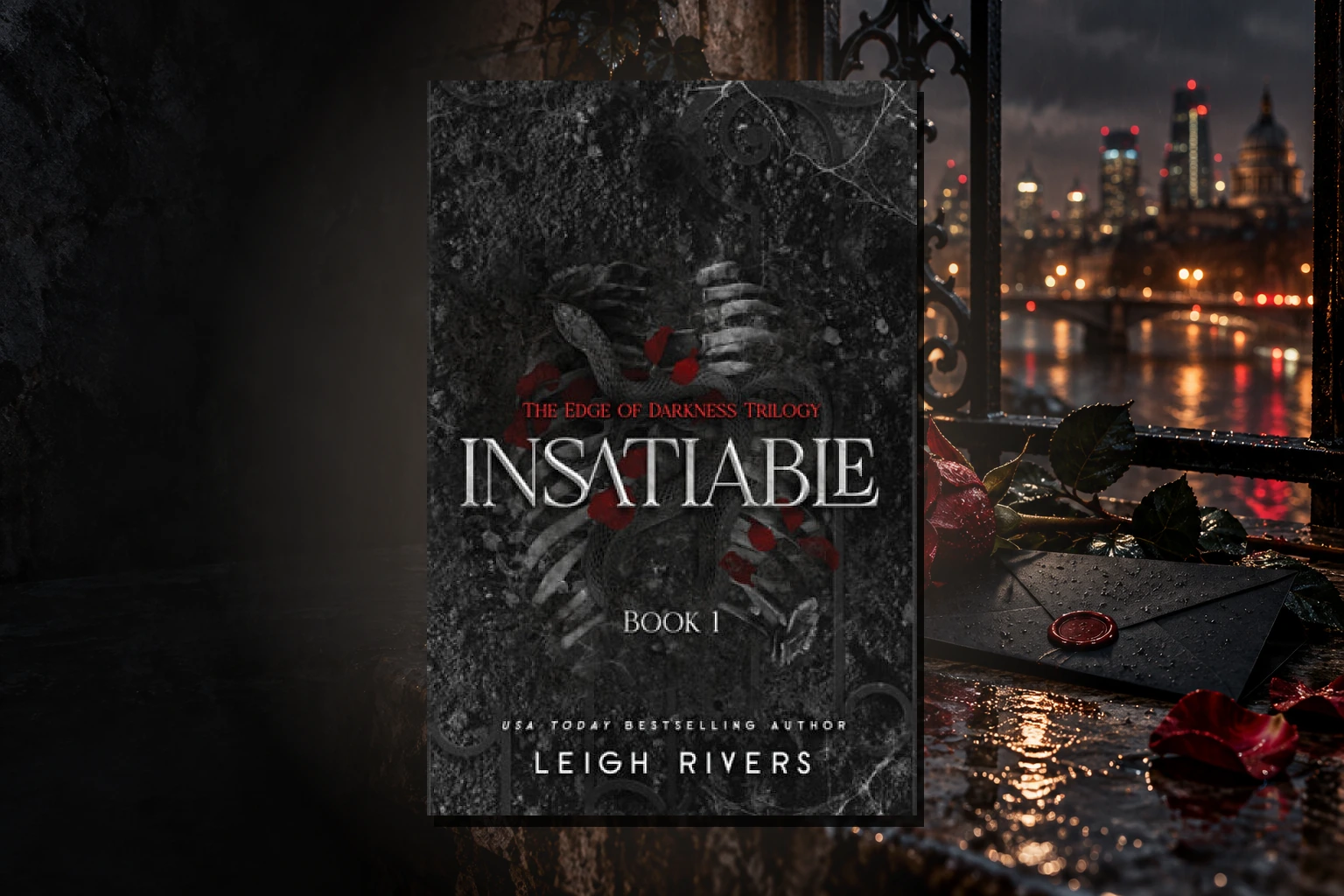
Leigh Rivers builds the first Edge of Darkness novel around a dangerous question: what happens when a love story asks readers to feel the pull of the very behavior that makes its heroine unsafe? Its charged premise is compelling, but the book's pleasures demand a clear-eyed approach to coercion and violence.
A sharply defined dark-romance premise that turns desire, resentment, and control into sustained narrative tension.
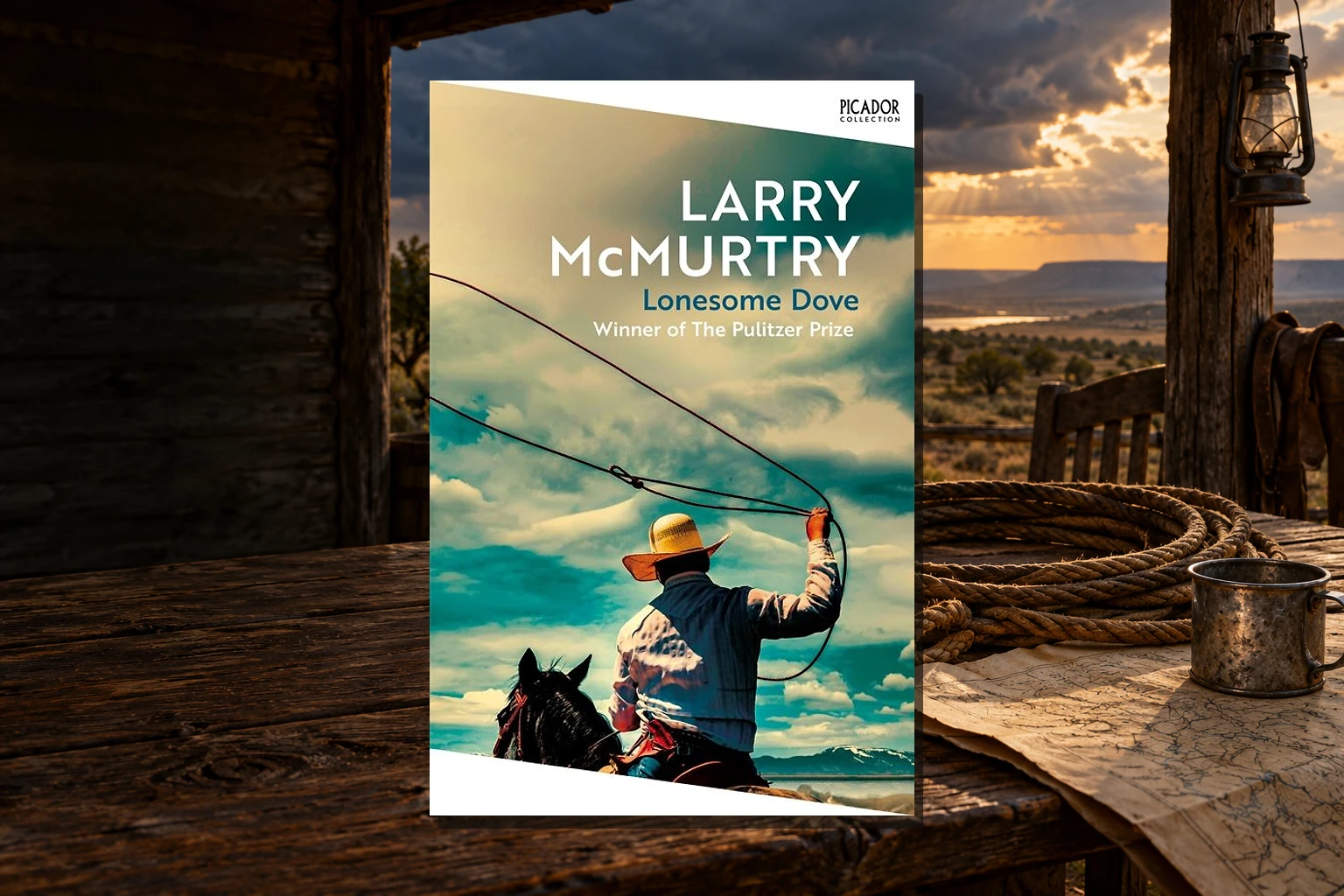
Larry McMurtry turns a cattle drive into an inquiry about loyalty, masculine duty, and the lives left outside the Western legend. The novel's scale is thrilling, but its deepest force lies in the distance between an imagined frontier and the people who must inhabit it.
Expansive characterization, earthy comic detail, and a searching account of loyalty beneath the Western adventure.
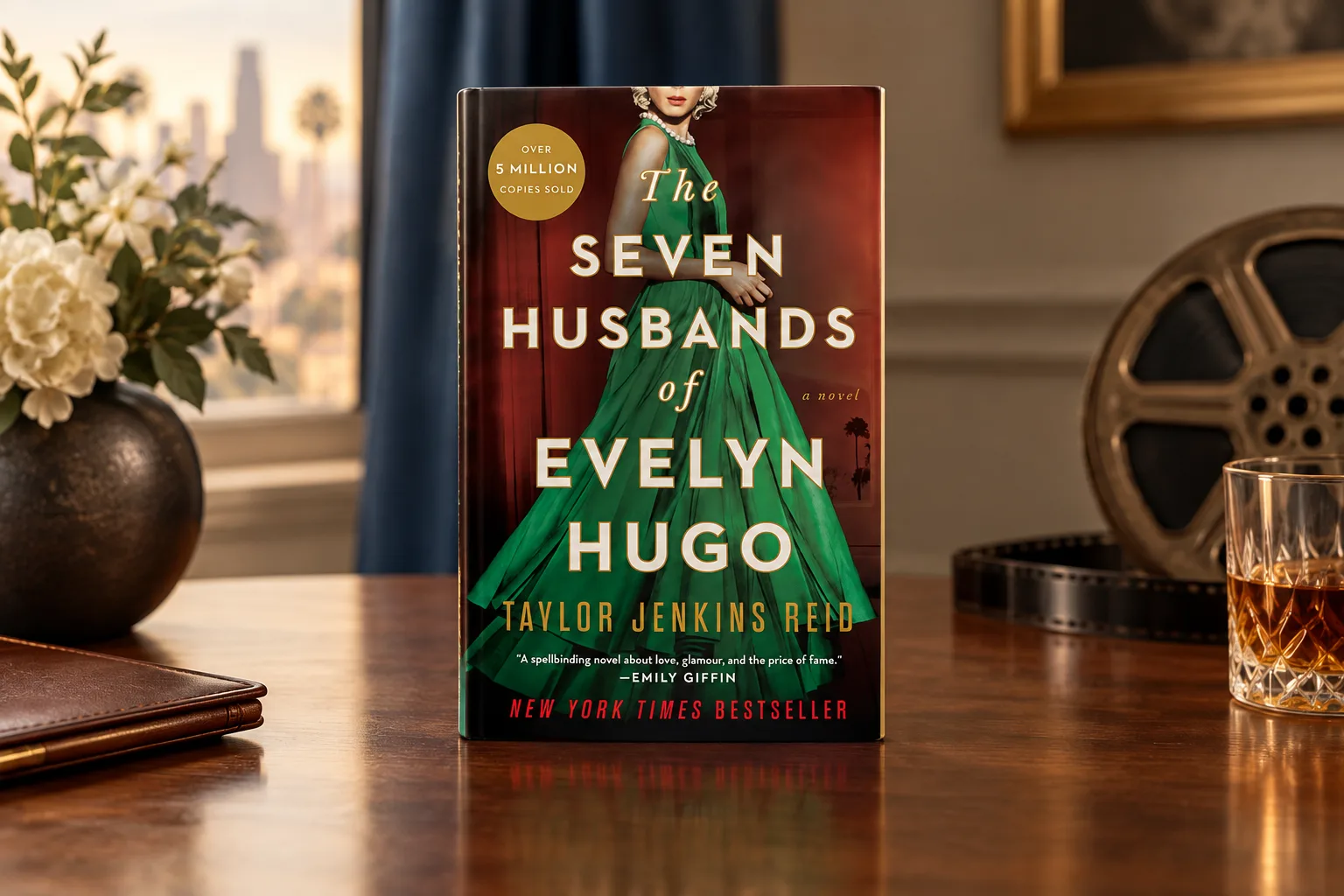
Taylor Jenkins Reid uses a Hollywood legend’s confessions to examine how ambition, love, and image making can leave lasting costs for the people around her.
The interview frame turns Hollywood glamour into a sustained inquiry about image, love, and control over a life story.
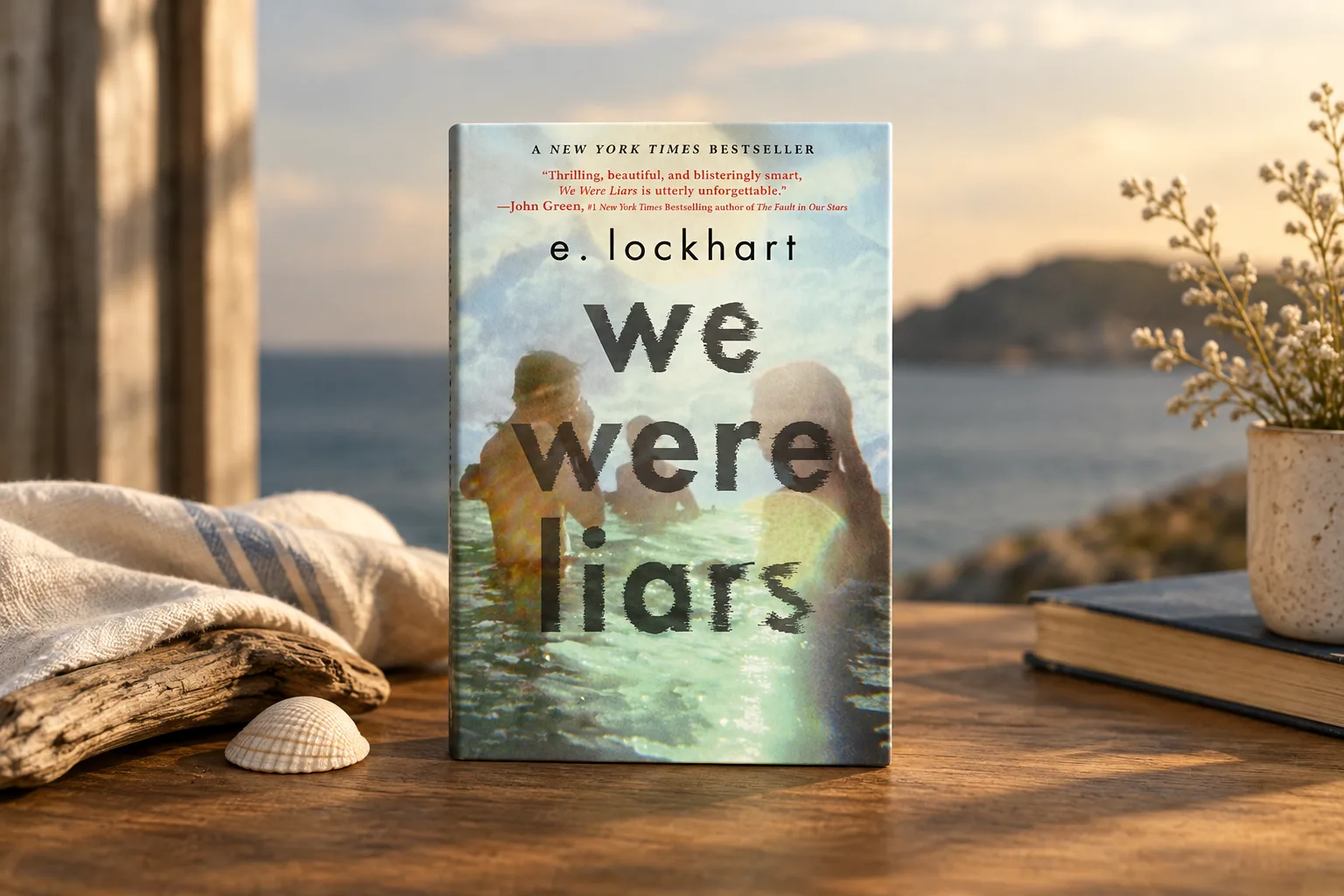
E. Lockhart’s island mystery builds a portrait of privilege, damaged trust, and a family’s guarded truths without giving away its defining revelation.
The island setting and compressed mystery join a powerful ending to questions about privilege and family silence.
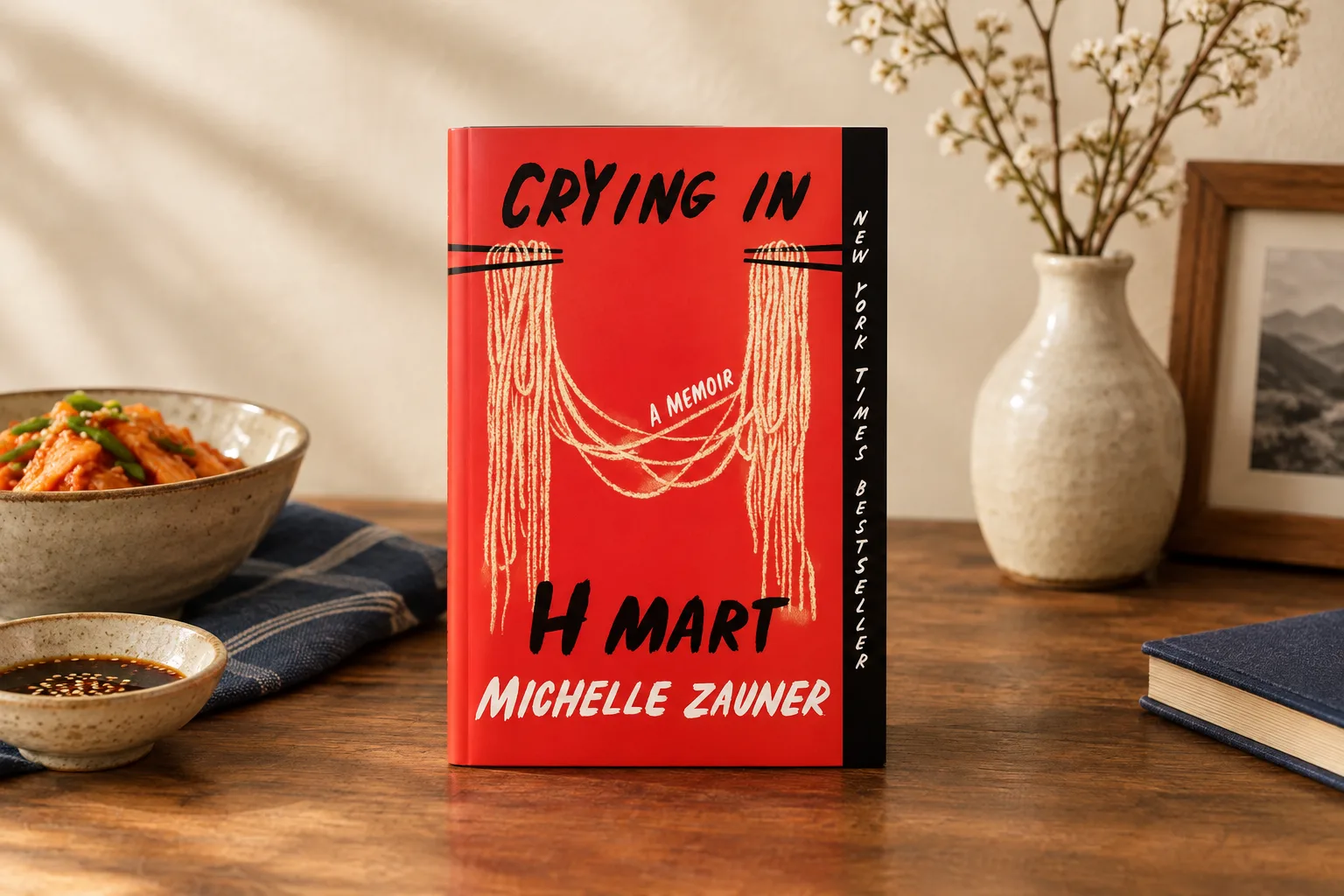
Michelle Zauner’s memoir follows grief through Korean food and family memory, asking how inherited rituals can preserve a complicated bond without simplifying loss.
Precise connections among food, family memory, and Korean American identity give the memoir emotional depth.
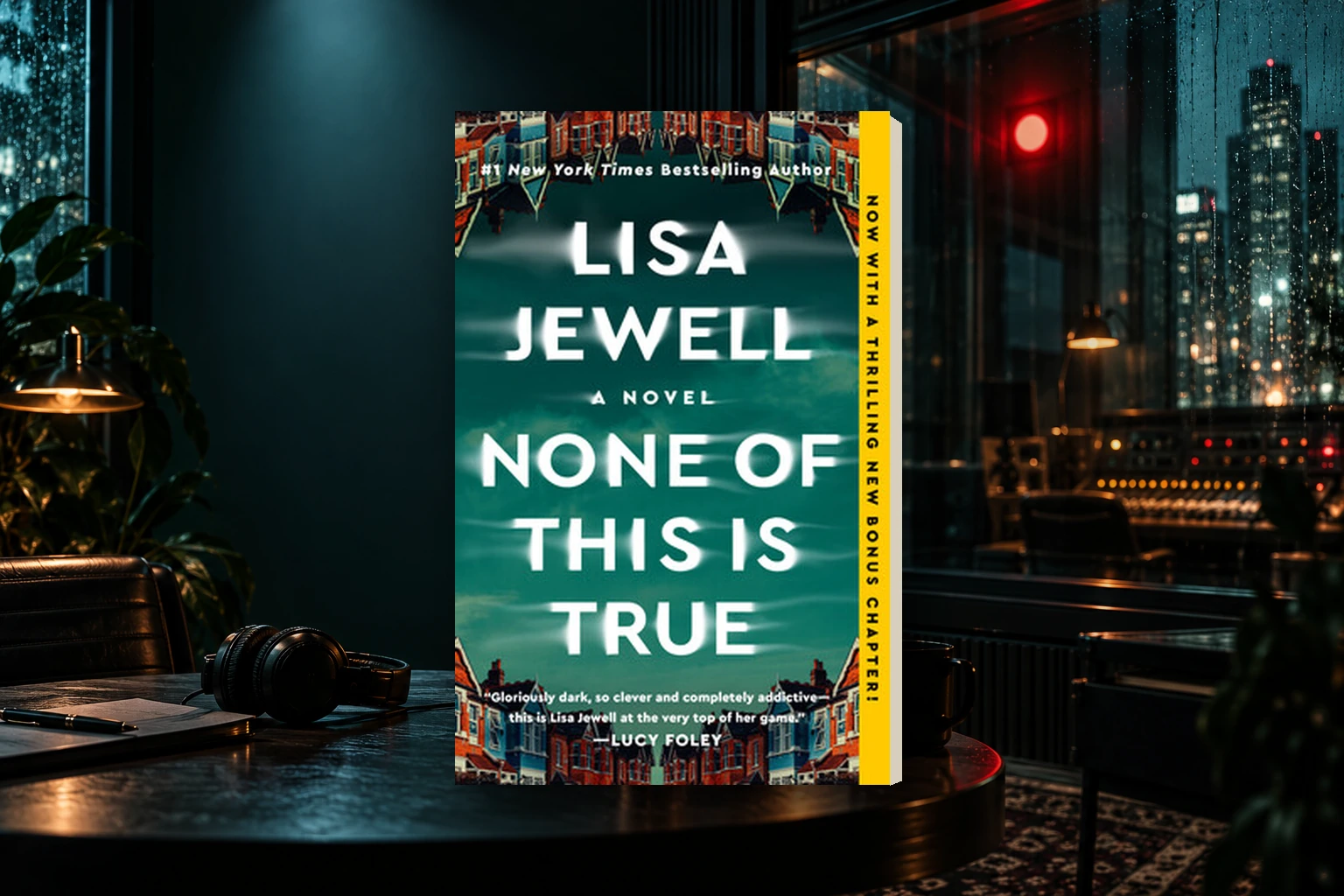
Lisa Jewell places a podcaster and her unsettling subject in a struggle over who gets to shape a public story. The thriller’s sharpest question concerns the point where curiosity becomes vulnerability.
The podcast premise makes narrative control and personal boundaries part of the suspense.
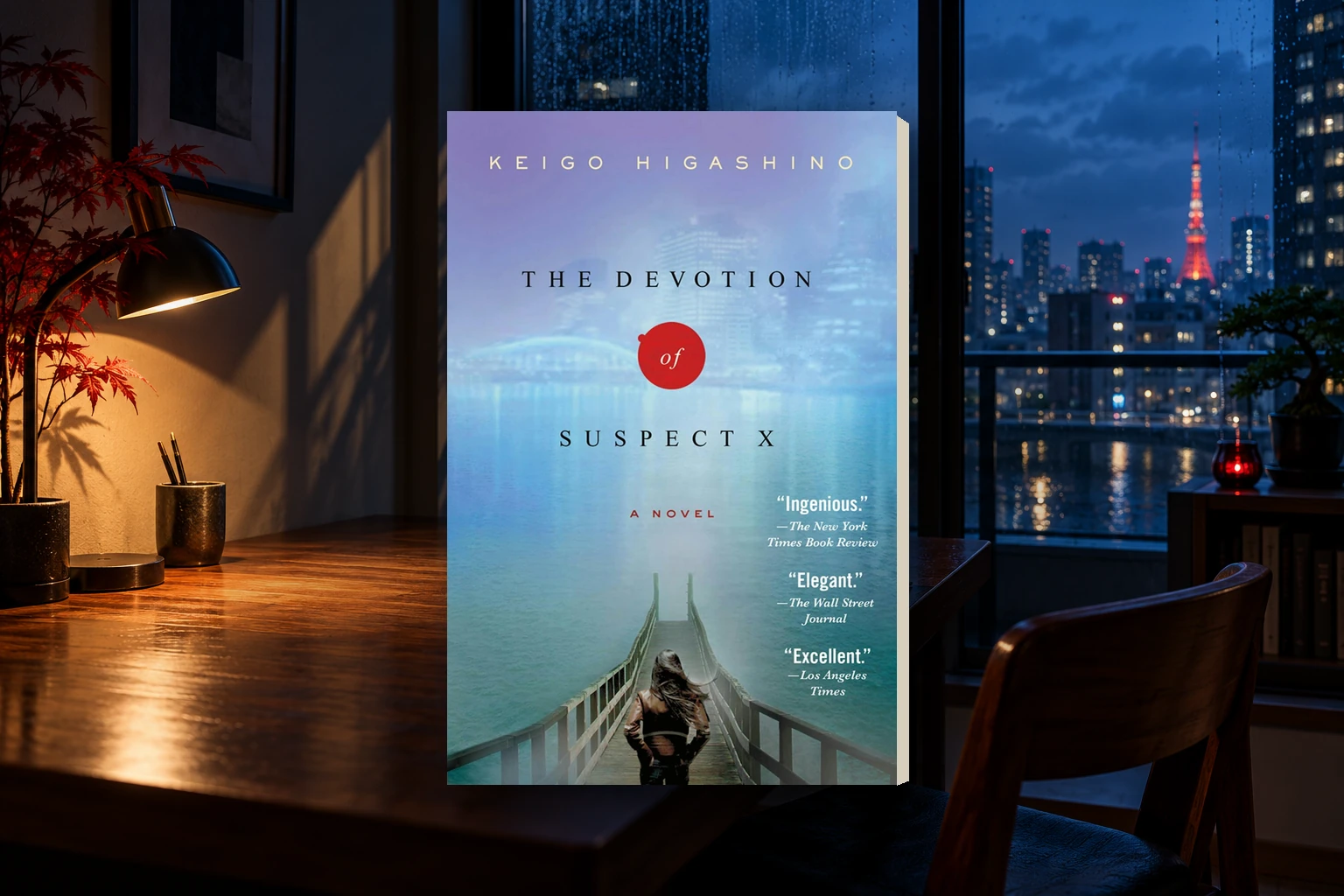
Keigo Higashino turns a cover-up into a contest of reasoning and care. The central tension lies in what a flawless plan can conceal about the person willing to make it.
The conflict between a mathematical cover-up and human obligation gives the puzzle emotional force.
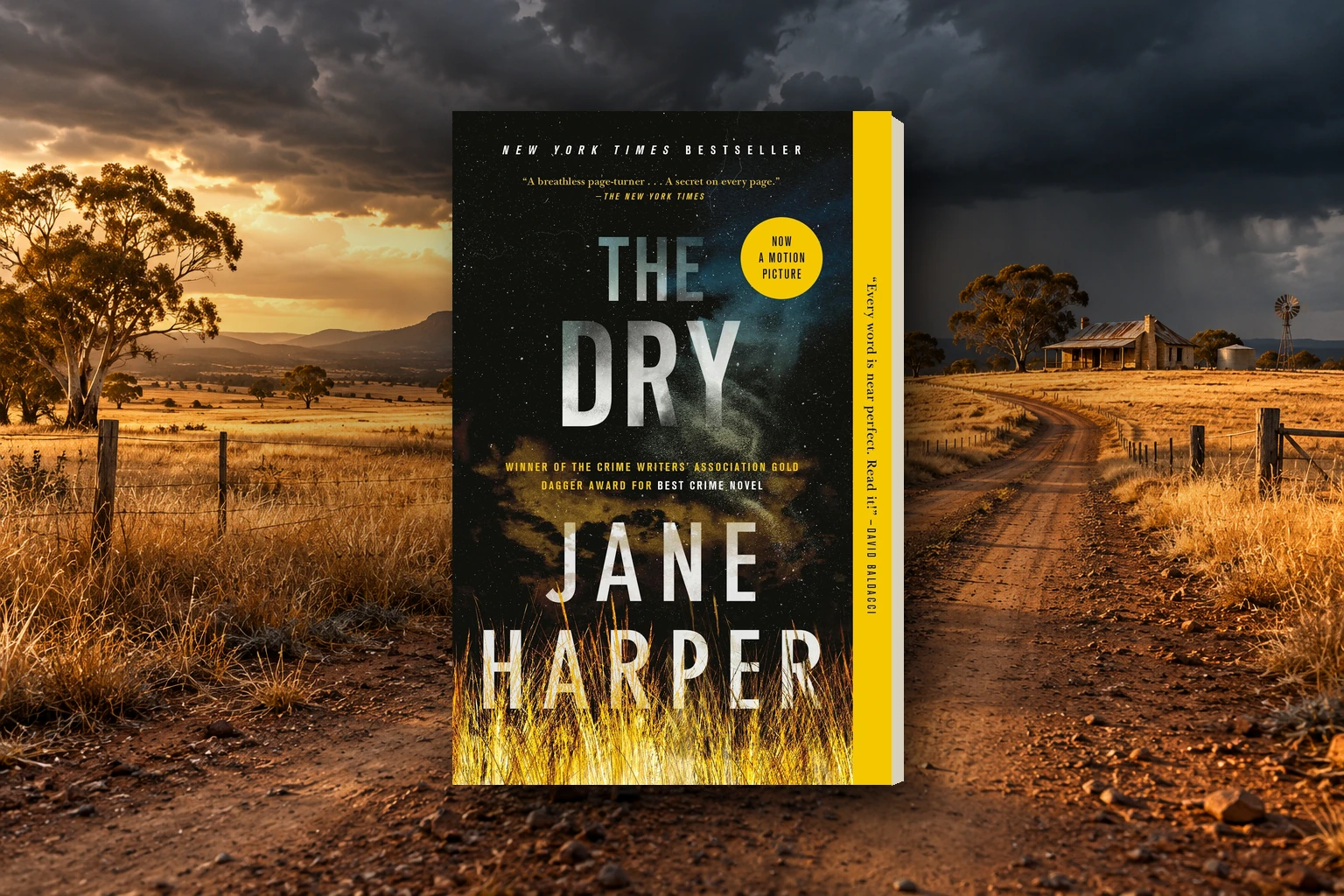
Jane Harper makes drought and old suspicion part of the same landscape. Aaron Falk’s return asks whether a community can investigate a new death while still protecting its account of an older one.
The drought setting and intertwined old and new questions give the mystery unusual social pressure.

Jared Diamond’s cross-disciplinary study asks when leaders shape outcomes and when institutions, resources, and circumstance matter more. This review weighs the book’s comparative method against questions of measurement, counterfactuals, and specialist evidence.
A memorable cross-field framework, with useful questions about leadership, context, and substitutability.
TALE24 EDITORIAL PROCESS
Each article moves through research, editing and publication checks. The responsible editor remains accountable for the final work.
Check the book details, material facts and the review's critical angle.
Distinguish evidence from opinion and make the strengths and limits clear.
Verify images, metadata, links and the article's final presentation.
TALE24 METHODOLOGY
Critical standards help readers select worthwhile ideas in an age of information overload.
The summary is concise but does not impoverish the value of the original work. The context and core ideas are always preserved.
Save time, double the depthEvaluate the pros and cons with a fair attitude, not commercial flattery.
Never compromise with superficialityA 100-point scale with clear criteria helps readers choose the right book for their goals.
A transparent editorial framework“We believe that in an era of quick quotes, the patience to fully understand an idea is the rarest but most valuable quality.”
Tale24 is not born to encourage you to read more in quantity. Our mission is to be a quiet critical companion: distilling valuable ideas, deciphering the layers of meaning behind words, and courageously questioning the obvious.
Tale24 separates editorial content from advertising. Automated advertising does not change the critical conclusions.