Psychology & Skills · TALE24 REVIEW
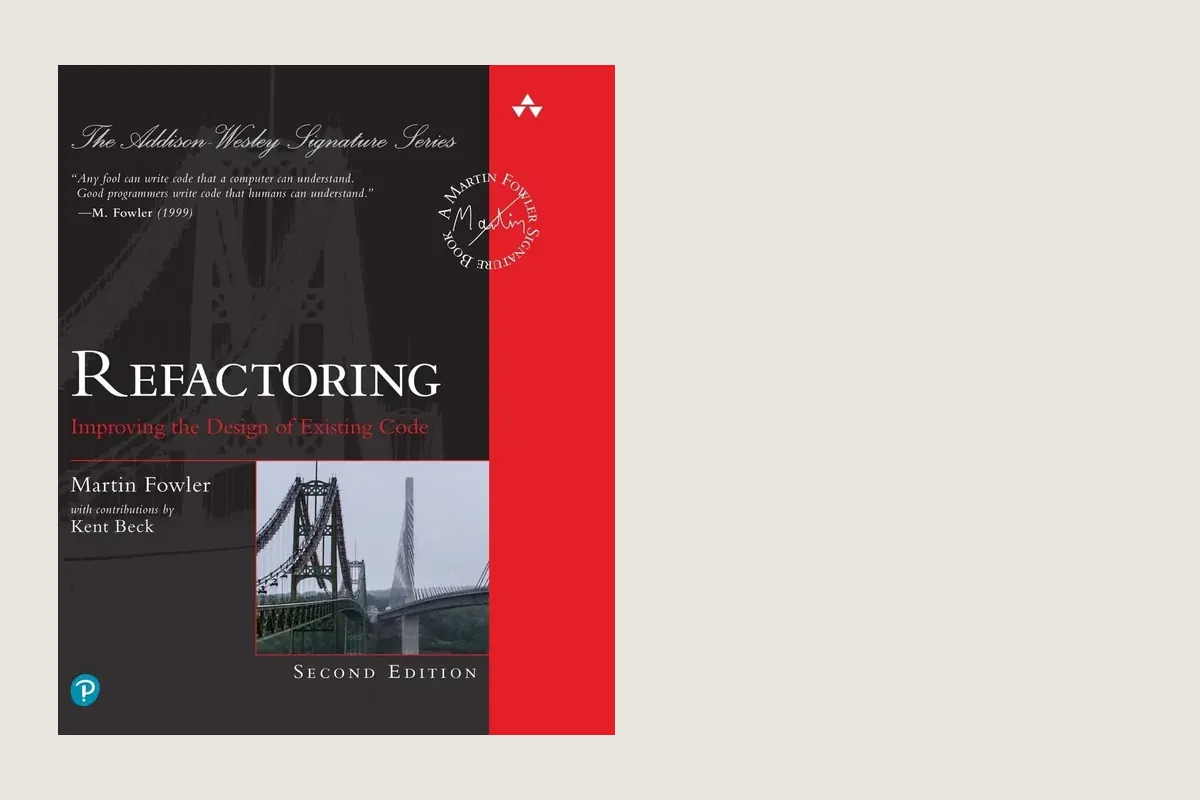
Refactoring: changing code structure while protecting system behavior
The value of refactoring lies in the series of small steps, quick feedback, and the ability to reverse when assumptions are wrong.
Step-by-step approach, testing, and clear vocabulary
Refactoring is often understood as rewriting code to make it beautiful. Martin Fowler takes the concept to its true discipline: improving internal structure while preserving observable behavior. This requires testing, small step changes, and a response cadence fast enough to detect deviations.\n\nThe list of techniques in the book is useful, but the thinking behind it is more important than the names of individual transformations. When a piece of code is difficult to change, engineers need to identify the code smell, choose a small step, and reevaluate. This approach reduces risk compared to a lengthy "overhaul" and then one-time integration.\n\nThe new edition's JavaScript example brings the book closer to the modern ecosystem, although users of other languages still have to translate the technology into the appropriate idiom. Refactoring also doesn't replace product decisions: not all bad code is worth fixing right away. The right question is what value does the current structure have that hinders change.
EDITOR’S VERDICT
Tale24’s assessment
Step-by-step approach, testing, and clear vocabulary
Points to considerNeed actual codebase to understand when it should or shouldn't be applied
Best for: Developer regularly maintains and expands the system for many years
Editorial method: This is an independent assessment informed by the work and its official supporting information. AI tools may assist the drafting process; Tale24 reviews and takes responsibility for everything it publishes.