Literature & Thought · TALE24 REVIEW
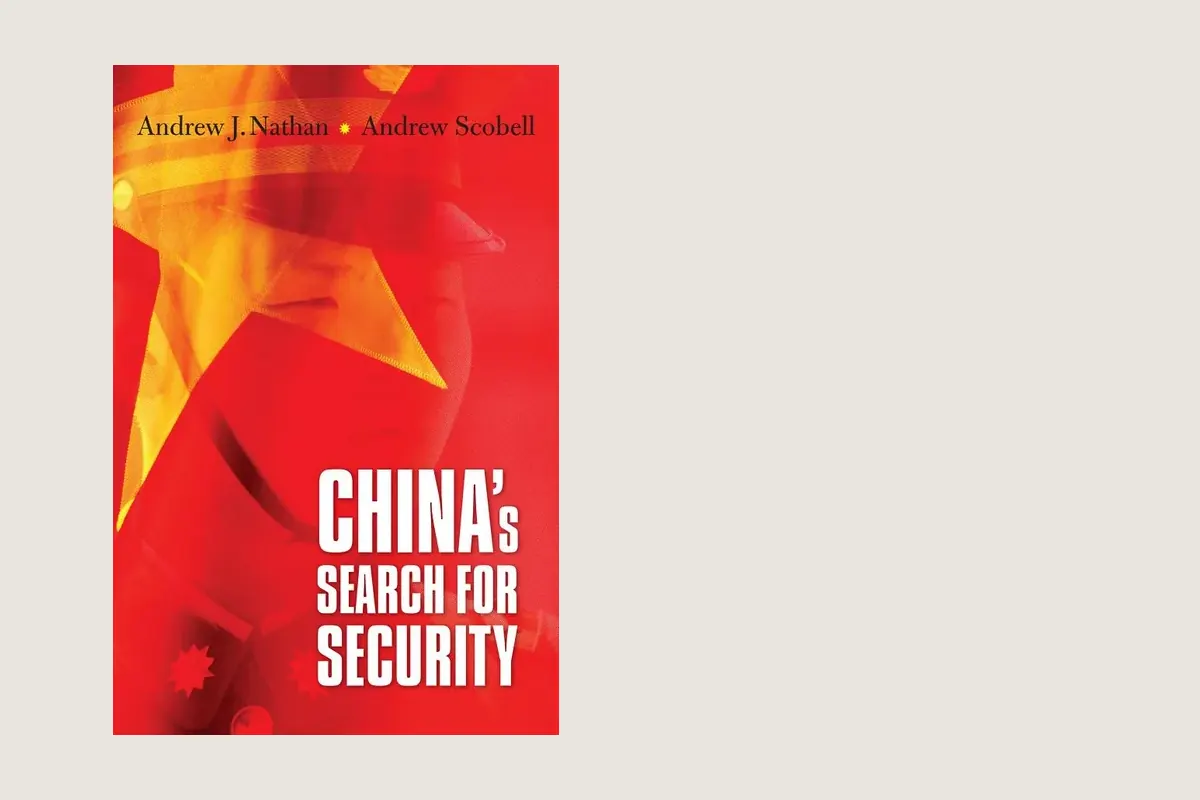
China's quest for security: can strength erase the fear of vulnerability?
One way to explain Chinese foreign policy is from an internal sense of insecurity instead of just looking at power ambitions.
The analytical framework balances power and insecurity
When a great power increases its military and economic capabilities, the most common explanation is often expansionist ambitions. But another reading focuses on a sense of vulnerability: border pressure, domestic stability, historical memory and fears of encirclement can simultaneously spur tough behavior.\n\nThis approach does not deny Beijing's power or responsibility. Its value lies in distinguishing intentions from motivational structures. A policy may be defensive in the perception of the planner but create a threatening effect on neighbors. That feedback loop means that each effort to increase security for one side can make the other side more insecure.\n\nTale24 considers this a useful analytical framework to avoid both extremes: viewing China as an actor that only reacts passively, or reducing all actions to a unified plan of domination. Reading international politics in depth requires keeping simultaneously capabilities, intentions, and how other states interpret that behavior.
EDITOR’S VERDICT
Tale24’s assessment
The analytical framework balances power and insecurity
Points to considerIt can easily be misunderstood as justification if separated from the actual consequences of the policy
Best for: Readers want to understand strategic competition in Asia
Editorial method: This is an independent assessment informed by the work and its official supporting information. AI tools may assist the drafting process; Tale24 reviews and takes responsibility for everything it publishes.