TALE24 TOPIC

Literature & Thought

Analyze literature, history of ideas and works that help readers see the world more deeply.
38curated
reviews
THE COLLECTION

More from this topic

37 essays and reviews

Editorial image for The Great Gatsby and the Price of Looking Back
American Literature

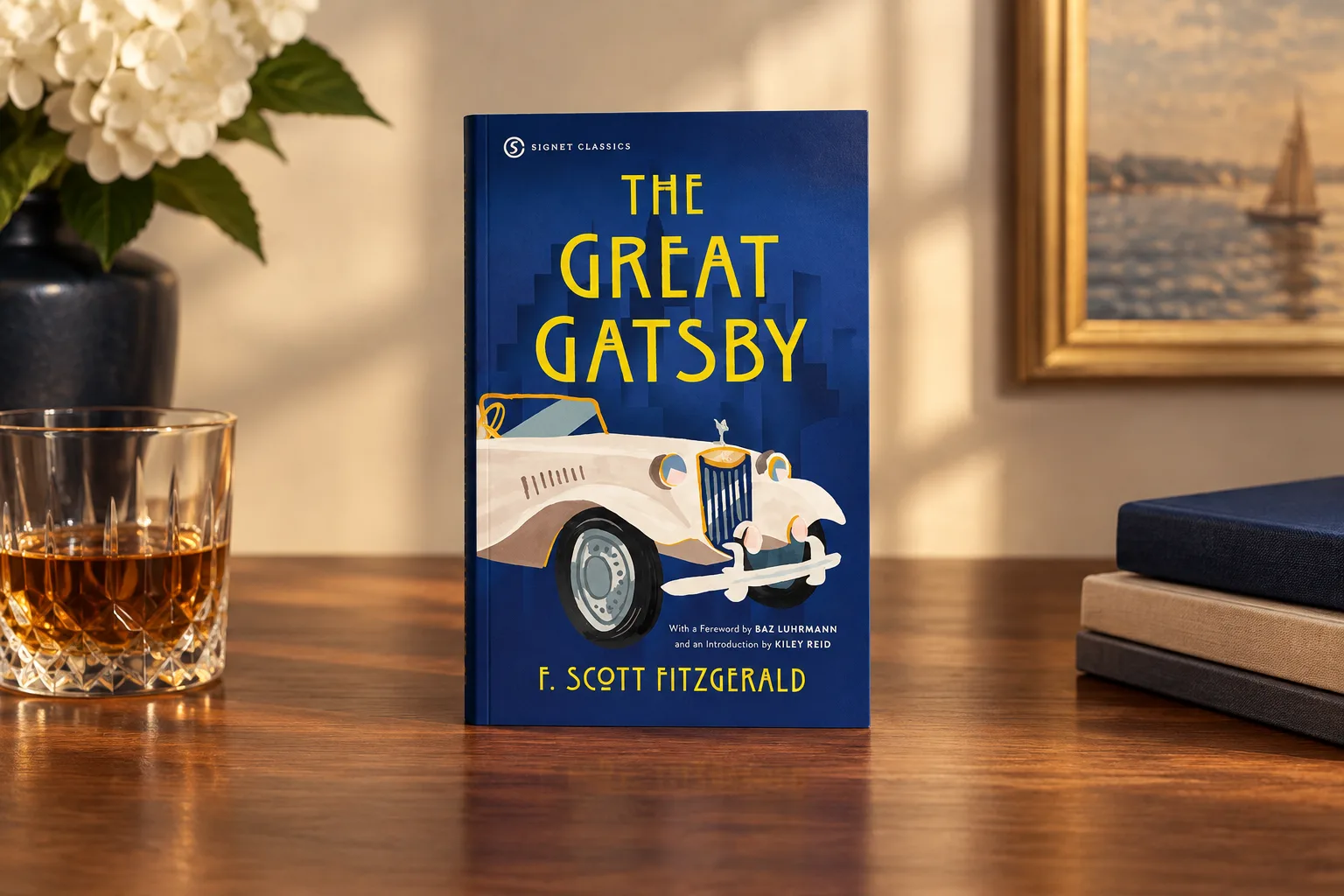
The Great Gatsby and the Price of Looking Back

F. Scott Fitzgerald’s 1925 novel turns a glittering Long Island summer into a study of how desire becomes spectacle—and how inherited privilege decides who gets to belong. Through Nick Carraway’s partial, retrospective account, The Great Gatsby makes the American Dream both moving and compromised.

Editorial image for The Birthing Tree and the Stories a Community Keeps
Literary Fiction

The Birthing Tree and the Stories a Community Keeps

Amanda Peters places a speaking tree at the center of a family history shaped by birth, inherited knowledge, and silence. The novel asks how a community carries its past when the institutions around it refuse to recognize its ways of care.

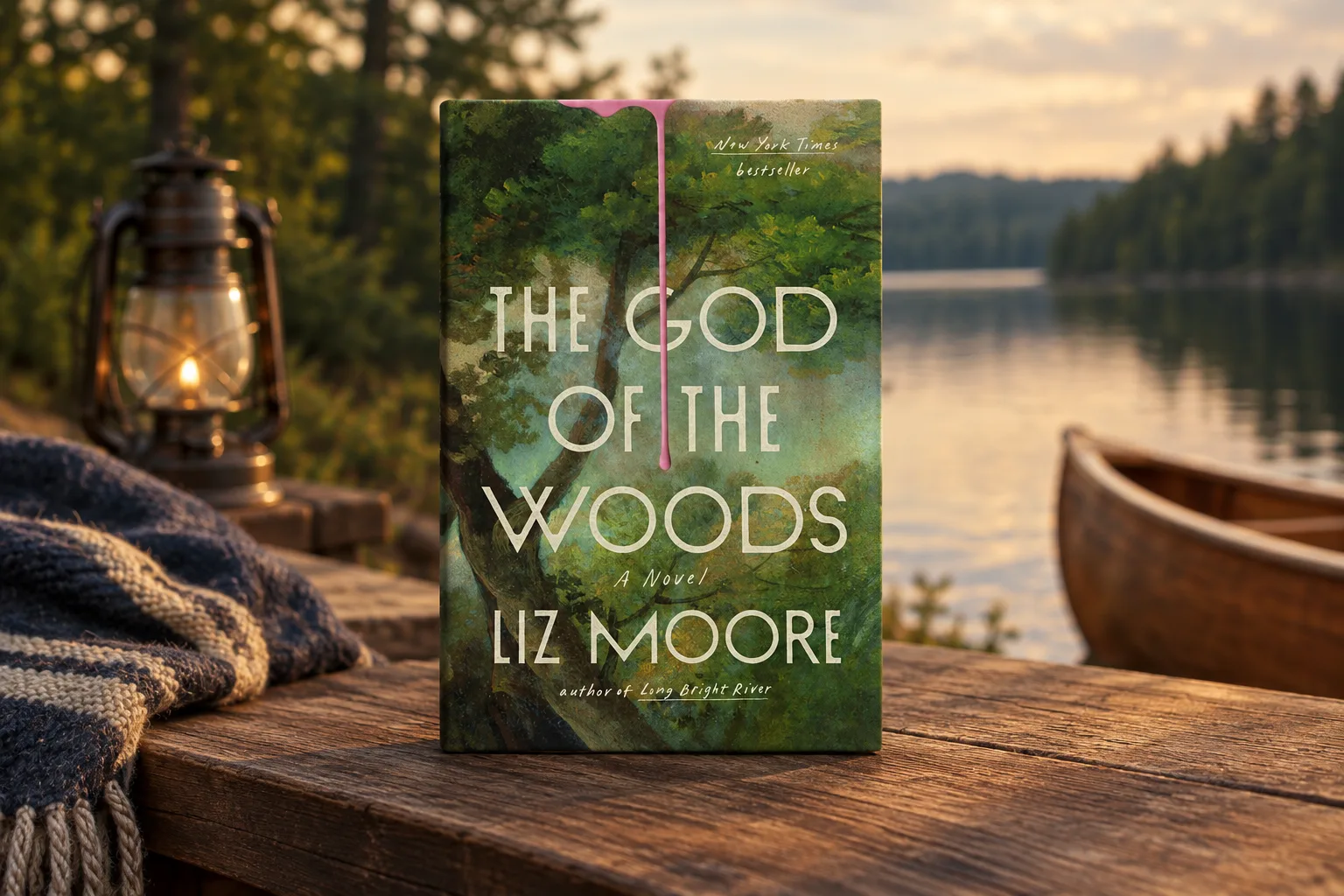
Editorial image for The God of the Woods and the Class Line at Camp Emerson
Literary Fiction

The God of the Woods and the Class Line at Camp Emerson

The disappearance of two Van Laar children turns a family mystery into a study of wealth, labor, and unequal accountability. Camp Emerson’s in-between position gives Liz Moore’s suspense novel its clearest social argument.

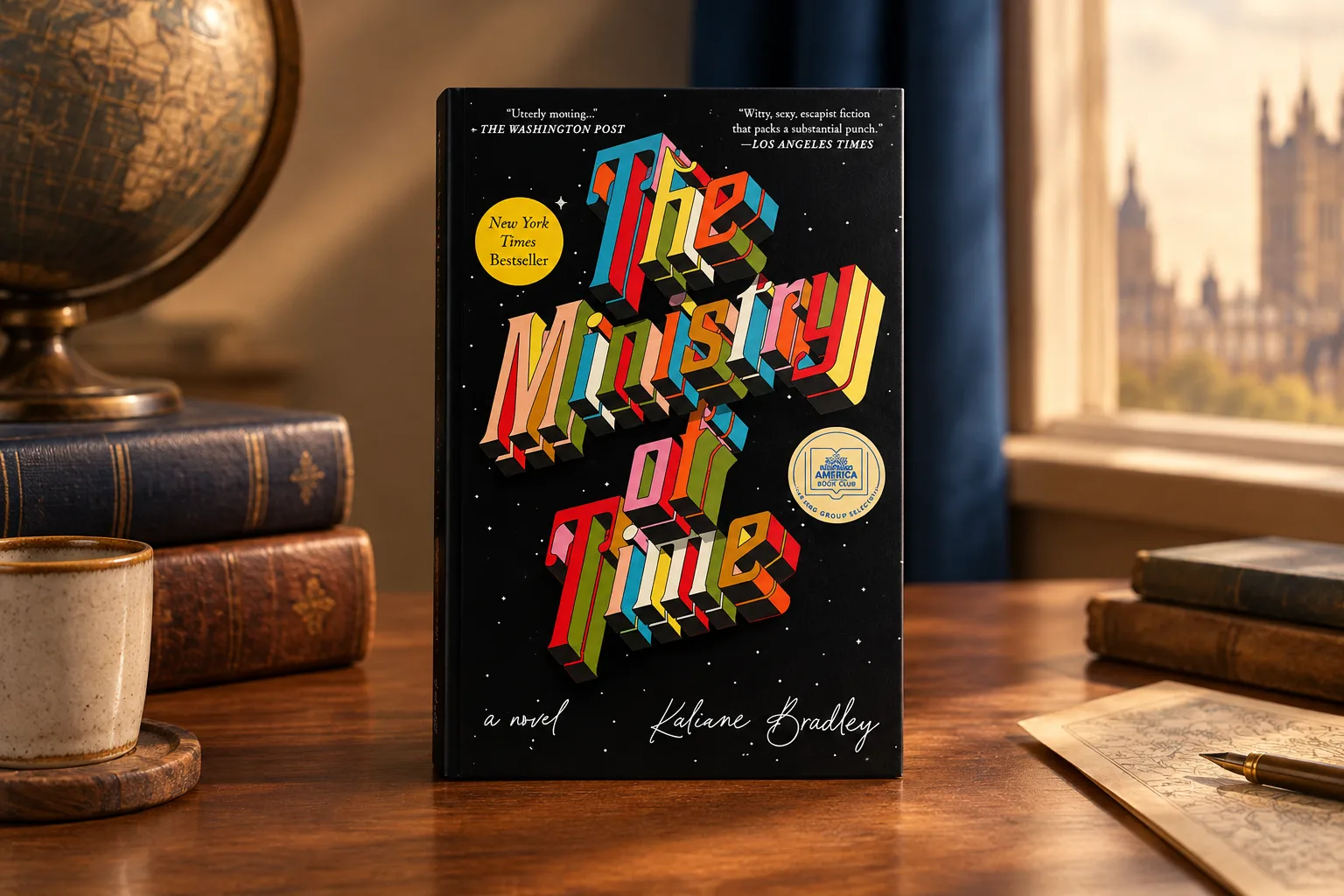
Editorial image for The Ministry of Time: Who Gets to Name a Displaced Person?
Science Fiction & Fantasy

The Ministry of Time: Who Gets to Name a Displaced Person?

Kaliane Bradley turns a time-travel romance into a sharp question about who gets to name displacement. As a government “bridge” monitors a Victorian-era visitor, affection, observation, and institutional power become impossible to separate.

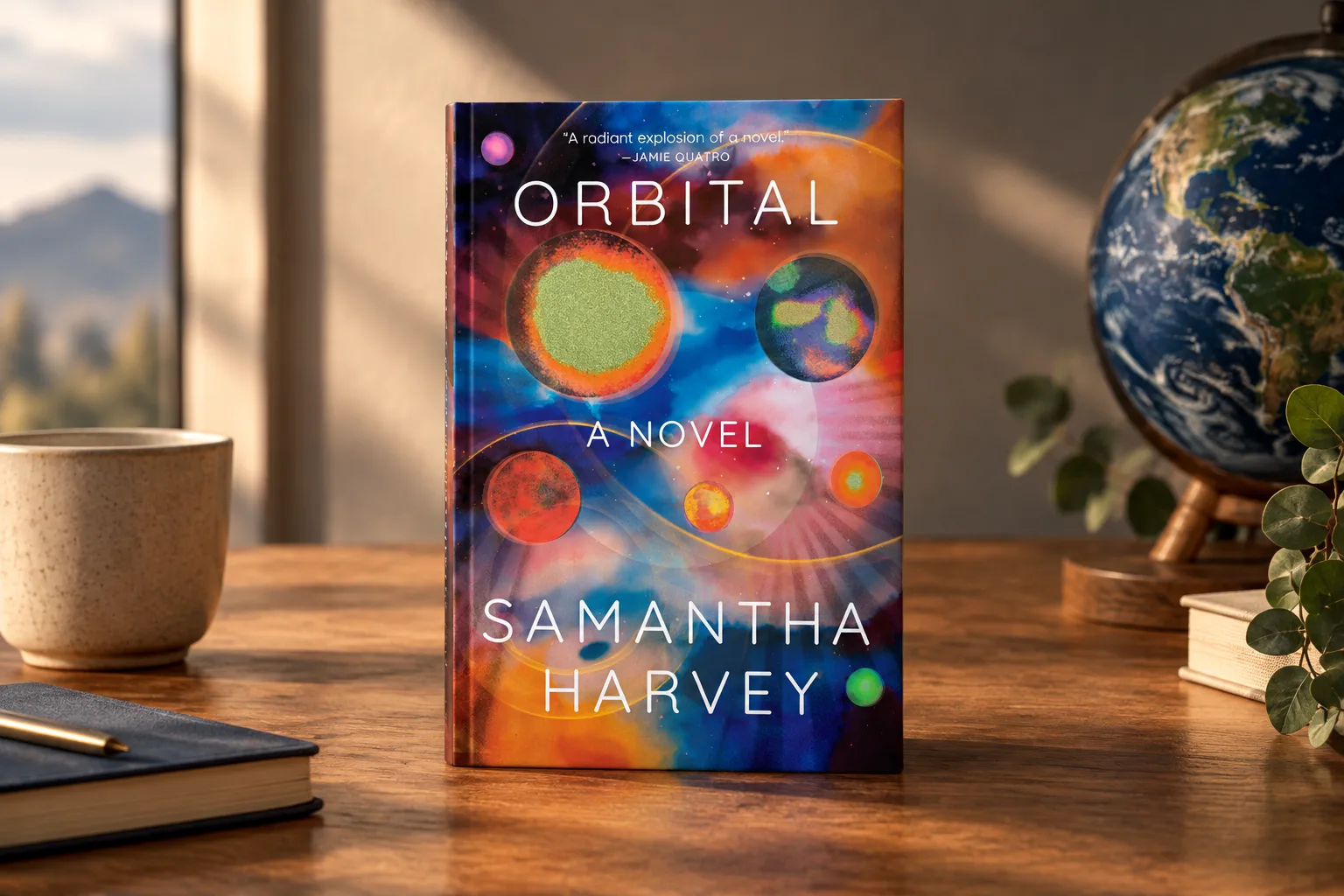
Editorial image for Orbital and the Earth Seen as Home
Literary Fiction

Orbital and the Earth Seen as Home

Samantha Harvey turns a day in orbit into a study of how attention changes when Earth becomes both view and home. Orbital’s lyric scale is its great strength—and the reason readers seeking conventional plot or deeply developed character arcs may feel held at a distance.

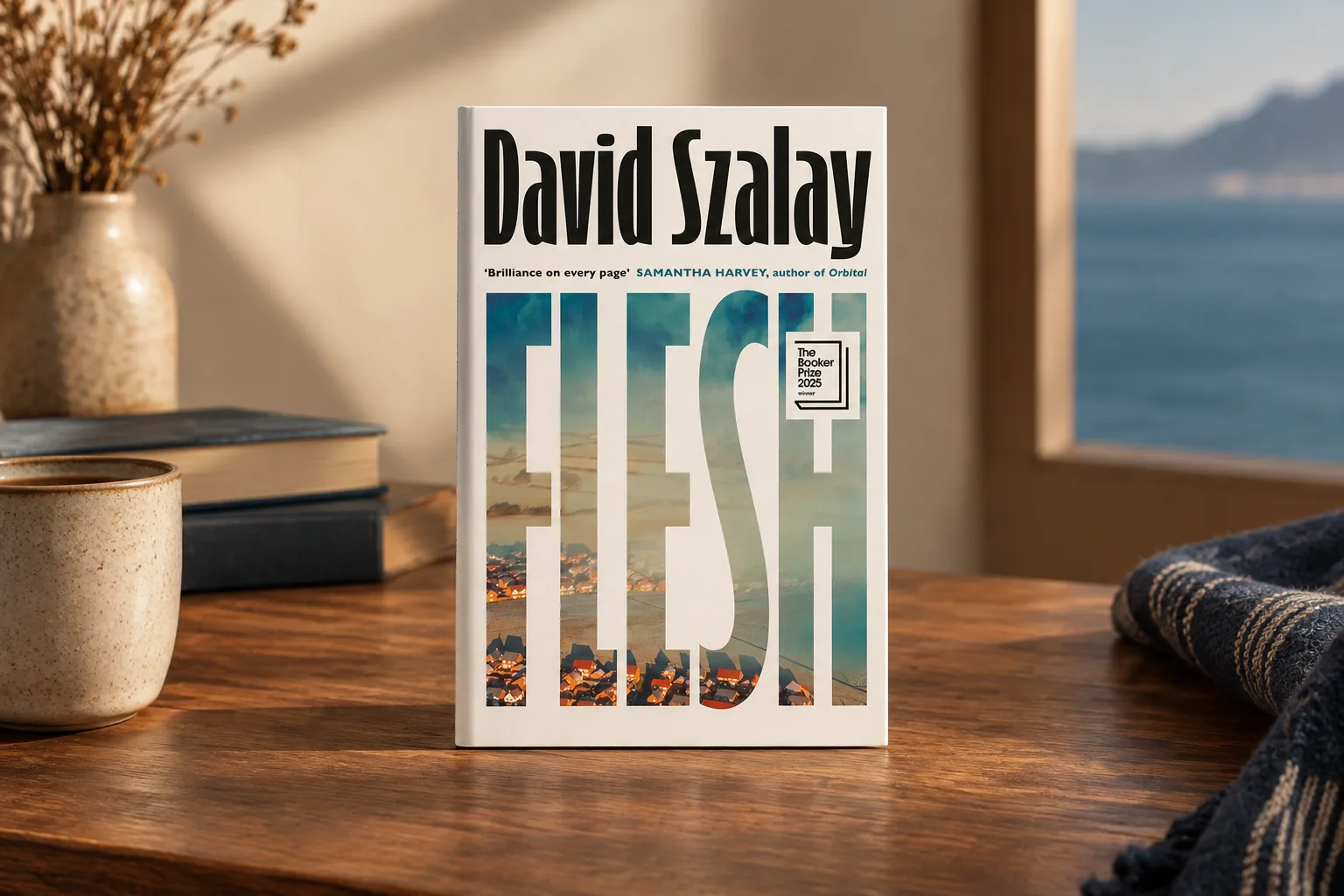
Editorial image for Flesh and the Life We Barely Choose
Literary Fiction

Flesh and the Life We Barely Choose

David Szalay builds a life story out of silences, bodily experience, and the years a conventional novel might explain. Flesh asks whether a person can be understood through the forces that move him when he cannot—or will not—name what he wants.