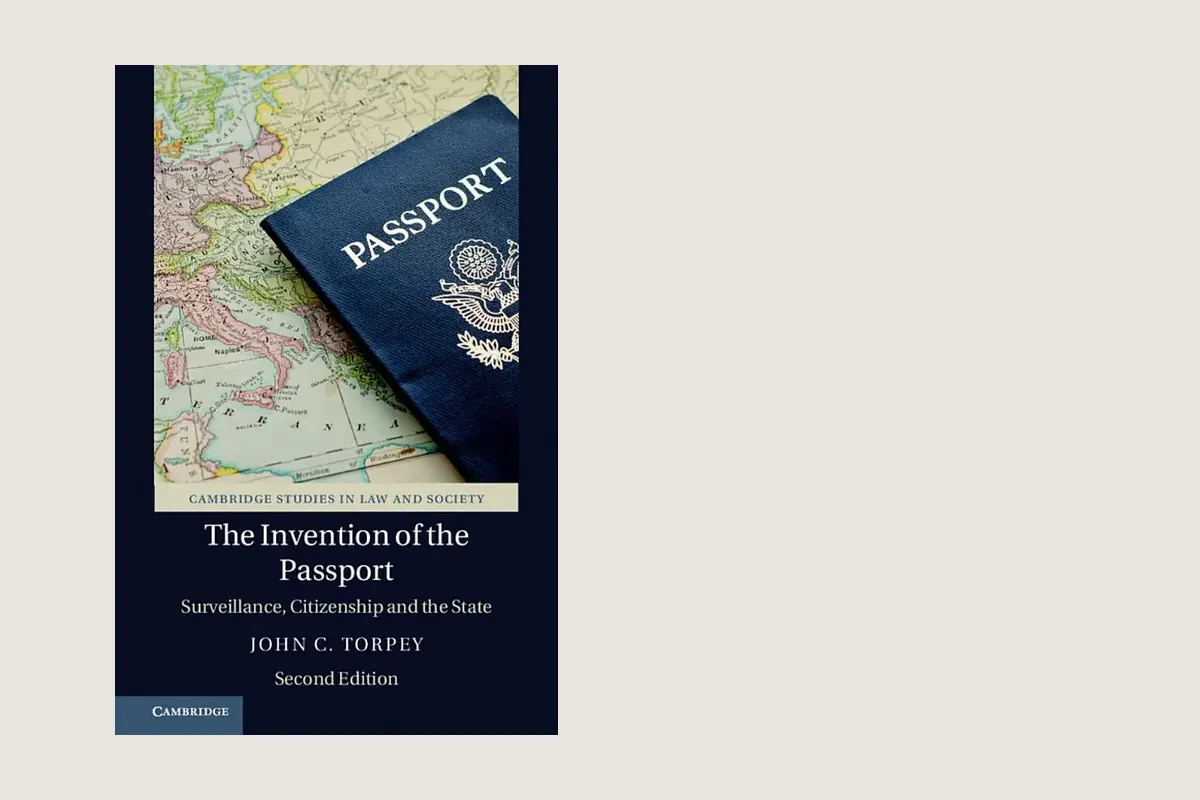
Literature & Thought · TALE24 REVIEW
Passport: the small book and the power to shape freedom of movement
Read the history of the passport as a story about borders, civic identity, and the controlling capacity of the modern state.
Turning a familiar object into an evocative historical and political issue
Today's passport is so familiar that it is easy to view it as a neutral document. But looking historically, travel rights were much less standardized. The popularity of passports is associated with the process of the state building an identification apparatus, managing borders and determining who has the right to cross them.\n\nThe notable point of this topic is the shift from identifying a person to classifying their legal status. Name, photo, date of birth and nationality do more than just describe the individual; they also subject individuals to an administrative order that has the ability to permit, delay, or deny movement. So passports both open up the world and show that freedom of movement has never been equally distributed.\n\nTale24 argues that the best way to read passports is not to view them simply as administrative achievements or surveillance tools. It is the meeting point of security, sovereignty and individual rights. The value of the research lies in forcing readers to look at an ordinary object with a broader political question: who has the right to determine who we are and where we are allowed to go?
EDITOR’S VERDICT
Tale24’s assessment
Turning a familiar object into an evocative historical and political issue
Points to considerIt is necessary to compare the experiences of non-European regions
Best for: Readers interested in state history, borders and civil rights
Editorial method: This is an independent assessment informed by the work and its official supporting information. AI tools may assist the drafting process; Tale24 reviews and takes responsibility for everything it publishes.