Literature & Thought · TALE24 REVIEW
Pham Quynh reads Buddhism: an ideological map from the early twentieth century
The value of an old work is not only in the knowledge it provides, but also in the way Vietnamese intellectuals have created a modern research language.
Connecting the history of Buddhism with modern Vietnamese intellectual history
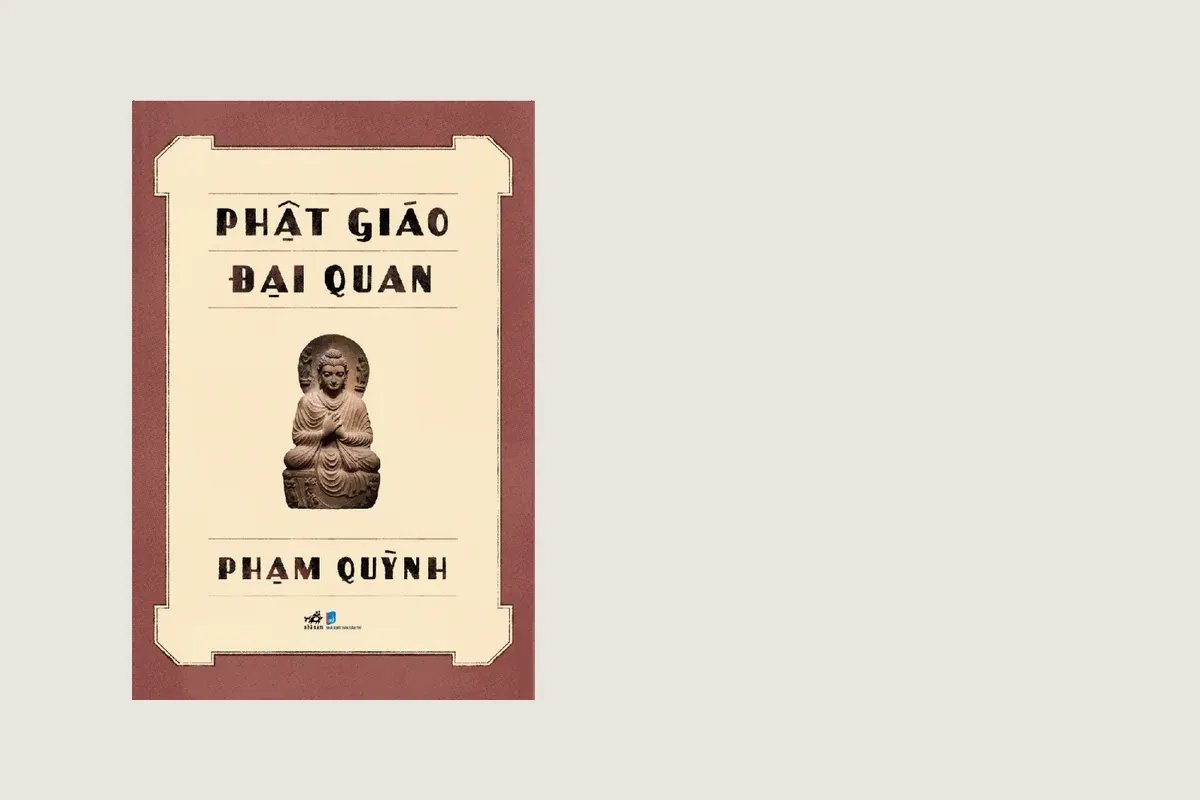
A study of Buddhism written in the early twentieth century has two layers of value. The first layer is the story about the history of formation, spread and basic ideas of Buddhism. The second layer, equally interesting, is how a Vietnamese intellectual in the transitional period tried to use new methods and languages to reread Eastern traditions.\n\nReading the work today requires keeping a historical distance. Some generalizations may no longer be relevant to contemporary research, but those limitations show how Vietnamese academic life has moved. The storytelling style helps make thoughts less dry and at the same time reflects the desire to bring academic knowledge to a wider public.\n\\nTale24 considers this a document that should be read in parallel with modern Buddhist works. Comparative reading both respects revitalizing values and avoids turning a nearly century-old text into the final authority. More importantly, it helps readers realize that the history of ideas is also the history of how we learn to ask questions.
EDITOR’S VERDICT
Tale24’s assessment
Connecting the history of Buddhism with modern Vietnamese intellectual history
Points to considerSome generalizations need to be updated with contemporary research
Best for: Readers are interested in Pham Quynh, Buddhism and the history of Vietnamese thought
Editorial method: This is an independent assessment informed by the work and its official supporting information. AI tools may assist the drafting process; Tale24 reviews and takes responsibility for everything it publishes.