World Literature
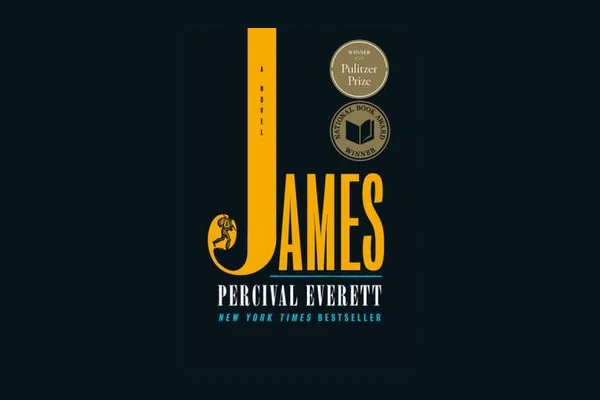
James: Who Gets to Tell the River Story?
Percival Everett gives Jim the narrative authority that a familiar American adventure denied him, changing the meaning of freedom, language, and the river itself.
TALE24 TOPIC
37 essays and reviews
Percival Everett gives Jim the narrative authority that a familiar American adventure denied him, changing the meaning of freedom, language, and the river itself.
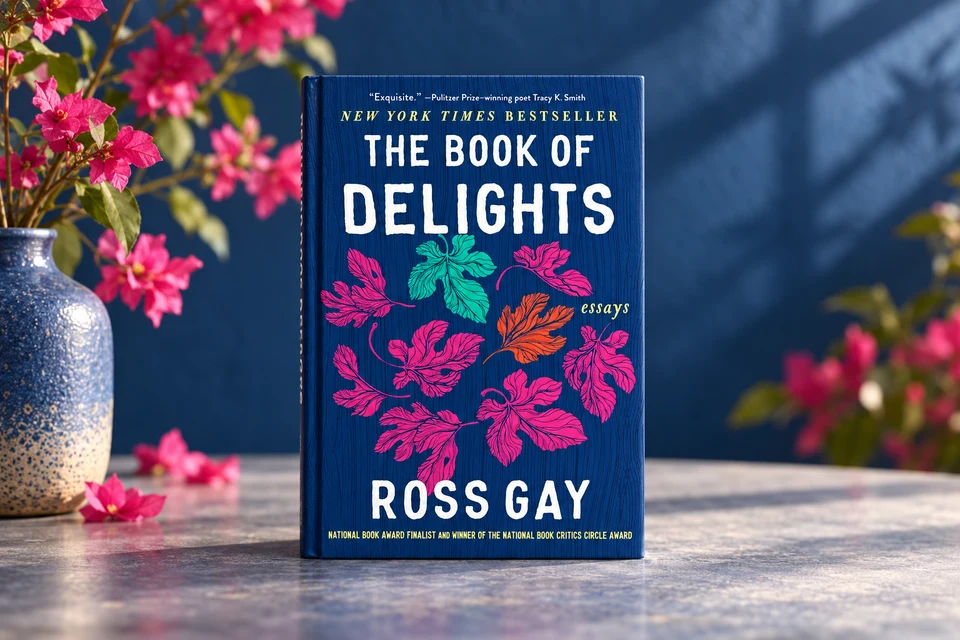
Ross Gay's brief essays make delight an act of attention shared with others. Their optimism gains force because it leaves grief, injustice, and ordinary difficulty in view.

Yoko Ogawa's island of disappearing things turns memory into a political and emotional question. Its restrained style makes the losses more disturbing than spectacle would.

John Green's five-star essays turn ordinary objects into questions about memory, responsibility, and connection. Their real force comes when the rating proves too small for the subject.
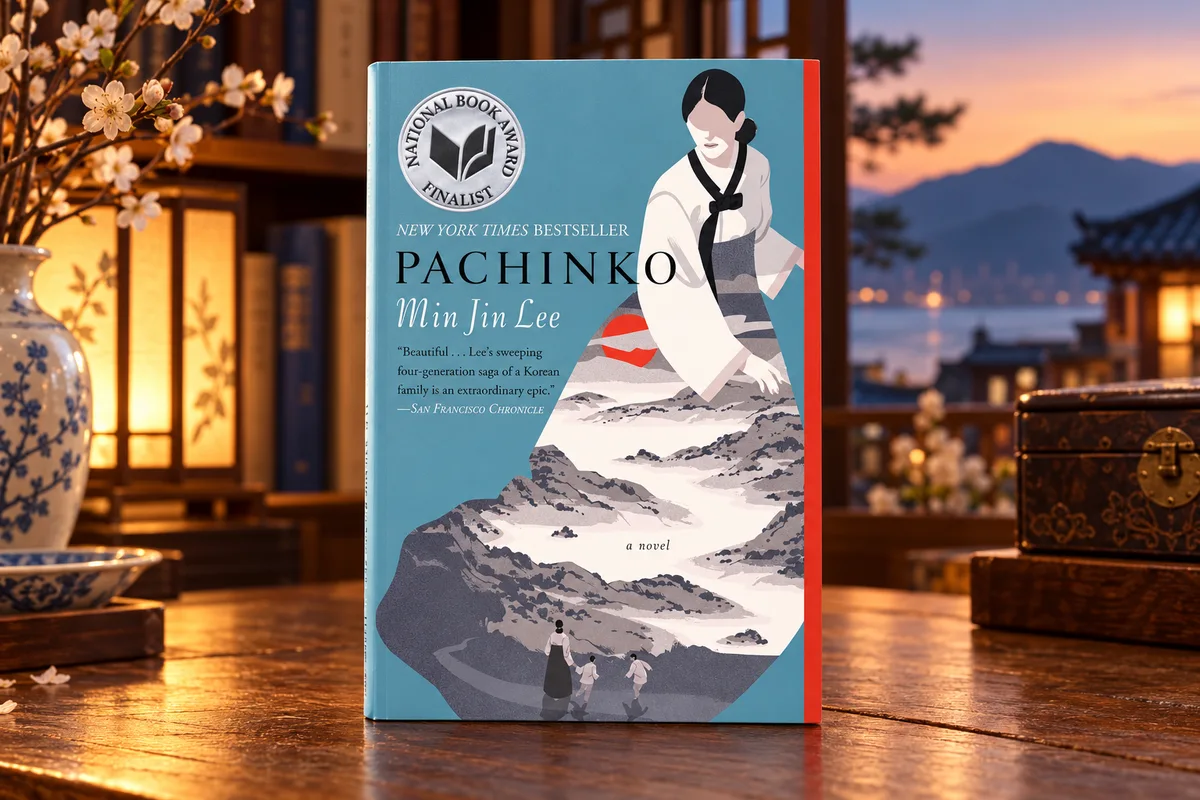
Min Jin Lee traces a turbulent century through four generations of a Korean family in Japan, where survival means not only escaping poverty but preserving dignity in a society determined to treat them as outsiders.
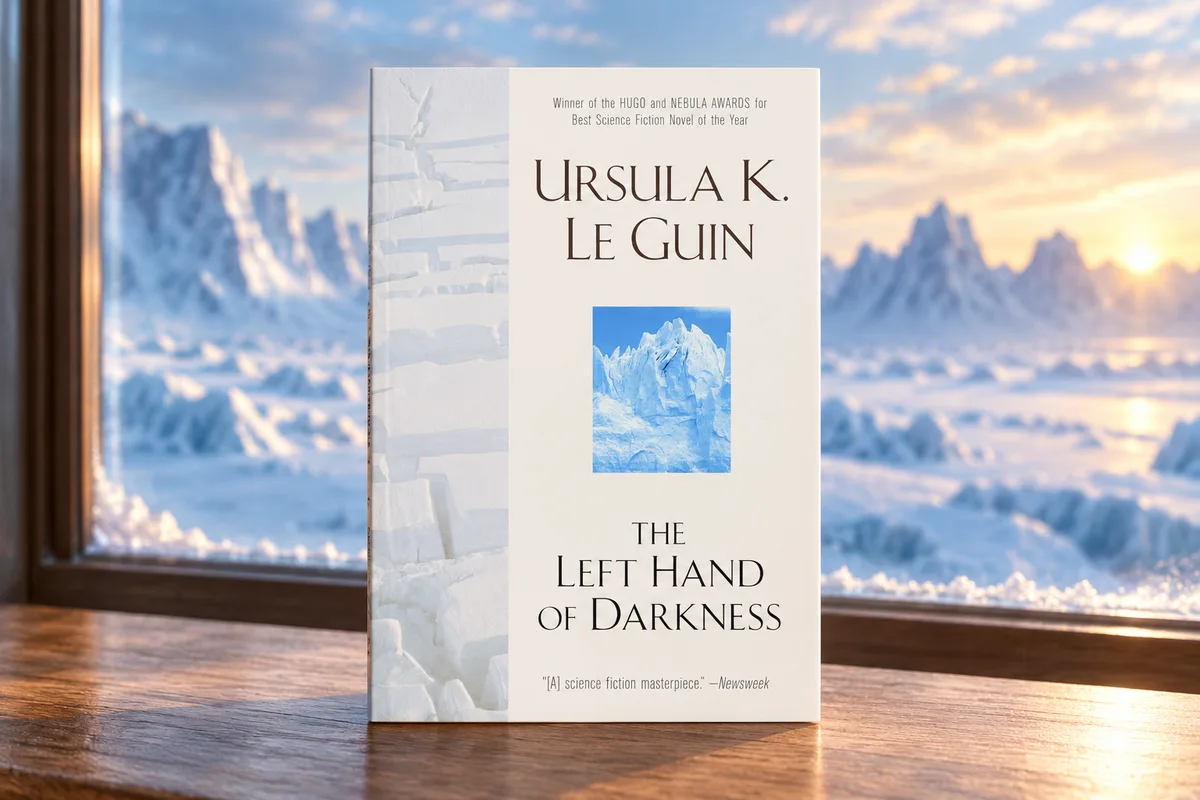
Ursula K. Le Guin uses a winter planet to dismantle familiar assumptions about gender, revealing that the greatest barrier between people may be not biology but the habit of treating one's own perspective as universal.
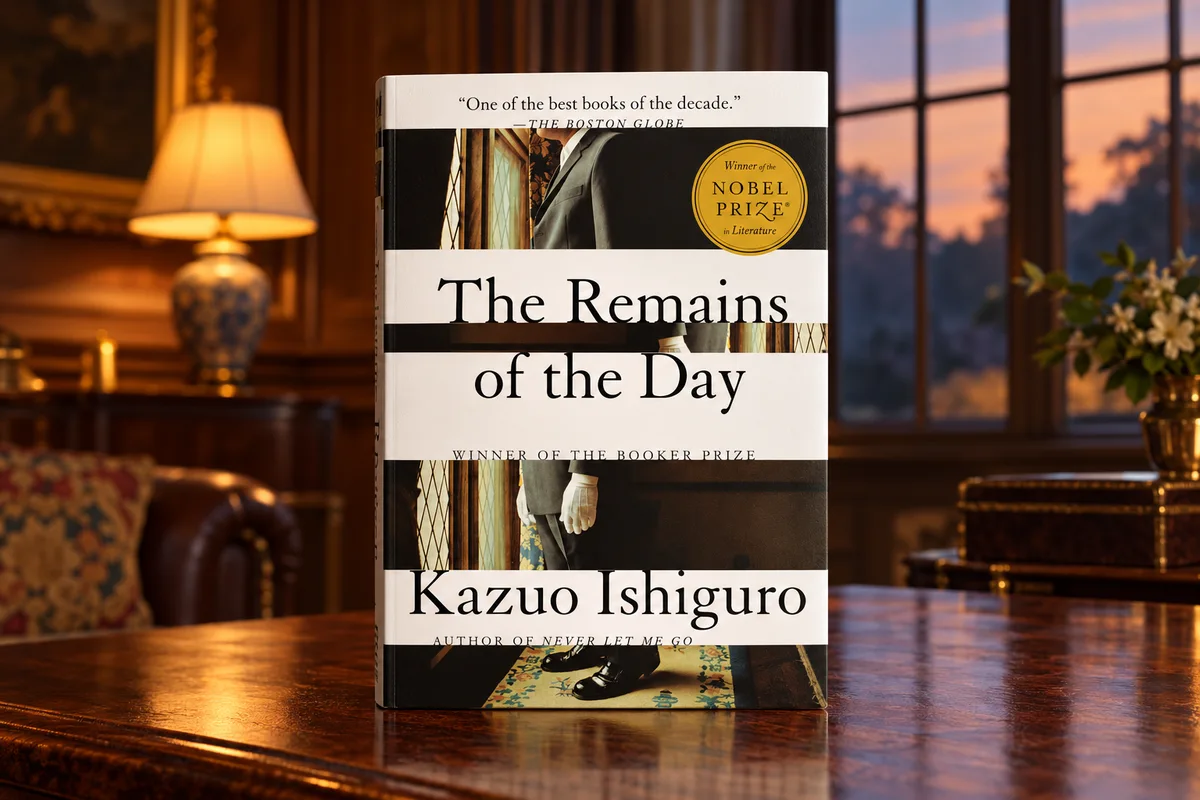
Kazuo Ishiguro follows a butler who believes dignity means absolute professionalism, then lets the silences in his memory reveal the price of surrendering judgment and refusing to name one's feelings.

Ursula K. Le Guin tests political ideals against the institutions and habits that grow around them, using two societies to make comparison itself an ethical practice.

Kazuo Ishiguro turns memory and ordinary language into instruments of moral unease, asking whether humane treatment can disguise a system that remains fundamentally unjust.