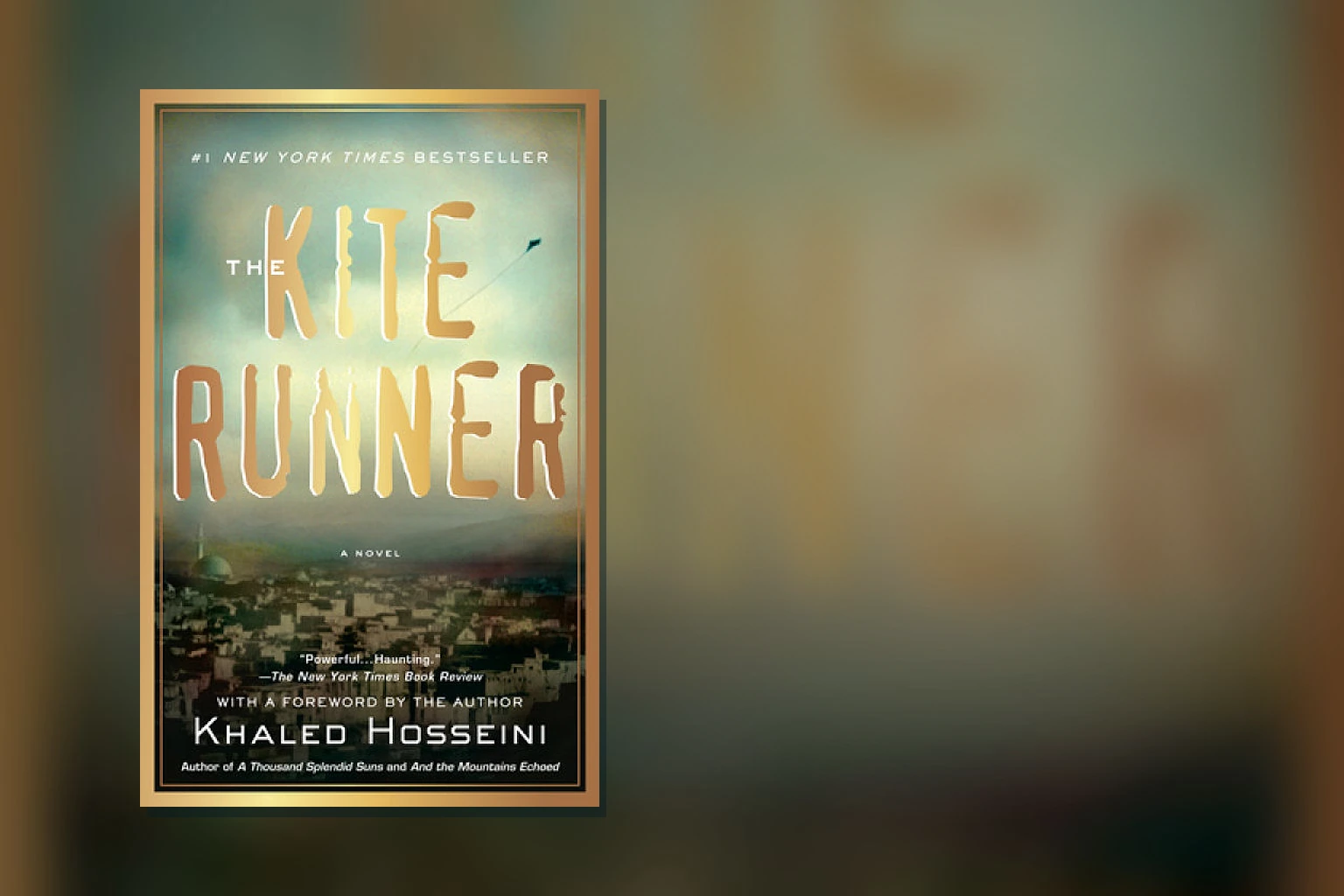
Literature & Thought · TALE24 REVIEW
The Kite Runner: Friendship After a Betrayal That Cannot Be Undone
Amir and Hassan’s friendship is shaped by loyalty and unequal status; Hosseini follows the long moral cost of a childhood betrayal.
Strong storytelling and a compelling examination of friendship, class, exile, and remorse
The Kite Runner begins with a friendship that is unequal before either boy has the words to name its limits. Amir grows up in a privileged Kabul household; Hassan is the son of his father's servant. They share games and affection, yet the difference in their positions shapes what each can expect from the other. Khaled Hosseini builds a powerful story from that contradiction. A betrayal does not simply end a childhood bond. It becomes a memory Amir carries through political upheaval, migration, and adulthood, asking whether remorse can lead to action without erasing what happened.
The kite tournament gives the novel a vivid way to join play with pressure. Amir wants his father's approval, and winning promises a moment when he might finally feel seen. Hassan's loyalty helps make that hope possible. The apparent simplicity of a contest hides a more troubling exchange: one boy's desire for recognition depends in part on another boy's devotion. Hosseini lets readers understand Amir's hunger for affection while asking them to notice the privilege that allows him to treat Hassan's support as guaranteed. That double vision is necessary to the novel's moral force.
Amir's relationship with Baba is therefore not a separate family subplot. It helps explain why Amir makes choices that wound someone who trusts him. Baba's expectations carry weight, and Amir feels that his own interests and temperament do not match the son his father wants. That fear makes a public victory unusually valuable. None of this excuses betrayal. It shows how a child can turn another person's loyalty into the price of feeling loved. The story is most compelling when it allows the reader to understand the motive and still refuse to call the act harmless.
Hassan deserves attention beyond his function in Amir's guilt. He is a friend, a person within a household structured by class difference, and someone whose own vulnerability cannot be reduced to a lesson for a privileged narrator. A review of The Kite Runner risks repeating the book's imbalance if it treats Hassan only as the reason Amir eventually becomes better. The novel invites readers to ask who gets to tell the story, whose inner life is available, and what Amir may fail to see even while remembering Hassan constantly. Those questions deepen the emotional pull rather than weakening it.
Afghanistan's history changes the scale of the boys' world. The publisher situates the story across the end of the monarchy and later upheaval, with migration reshaping Amir's life. Hosseini links private decisions to national change without making either dimension interchangeable with the other. A political crisis does not create Amir's betrayal, and personal remorse cannot explain a country's violence. Yet history changes what can be repaired. Time, distance, and danger complicate the hope that one can simply return to a childhood scene and make a different choice.
Migration also changes the meaning of home. In the United States, Amir can build a life at a distance from Kabul, but distance is not the same as release from memory. The places he has left remain active in his account of himself. The novel's movement between countries gives readers a reason to question the familiar story of escape as a clean break. New opportunities can coexist with old obligations. Amir's challenge is not to prove that he can feel guilty; it is to learn whether he can act responsibly when the life he has made no longer keeps him close to the people he wronged.
Hosseini's accessible storytelling is a major source of the book's reach. The friendship, father-son tension, and wish for forgiveness are easy to enter emotionally, even for a reader unfamiliar with the historical setting. That accessibility can become a risk if the people and places around Amir seem to exist chiefly to move him toward redemption. The best way to read the novel is to keep both responses in view: its narrative momentum is real, and so is the need to notice whose suffering gives that momentum its force. An honest review should not promise that every wound will be healed by the ending.
The book is also emotionally demanding. It contains violence and cruelty toward a child, and the consequences of betrayal remain painful long after the first section. Readers looking for a gentle coming-of-age story should know that the novel asks for much more. Its direct moral architecture may feel forceful to readers who prefer ambiguity at every turn. Yet the clarity of Amir's central wrong allows Hosseini to examine a question many novels leave vague: what can a person actually do after admitting that apology alone is insufficient?
The answer is not a simple transaction in which one brave act cancels an earlier cowardly one. Redemption, if it means anything here, must account for Hassan as a person rather than as a symbol of Amir's lost innocence. That is why the story's focus on reading and storytelling matters. Amir has the power to shape an account of the past, but narration can serve self-protection as readily as truth. The reader is invited to listen for the difference between confessing a wrong and centering oneself in the confession. Hosseini makes that distinction emotionally legible through a plot that continues to move.
The Kite Runner became a widely read contemporary classic because it gives personal stakes to questions of friendship, class, fathers and sons, exile, and responsibility. Its popularity should not obscure its uncomfortable center. Amir's longing to be loved is recognizable; the cost of pursuing that love falls unevenly. Readers who want a novel with a strong story and a moral problem that stays active after the final page will find a reason to pick it up. The most useful question to carry into it is not whether Amir deserves forgiveness, but what it means to take another person's hurt seriously when the past cannot be rewritten.
EDITOR’S VERDICT
Tale24’s assessment
Strong storytelling and a compelling examination of friendship, class, exile, and remorse
Points to considerViolence toward a child and direct emotional intensity may be difficult for some readers
Best for: Readers of emotionally powerful contemporary fiction about friendship and responsibility
Editorial method: This is an independent assessment informed by the work and its official supporting information. AI tools may assist the drafting process; Tale24 reviews and takes responsibility for everything it publishes.