
Literary Fiction
Beloved: Freedom Cannot Bury What Slavery Took
Sethe has escaped slavery, yet Morrison’s haunted household asks what freedom means when memory, loss, and historical violence remain present.
TALE24 TOPIC

Amir and Hassan’s friendship is shaped by loyalty and unequal status; Hosseini follows the long moral cost of a childhood betrayal.
Read the featured review46 essays and reviews
Sethe has escaped slavery, yet Morrison’s haunted household asks what freedom means when memory, loss, and historical violence remain present.

Dostoyevsky reveals the murderer early, then makes the real suspense Raskolnikov’s struggle to live with the theory used to excuse his crime.

Elizabeth and Darcy’s romance lasts because Austen makes every first impression answer to family pressure, financial security, and the limits of judgment.
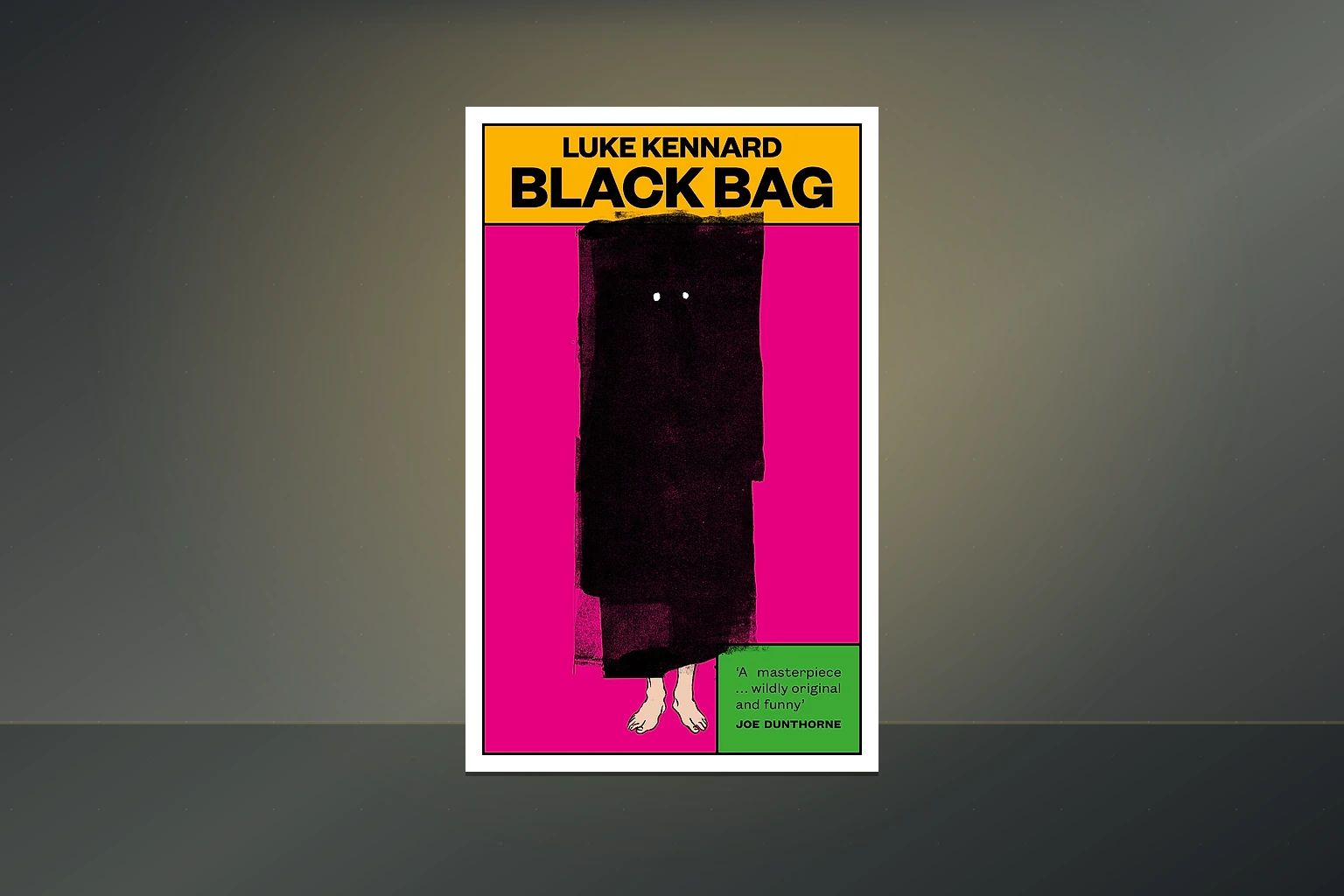
Luke Kennard’s actor sits unseen inside a bag, exposing how work, research, romance, and profit can all make use of a hidden person.
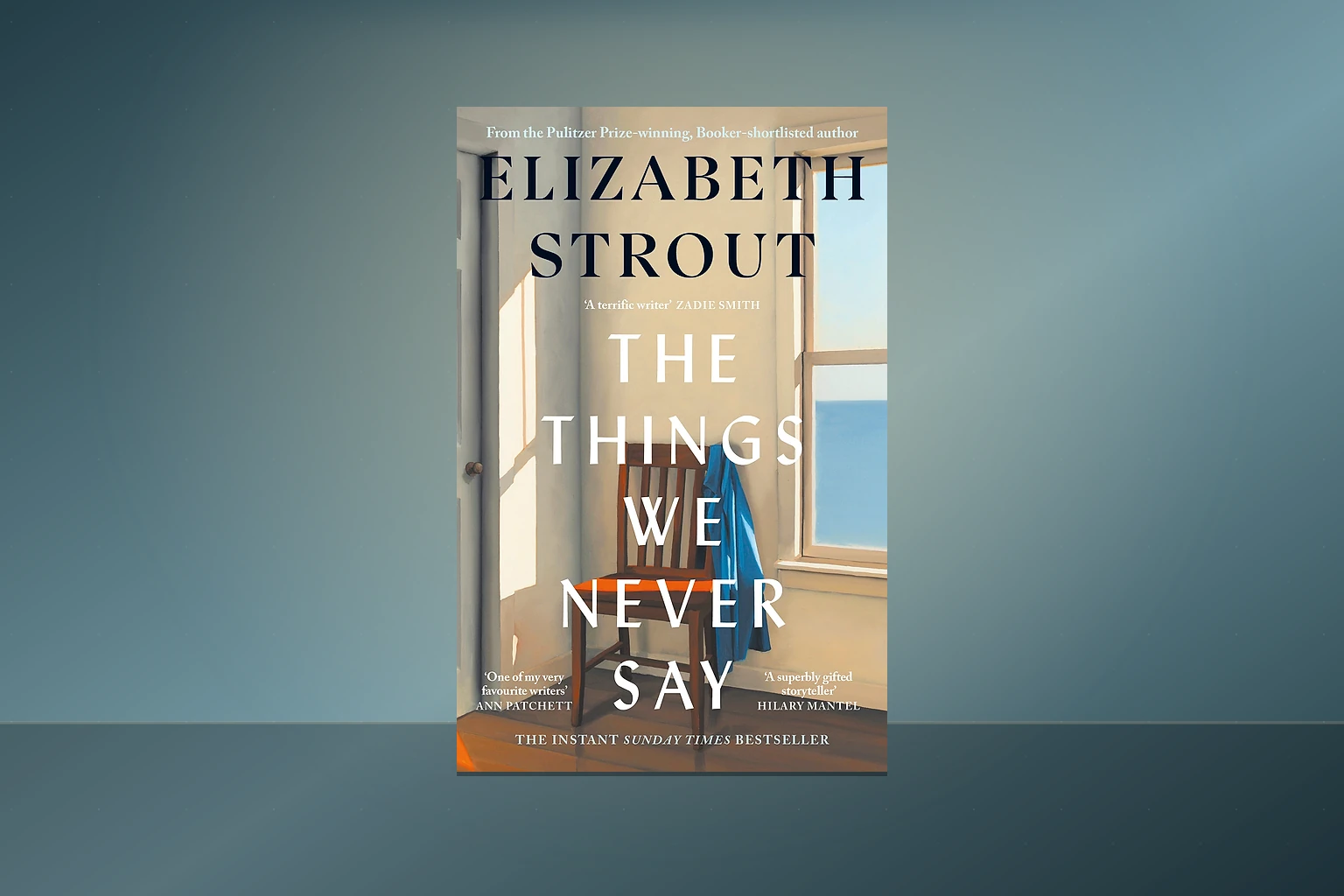
Artie Dam’s familiar routines conceal a loneliness that makes Elizabeth Strout’s novel a study of how little we know even those closest to us.

Eight gay men rehearse a play in Kingston; after an attack, Marlon James turns toward the long work of surviving and being remembered.
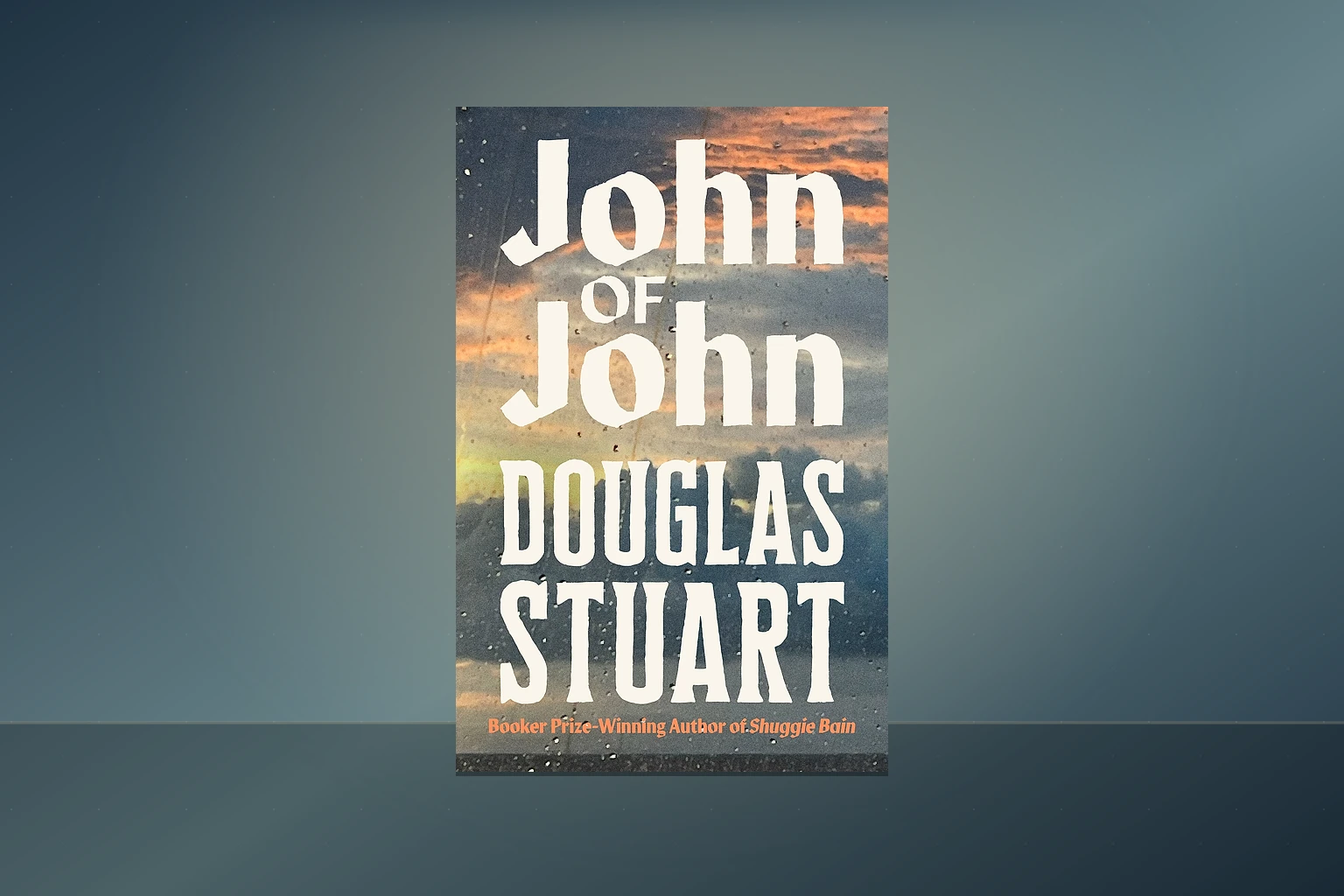
Douglas Stuart follows a young man back to the Isle of Harris, where home offers shelter while expecting him to remain who he was.
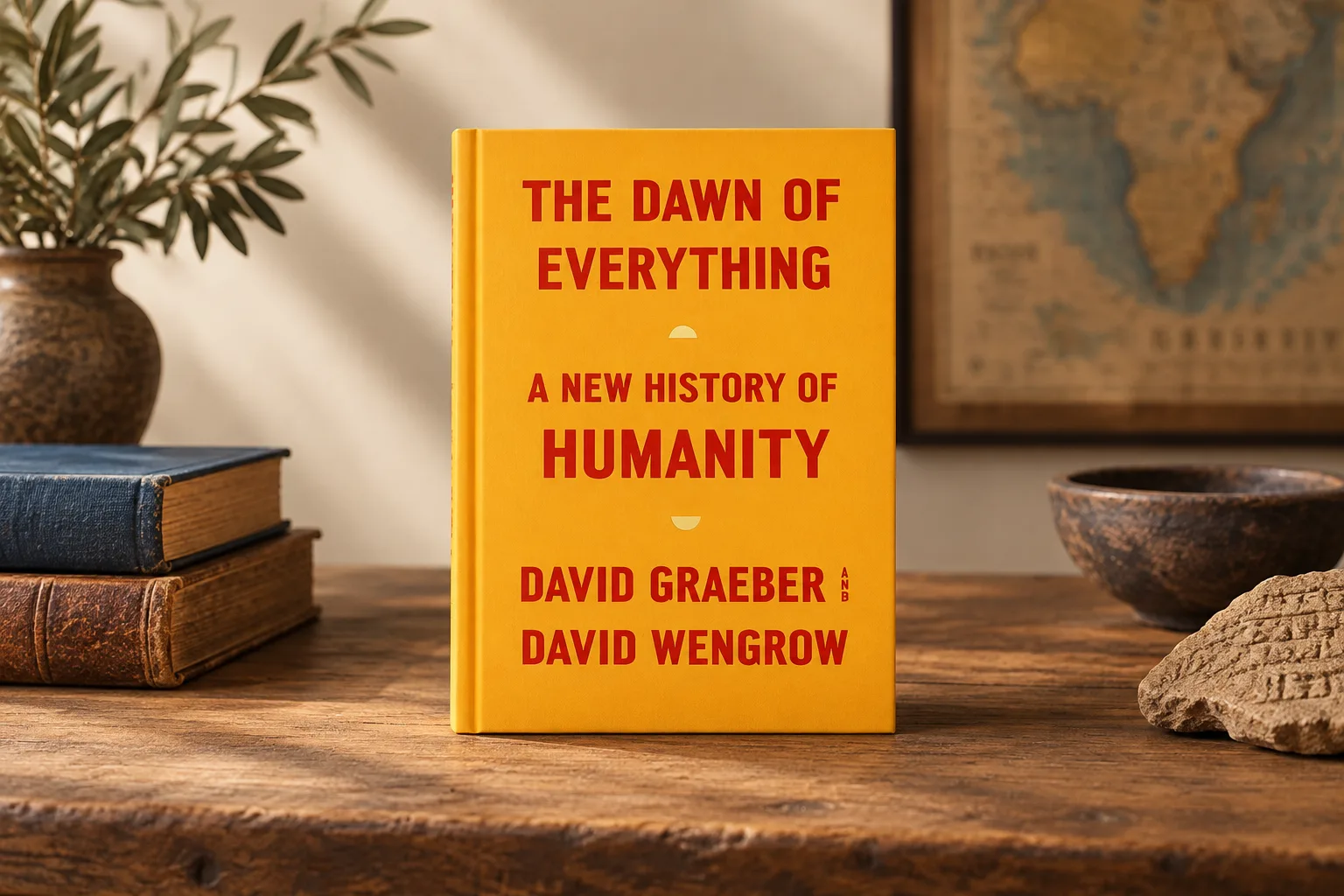
Graeber and Wengrow challenge linear stories of agriculture, hierarchy, and the state. The book’s expansive synthesis makes past political experiments vivid, while leaving an important question: do diverse cases prove a new master narrative, or open history to more local explanations?
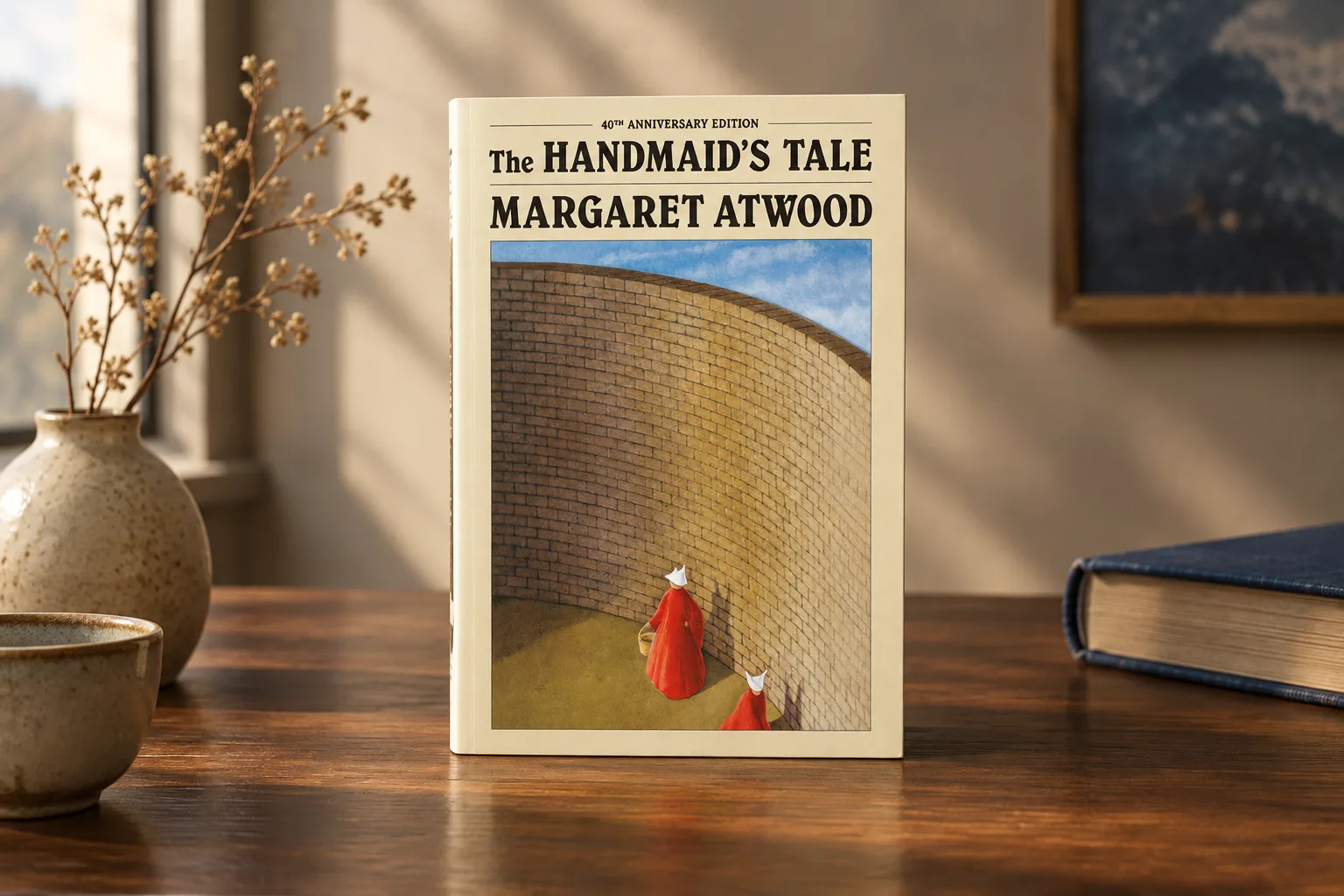
Margaret Atwood’s dystopian classic makes a woman’s testimony the center of its story, then ends by asking who controls that testimony once it enters the archive. Offred’s intimate, partial account reveals how power reaches everyday life—and how later institutions can preserve a voice while reframing its meaning.