Literature & Thought · TALE24 REVIEW
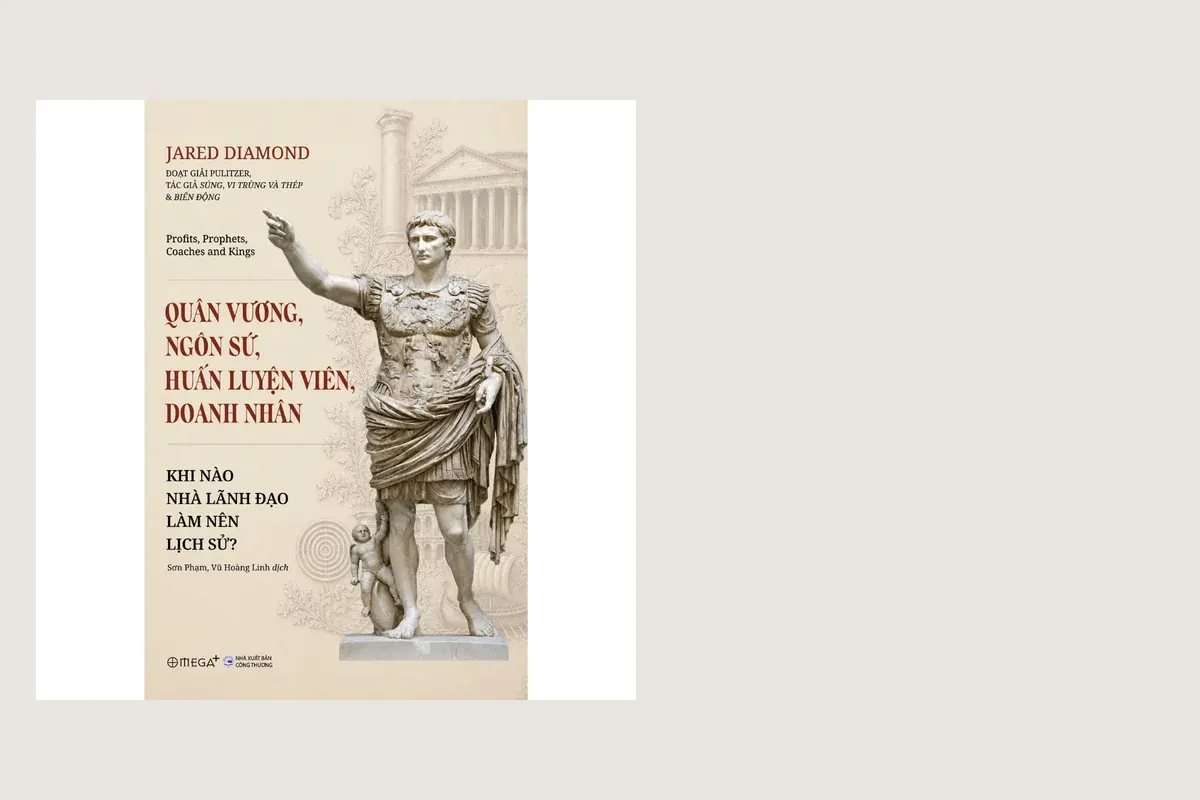
When Do Leaders Make History? Rethinking the Power of Individual Leadership
A cross-disciplinary look at how political rulers, prophets, coaches, and entrepreneurs can redirect institutions—and where leader-centered explanations fall short.
The cross-disciplinary framework makes it easier to compare different forms of authority and influence.
Questions about leadership often swing between two extremes. One view treats history as the product of vast social forces; the other credits exceptional individuals with changing everything. Jared Diamond's inquiry is most useful when it keeps both possibilities in view. By comparing political rulers, religious prophets, sports coaches, and business leaders, the book asks when a person's choices genuinely alter the path of a group or institution.
The comparison across fields is the book's main strength. A monarch may command armies and laws, while a coach works through training, trust, and a shared competitive culture. An entrepreneur can reallocate capital and talent; a prophet may reshape the moral language through which a community understands itself. Placing these figures side by side reveals that leadership is never a single skill. Authority, timing, institutional capacity, and the willingness of followers all matter.
The framework also invites a necessary caution. Stories organized around prominent leaders can make structural conditions disappear. Economic pressure, technology, public institutions, and collective action often determine which options are available long before one person makes a visible decision. A persuasive account of leadership therefore needs to explain not only what the leader did, but why that action became possible and why others accepted it.
The book works best as a map of questions rather than a final theory. Readers can use its cases to compare different forms of influence, test heroic narratives, and ask how leadership outcomes should be measured. Did an organization improve only in the short term? Were the gains widely shared? Could a different person in the same position have achieved a similar result? These questions turn leadership from a celebration of personality into a more rigorous study of power, institutions, and historical circumstance.
EDITOR’S VERDICT
Tale24’s assessment
The cross-disciplinary framework makes it easier to compare different forms of authority and influence.
Points to considerA leader-centered approach can understate the role of institutions, collective action, and historical conditions.
Best for: Readers interested in leadership, history, organizational behavior, business, and political thought
Editorial method: This is an independent assessment informed by the work and its official supporting information. AI tools may assist the drafting process; Tale24 reviews and takes responsibility for everything it publishes.