Literature & Thought · TALE24 REVIEW
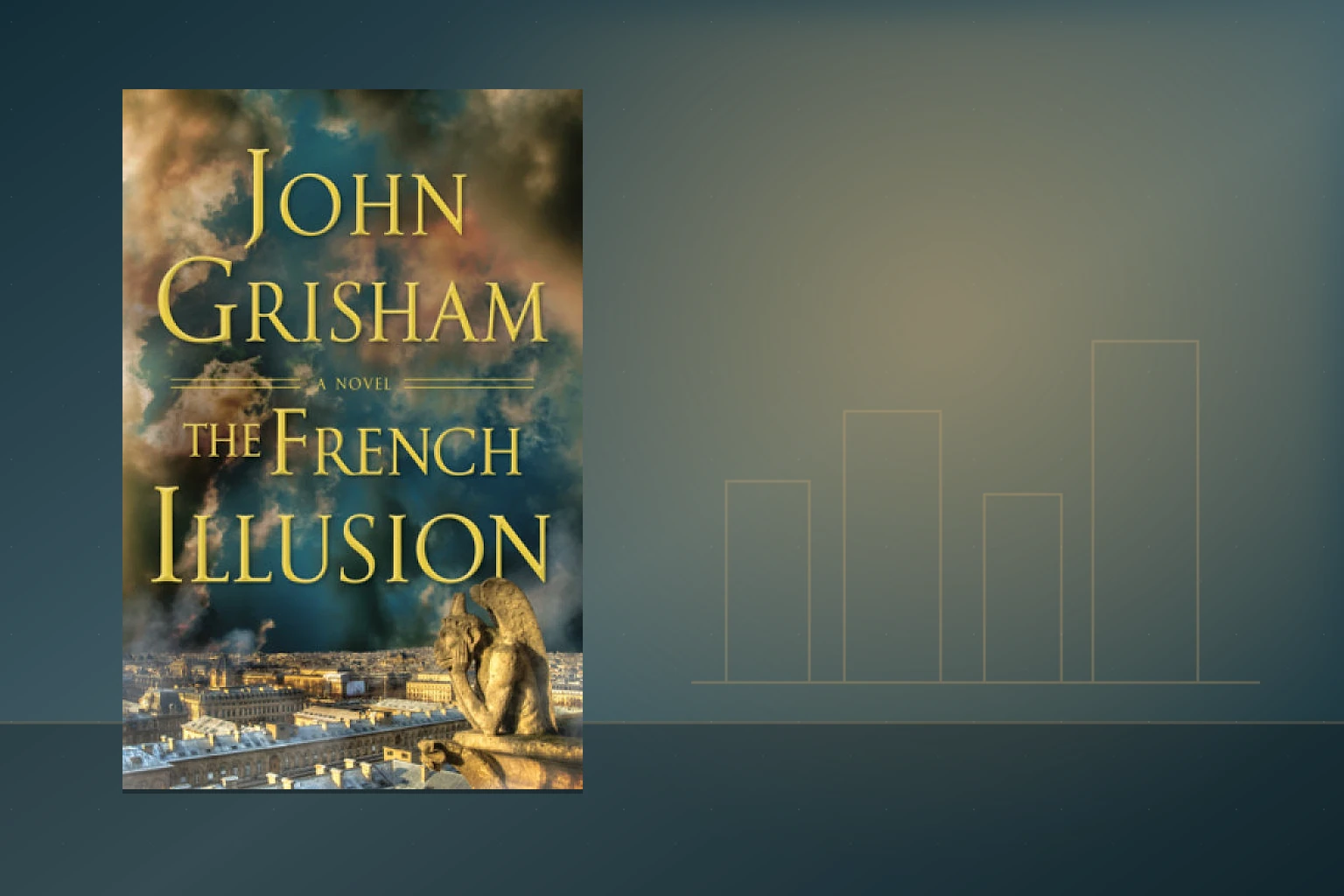
The French Illusion: When a Honeymoon Becomes an Intelligence Trap
A Paris honeymoon becomes a cross-border kidnapping case, and Grisham asks what happens when a private crisis enters the logic of espionage.
Clear international stakes and a striking shift from honeymoon to espionage
The French Illusion begins with a cruel reversal of the honeymoon story. Paul and Chelsea Tanner travel to Paris as newlyweds, with a future that seems newly open. A day trip into the French countryside ends in their kidnapping. The premise makes a familiar travel fantasy feel suddenly fragile: the freedom to move, explore, and trust strangers disappears when someone else controls the route. John Grisham then widens the frame. The couple's disappearance is not an isolated crime, and the search draws the FBI, CIA, and French intelligence into the same investigation. A private crisis becomes an international operation.
That expansion is the novel's most interesting promise. A kidnapping thriller can focus entirely on whether its victims get home. Grisham's setup also asks what happens when the people trying to help have different obligations. A spouse wants an answer immediately. An investigator wants evidence that will hold. An intelligence agency may want to identify a larger network or protect a source. These goals can overlap without ever becoming identical. The publisher's description does not disclose how the agencies handle those tensions, and a review should not manufacture a resolution. The premise itself, however, is enough to make the question urgent: whose definition of success governs an operation built around missing people?
The presence of a young lawyer sharpens that question. According to the publisher, the lawyer is recruited as bait in an elaborate CIA operation. The word bait matters because it reduces a trained professional to a position of exposure. Legal work normally suggests argument, procedure, and a chance to challenge an account of events. Bait has no such control over the moment when danger arrives. Grisham, whose reputation rests largely on legal fiction, brings a figure associated with evidence and rules into the less transparent world of espionage. Readers may come for the chase, but the setup invites them to think about what professional judgment can do when a mission depends on uncertainty.
The French setting is more than an attractive backdrop to the story's opening. A honeymoon abroad carries a particular confidence: the travelers can be outsiders because they expect their unfamiliar surroundings to remain welcoming. Once Paul and Chelsea are taken, unfamiliarity changes meaning. Language, geography, and jurisdiction may all complicate the search. None of that requires us to imagine a specific chase scene or secret passage. The verified premise already joins tourism's sense of possibility to the vulnerability of being far from home. It is an efficient way to turn a widely recognizable experience into the source of suspense.
Grisham also has room to make the cross-border investigation more than a parade of acronyms. Three named agencies imply different chains of command and different ideas about what information should be shared. In a thriller, coordination can create momentum, while hesitation can create danger. Yet the most useful tension is not simply whether officials are competent. It is whether a case can retain its human center as it acquires strategic importance. Paul and Chelsea are the reason for the search; a widening operation risks making them pieces of a larger puzzle. A strong version of this story would keep that imbalance visible even while its plot accelerates.
The title adds a suggestive layer without giving away a mystery. An illusion can be a deliberate deception, but it can also be an expectation a person brings to an experience. The Tanners' imagined honeymoon and the reality of their predicament sit on opposite sides of that word. So might the belief that an official plan is necessarily safer than personal improvisation. These are interpretive possibilities, not claims about a hidden twist. The useful question for a reader is how the novel turns apparently reliable surfaces into things that have to be tested: a beautiful destination, an institutional promise, or an account offered at exactly the right time.
The book arrives with a commercial thriller's clear invitation. Doubleday published it in September 2026, and the publisher presents it as a 352-page spy suspense novel. Grisham has said that espionage writers including John le Carré, Ken Follett, Robert Ludlum, and Len Deighton influenced him. That lineage suggests an interest in hidden motives and competing loyalties, although this book must be judged on the choices it makes for itself. It is useful context for readers who know Grisham chiefly through courtrooms. The emphasis here shifts from a case argued in public to an operation whose crucial decisions may occur out of view.
There is a potential cost to such a large setup. International agencies, repeated crimes, and a carefully staged bait operation can crowd out the people whose lives make the stakes matter. A reader looking for a close portrait of marriage under pressure may find a plot-driven thriller less satisfying than a quieter novel. The publisher's description also leaves much of the book's execution undisclosed, so no honest preview can promise that every strand earns its place. This is a limitation worth keeping in mind rather than filling the gap with confident claims about surprises or an ending.
What makes The French Illusion appealing is the way its simple opening keeps generating harder questions. A honeymoon is supposed to belong to two people; a kidnapping brings strangers into their most intimate plans; an intelligence operation may ask another person to step into danger for reasons they cannot fully inspect. Each change of scale tests the distance between trust and control. The novel should suit readers who want a brisk international thriller with a legal professional caught inside the machinery of espionage. Its most promising suspense lies not only in who committed the crime, but in what it takes to find the truth without losing sight of the people at its center.
EDITOR’S VERDICT
Tale24’s assessment
Clear international stakes and a striking shift from honeymoon to espionage
Points to considerThe broad agency plot may offer less intimacy than some readers want
Best for: Readers of international spy thrillers and Grisham’s legal fiction
Editorial method: This is an independent assessment informed by the work and its official supporting information. AI tools may assist the drafting process; Tale24 reviews and takes responsibility for everything it publishes.