Literature & Thought · TALE24 REVIEW
The Things We Never Say: The Strangeness of a Familiar Life
Artie Dam’s familiar routines conceal a loneliness that makes Elizabeth Strout’s novel a study of how little we know even those closest to us.
Precise attention to ordinary routines, loneliness, and the limits of knowing others
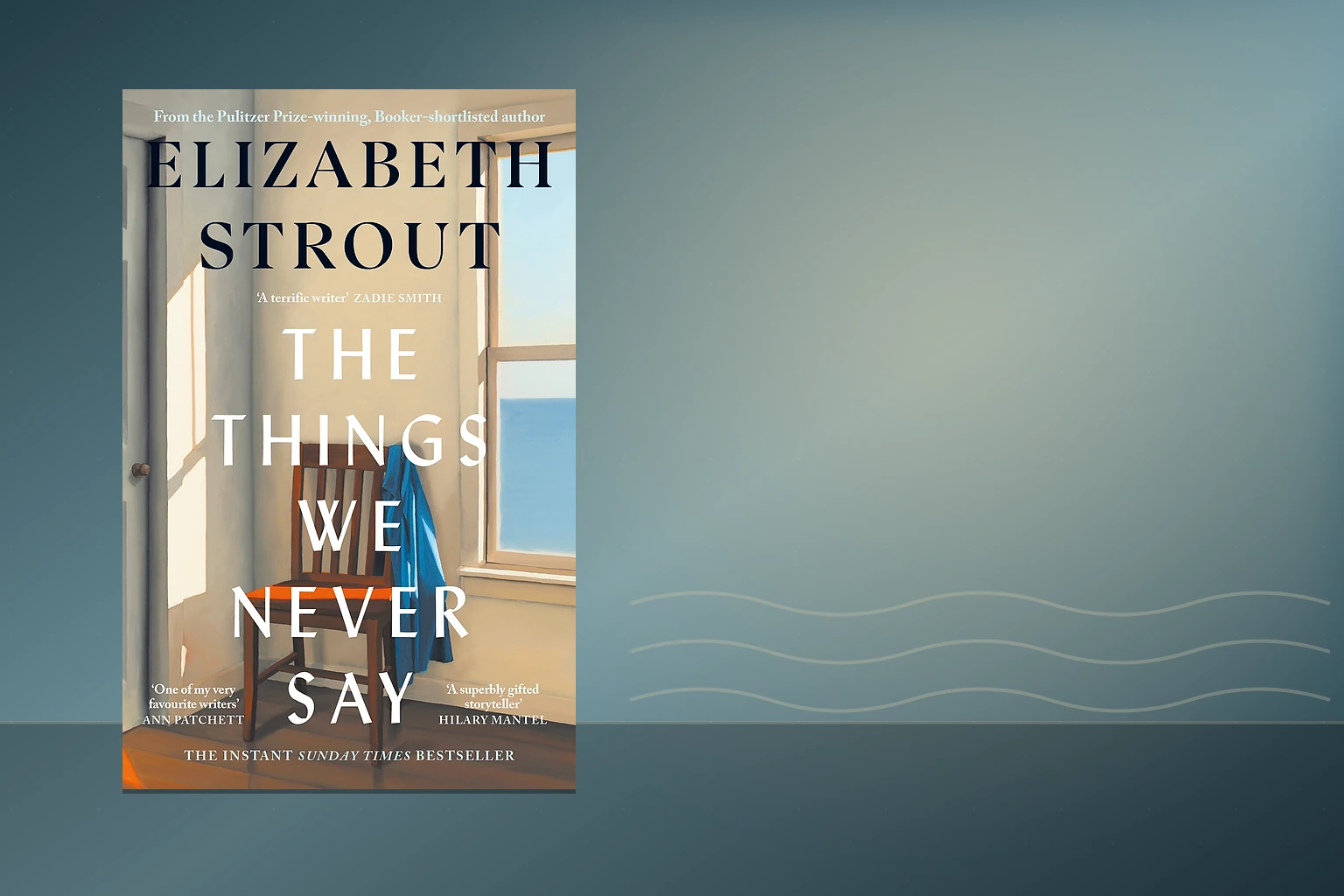
Elizabeth Strout's The Things We Never Say begins with a man whose life can be described easily from the outside. Artie Dam teaches high school history in a coastal Massachusetts town. He has been married for three decades, talks with neighbors, attends holiday parties, and sails on the bay at weekends. None of those facts is false. Together, however, they create a reassuring portrait that Artie himself cannot fully inhabit. He feels isolated, and a secret he later learns threatens to change how he understands the people closest to him. Strout's subject is the distance between an accurate description and a known person.
The ordinary details are crucial to that distance. Teaching, marriage, and local routine give Artie visible roles. They also make it easy for others to believe they know what his days mean to him. A history teacher may be especially alert to the gap between a public account and the private lives that account compresses. The available description does not say that Artie teaches this lesson directly, so the parallel is interpretive rather than a plot fact. It explains why the character's profession feels well chosen for a story about how little one person can truly establish about another.
Artie's kindness to students is part of the same puzzle. According to the Booker Prize's description, he corrects casual cruelties and offers encouragement where it is needed. Such gestures matter, and the novel need not expose them as a disguise simply because Artie has a secret. Goodness and loneliness can occupy the same life. A person may be generous in a classroom and still unable to ask for what he needs at home. Strout's premise refuses the familiar shortcut by which a hidden inner world cancels every visible act. It asks readers to consider both what others receive from Artie and what remains inaccessible to them.
The marriage offers an even more difficult version of the question. Thirty years together can produce a deep knowledge of routine: a spouse's habits, moods, preferences, and repeated stories. It cannot guarantee access to every fear or buried memory. When Artie learns that life has kept something from him, the important question is not simply what was hidden. It is how a new fact changes the weight of all the older facts. An evening at a party or a familiar trip on the water may remain exactly as it happened while acquiring a different meaning. The publisher withholds the central revelation, and this review should preserve it.
Strout has said that an old obituary helped her imagine Artie. She was struck by the ordinary kindness she thought she saw in a man's face. Another inspiration came from a story about a man rescued from the water off Massachusetts. These origins fit a novel interested in how a brief glimpse of someone can produce both care and speculation. An obituary offers a compact public life; a rescue presents a stranger at a moment of extreme need. Neither tells a complete story. The creative move is to resist pretending that one image, however moving, settles who a person was.
The sea in Artie's routine gives the premise another useful tension. Sailing can suggest freedom and solitude at once. A person may leave shore to feel capable and still return with the same unanswered questions. It would be misleading to assign a specific symbolic scene to the book without evidence, but the verified setting invites this reading. Massachusetts Bay is a place Artie chooses to enter on weekends, unlike the emotional distance that seems to follow him through ordinary social life. The contrast makes isolation less a matter of physical separation than of what he and others can say to one another.
The Booker judges describe Strout's prose as understated and her subject as the cracks in family life and the contemporary world. Understatement is a meaningful choice for such material. Secrets can invite melodrama, with a single disclosure made to explain every feeling that came before. A quieter style can keep people resistant to that explanation. Even after a revelation, Artie may have to live with uncertainty about motives and memories. Strout's premise suggests that knowledge is not the same as mastery: learning something important about a loved one may make that person more complex, not more easily judged.
The novel's attention to grief and friendship, noted in the official description, extends its interest beyond a marriage. People often ask friends to witness what families cannot name, yet friendship has limits of its own. A good friend can offer company without possessing a complete account of another's life. That may sound modest, but it is an ethic the story appears to take seriously. If the novel offers comfort, it is unlikely to come from perfect transparency. It may come from being willing to remain present when another person's feelings cannot be neatly explained.
Readers looking for dramatic incident on every page may find this kind of fiction slow. The plot setup is built around an unsettling secret, yet its strongest interest seems to lie in the ordinary days that make the secret matter. There is also a risk that any novel about unknowability can turn withholding into an easy air of profundity. Strout's achievement must be measured by the specificity she gives Artie and those around him, not by the fact that every person has mysteries. The Booker shortlist recognizes the book, but an award is no substitute for noticing the precision of its premise.
The Things We Never Say is suited to readers who enjoy close observation, family tension, and moral questions that resist a single verdict. Artie is not interesting because his outward life is a lie. He is interesting because it is real and incomplete. Strout asks what love can become when familiarity no longer feels like certainty. Her novel's invitation is to look again at a teacher, spouse, or neighbor and recognize that the visible life deserves attention precisely because it cannot disclose everything.
EDITOR’S VERDICT
Tale24’s assessment
Precise attention to ordinary routines, loneliness, and the limits of knowing others
Points to considerIts quiet pace may frustrate readers seeking frequent plot turns
Best for: Readers who value close observation and emotionally complex family stories
Editorial method: This is an independent assessment informed by the work and its official supporting information. AI tools may assist the drafting process; Tale24 reviews and takes responsibility for everything it publishes.