Literature & Thought · TALE24 REVIEW
Passport: How a Small Document Shapes Freedom of Movement
Read the history of the passport as a story about borders, civic identity, and the controlling capacity of the modern state.
Turning a familiar object into an evocative historical and political issue
Today's passport is so familiar that it is easy to view it as a neutral document. But looking historically, travel rights were much less standardized. The popularity of passports is associated with the process of the state building an identification apparatus, managing borders and determining who has the right to cross them.
The notable point of this topic is the shift from identifying a person to classifying their legal status. Name, photo, date of birth and nationality do more than just describe the individual; they also subject individuals to an administrative order that has the ability to permit, delay, or deny movement. So passports both open up the world and show that freedom of movement has never been equally distributed.
Tale24 argues that the best way to read passports is not to view them simply as administrative achievements or surveillance tools. It is the meeting point of security, sovereignty and individual rights. The value of the research lies in forcing readers to look at an ordinary object with a broader political question: who has the right to determine who we are and where we are allowed to go?
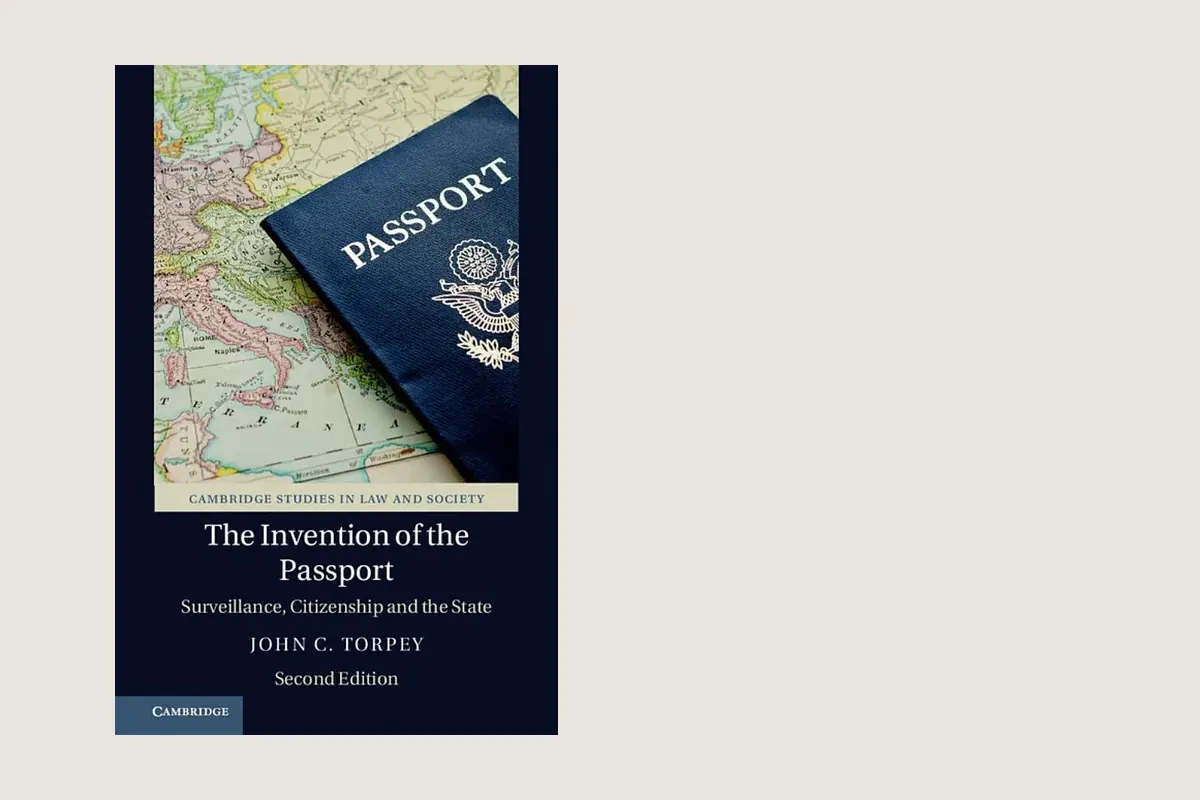
The source behind this review is John C. Torpey's *The Invention of the Passport: Surveillance, Citizenship and the State*. Cambridge University Press describes it as a historical study of identification documents and the state's authority to regulate movement. Its examples range across the United States and Western Europe, from revolutionary France and the Napoleonic period to later modern states. That geographic focus is important: the book gives a framework for understanding passport systems, but it does not by itself represent every region's history or every traveler's experience.
Torpey's argument connects identity papers to the boundaries of citizenship and to rights administered by states. This makes the passport more than a travel convenience, but it does not mean every document or border regime works identically. A careful reader can separate the general question—who has authority to classify and authorize movement—from the historically specific institutions the book documents. The distinction helps avoid turning a Western European and US case study into a universal timeline.
The topic also invites a comparison with contemporary border practices, but that comparison needs current legal and regional sources. Historical analysis can explain how categories were built; it cannot alone establish how a present-day visa, biometric system, or mobility restriction operates. Read the book as a lens on state power and citizenship, then bring in local histories and present evidence before drawing conclusions about a particular border. That keeps the political question sharp without making the source claim more than it supports.
The distinction between a document's formal purpose and its lived effect is another useful reading lens. A passport can establish identity for an official process while also placing the holder within rules that determine where they may travel and what further proof they must provide. The same system can make movement easier for some people and more difficult for others. The book's focus on state authority helps frame that asymmetry, but individual outcomes also depend on nationality, resources, and the policies of the destination state.
Readers should resist treating the history of passports as a straight line from disorder to efficient administration. Identification systems have been built and revised through political choices, and their justifications can shift with security concerns and ideas about citizenship. Asking who designed a procedure, which problem it was meant to solve, and who bears its delays makes the history more concrete than describing documents as either neutral tools or instruments of control alone.
Torpey's work is most useful as a historically grounded argument to test against other regions and present cases. It encourages a reader to see mobility as a political question, while leaving room for research on how that question has been answered in places beyond its principal focus.
The book's historical argument becomes most useful when a reader follows the administrative chain behind a document. Someone applies for identification, an authority decides which evidence counts, a record is produced, and another institution later accepts or rejects it. Each step depends on rules, resources, and discretion. This makes the passport a useful case through which to examine state capacity, but it also reminds us that a document's significance is relational: it works because institutions recognize it and because other forms of proof may not be available or accepted.
Citizenship is another part of the argument that deserves careful definition. Legal membership can connect people to rights and public services, while also determining which restrictions or obligations apply. Passport control is one visible point where these categories meet movement. But legal status does not explain every practical barrier: money, transport, disability, conflict, and unequal access to consular help can all shape mobility. A broad theory of state authorization should therefore be paired with accounts of how people encounter the process in daily life.
This also clarifies the book's limitation. Its historical cases can help readers ask better questions about a modern system, but they cannot substitute for current statutes or regional research. For a contemporary comparison, identify the rule in force, the authority applying it, and the experience of the people affected. By moving from the book's historical framework to evidence about a particular setting, readers can avoid both technological determinism and vague claims that every identity document has the same political meaning.
EDITOR’S VERDICT
Tale24’s assessment
Turning a familiar object into an evocative historical and political issue
Points to considerIt is necessary to compare the experiences of non-European regions
Best for: Readers interested in state history, borders and civil rights
Editorial method: This is an independent assessment informed by the work and its official supporting information. AI tools may assist the drafting process; Tale24 reviews and takes responsibility for everything it publishes.
KEEP READING