Literature & Thought · TALE24 REVIEW
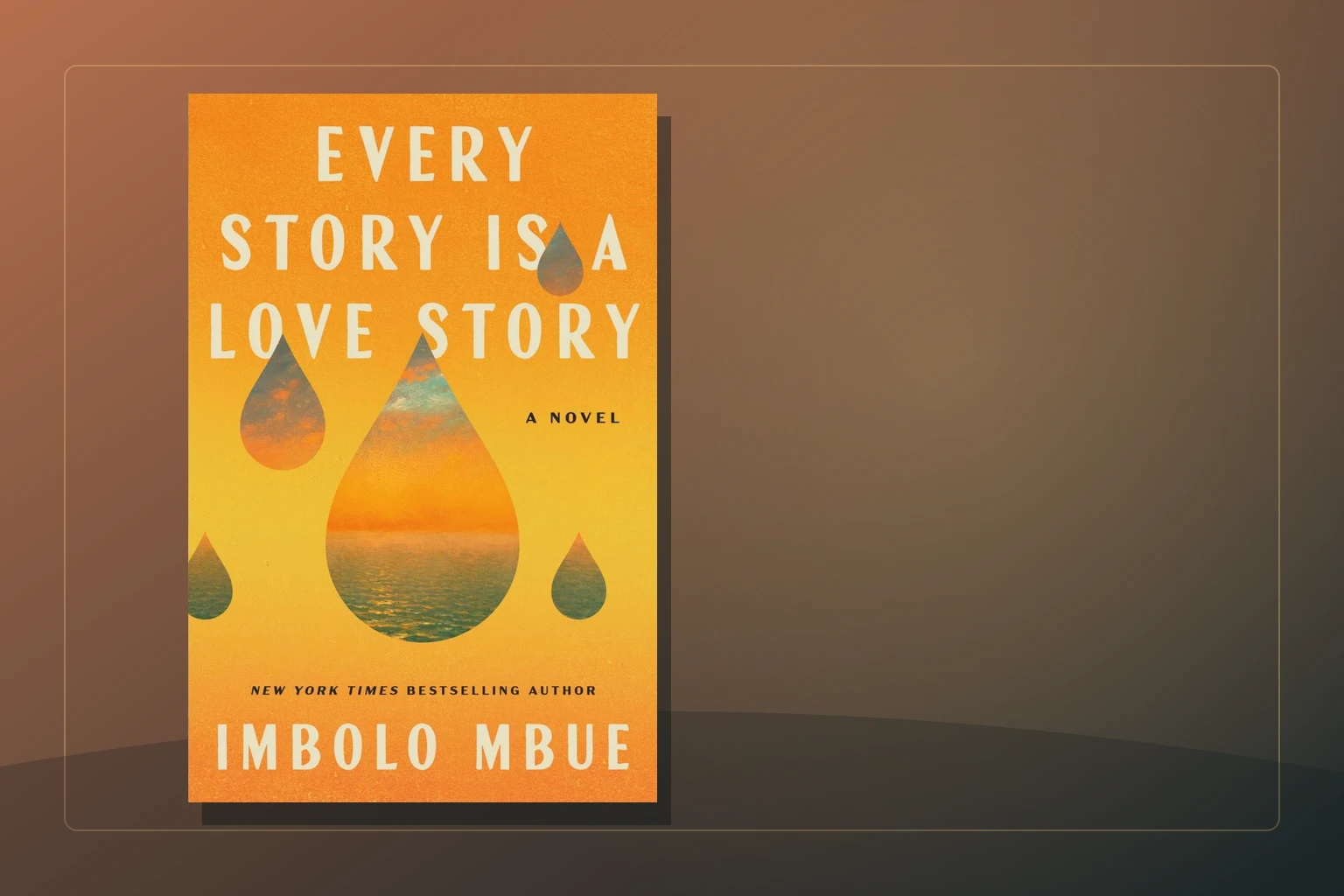
Every Story Is a Love Story: What Forgiveness Cannot Undo
Imbolo Mbue turns a letter from the woman responsible for a fatal accident into a searching inquiry about grief, accountability, and the limits of forgiveness.
A strong moral premise with room for family, migration, grief, and conflicting ideas of repair.
The title of Imbolo Mbue's Every Story Is a Love Story sounds expansive, almost reassuring. Its premise is anything but. Three years after Wolo's wife, Yoma, dies in a car accident, he receives a letter from Victoria, the woman who was driving. Victoria wants to meet him. The request interrupts a life rebuilt around work, friends, and a grief that has become less sharp without becoming small. Mbue's subject is the distance between forgiveness as a noble idea and forgiveness as an encounter with a particular person who has caused irreparable harm.
The letter is an elegant narrative pressure point. It arrives after the immediate catastrophe, when Wolo might reasonably expect to decide for himself how much of the past enters each day. It also gives Victoria a voice before he agrees to hear her in person. Neither person can control what the other will make of that voice. According to Random House's description, Wolo's relatives and pastor offer forceful advice against the meeting, while he considers it anyway. This is not an uncomplicated act of courage. It may be curiosity, anger, a need for facts, or a desire to test whether the story he has lived with can change.
Public accounts of the novel make clear that Mbue gives the loss a larger social setting. Wolo is Cameroonian and lives in New York; members of his family remain connected to Cameroon. Their responses to Victoria's letter carry concern for him, but also different ideas about what loyalty to Yoma requires. A death does not belong only to the survivor closest to it. Parents, relatives, friends, and a religious community may all claim a voice in what should happen next. Mbue's dramatic opportunity lies in letting those claims matter without allowing any one of them to decide Wolo's inner life for him.
Victoria also cannot be reduced to the role of an apology. Kirkus describes the opening as her letter and notes that the novel reveals the circumstances of her work and the accident gradually. The decision to begin with her account appears to make the reader consider remorse before deciding what remorse is worth. That is a risky arrangement. It could tilt the balance toward the person who caused the harm, asking the bereaved to perform emotional generosity on command. The more interesting possibility is that Victoria's voice complicates judgment while leaving Wolo's anger and loss fully intact.
The book's central question, then, is not whether forgiveness is good. It is what forgiveness might mean in a situation where no apology restores Yoma or the future she and Wolo expected. Does meeting Victoria release Wolo from a fixed story of blame, or does it impose another burden on him? Can Victoria's remorse be sincere while still serving her need to feel absolved? These questions matter because they make moral language less comfortable. Forgiveness can be a gift, a refusal, a process, a boundary, or a word that arrives too early. Mbue's premise asks readers to distinguish among them.
The novel also seems concerned with the tyranny of counterfactual thinking. Random House introduces Wolo's situation through the familiar questions people ask after an accident: what if someone had left a few minutes earlier, or taken another route? Such questions promise a world in which a small adjustment cancels catastrophe. In practice, they can keep a survivor circling an event that cannot be altered. Victoria's letter introduces a second counterfactual: what if Wolo had never heard from her? Meeting her may answer a factual question while creating emotional ones he did not know he had.
Mbue's earlier fiction has often placed intimate hopes within economic and social structures. Here, the scale of the premise is close and personal, yet the surrounding web of family, migration, faith, and work prevents it from becoming a sealed two-person exercise. Wolo's ordinary routines matter. Going to work and seeing friends after Yoma's death do not prove that he is finished grieving; they show how a life can continue while its meaning remains contested. Victoria's reappearance tests that arrangement, but the book's richest promise is its attention to the lives that existed before and around the accident.
There is a possible limitation in any novel driven by a morally charged meeting. Readers may feel guided toward an answer, especially if a dramatic revelation or generous gesture seems to demand a response. Kirkus indicates that the plot takes a surprising turn involving an offer from Victoria. That kind of turn can sharpen the question of what reparation means, but it can also draw attention away from the quieter fact that no exchange makes the loss proportionate. A reader who prefers ambiguity should watch how the novel handles that pressure, rather than expect a simple redemption story.
The publisher calls this a novel about moving from heartbreak toward healing. That is a fair invitation, but it should not be mistaken for a guarantee of comfort. Yoma's absence is not a puzzle piece to be fitted into Wolo's development, and Victoria's remorse cannot be measured by how quickly he accepts it. The premise is strongest when it treats both people as accountable to a reality neither can reverse. Love, in this sense, does not mean excusing injury. It means recognizing how many relationships and duties remain after a terrible event has changed them.
Every Story Is a Love Story looks especially suited to readers who value character-led fiction and questions that resist a courtroom verdict. Its hook is immediate, but its significance rests in the long aftermath: the advice Wolo receives, the story Victoria tells, and the freedom each person has or lacks to move beyond one day. Mbue invites us to ask whether healing can begin without agreement about what happened or what is owed. The novel's title becomes more searching than sentimental when love includes grief, responsibility, and the courage to leave an easy answer behind.
EDITOR’S VERDICT
Tale24’s assessment
A strong moral premise with room for family, migration, grief, and conflicting ideas of repair.
Points to considerA dramatic turn around reparation may feel too directed for readers who prefer open-ended moral fiction.
Best for: Readers of character-led literary fiction interested in grief, family pressure, and difficult forgiveness.
Editorial method: This is an independent assessment informed by the work and its official supporting information. AI tools may assist the drafting process; Tale24 reviews and takes responsibility for everything it publishes.