Literature & Thought · TALE24 REVIEW
The Guest List: A Wedding Built on Secrets
Lucy Foley turns an island wedding into a closed circle of old grievances and new suspicions. The celebration’s carefully managed appearance makes the approaching disorder more unsettling.
The remote island and formal wedding create a strong closed-circle premise with social tension built into every relationship.
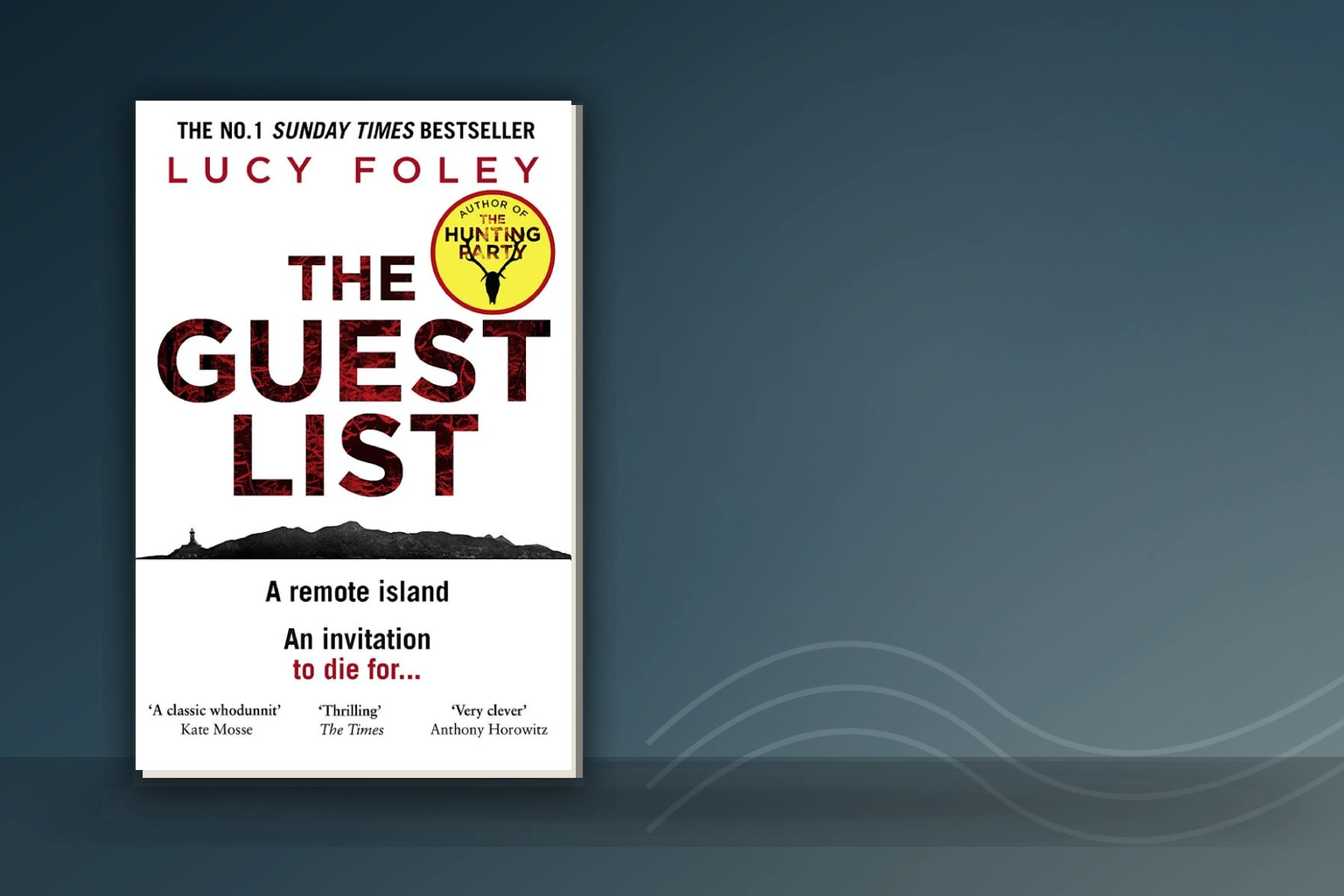
A wedding asks its guests to participate in a public story: two people begin a shared future, and everyone gathered is expected to celebrate. Lucy Foley's The Guest List makes that demand for agreement the foundation of its suspense. Jules Keegan and Will Slater bring family and old friends to an island off the Irish coast. The setting promises an exceptional occasion, but grudges, jealousy, and private histories arrive with the invitations. A guest is found dead, and a storm leaves the party cut off. The premise turns a ritual of social harmony into a closed circle of suspicion, where the polite version of every relationship suddenly seems incomplete.
The wedding is a particularly effective frame for a mystery because it compresses people who might otherwise keep their distance. A guest list is supposed to name a community of affection. In practice it can place former intimates, uneasy relatives, and people with conflicting memories of the past at the same table. The official description emphasizes old friends and hidden grievances, giving the celebration a second, less visible program. Guests have come to honor the couple, but they have also brought their own accounts of who the couple and one another used to be. Suspense grows from the difference between the event's polished surface and that unsettled archive.
The island sharpens that contrast. As a destination, it can make a wedding feel exclusive, removed from daily obligations and carefully staged for memory. As the site of a death and a storm, the same isolation becomes a constraint. Travel and weather are no longer romantic details; they determine who can leave and how quickly outside help might arrive. This is the familiar machinery of a closed-circle mystery, but it has a social logic here. The guests chose to gather in a place that briefly makes them a world unto themselves. When danger appears, that deliberate closeness becomes a trap.
The question of appearance matters as much as the practical question of escape. Weddings are photographed, spoken about, and remembered through agreed-upon moments. Even a strained relationship may look uncomplicated in a toast or a posed image. Foley's premise makes such public gestures feel unstable. A smile can be sincere without telling the whole story; an old acquaintance may carry knowledge that does not belong in the official account of the day. The effect is not to declare every guest a liar. It is to show how a celebration can require selective attention, and how a crime forces people to inspect what they had been encouraged to leave unspoken.
The presence of a body changes the meaning of the guest list itself. Before the crime, it organizes seating, welcome, and belonging. Afterward, it defines the group from which suspicion cannot easily escape. That transformation is central to the whodunit tradition. A bounded set of people allows readers to compare motives and relationships without letting the story expand indefinitely. Here the boundary is also emotional: everyone has been invited into an occasion with a shared public purpose. The possibility of violence within that circle unsettles the comforting assumption that an invitation implies trust.
The publisher describes the novel as both a classic whodunit and a contemporary psychological thriller. Those labels suggest two related pleasures. The whodunit invites a reader to ask what happened and to weigh competing possibilities. Psychological suspense asks why a person might keep a grievance alive beneath years of ordinary social contact. The wedding brings these modes together. Clues may matter, but so do the stories people tell about their relationships and the reasons they might prefer one account to another. The best use of the premise is to make the solution feel connected to a network of human pressures rather than detached from it.
Atmosphere carries a substantial share of the work. An island off a windswept coast and a gathering held under worsening weather provide a clear sense of enclosure. Yet the storm would be a thin device if it merely prevented departure. Its stronger function is to remove the easy exits from conversation. People who might have stepped away from an awkward encounter, ended the evening early, or returned to a more comfortable social role must remain in proximity. The geography turns the ordinary discomforts of a fraught gathering into sustained narrative pressure.
Such a design has a possible weakness. If every relationship arrives with a secret and every guest seems to have a motive, the accumulation can feel carefully engineered. Readers who prefer a mystery that discovers its complexity gradually through one deeply developed consciousness may find the closed-circle mechanism conspicuous. The island, storm, wedding, and hidden histories are powerful ingredients, but their combination announces its intentions early. The question is whether a reader enjoys watching an elaborate social arrangement tighten. For many thriller readers that visible design is part of the appeal; for others it may reduce the impression of accident and ordinary life.
The novel's premise also rewards attention to how suspicion is distributed. A guest's awkwardness is not proof of guilt, and a secret may be unrelated to a death even if it changes how others judge its keeper. A good closed-circle mystery tempts readers to turn every private pain into a possible motive. The wedding intensifies that temptation because its public script leaves so much room for contradiction. The more carefully the celebration has been presented as joyful, the more charged a small sign of unhappiness can become. The reader's own impatience for an answer joins the social pressure inside the story.
The Guest List offers the compact pleasures of an isolated mystery while making its occasion carry thematic weight. A wedding assembles people, assigns them roles, and asks them to approve a story about the future. Foley's island and storm make it difficult for those people to leave before their older stories have been considered. The strongest reason to enter this mystery is the friction between ceremony and suspicion: a group gathered to witness a union must now confront how little it may understand about its own members. The result promises suspense rooted in the fragile agreement that a celebration asks everyone to maintain.
EDITOR’S VERDICT
Tale24’s assessment
The remote island and formal wedding create a strong closed-circle premise with social tension built into every relationship.
Points to considerThe concentration of secrets may feel heavily engineered to readers who prefer a quieter, character-led mystery.
Best for: Readers who enjoy atmospheric whodunits, tense gatherings, and psychological suspense without early answers.
Editorial method: This is an independent assessment informed by the work and its official supporting information. AI tools may assist the drafting process; Tale24 reviews and takes responsibility for everything it publishes.