Literature & Thought · TALE24 REVIEW
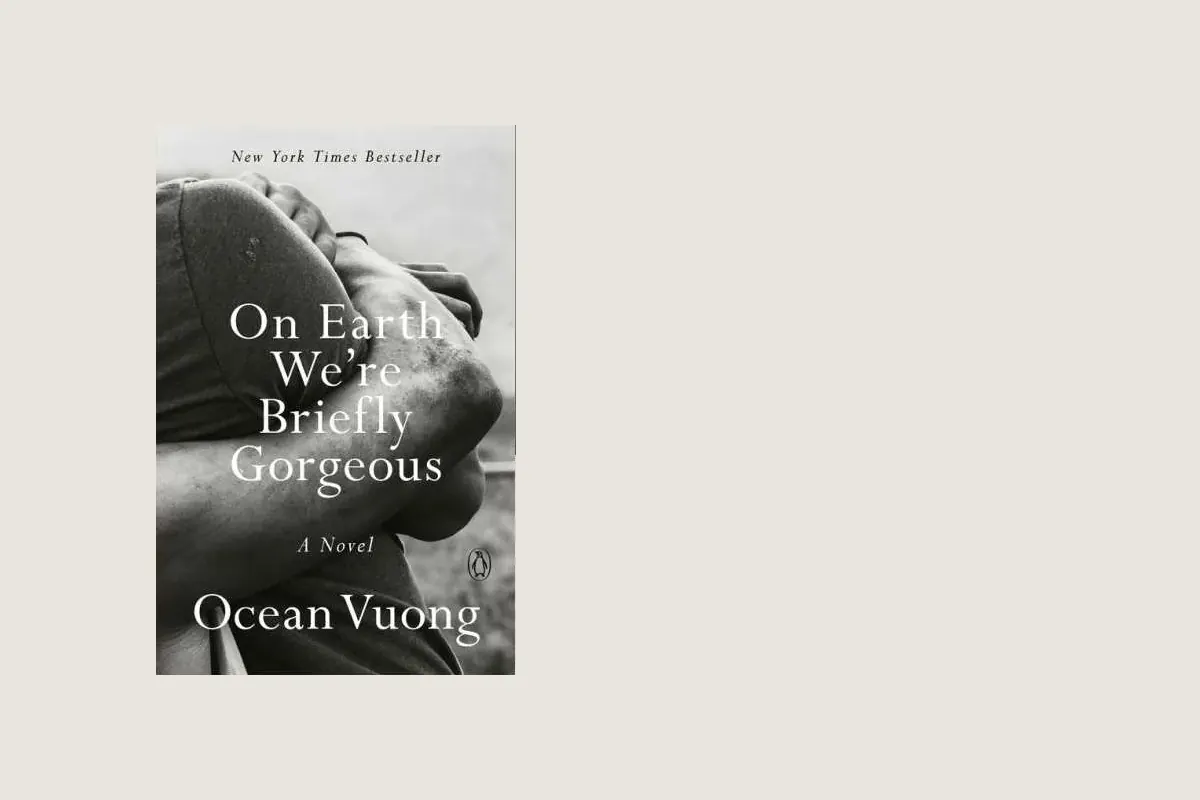
On Earth We're Briefly Gorgeous: A Letter Across Generations
A work with a bold structure, a gentle tone but does not shy away from painful legacies.
The language is evocative
Written in the form of a letter, the work opens up a dialogue that is both intimate and impossible: the son writes to his mother, even though he knows she cannot read. It is that paradox that creates emotional tension throughout the book.\n\nThe poetic style is not used for decoration. It became a vehicle for the author to touch on war, migration, identity and love without simplifying any of the experiences. The fragmented memories gradually connect into portraits of many generations bearing the same wound.\n\nThis is not a book for those looking for a linear plot. The broken narrative requires patience, but the reward is a haunting reading experience that lingers long after the last page.
The mother's inability to read the letter makes the act of writing both a communication and a self-construction of memory. The narrator does not wait for a direct answer; he organizes what the family once couldn't say into a form that can be looked back on. The distance between the writer and the recipient therefore comes not only from words, but also from generations, wars and experiences that have changed the ability to express emotions.
The novel juxtaposes grand history alongside minuscule physical detail. The violence of war passes through her gestures, her mother's silence, and the immigrant child's insecurity. This way of writing avoids turning history into a formal backdrop: its consequences lie in labor, language, how a family loves and even how they hurt each other. The sudden transitions mimic the very nature of traumatic memories — not lining up in a chronological order for the reader to easily follow.
Little Dog's love affair opens another layer about class and masculinity. Intimacy does not happen in safe spaces; it is surrounded by hard labor, drugs, gender expectations and the fear of being seen. The work does not turn love into a cure for all wounds. It shows how a relationship can simultaneously give people the language to understand themselves and leave behind irreparable loss.
The point of caution is that the graphic prose sometimes makes pain appear too beautiful on the surface. Readers should keep a distance between the enchantment of the words and the violent reality they describe. Reading slowly, taking note of the timeline, and distinguishing the narrator's voice from the author's stance will help the book feel less like a series of quotations and more like a structure about memory, identity, and the right to speak.
The letter form creates an important tension between intimacy and address. Because the mother cannot read the words, the writing is not a conventional exchange designed to persuade its recipient. It becomes a way for the narrator to arrange memories, name what has remained difficult to say, and imagine a witness even when direct understanding is unavailable. That does not make the mother merely a symbol. Her presence shapes what can be remembered and what the narrator can only infer, so the gap between them remains part of the book's emotional structure.
The novel also shifts among stages of the narrator's life rather than offering a stable, chronological account. That movement can make reading disorienting, but it asks the reader to experience memory as association: one sensory detail opens a route to family history, labor, or violence. The structure resists a clean division between private life and public history. Large events are not explained in a detached overview; their continuing force appears in bodies, work, language, and the patterns of care people inherit.
Readers should keep the novel's literary construction in view when discussing its cultural material. A narrator's account of family history is not automatically a complete record of every person represented, and a character's words do not stand for a whole community. The book's lyric passages can be moving while also inviting questions about whose pain is being aestheticized and who gets to speak. Those questions deepen the reading rather than canceling its beauty. The result is a novel in which language offers a form of contact, but cannot undo the histories and unequal conditions that make contact incomplete.
EDITOR’S VERDICT
Tale24’s assessment
The language is evocative
Points to considerThe narrative rhythm requires patience
Best for: Readers love contemporary literature
Editorial method: This is an independent assessment informed by the work and its official supporting information. AI tools may assist the drafting process; Tale24 reviews and takes responsibility for everything it publishes.
READING AND RESEARCH
Sources and edition scope
Bibliographic details and textual claims in this review were checked against the edition and reference records below (On Earth We're Briefly Gorgeous). Commercial retailer links are kept separate from editorial verification.
- penguinrandomhouse.com — 600633 / on earth were briefly gorgeous by ocean vuongPublisher's edition record
Editorial verification updated October 23, 2026.