Literature & Thought · CRITICAL ESSAY
The Disappearers: Who Gets to Remain Visible?
Marlon James's The Disappearers uses dispersed voices and documentary forms to examine queer life after homophobic violence. This source-informed essay asks when an account restores visibility and when it takes control of another person's story.
A bold multi-voice premise focused on aftermath rather than spectacle
Theater makes a promise that the world outside it may refuse to honor: a person can step forward and be seen. In Marlon James's The Disappearers, eight gay men in Kingston begin rehearsing a play in 1988. The production is billed as Jamaica's first openly gay play, so the act of performing carries unusual public risk. When a mob attacks the group and one man is killed, the novel's central question changes. The story is no longer only about whether the men can appear before an audience. It becomes about how they can continue to exist, and be known, after violence has tried to erase them.
Publishers Weekly identifies a crucial difference within the group: Eddy is absent during the assault, yet must live with its consequences and his guilt. That prevents the novel's collective subject from becoming a single, interchangeable experience of victimhood. The account also identifies later interview transcripts and Havelock's letters, giving the fragmented form a specific function. A life can be narrated as testimony, recollection, or something written to one trusted person; each creates a different relationship between exposure and safety. For this essay's argument, the important distinction is between being visible and being available to somebody else's explanation. Gathering accounts does not automatically return control to the people described. James's dispersed voices invite readers to notice who asks, who answers, and what remains outside an apparently complete record.
The Booker Prize's account emphasizes what follows the assault. The survivors must recover physically while deciding what to do with rage, fear, and the knowledge that the threat has not disappeared. Some try to ignore what the attack has exposed; others consider retribution. Those responses need not be ranked as brave or weak. They are different ways of living with danger, and each may carry a cost. A novel that grants them separate histories can resist the pressure to turn eight men into one representative experience. Its moral work begins by refusing to make survival look tidy.
James's Booker interview locates the starting point in a rumored incident whose occurrence had not been established when he began. That distinction sets a boundary around the historical claim, while his emphasis on aftermath clarifies the novel's ethical ambition. Fiction can follow lives beyond what a public record preserves; it cannot make an uncertain originating event into verified evidence. The same caution belongs to criticism. We can examine how the narrative resists erasure without treating every imagined consequence as recovered history. Read that way, the book's investigation is concerned with the conditions under which lives become tellable, as well as the events a narrator can assemble.
The title directs attention to more than literal absence. A person can disappear from a shared story when he must conceal a relationship, move away, or make himself less visible to remain safe. An assault can fracture a group even if its members survive. The Booker judges note that one survivor later investigates the fates of the others, a narrative move that turns memory into a form of inquiry. What happened to them is not simply a detective's question. It asks who kept track, who was allowed to remember, and whether reunion can restore anything that violence dispersed.
Form seems suited to that problem. Critical descriptions of the novel mention interview fragments, journal entries, and letters alongside multiple voices. Such materials can convey different levels of distance from an event. A letter may say what its writer cannot say in public; an interview may show what memory has revised; a journal can preserve a feeling before its owner knows its meaning. This is an inference about the form's possibilities, not a claim that any particular document reveals a twist. The larger point is that no single narrator can easily contain a story about people whose lives have been broken apart.
The passage of years changes the problem of testimony. A later account may preserve a fact while losing the conditions under which a person first understood it. It may also make room for words that could not safely be spoken earlier. That tension gives the documentary forms an ethical purpose beyond variety: they ask readers to think about the time and audience an account requires. The critical task is to attend to those differences without treating the archive assembled by the novel as a final, uncontested record. The fiction can make disappearance perceptible while leaving some lives resistant to a clean explanation.
That emphasis makes the novel demanding. The described assault and death may be difficult for readers who need distance from traumatic material. James's ambitious, multi-voice approach may also require patience from someone expecting a single linear investigation. These are meaningful considerations, not flaws to wave away because the book reached an award shortlist. A story about endangered lives should not be sold as pain for spectacle. Its value depends on whether the men retain their differences, humor, and agency as the narrative confronts what has been done to them.
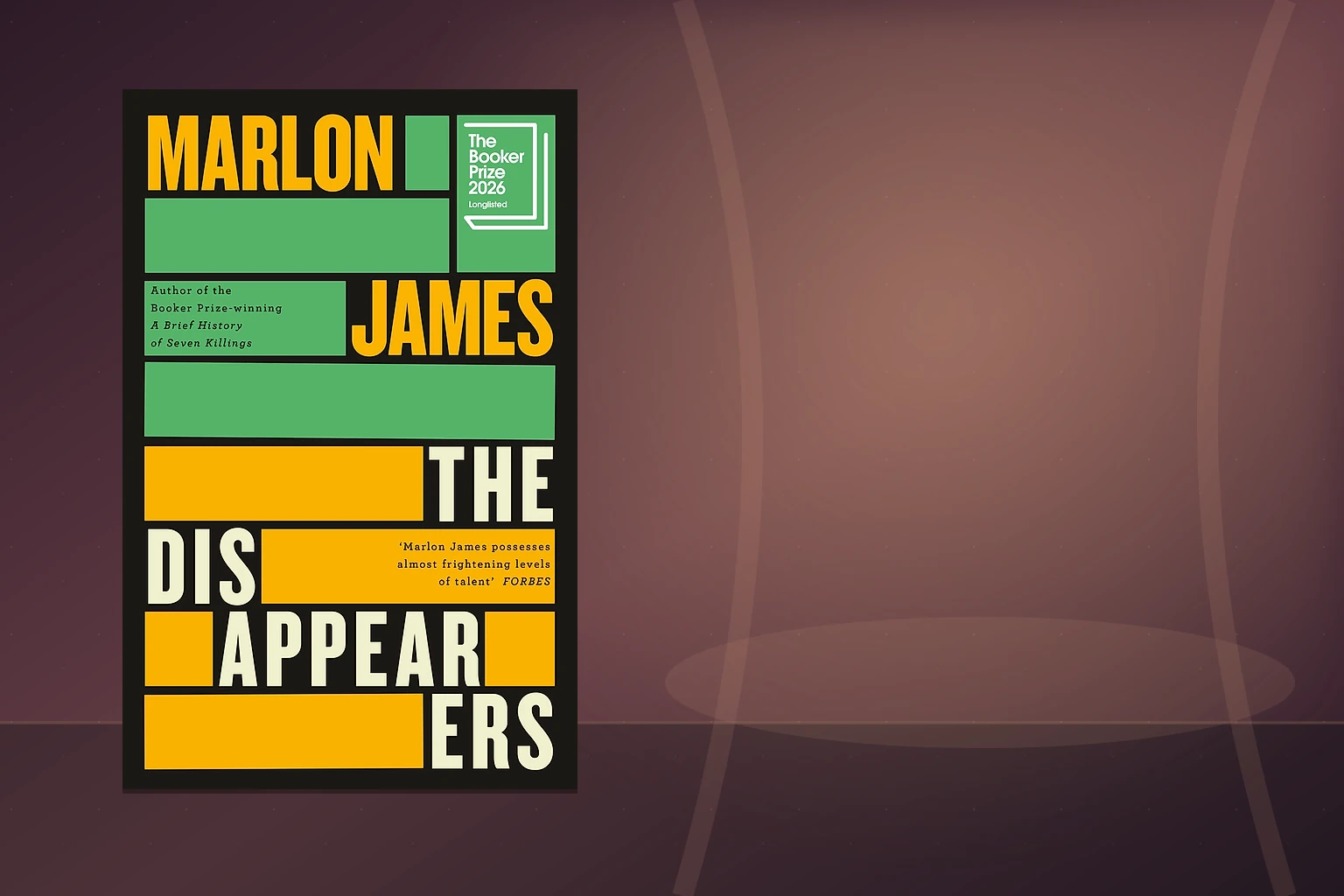
James won the Booker Prize in 2015 for A Brief History of Seven Killings, and The Disappearers was shortlisted for the 2026 prize. Those honors explain the attention around this new novel, but they do not supply its critical meaning. What makes its premise compelling is the connection between a public performance and a private aftermath. The men prepare to speak together; violence scatters them; an account of their lives has to be assembled from what remains. The novel's challenge is to honor that distance without treating any person as only a symbol of loss.
The Disappearers will interest readers prepared for a serious, expansive novel about queer life, social hostility, and the work of remembering. It offers the prospect of suspense, but the deeper pull is ethical: when a community makes visibility dangerous, what forms of attention can help people remain more than the event that wounded them? James's subject is not merely the night of the attack. It is the long argument over who gets to have a future, a history, and a name that others will speak.
CRITICAL PERSPECTIVE
Tale24’s assessment
A bold multi-voice premise focused on aftermath rather than spectacle
Points to considerIts traumatic violence and dispersed documentary form demand care and patience; this essay does not claim firsthand full-text reading.
Best for: Readers of ambitious literary fiction about queer history and survival
Editorial method: This is Tale24’s original analysis of the published material and attributed criticism. The sources and evidence limits are listed below.
READING AND RESEARCH
Sources and scope
This essay combines the published material and the attributed sources below. It does not claim firsthand reading of the complete book.
- Publishers Weekly: The DisappearersIndependent review
- Booker: Marlon James interviewAuthor interview
Sources checked November 5, 2026.
KEEP READING