Books about software engineering, data, operations and career development paths in the technology industry.
17curated reviews
EDITORIAL GUIDE
Read the decisions behind the technology
Technology books are most useful when their advice meets the constraints of a real team. Our reviews look at what an author helps engineers notice, which trade-offs a method makes visible, and where a reader will need more evidence from their own systems. A design pattern or career framework becomes valuable through judgment, not by acquiring a fashionable name.
Begin with architecture if you are deciding how a system should change. Move to refactoring if the difficulty is inside code that already works. Each review connects a book’s central idea to its limits, so readers can choose a useful next question rather than treating one volume as a complete operating manual.
In this review of Jenny Odell's How to Do Nothing, Tale24 argues that its strongest idea is not digital detox but learning to defend attention as a social and ecological practice. The essay also weighs what the book offers readers who need practical advice.
Tracy Kidder's Pulitzer and National Book Award winner turned a late-1970s minicomputer race into timeless literature about engineering pride—even as later readers question the crunch culture it helped immortalize.
Economic historian Chris Miller turns seventy years of lithography optics, Pentagon procurement, and Taiwanese foundries into a gripping account of global chokepoint power—just as US export controls reshaped the race.
Caroline Criado Perez shows how the absence of gender-specific evidence becomes a design decision, shaping medicine, transport, work, and public policy long before anyone names the bias.
From doors that are difficult to open to software interfaces, Don Norman shows how good design makes right actions easy to understand and mistakes easy to recover from.
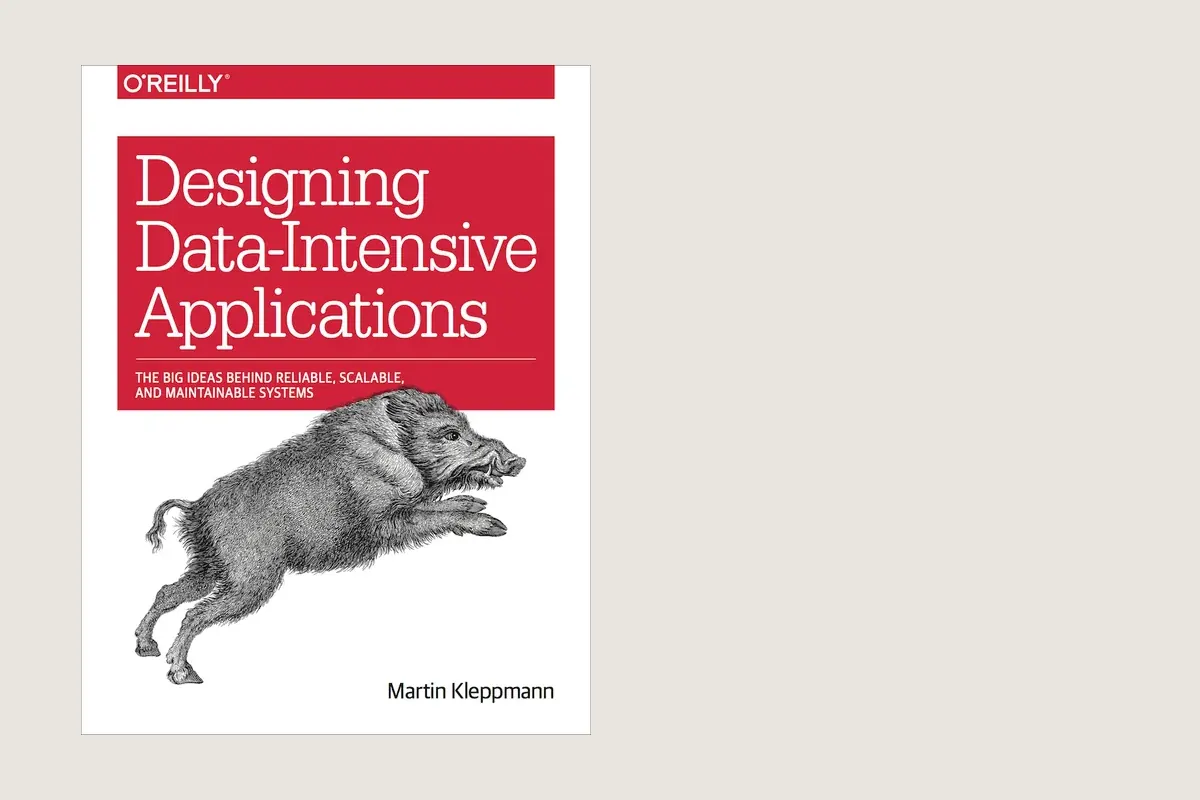
Martin Kleppmann’s Designing Data-Intensive Applications explains replication, partitioning, consensus, and the architectural trade-offs behind modern data systems.
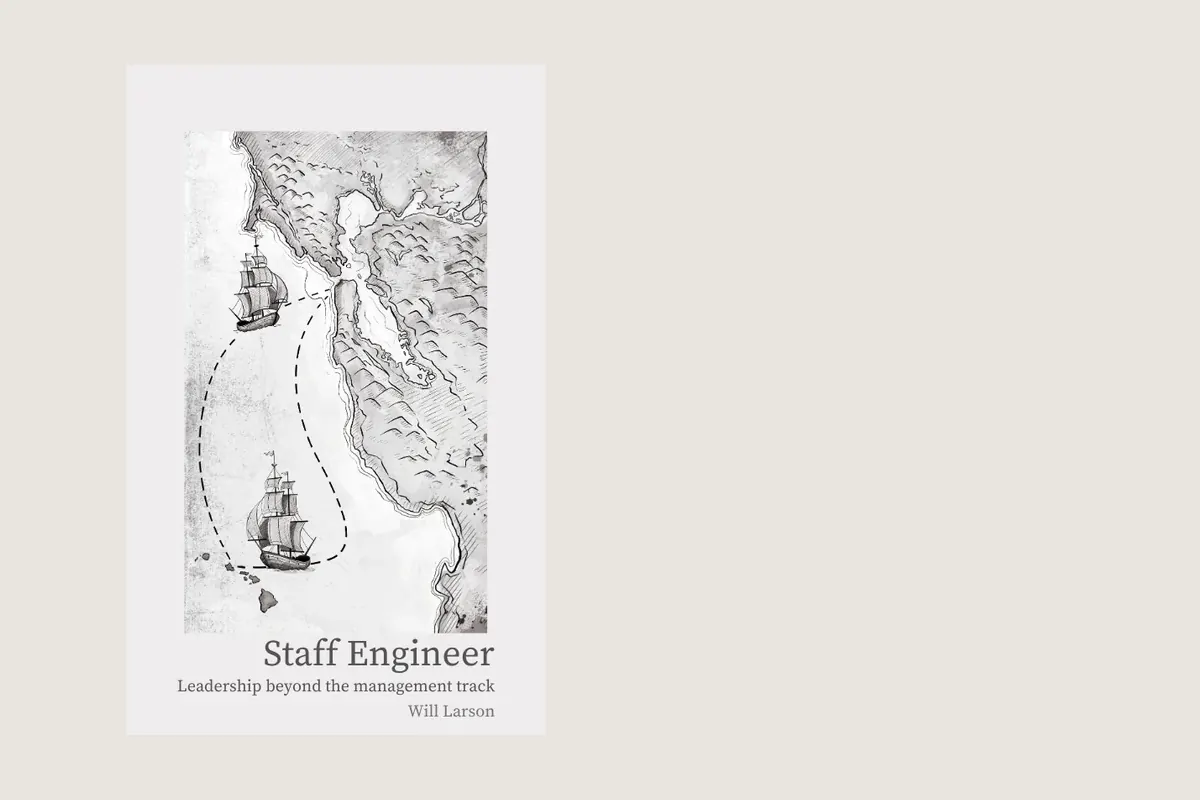
Will Larson’s Staff Engineer maps senior technical leadership beyond management through four archetypes, organizational leverage, and the trade-offs of staff-plus work.