
Science Fiction & Ideas
2001: A Space Odyssey and the Limits of Knowing
Clarke sets careful spaceflight detail against the scale of cosmic mystery, making human intelligence look both impressive and incomplete.
TALE24 TOPIC
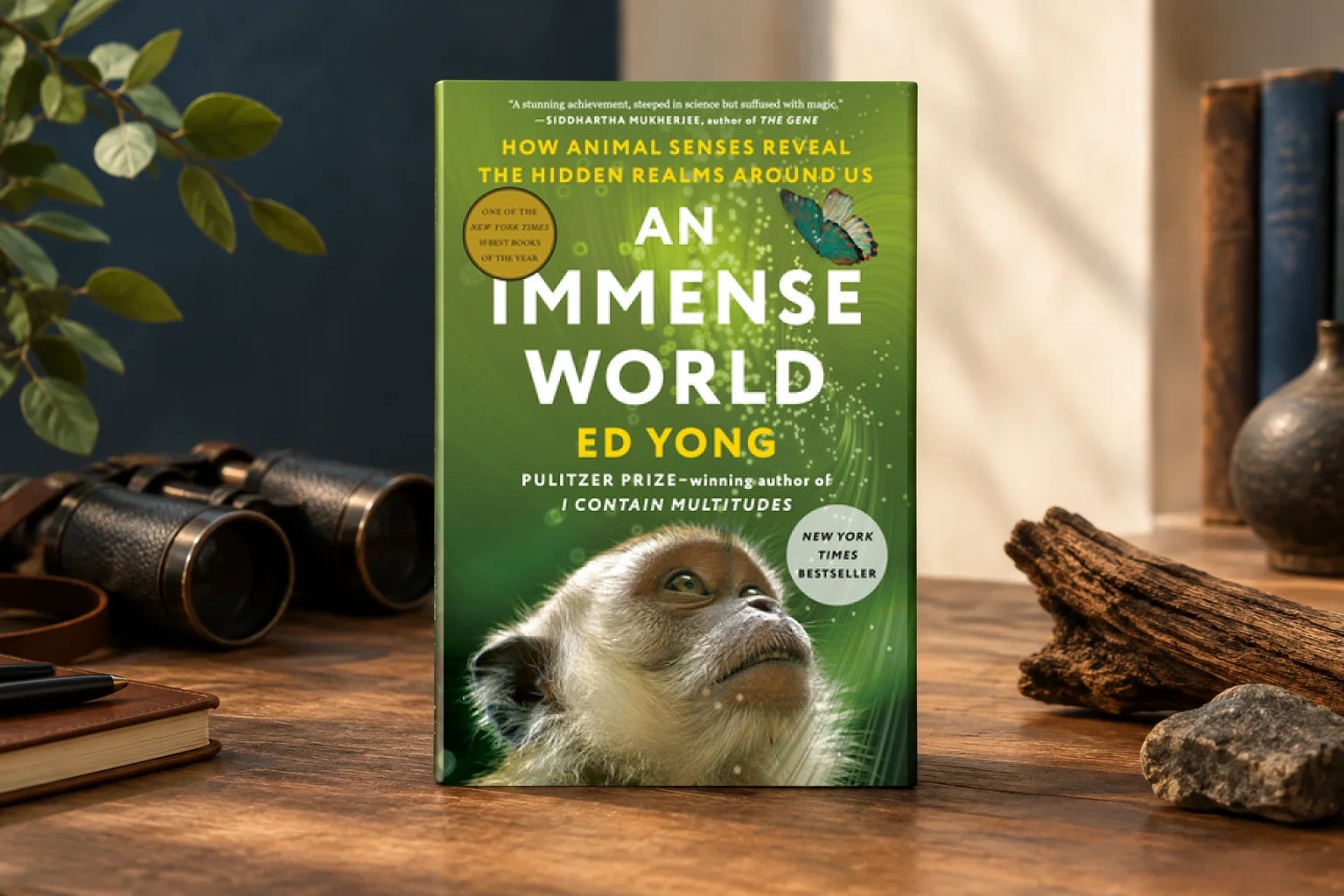
Ed Yong makes animal perception vivid without pretending humans can inhabit another creature’s mind. The result is a science book about wonder, uncertainty, and the limits of our own senses.
Read the featured review16 essays and reviews
Clarke sets careful spaceflight detail against the scale of cosmic mystery, making human intelligence look both impressive and incomplete.
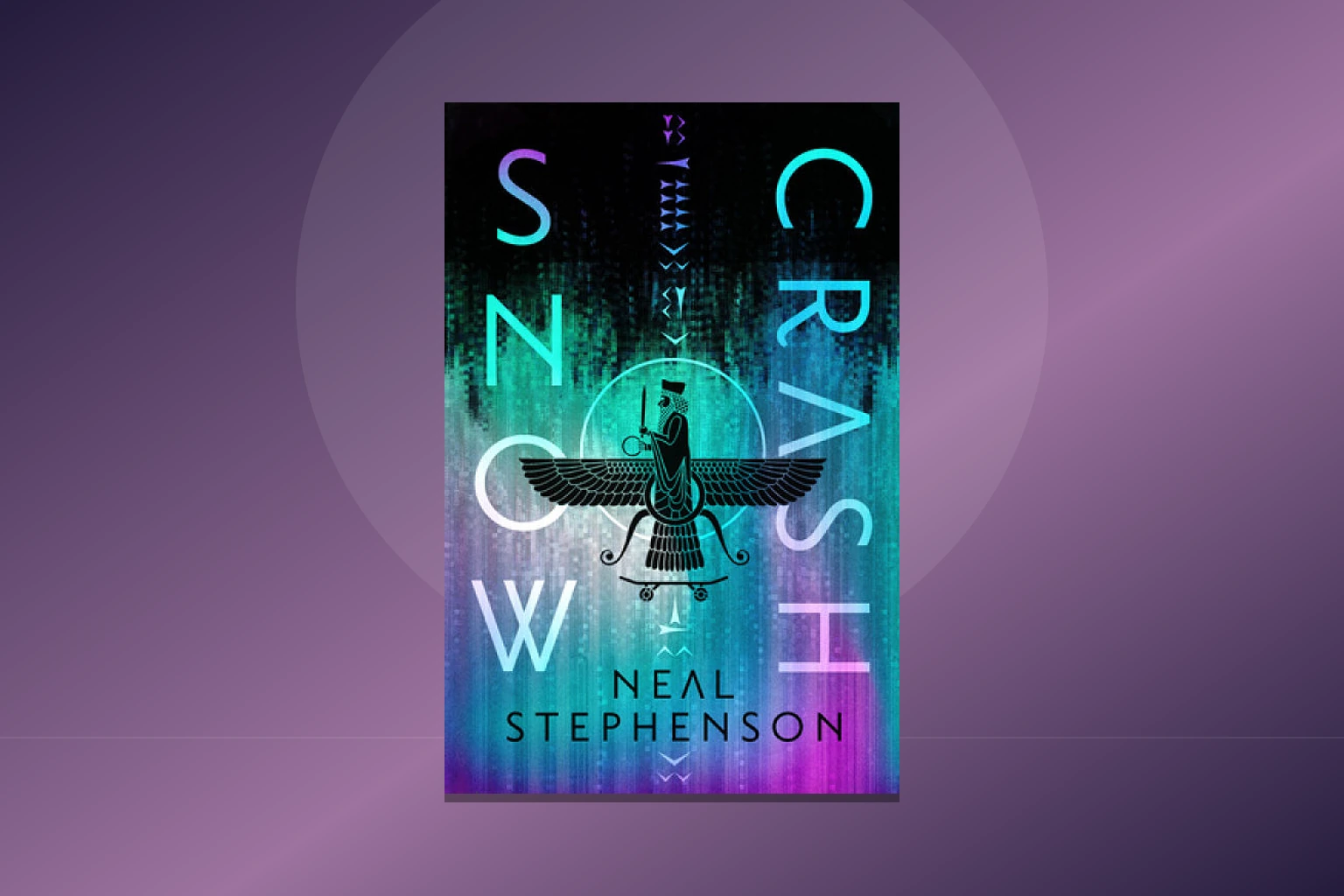
Stephenson’s Metaverse matters because it extends a physical world already carved up by brands, private power, and contested language.
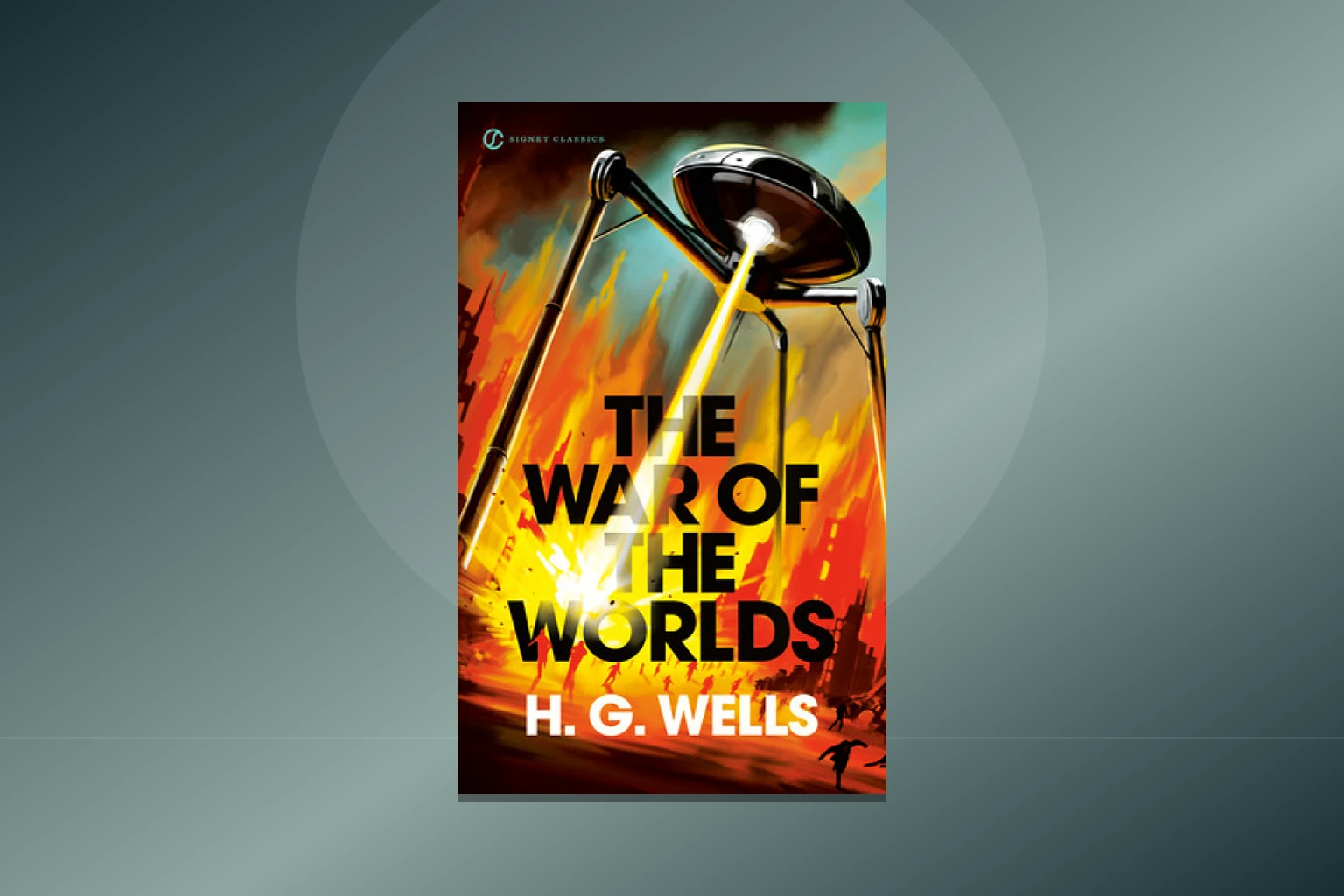
Wells reverses the viewpoint of a technologically dominant society, turning an alien invasion into a study of power and human vulnerability.
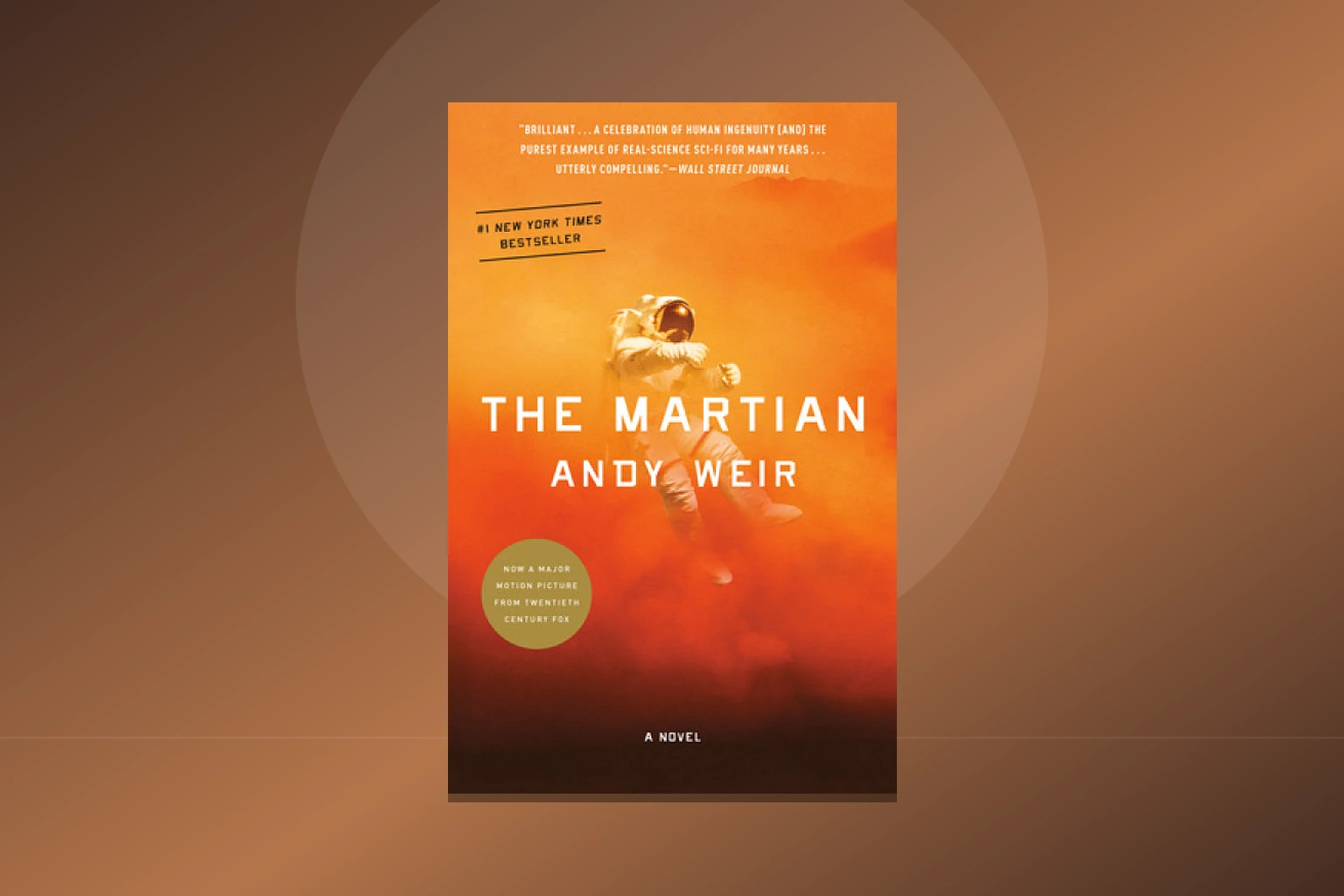
Watney’s technical ingenuity drives a gripping survival story, but the novel’s deeper appeal lies in the cooperative knowledge behind every workable solution.
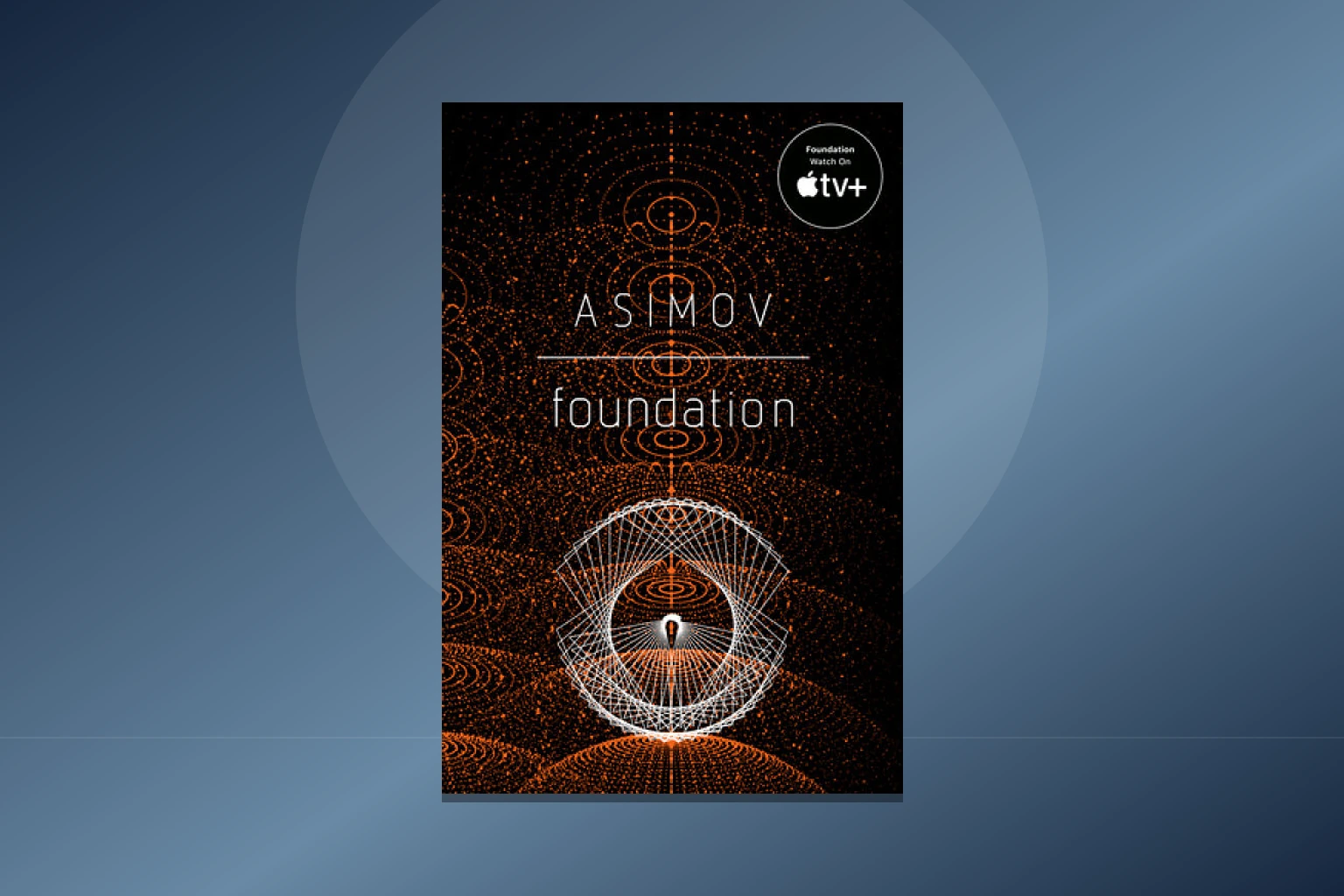
Asimov turns centuries of political change into suspense, while his fictional science of prediction leaves difficult questions about who controls the future.
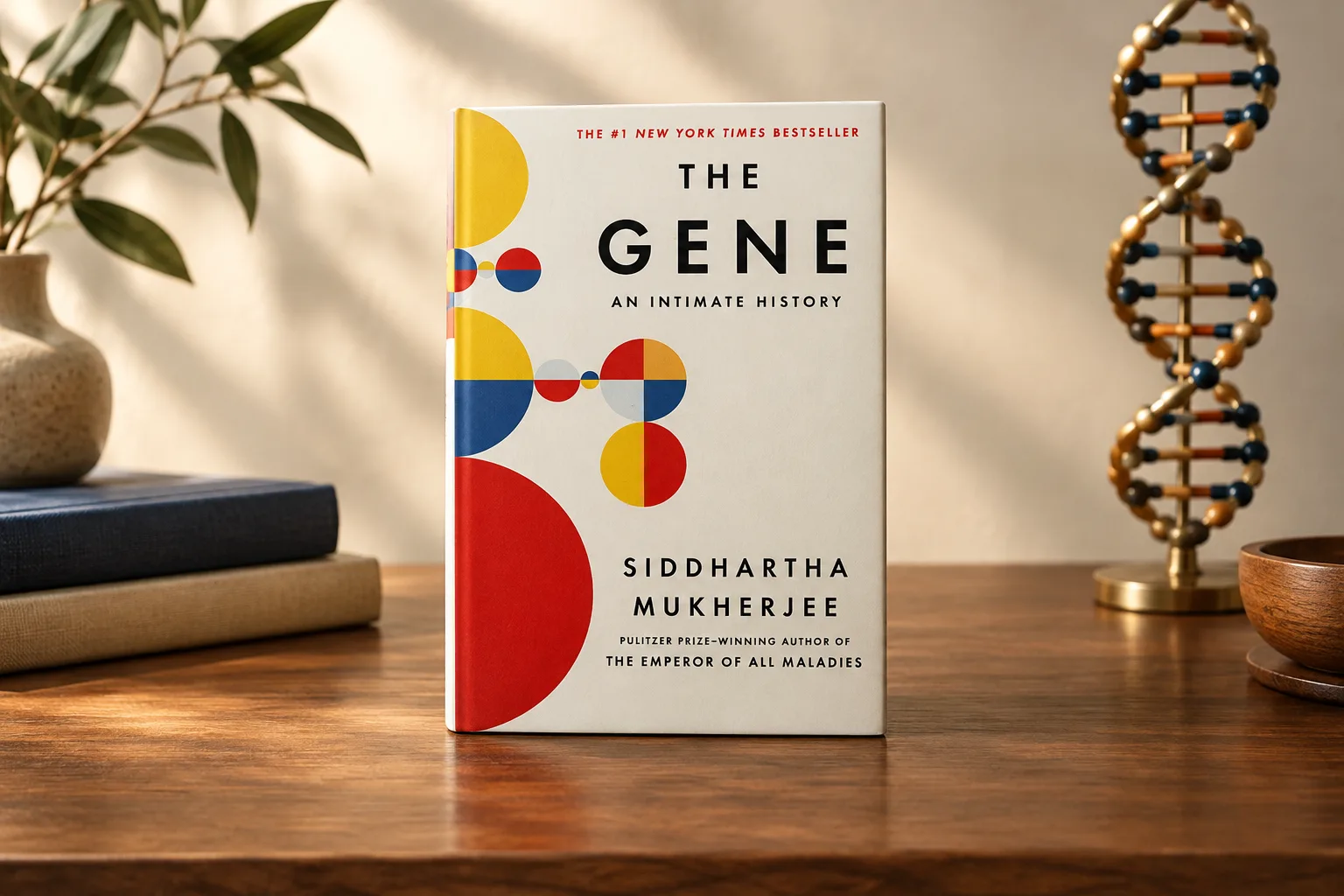
Siddhartha Mukherjee’s sweeping history pairs the changing science of heredity with the personal and political stories that give genes their meaning. The book’s broad reach is its strength—and a reason to keep scientific uncertainty in view.
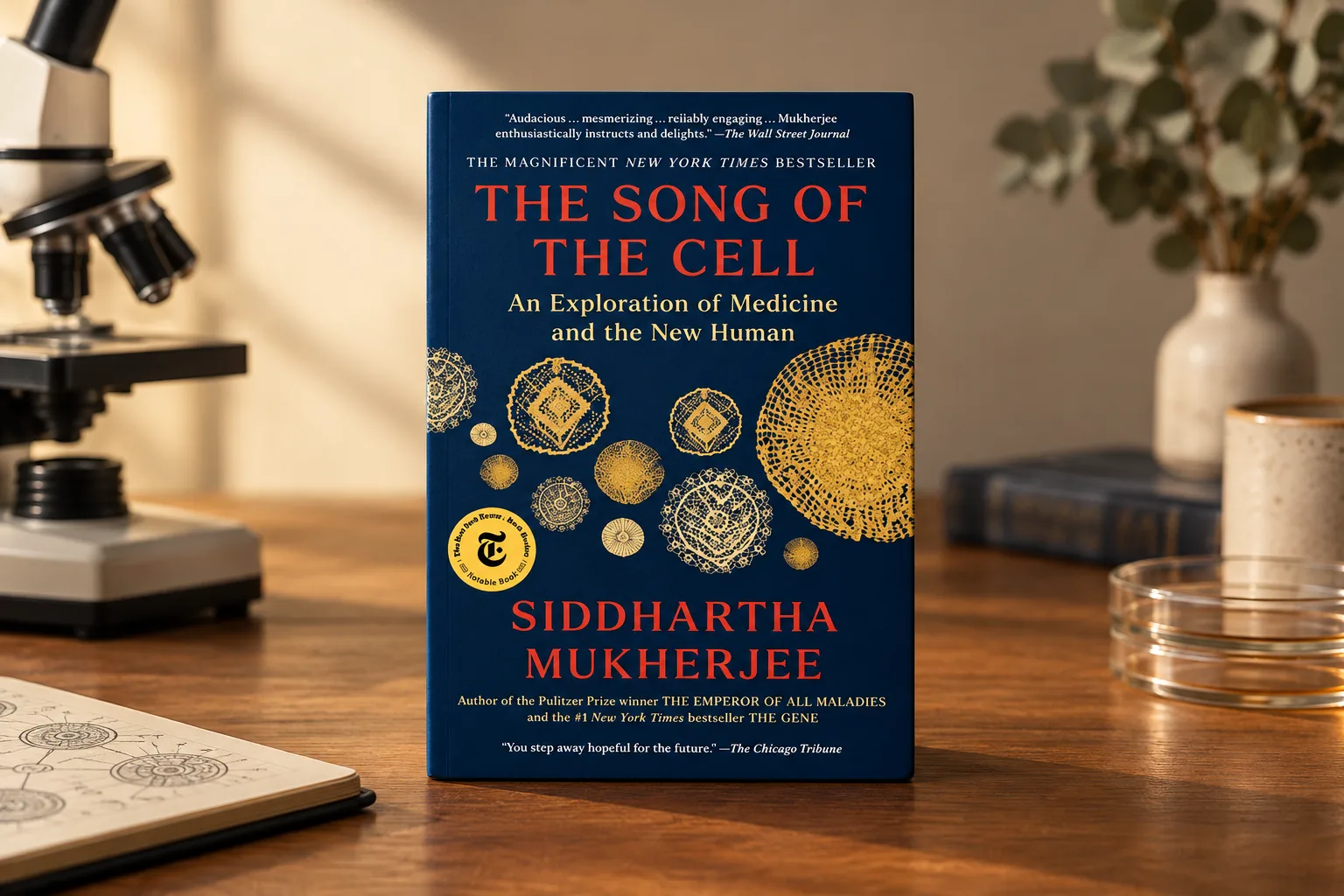
Siddhartha Mukherjee connects the history of cell biology with medicine’s hopes for cellular therapies. The book makes a microscopic subject accessible, while raising a harder question: who sets priorities when scientific promise meets public need?
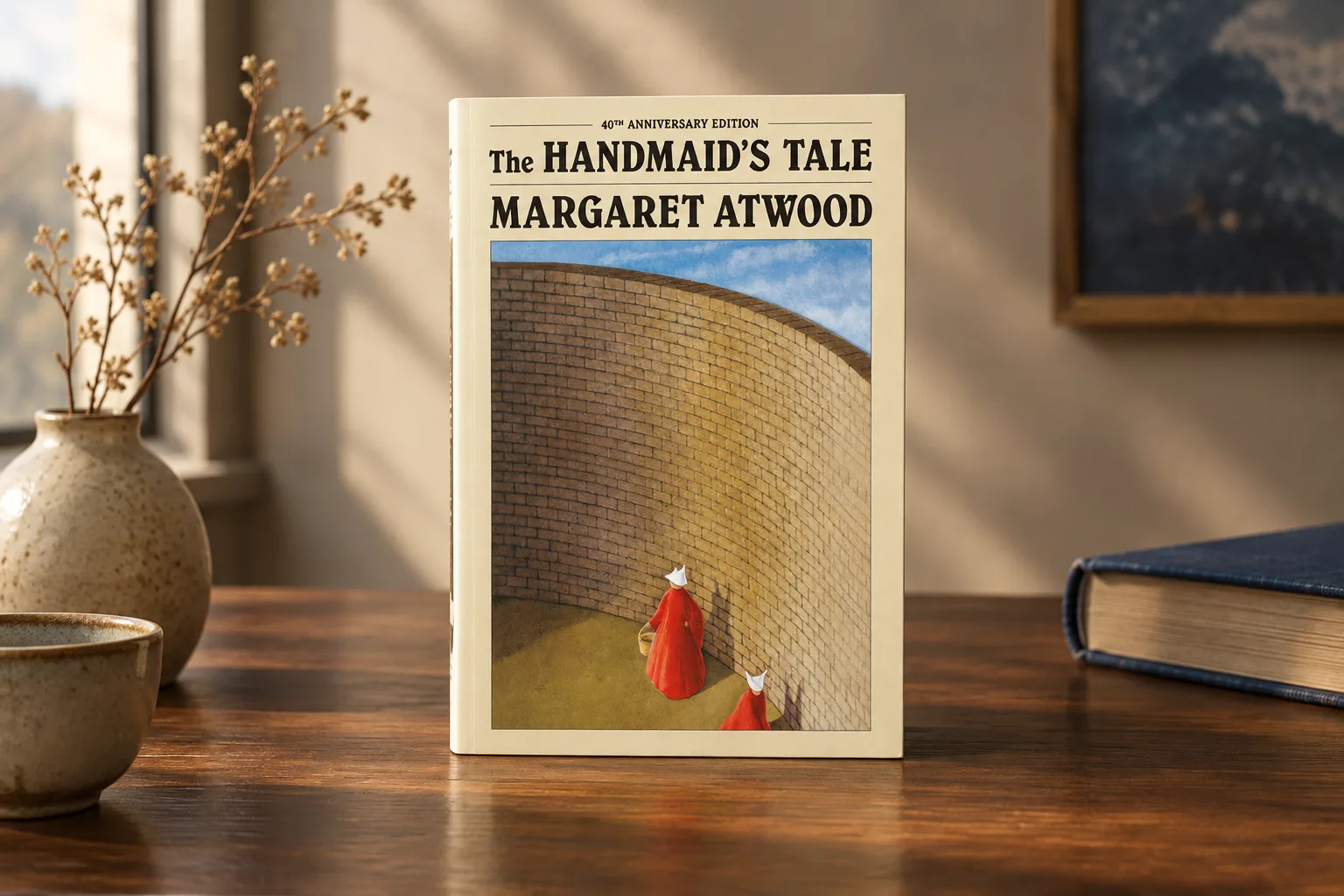
Margaret Atwood’s dystopian classic makes a woman’s testimony the center of its story, then ends by asking who controls that testimony once it enters the archive. Offred’s intimate, partial account reveals how power reaches everyday life—and how later institutions can preserve a voice while reframing its meaning.
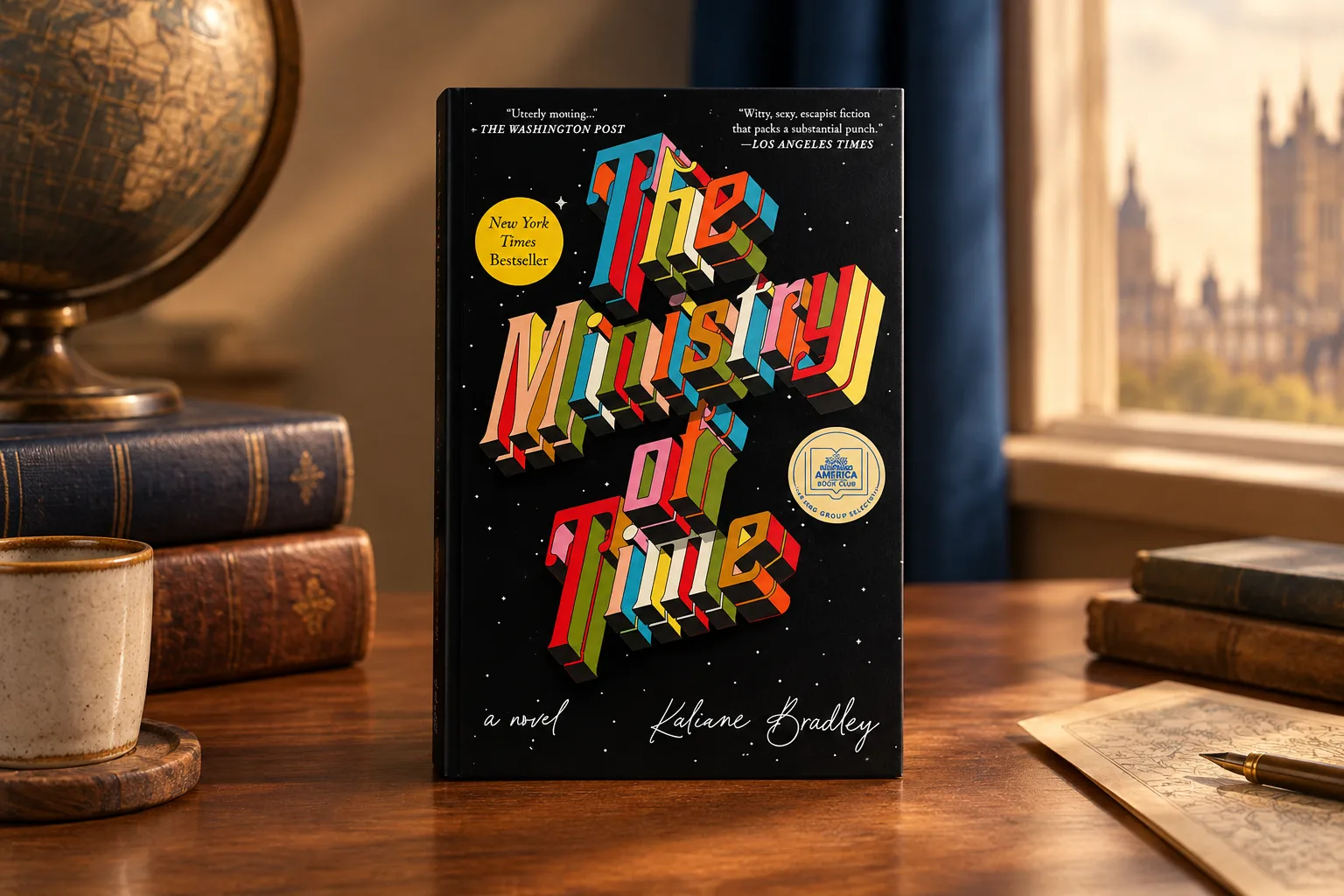
Kaliane Bradley turns a time-travel romance into a sharp question about who gets to name displacement. As a government “bridge” monitors a Victorian-era visitor, affection, observation, and institutional power become impossible to separate.