Criminal Psychology
The Anatomy of Motive and the Limits of Profiling
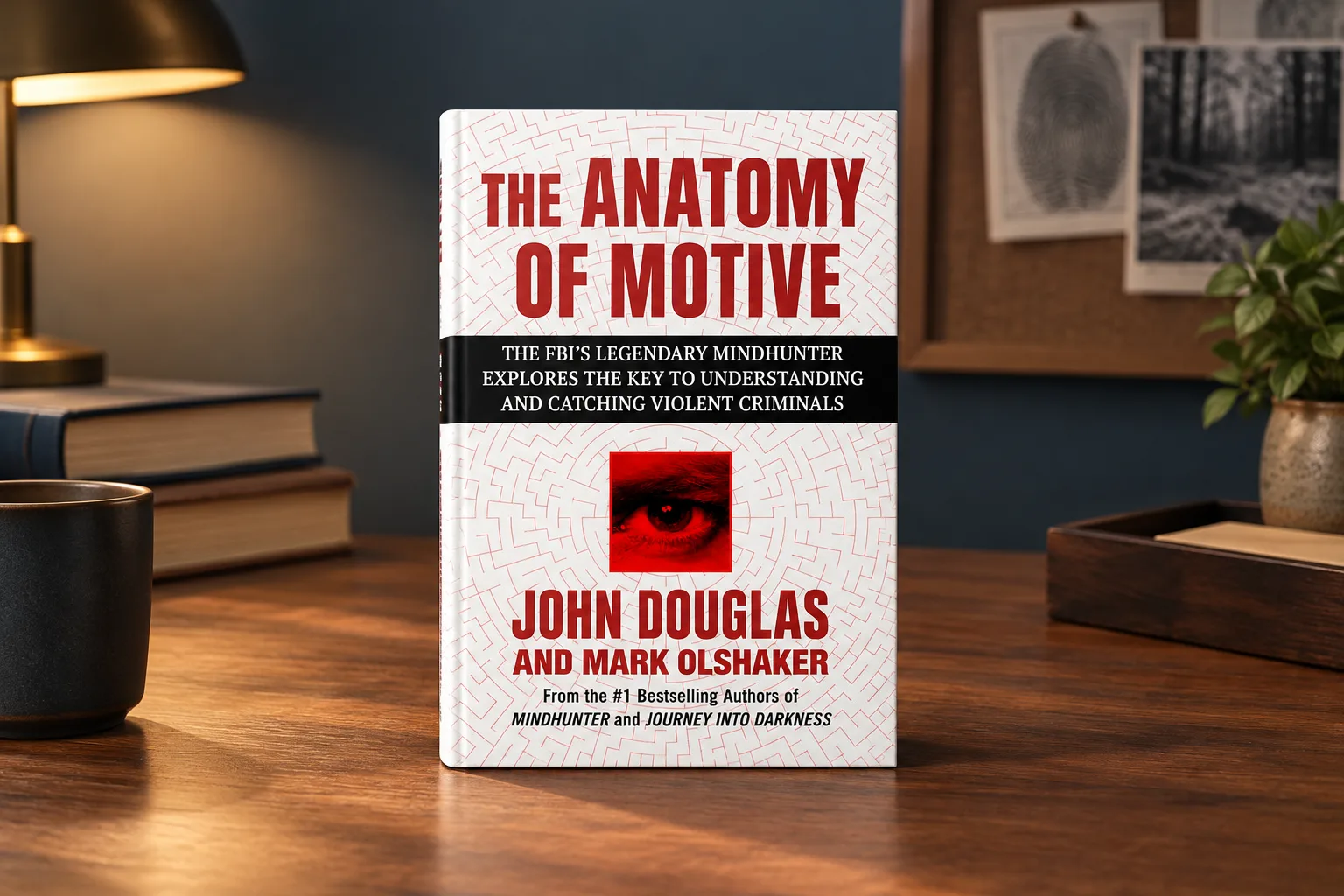
John Douglas and Mark Olshaker ask why violent crimes happen. Their broad survey is most useful when motive is treated as an investigative question, not a predictive formula.
TALE24 TOPIC
23 essays and reviews
John Douglas and Mark Olshaker ask why violent crimes happen. Their broad survey is most useful when motive is treated as an investigative question, not a predictive formula.
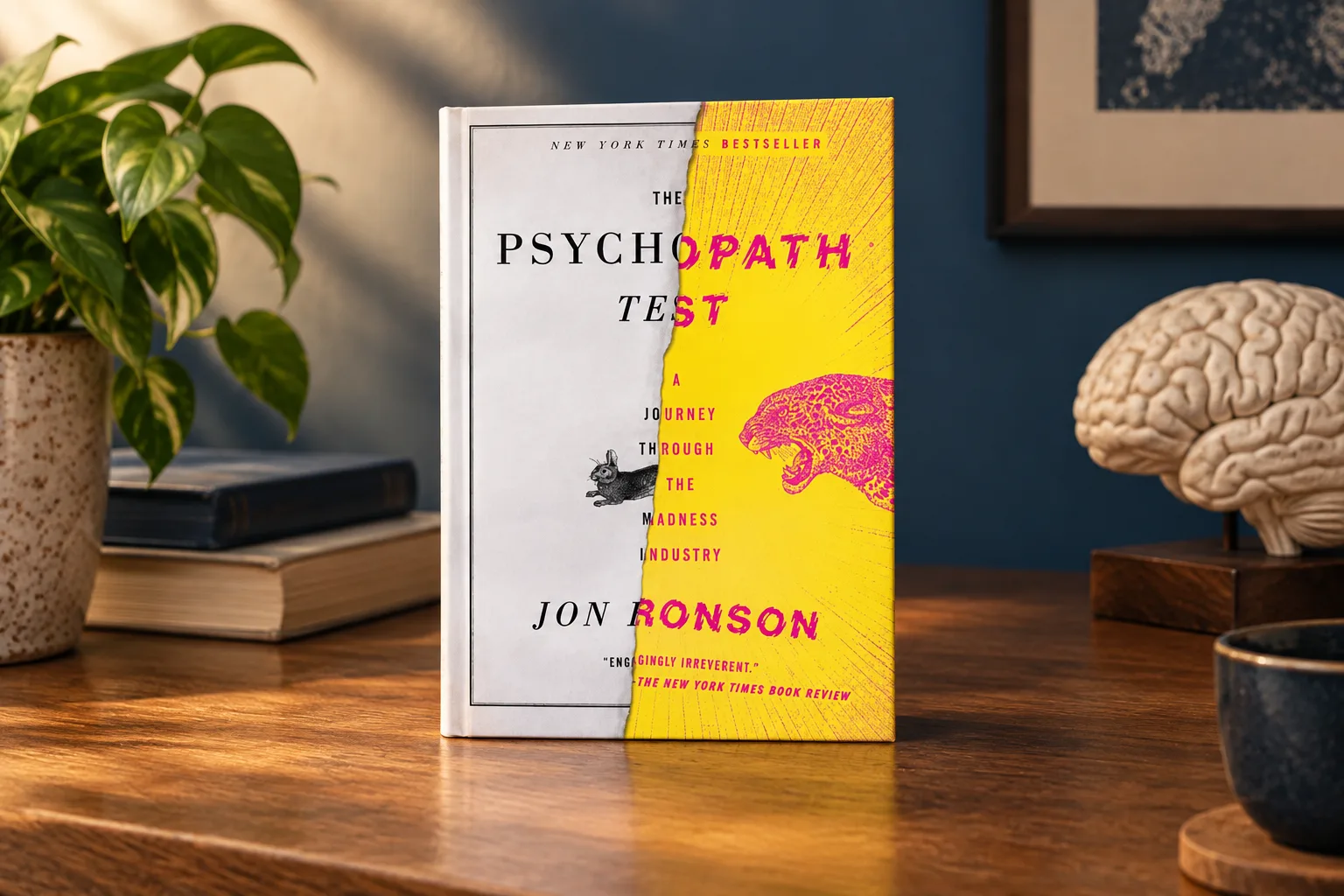
Jon Ronson’s investigation makes psychopathy compelling and the act of labeling people unsettling. The book’s best question is who gets to make a diagnosis—and what happens when they are wrong.
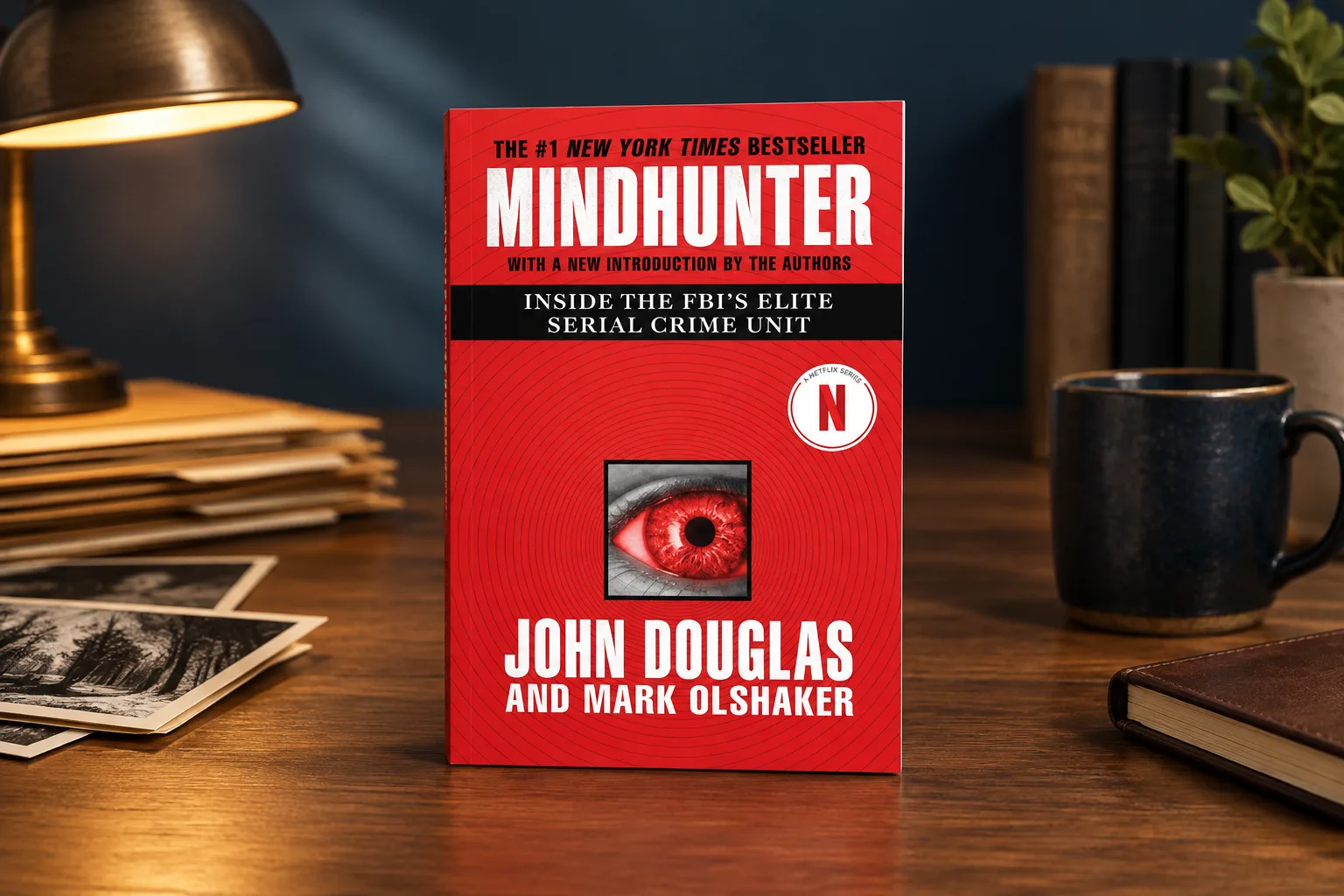
John E. Douglas and Mark Olshaker make behavioral profiling compelling by showing it as investigative work. The book is strongest when its insights are treated as testable leads, not proof.
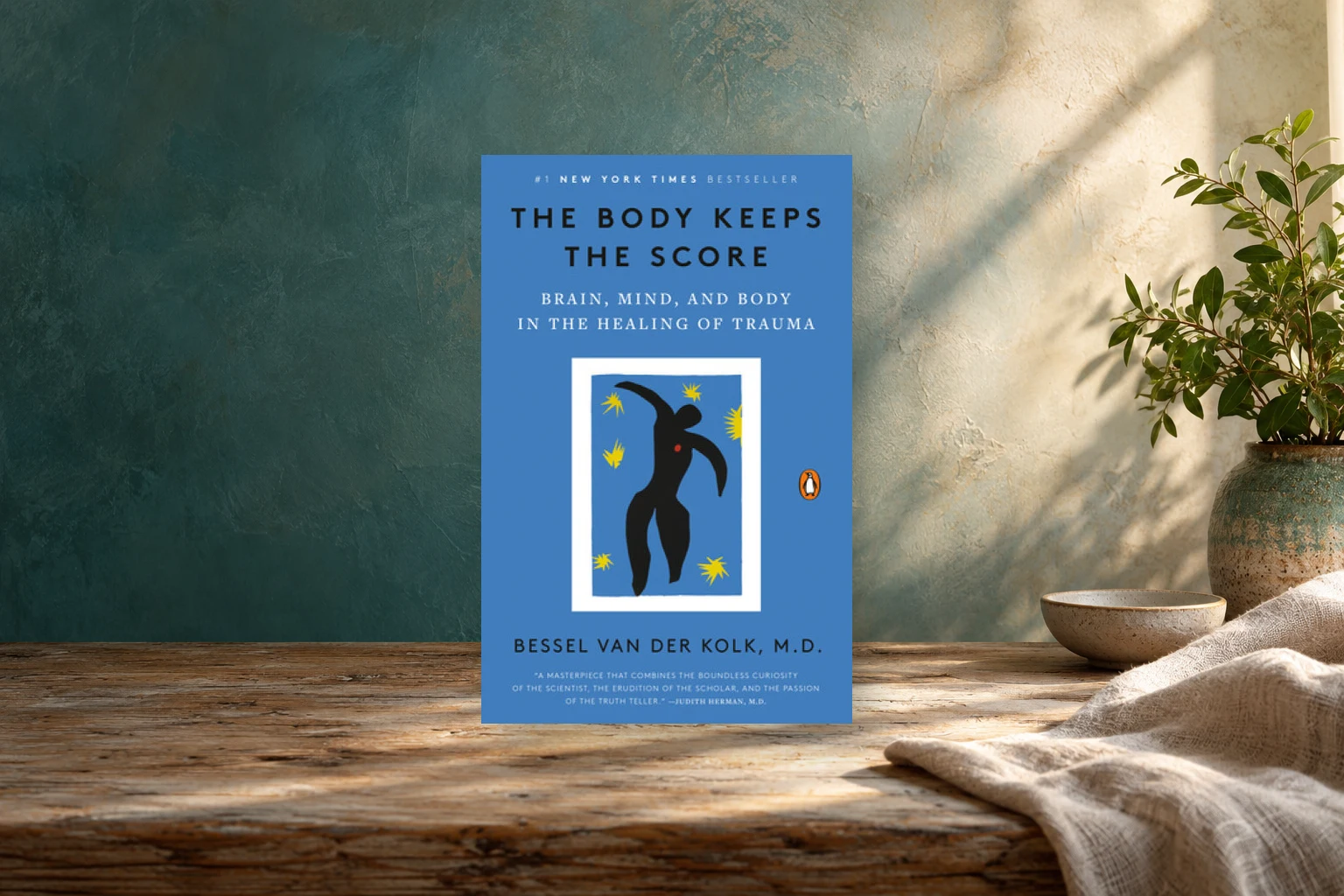
Bessel van der Kolk asks readers to take the bodily and relational effects of trauma seriously. The book’s humane reach remains powerful, though some sweeping claims about the brain and treatment need closer scrutiny.
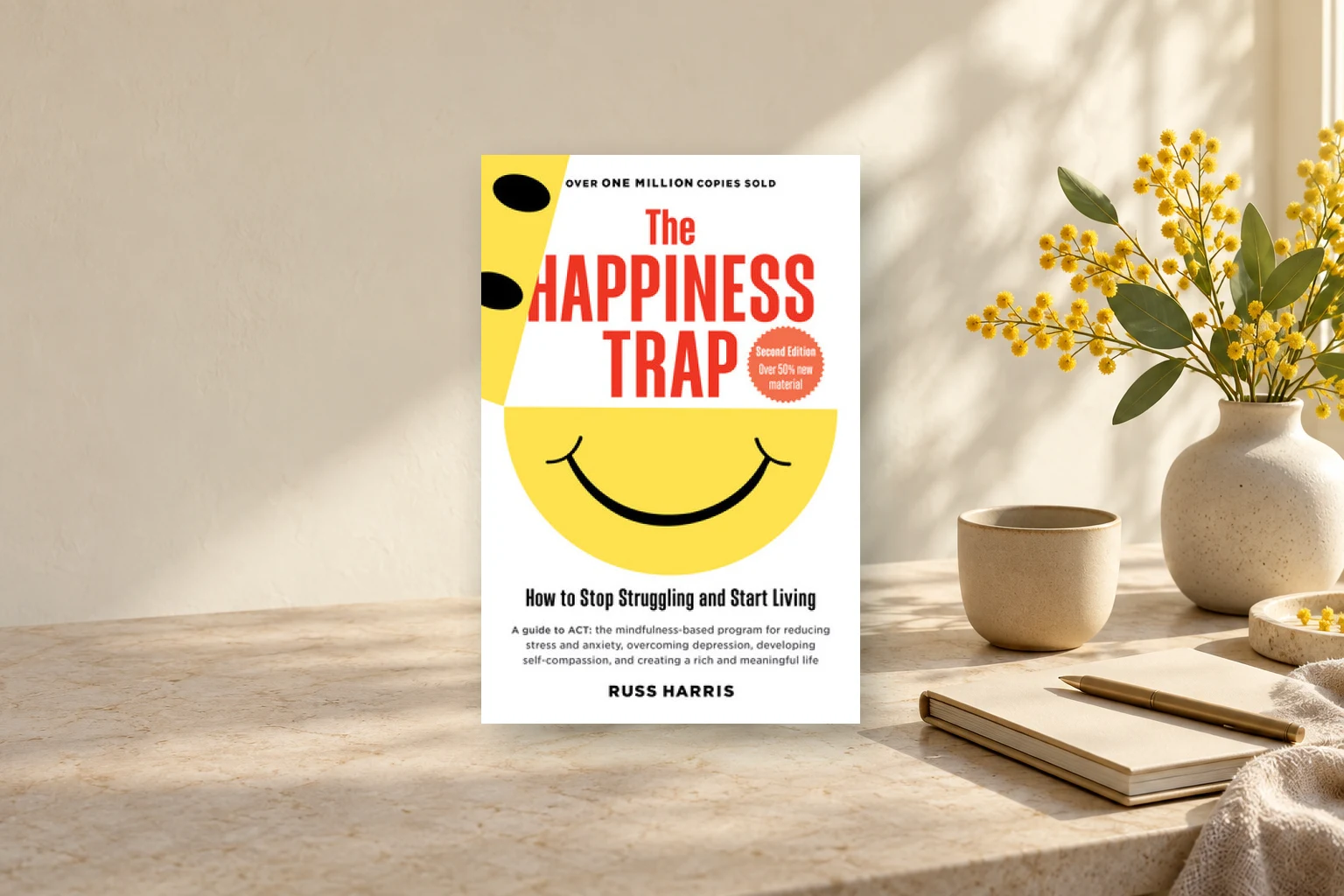
Russ Harris turns the pursuit of happiness into a question about how we respond to difficult feelings. His ACT exercises offer a useful vocabulary for living by values, with limits that self-help readers should keep in view.
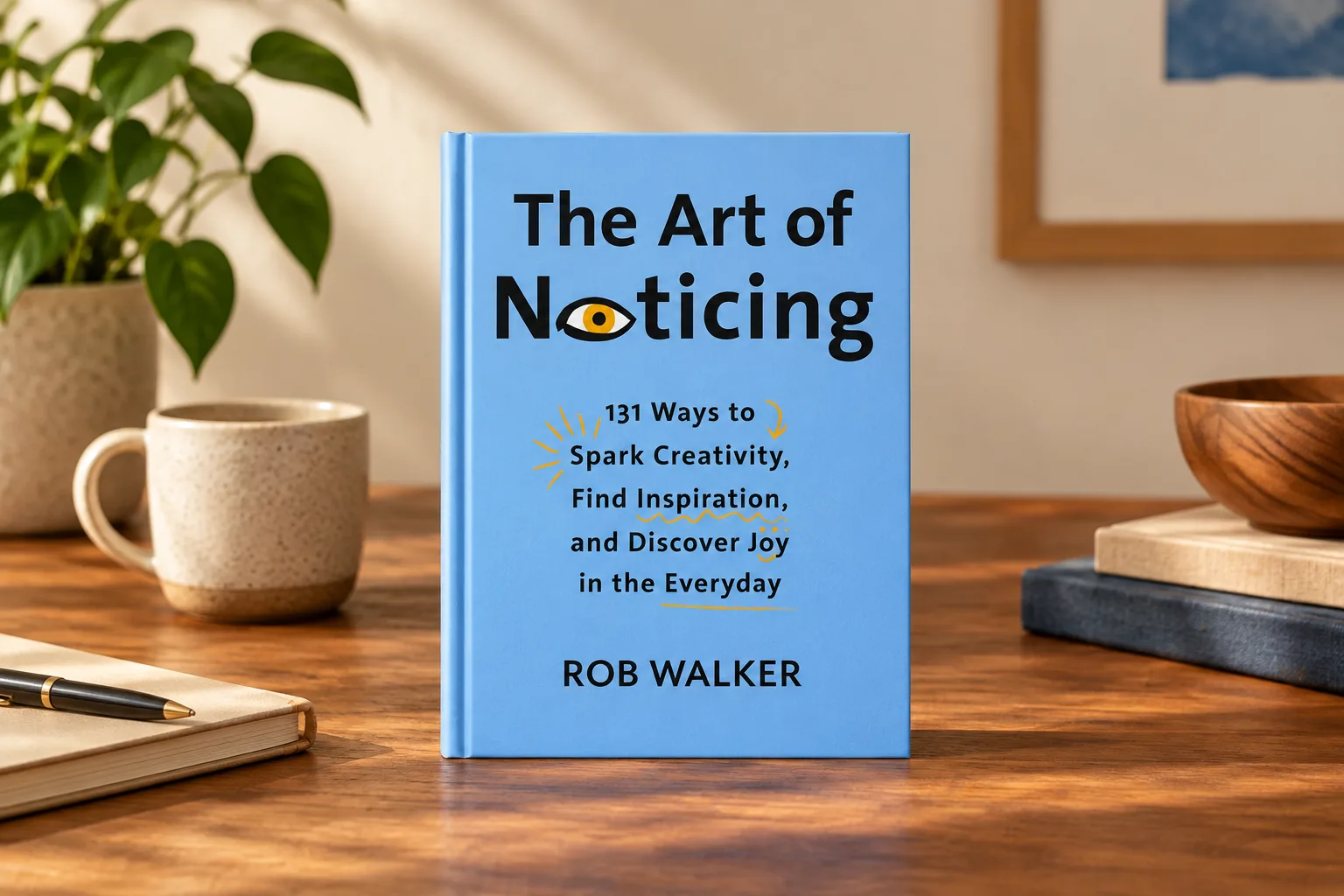
Rob Walker turns the familiar complaint about distraction into an invitation to practice attention. His 131 small exercises make curiosity feel usable in ordinary life, though the book’s open-ended format offers more prompts than a sustained theory of why they work.
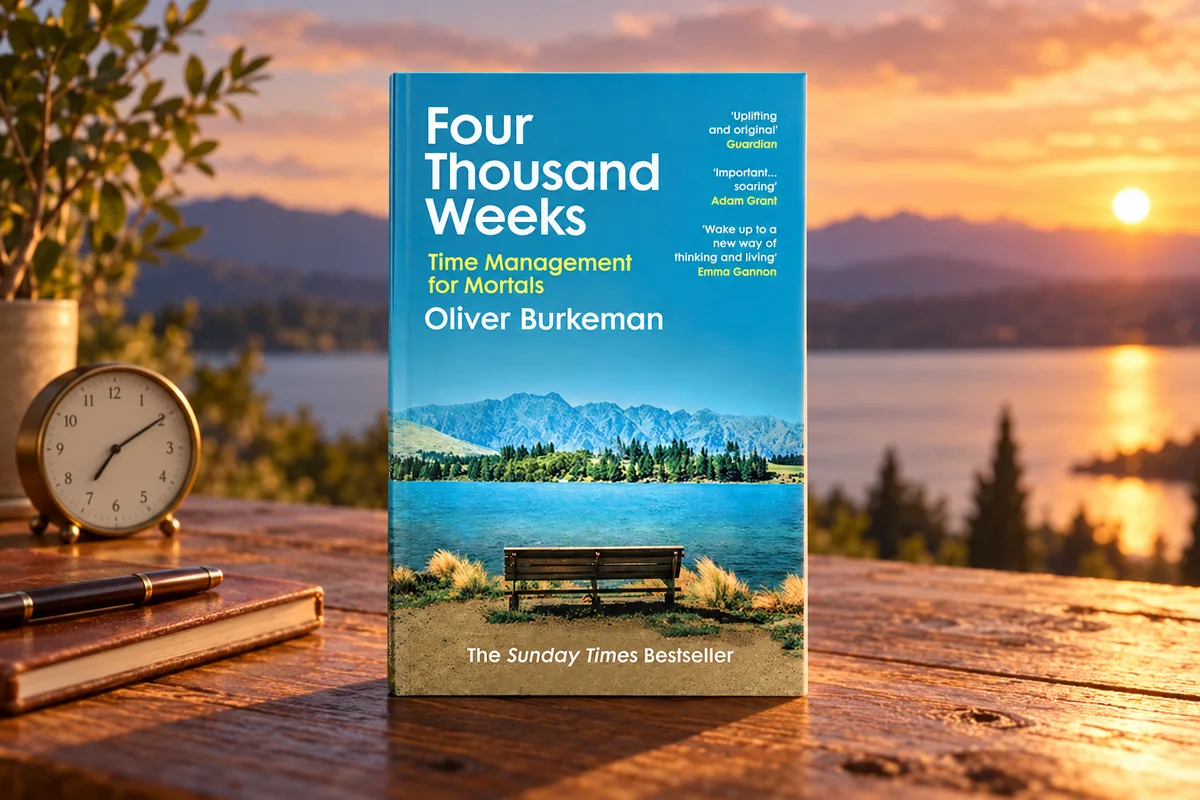
Oliver Burkeman offers an anti-productivity manual: a human life lasts roughly four thousand weeks, so freedom comes not from doing everything but from accepting what must be missed in order to choose what matters.
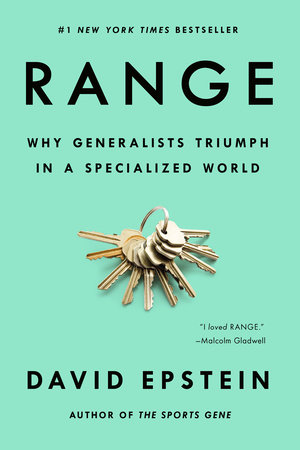
David Epstein argues that varied experiences can help people transfer ideas across fields, especially when familiar patterns offer little guidance.
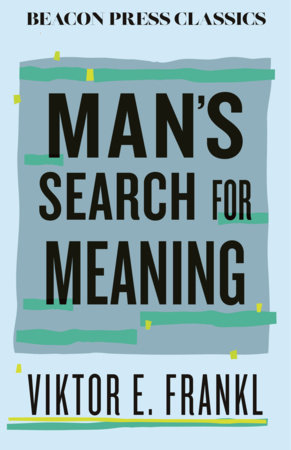
A careful reading of Viktor Frankl's testimony, logotherapy, and the limits of inspirational messages.