Science Fiction & Ideas
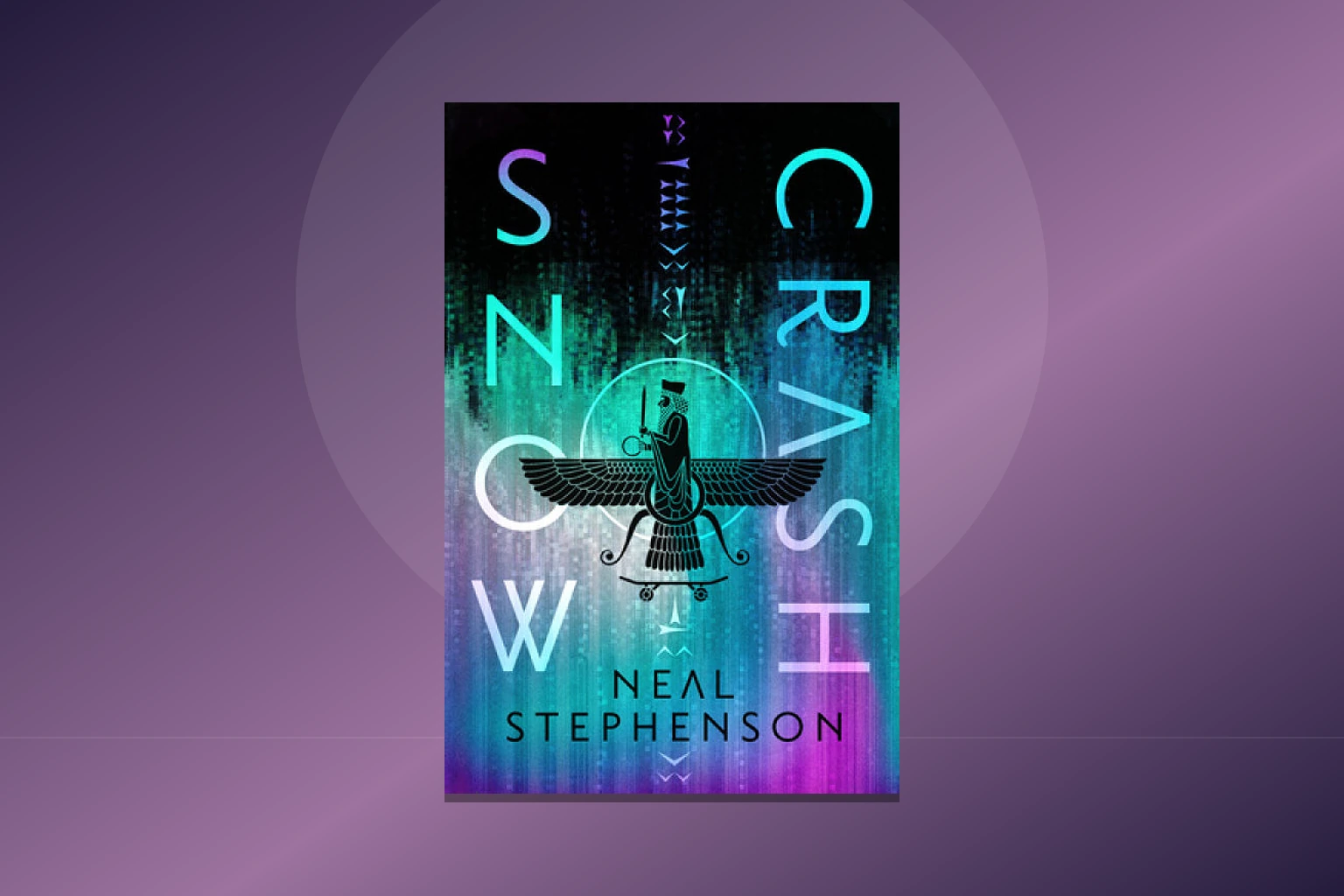
Snow Crash: A Virtual World Built by a Franchised One
Stephenson’s Metaverse matters because it extends a physical world already carved up by brands, private power, and contested language.
TALE24 TOPIC
21 essays and reviews
Stephenson’s Metaverse matters because it extends a physical world already carved up by brands, private power, and contested language.
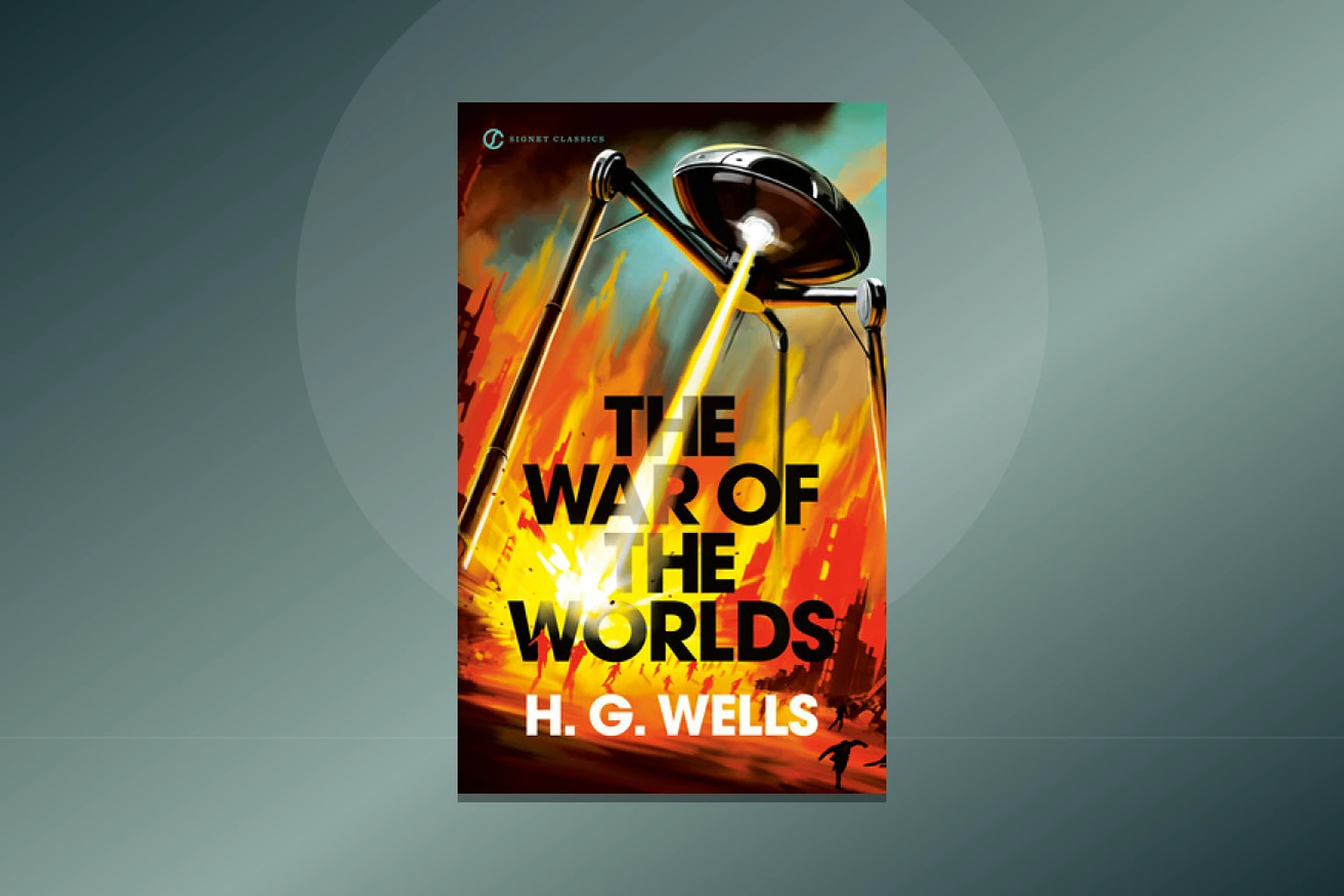
Wells reverses the viewpoint of a technologically dominant society, turning an alien invasion into a study of power and human vulnerability.
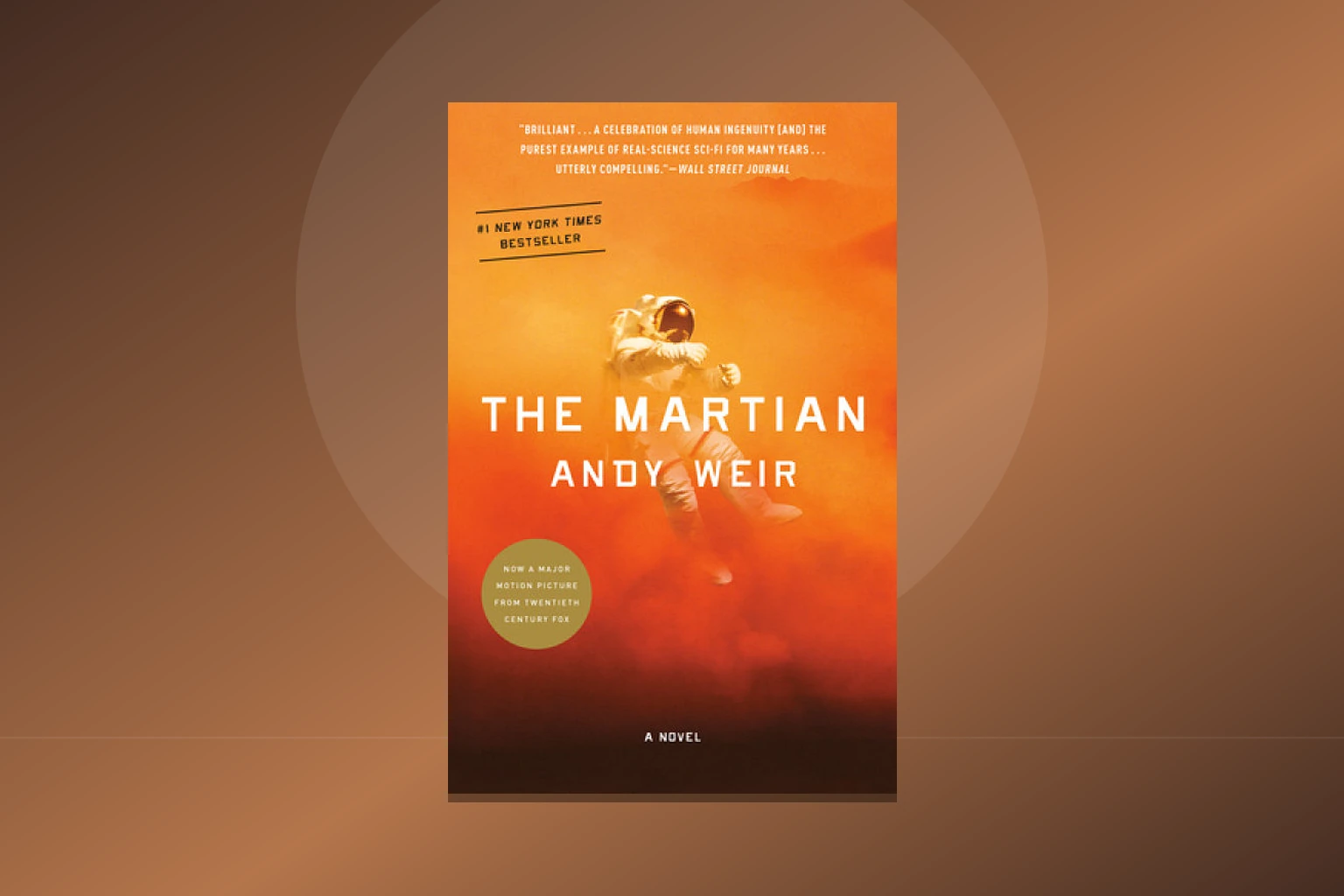
Watney’s technical ingenuity drives a gripping survival story, but the novel’s deeper appeal lies in the cooperative knowledge behind every workable solution.
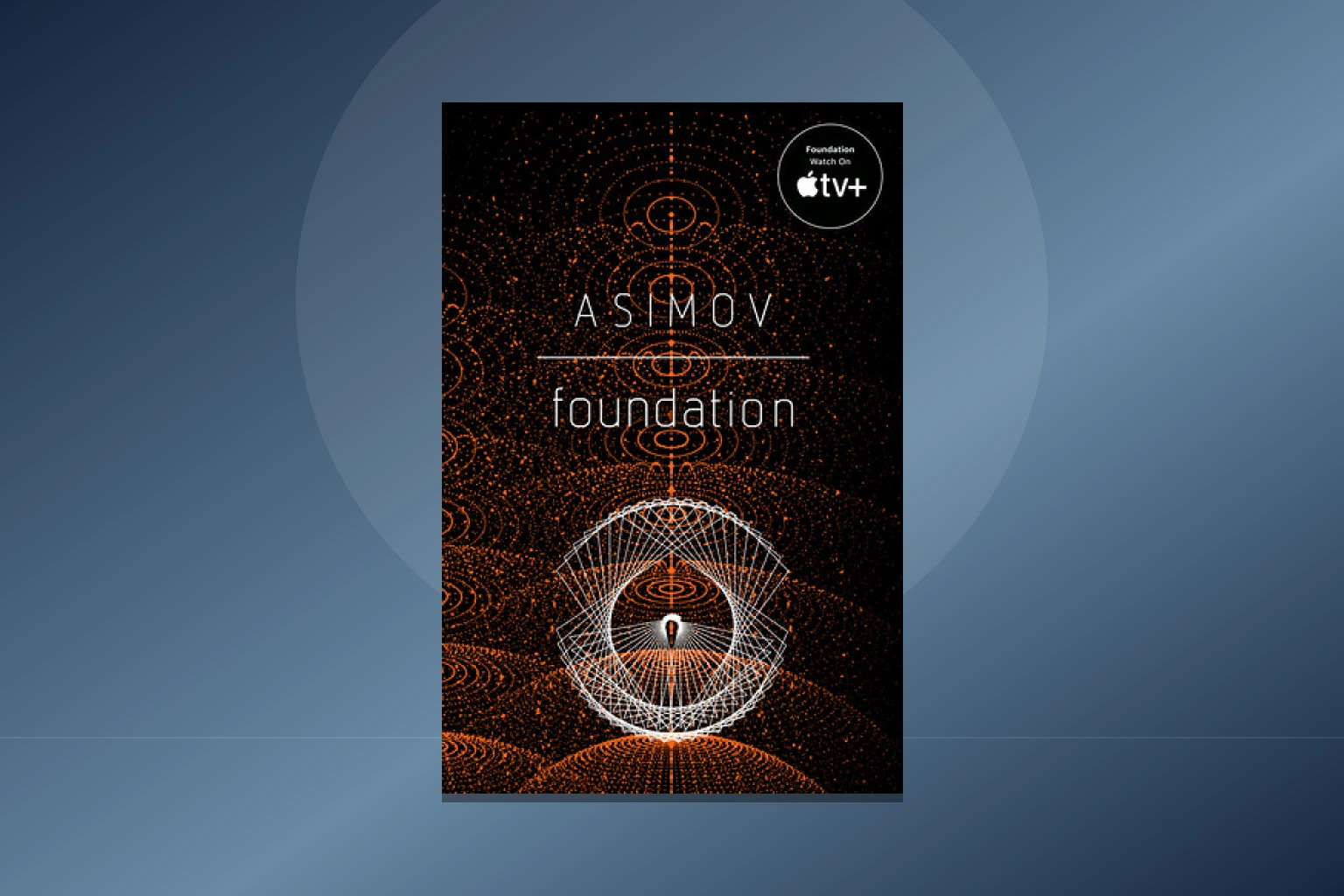
Asimov turns centuries of political change into suspense, while his fictional science of prediction leaves difficult questions about who controls the future.
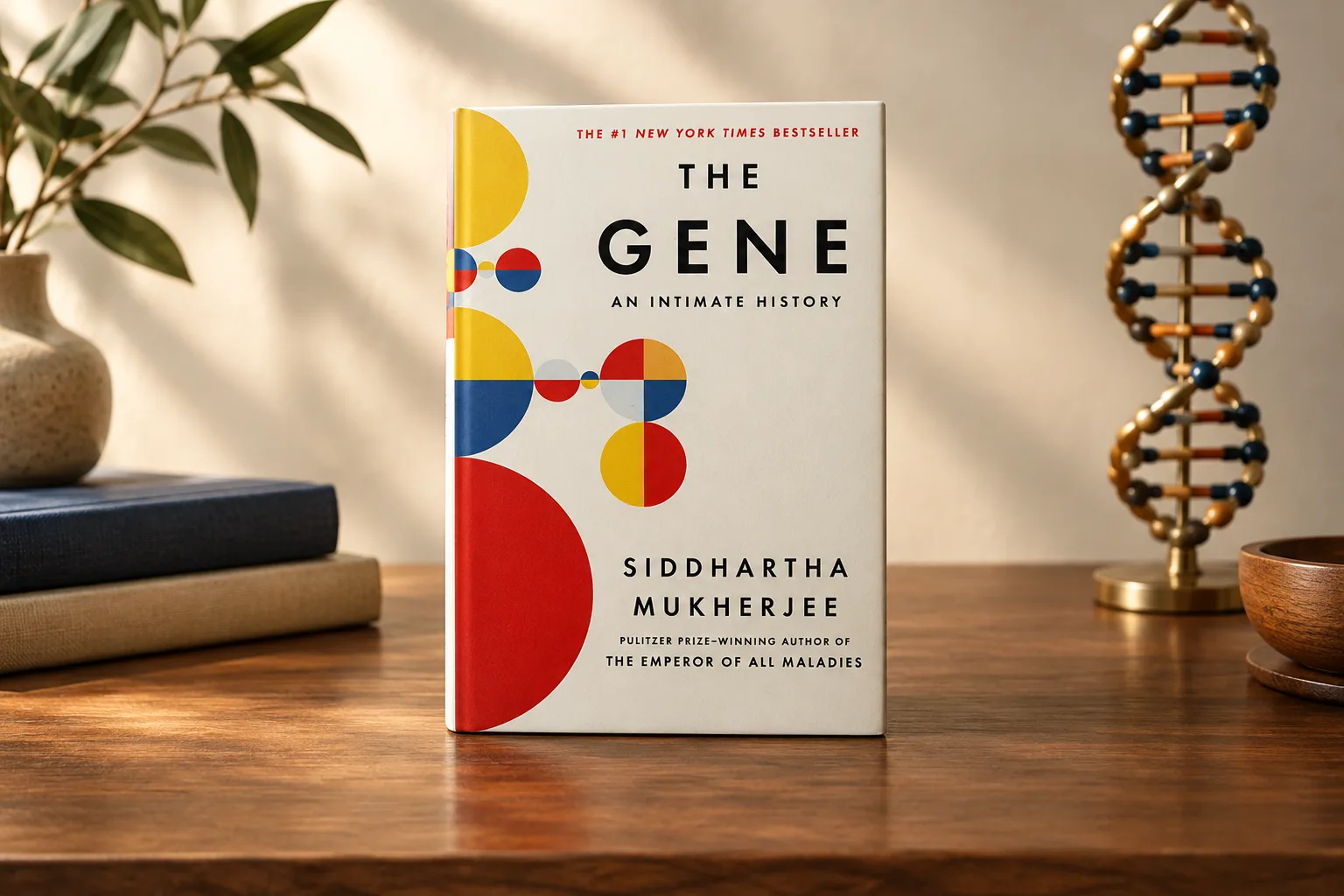
Siddhartha Mukherjee’s sweeping history pairs the changing science of heredity with the personal and political stories that give genes their meaning. The book’s broad reach is its strength—and a reason to keep scientific uncertainty in view.
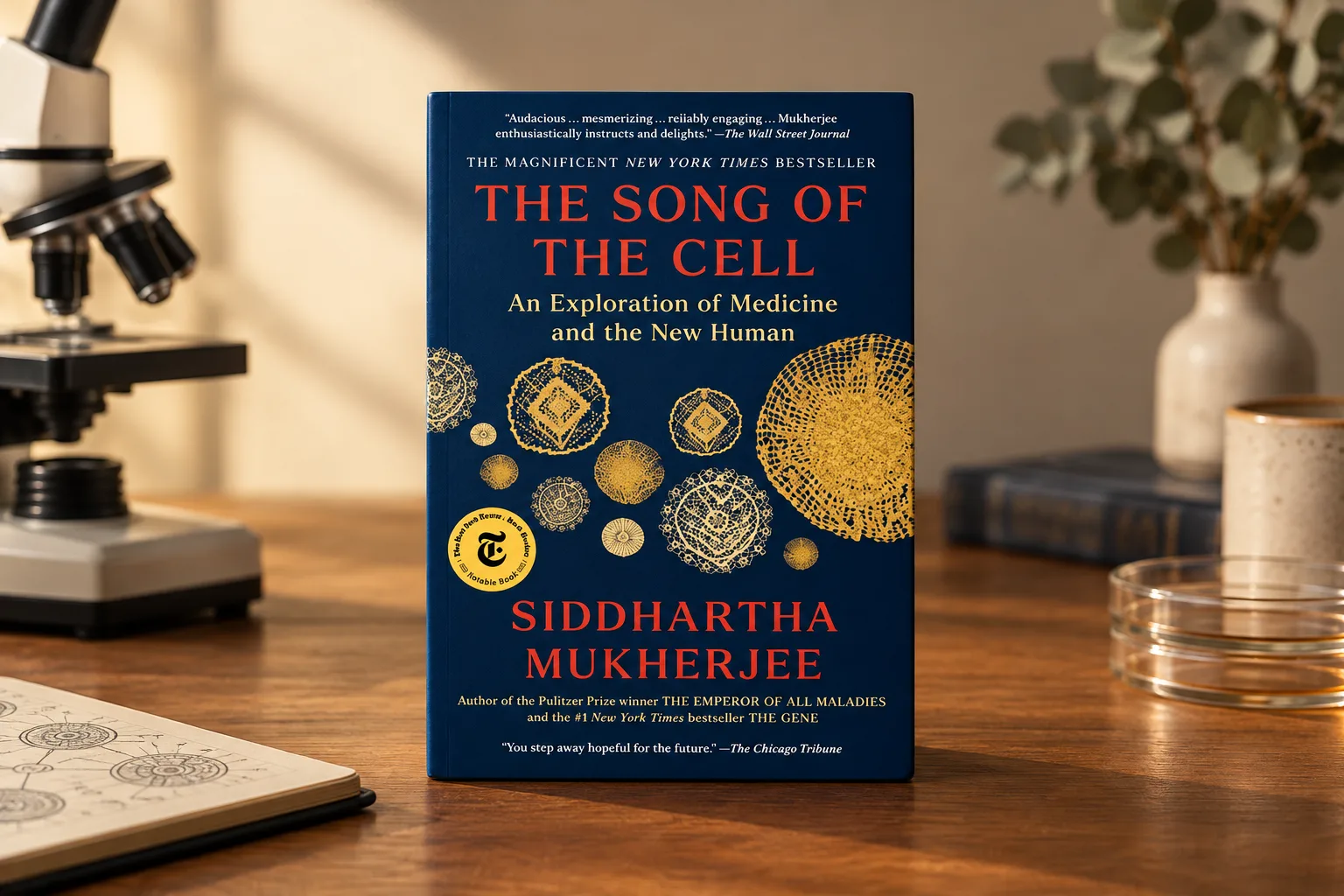
Siddhartha Mukherjee connects the history of cell biology with medicine’s hopes for cellular therapies. The book makes a microscopic subject accessible, while raising a harder question: who sets priorities when scientific promise meets public need?
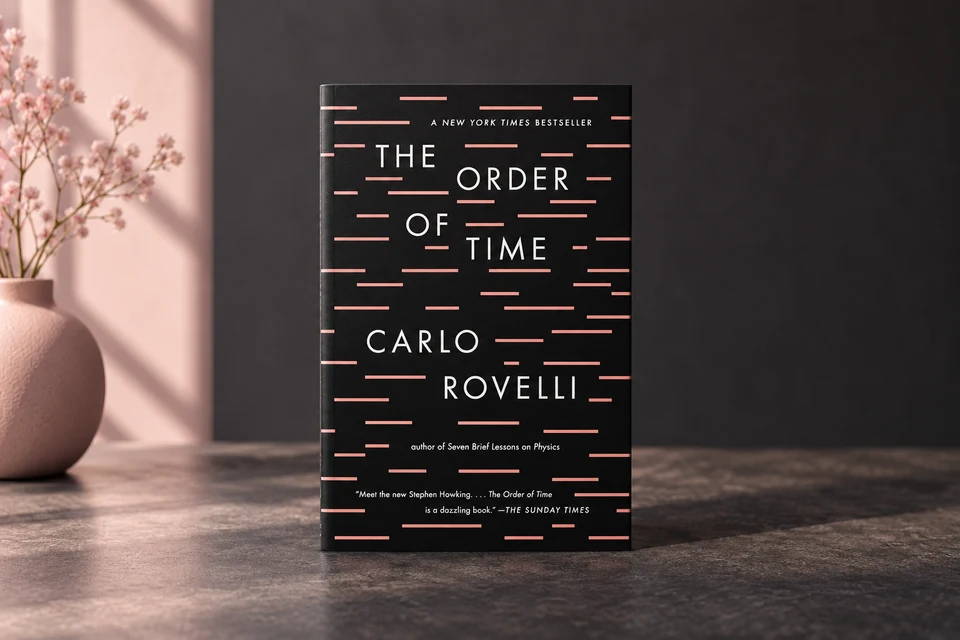
Carlo Rovelli turns a familiar certainty into a series of questions. His compact account of modern physics is most illuminating when it connects the clock's measurements with the time we actually feel.

Robin Wall Kimmerer braids botany with Potawatomi knowledge to propose a fundamental shift: from seeing the living world as a resource to treating it as a community of reciprocal relationships.
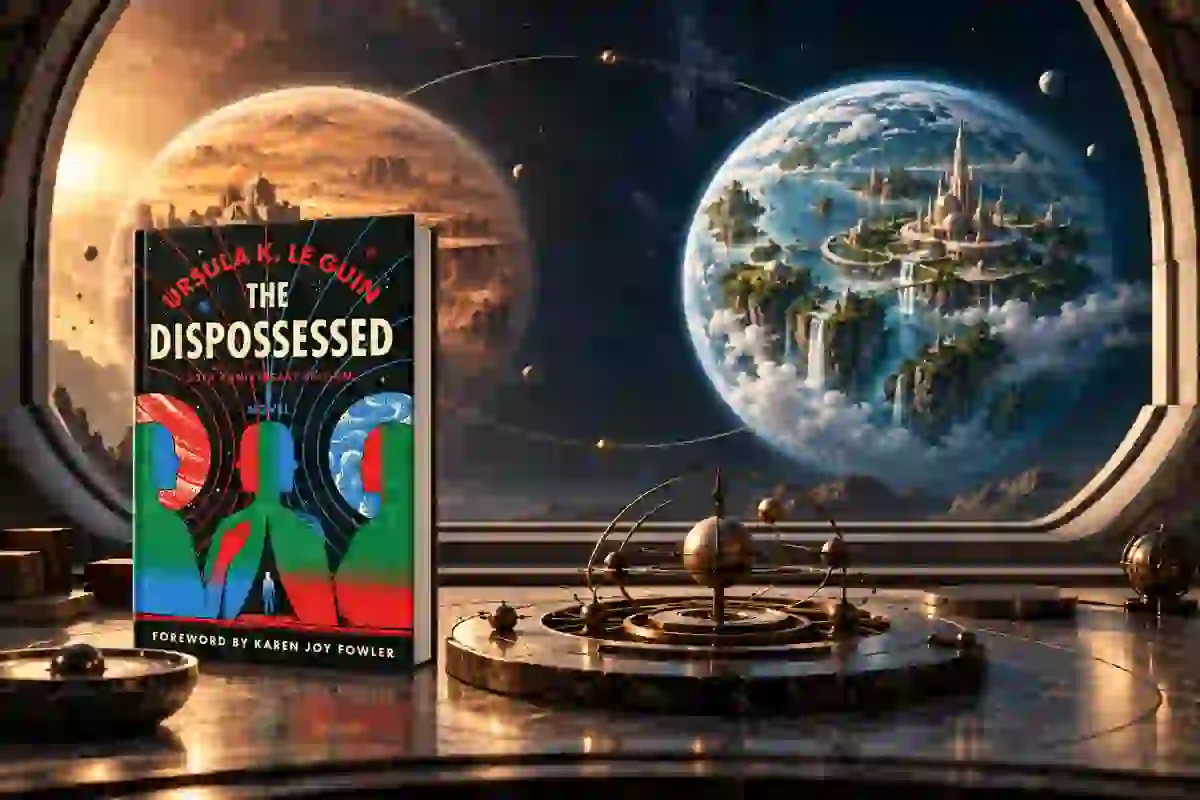
Ursula K. Le Guin tests political ideals against the institutions and habits that grow around them, using two societies to make comparison itself an ethical practice.