


Read with greater care
Understand every story more deeply

100%

Editorial independence

No sponsorship is accepted to alter the conclusions or scores of reviews.

No disguised advertising
2

Review stages

Every draft is checked for clarity, sourcing, and the limits of its claims before publication.

AI-assisted, human-accountable
100

Point review scale

Our transparent score reflects depth, argument quality, originality, and practical value.

A consistent evaluation framework

EDITOR’S PICKS

In-depth reviews and essays

Carefully read, researched, and challenged by the Tale24 editorial team.

Illustration for article How to Do Nothing by Jenny Odell: Is It a Productivity Book?
Culture & Technology• 6 minutes of reading

How to Do Nothing by Jenny Odell: Is It a Productivity Book?

In this review of Jenny Odell's How to Do Nothing, Tale24 argues that its strongest idea is not digital detox but learning to defend attention as a social and ecological practice. The essay also weighs what the book offers readers who need practical advice.

Original connections among art, ecology, place, and digital life

Noteworthy pointOriginal connections among art, ecology, place, and digital lifeLimitations to noteIts reflective approach offers fewer immediate steps for readers under severe time pressure
Tale24 Score91/100Best for: Readers interested in attention, technology, art, ecology, and public lifeRead the review
Illustration for article Empire of AI: Who Pays for the Boom?
Economics• 6 minutes of reading

Empire of AI: Who Pays for the Boom?

Karen Hao follows the people and resources behind the AI race, from corporate leadership to data labor and water use. Her reporting asks who gets the gains and who bears the costs.

Connects corporate decisions to the workers, infrastructure and resources behind AI services.

Noteworthy pointConnects corporate decisions to the workers, infrastructure and resources behind AI services.Limitations to noteIts close focus on OpenAI leaves less room to compare other AI business models.
Tale24 Score90/100Best for: Readers interested in technology, political economy, labor and the public costs of innovation.Read the review
Illustration for article Invisible Women: What Institutions Cannot See, They Cannot Fix
Technology & Society• 6 minutes of reading

Invisible Women: What Institutions Cannot See, They Cannot Fix

Caroline Criado Perez shows how the absence of gender-specific evidence becomes a design decision, shaping medicine, transport, work, and public policy long before anyone names the bias.

Exceptional range, concrete case studies, and a persuasive account of how missing data becomes material inequality.

Noteworthy pointExceptional range, concrete case studies, and a persuasive account of how missing data becomes material inequality.Limitations to noteThe panoramic approach sometimes compresses differences among women, and better data alone cannot resolve political priorities.
Tale24 Score92/100Best for: Designers, policymakers, researchers, technologists, health professionals, and readers interested in institutional bias.Read the review
Illustration for article The Design of Everyday Things: When the User Is Not at Fault
Technology & Design• 6 minutes of reading

The Design of Everyday Things: When the User Is Not at Fault

From doors that are difficult to open to software interfaces, Don Norman shows how good design makes right actions easy to understand and mistakes easy to recover from.

Easy-to-apply concepts, real-life examples, and effective changes to the way product teams view user errors
Noteworthy pointEasy-to-apply concepts, real-life examples, and effective changes to the way product teams view user errorsLimitations to noteSome technology examples are dated and need to be expanded with a modern accessibility perspective
Tale24 Score95/100Best for: Designers, programmers, product managers, and anyone who builds tools for others to useRead the review
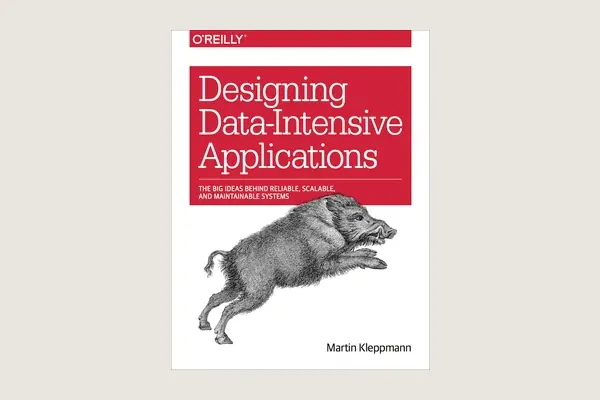
Illustration for article Designing Data-Intensive Applications: Principles Behind Reliable Data Systems
Data architecture• 6 minutes of reading

Designing Data-Intensive Applications: Principles Behind Reliable Data Systems

Martin Kleppmann’s Designing Data-Intensive Applications explains replication, partitioning, consensus, and the architectural trade-offs behind modern data systems.

Deep mechanics explanation, fair technology comparison, and focus on architectural trade-offs

Noteworthy pointDeep mechanics explanation, fair technology comparison, and focus on architectural trade-offsLimitations to noteHigh density of knowledge, requires backend foundation and practice time to absorb
Tale24 Score98/100Best for: Backend engineer, data engineer, architect and distributed system operations engineerRead the review
Illustration for article The Pragmatic Programmer: Habits for Sustainable Software Work
Software engineering• 6 minutes of reading

The Pragmatic Programmer: Habits for Sustainable Software Work

Evaluate the enduring principles of accountability, feedback, automation, and adaptability in the software development profession.

Sustainable principles, rich in memorable metaphors and covering both technical and professional attitudes
Noteworthy pointSustainable principles, rich in memorable metaphors and covering both technical and professional attitudesLimitations to noteThe scope is broad so it requires in-depth documentation and project experience to apply in the right context
Tale24 Score95/100Best for: Programmers at all levels want to build a long-term career foundationRead the review
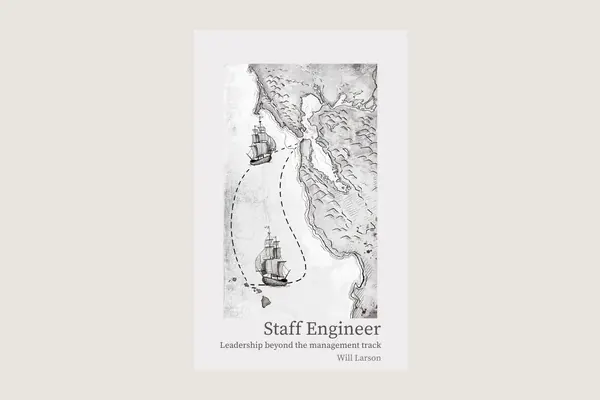
Illustration for article Staff Engineer: A Path to Technical Leadership Beyond Management
Technology careers• 6 minutes of reading

Staff Engineer: A Path to Technical Leadership Beyond Management

Will Larson’s Staff Engineer maps senior technical leadership beyond management through four archetypes, organizational leverage, and the trade-offs of staff-plus work.

Clarifies the many types of technical leadership and the role of organizational influence
Noteworthy pointClarifies the many types of technical leadership and the role of organizational influenceLimitations to noteThe landscape favors large, fast-growing tech companies
Tale24 Score91/100Best for: Senior engineers consider the senior IC or engineering manager pathRead the review
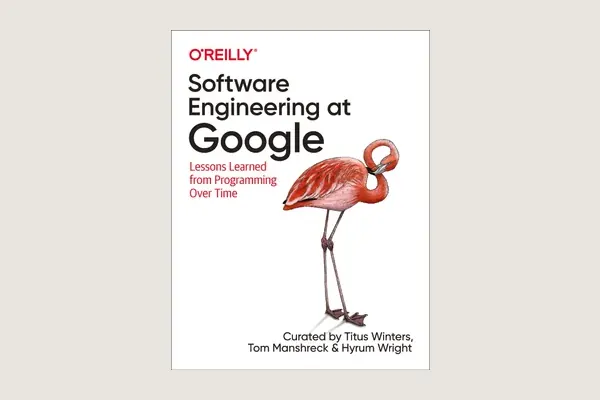
Illustration for article Software Engineering at Google: Building Code to Last at Scale
Software engineering• 6 minutes of reading

Software Engineering at Google: Building Code to Last at Scale

The difference between programming and software engineering lies in longevity, scale, and organizational trade-offs.

Connect code, tools, and culture across the long-term system lifecycle
Noteworthy pointConnect code, tools, and culture across the long-term system lifecycleLimitations to noteMany practices reflect Google's scale, and should not be copied as is
Tale24 Score95/100Best for: Tech lead, platform engineer, and organization with a large codebaseRead the review
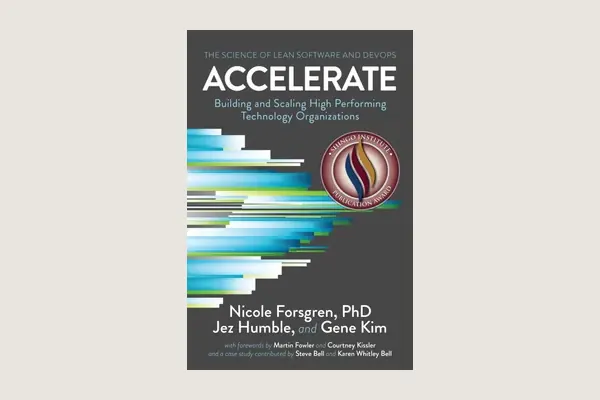
Illustration for article Accelerate: Measuring DevOps with Evidence, Not Slogans
DevOps & Technical Administration• 6 minutes of reading

Accelerate: Measuring DevOps with Evidence, Not Slogans

Research that makes software delivery performance more measurable, while leaving room for context and judgment.

Clear research platform and useful set of metrics for software delivery

Noteworthy pointClear research platform and useful set of metrics for software deliveryLimitations to noteNot an implementation manual; Metrics can be abused as KPIs
Tale24 Score93/100Best for: Engineering manager, DevOps lead and digital transformation leaderRead the review
Illustration for article Release It!: designing for the day systems fail
DevOps & Operations• 6 minutes of reading

Release It!: designing for the day systems fail

Production does not fail like a test environment; Isolation and recovery capabilities must be designed from the ground up.

Real-life stability model and chain error analysis thinking
Noteworthy pointReal-life stability model and chain error analysis thinkingLimitations to noteFor example the technology needs to be mapped to the current stack
Tale24 Score94/100Best for: Backend, SRE, DevOps and production service ownership teamRead the review

TALE24 EDITORIAL PROCESS

Human judgment behind every review

Each article moves through research, editing and publication checks. The responsible editor remains accountable for the final work.

01

Research

Establish the source and question

Check the book details, material facts and the review's critical angle.

02

Editing

Test the argument

Distinguish evidence from opinion and make the strengths and limits clear.

03

Publication

Check the reader experience

Verify images, metadata, links and the article's final presentation.

TALE24 METHODOLOGY

Three Pillars of Content

Critical standards help readers select worthwhile ideas in an age of information overload.

01

Refining the Essence

The summary is concise but does not impoverish the value of the original work. The context and core ideas are always preserved.

Save time, double the depth
02

Multidimensional Criticism

Evaluate the pros and cons with a fair attitude, not commercial flattery.

Never compromise with superficiality
03

Consistent Scoring

A 100-point scale with clear criteria helps readers choose the right book for their goals.

A transparent editorial framework
EDITORIAL MANIFESTO • TALE24 MANIFESTCIRCULATE WITH READERS
“We believe that in an era of quick quotes, the patience to fully understand an idea is the rarest but most valuable quality.”

Tale24 is not born to encourage you to read more in quantity. Our mission is to be a quiet critical companion: distilling valuable ideas, deciphering the layers of meaning behind words, and courageously questioning the obvious.

APPROVED BYTale24 Editorial Board Quality independent appraisal
Committed to real content & advertising transparency

Tale24 separates editorial content from advertising. Automated advertising does not change the critical conclusions.

Learn about the disclosure policy