
Read with greater care
Understand every story more deeply

100%

Editorial independence

No sponsorship is accepted to alter the conclusions or scores of reviews.

No disguised advertising
2

Review stages

Every draft is checked for clarity, sourcing, and the limits of its claims before publication.

AI-assisted, human-accountable
100

Point review scale

Our transparent score reflects depth, argument quality, originality, and practical value.

A consistent evaluation framework

EDITOR’S PICKS

In-depth reviews and essays

Carefully read, researched, and challenged by the Tale24 editorial team.
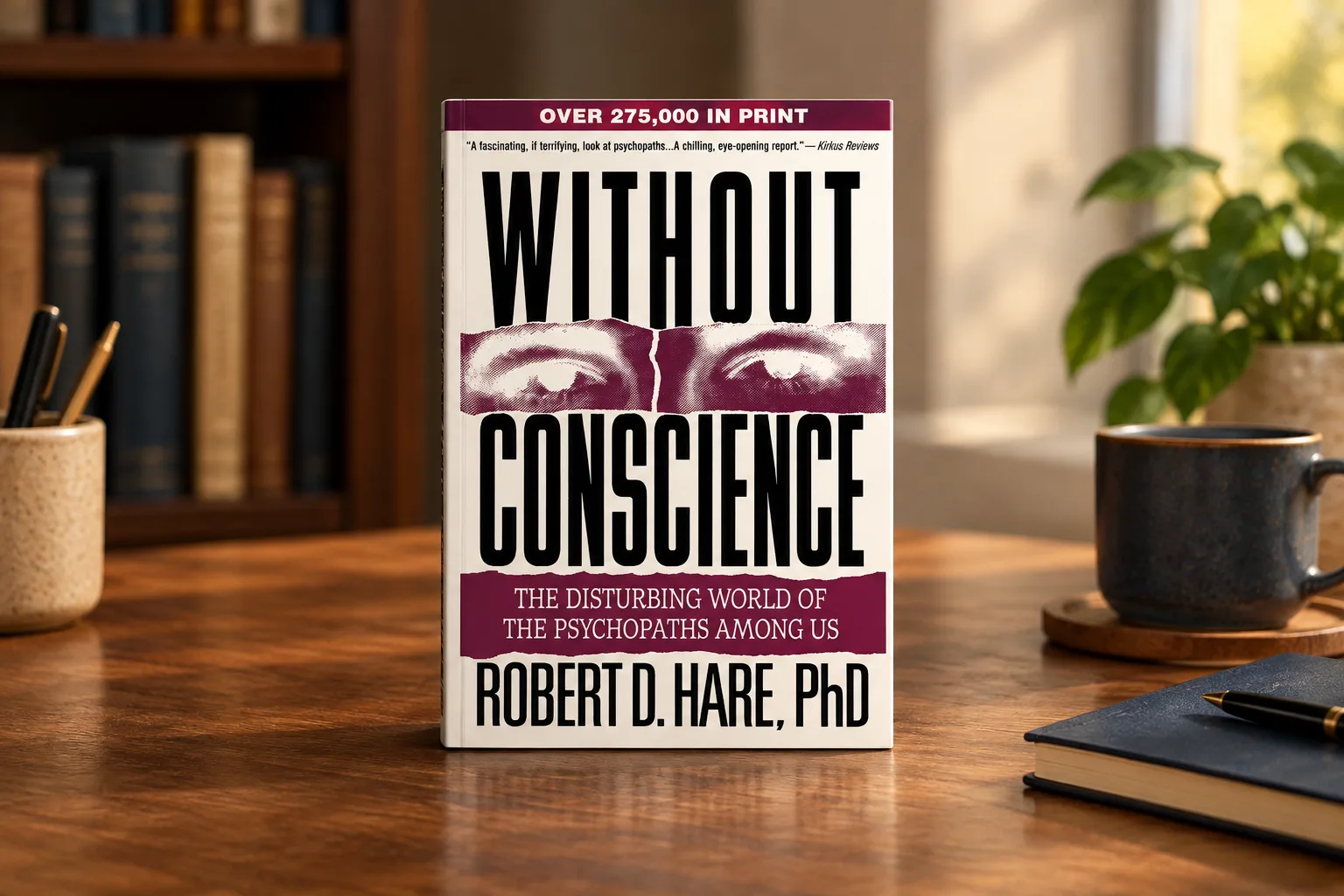
Illustration for article Without Conscience and the Ethics of Naming Psychopathy
Criminal Psychology• 6 minutes of reading

Without Conscience and the Ethics of Naming Psychopathy

Robert D. Hare gives readers a language for persistent exploitation. The book also shows why recognizing harmful behavior is different from diagnosing a person at a distance.

Clear explanation of recurring traits; connects clinical ideas to conduct beyond sensational crimes.
Noteworthy pointClear explanation of recurring traits; connects clinical ideas to conduct beyond sensational crimes.Limitations to noteVivid cases may tempt casual readers to overapply the label; the 1999 edition needs newer research alongside it.
Tale24 Score81/100Best for: Readers interested in criminal psychology and the ethics of describing manipulative behavior without casual diagnosis.Read the review
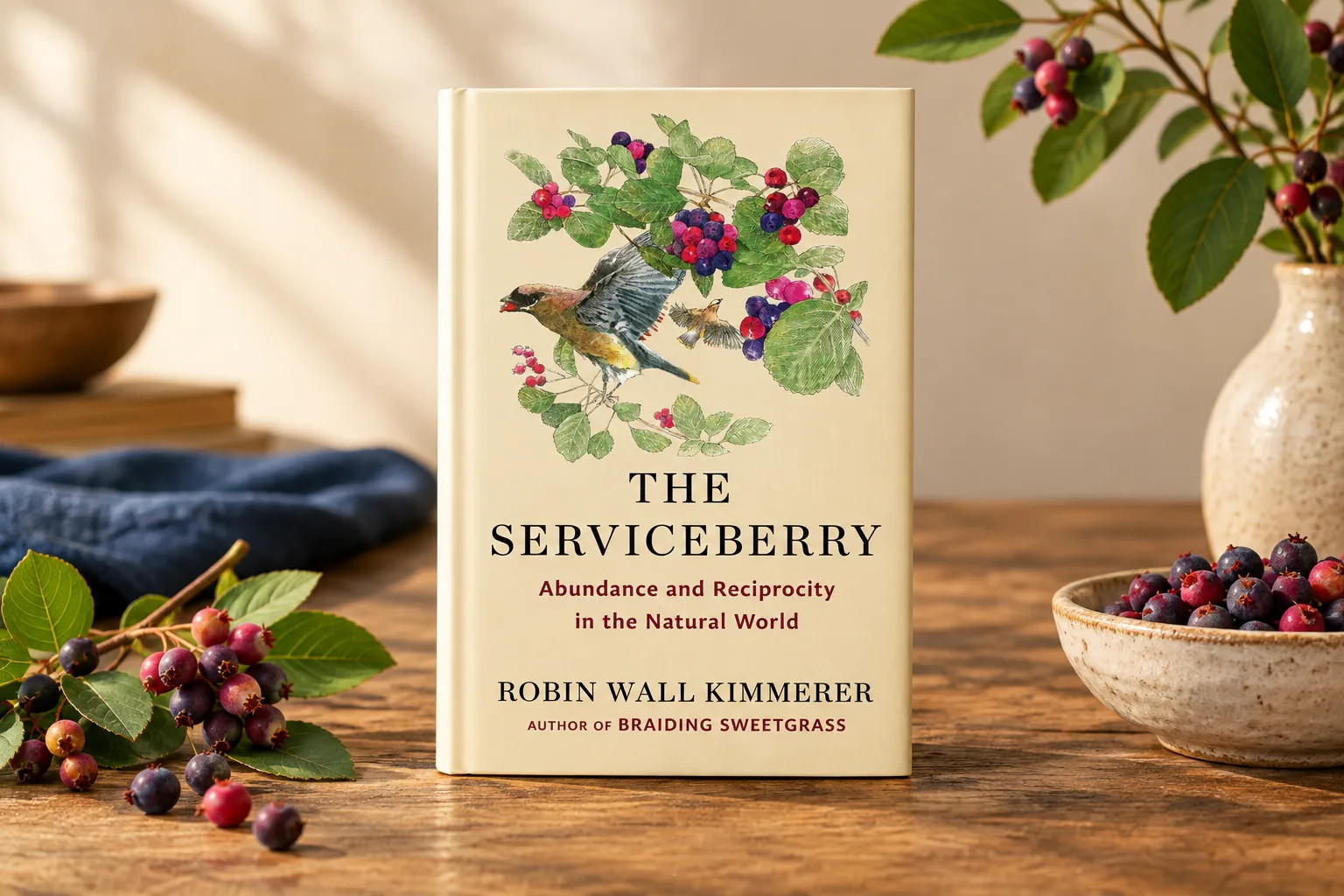
Illustration for article The Serviceberry: What Reciprocity Asks of Us
Nature & Ideas• 7 minutes of reading

The Serviceberry: What Reciprocity Asks of Us

Robin Wall Kimmerer uses the serviceberry to ask how abundance changes when we understand it as a relationship rather than a private possession.

A vivid ecological metaphor; concise, inviting prose; illustrations and practical examples that clarify reciprocity.

Noteworthy pointA vivid ecological metaphor; concise, inviting prose; illustrations and practical examples that clarify reciprocity.Limitations to noteOffers limited detail on how gift-based principles could work across large urban and economic systems.
Tale24 Score86/100Best for: Readers interested in ecology, Indigenous thought, community economics, and the ethics of everyday consumption.Read the review
Illustration for article Everything Is Tuberculosis: A Disease Shaped by Choice
Science & Nature• 6 minutes of reading

Everything Is Tuberculosis: A Disease Shaped by Choice

John Green connects one young patient's story to the long history of tuberculosis. The book's challenge is to see a treatable infection as a question of access, attention, and collective choice.

Connects a human story to the social conditions that determine whether medical knowledge reaches patients

Noteworthy pointConnects a human story to the social conditions that determine whether medical knowledge reaches patientsLimitations to noteIts brief, advocacy-driven form cannot serve as a comprehensive technical history of tuberculosis care
Tale24 Score91/100Best for: General readers of narrative nonfiction, public health, science writing, and social historyRead the review
Illustration for article An Immense World: The Senses We Cannot Borrow
Science & Nature• 6 minutes of reading

An Immense World: The Senses We Cannot Borrow

Ed Yong makes animal perception vivid without pretending humans can inhabit another creature’s mind. The result is a science book about wonder, uncertainty, and the limits of our own senses.

Rigorous and vivid reporting that links sensory science to a practical ethic of attention
Noteworthy pointRigorous and vivid reporting that links sensory science to a practical ethic of attentionLimitations to noteThe sheer number of species and discoveries can overwhelm readers who prefer a narrow, linear argument
Tale24 Score94/100Best for: Curious general readers of science, ecology, animal behavior, and environmental writingRead the review
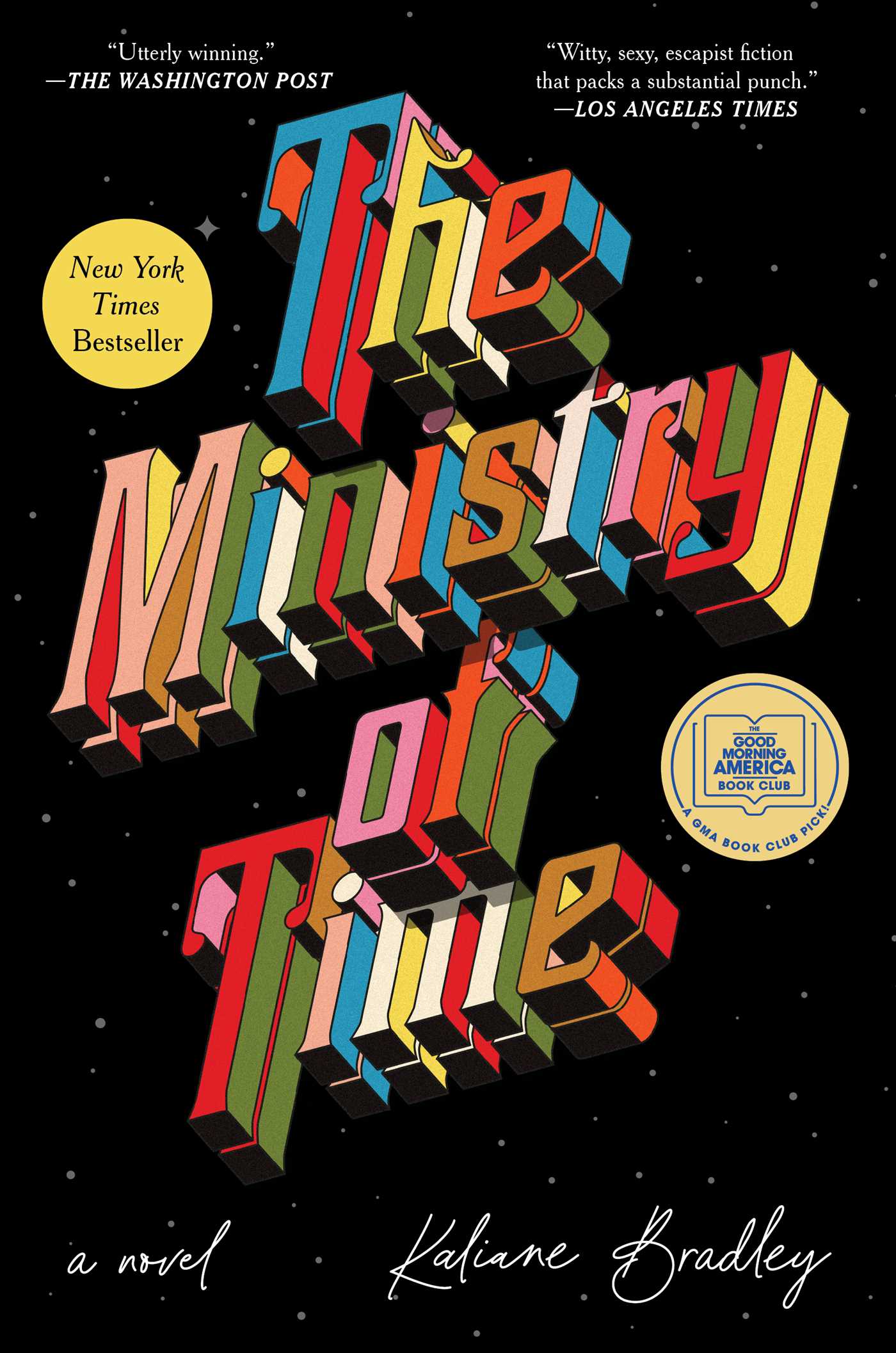
Official cover for The Ministry of Time — Kaliane Bradley
Science Fiction & Fantasy• 6 minutes of reading

The Ministry of Time: Who Gets to Name a Displaced Person?

Kaliane Bradley turns a time-travel romance into a sharp question about who gets to name displacement. As a government “bridge” monitors a Victorian-era visitor, affection, observation, and institutional power become impossible to separate.

A playful genre blend gives its questions about displacement, institutional language, and unequal care an intimate human scale.
Noteworthy pointA playful genre blend gives its questions about displacement, institutional language, and unequal care an intimate human scale.Limitations to noteThe shifting genres and a tightly limited narrator can leave some characters and political questions at the edge of view.
Tale24 Score90/100Best for: Readers of speculative literary fiction, time-travel romances, and book-club stories about migration, history, and power.Read the review
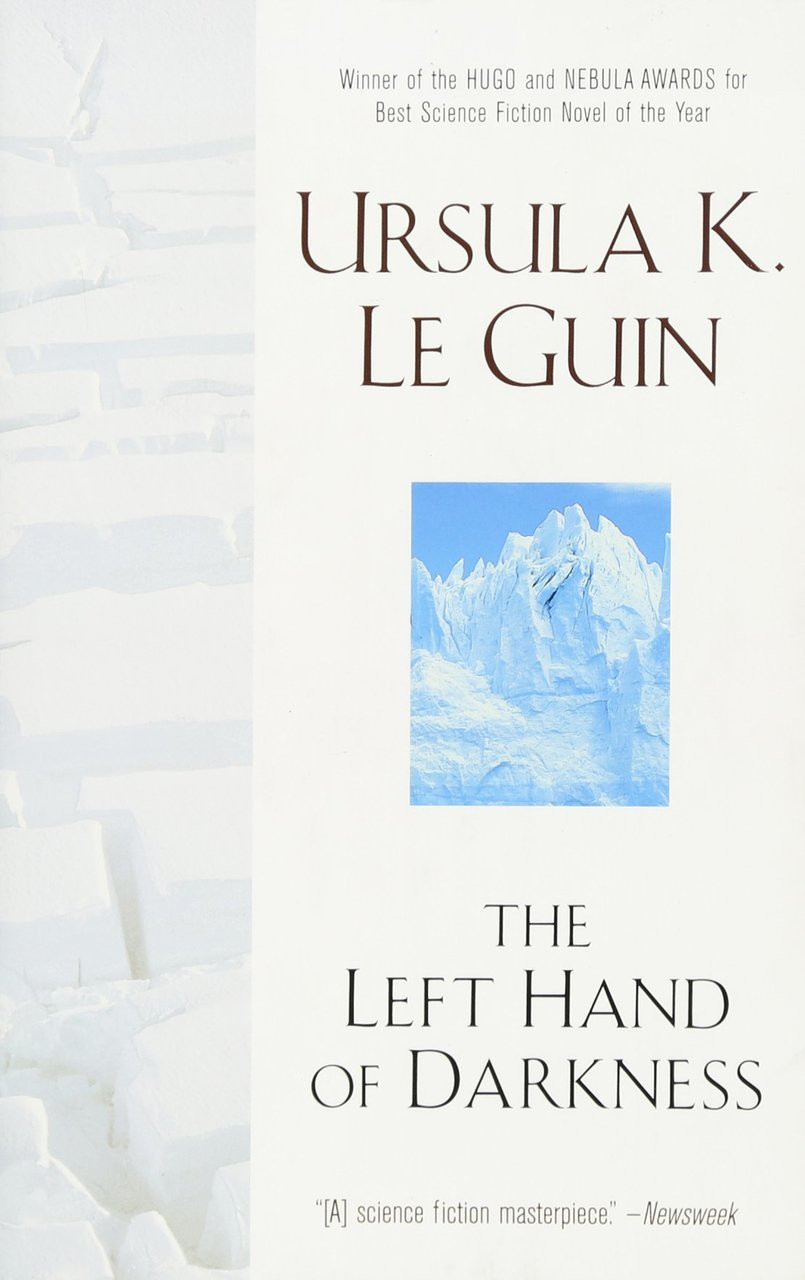
Official cover for The Left Hand of Darkness — Ursula K. Le Guin
Science Fiction & Ideas• 6 minutes of reading

The Left Hand of Darkness: When Gender Stops Being a Ready-Made Answer

Ursula K. Le Guin uses a winter planet to dismantle familiar assumptions about gender, revealing that the greatest barrier between people may be not biology but the habit of treating one's own perspective as universal.

Deep world-building; an exceptional union of politics, anthropology, and emotion; the Genly–Estraven relationship develops with remarkable subtlety.
Noteworthy pointDeep world-building; an exceptional union of politics, anthropology, and emotion; the Genly–Estraven relationship develops with remarkable subtlety.Limitations to noteThe opening is slow, and the masculine pronouns expose the historical limits of an otherwise pioneering experiment.
Tale24 Score96/100Best for: Readers of social science fiction and anyone interested in gender, anthropology, diplomacy, or political philosophyRead the review
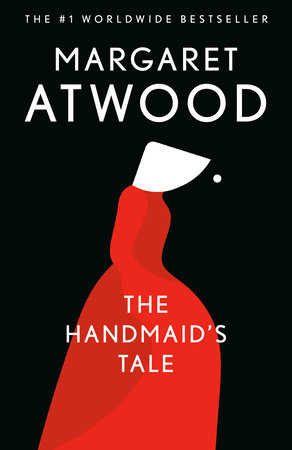
Official cover for The Handmaid’s Tale by Margaret Atwood
Science Fiction and Dystopian Literature• 6 minutes of reading

The Handmaid’s Tale and the Politics of Who Gets to Tell

Margaret Atwood’s dystopian classic makes a woman’s testimony the center of its story, then ends by asking who controls that testimony once it enters the archive. Offred’s intimate, partial account reveals how power reaches everyday life—and how later institutions can preserve a voice while reframing its meaning.

Offred’s restricted narration makes memory and everyday control feel immediate; the “Historical Notes” complicate the idea of an impartial archive; the speculative premise is grounded in ordinary institutions and language.
Noteworthy pointOffred’s restricted narration makes memory and everyday control feel immediate; the “Historical Notes” complicate the idea of an impartial archive; the speculative premise is grounded in ordinary institutions and language.Limitations to noteOffred’s perspective cannot represent every person under Gilead; the future academic frame may feel tonally detached from the testimony it interprets.
Tale24 Score85/100Best for: Readers of dystopian classics, feminist literature, narrative experiments, and stories about memory, testimony, and institutional power.Read the review
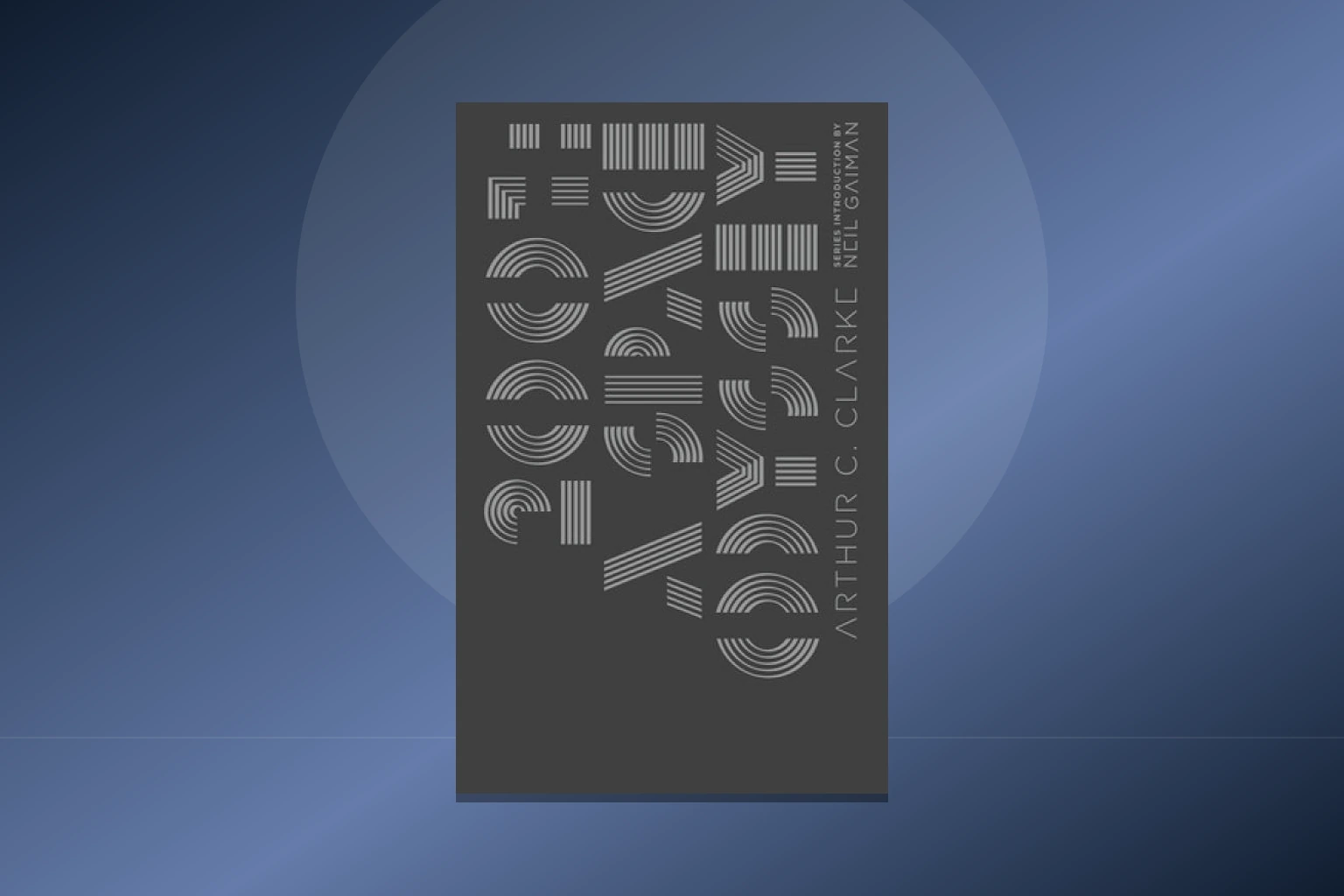
Illustration for article 2001: A Space Odyssey and the Limits of Knowing
Science Fiction & Ideas• 6 minutes of reading

2001: A Space Odyssey and the Limits of Knowing

Clarke sets careful spaceflight detail against the scale of cosmic mystery, making human intelligence look both impressive and incomplete.

A striking union of technical care, vast scale, and philosophical uncertainty
Noteworthy pointA striking union of technical care, vast scale, and philosophical uncertaintyLimitations to noteMeasured pacing and cool characterization will not suit every reader
Tale24 Score93/100Best for: Readers who enjoy contemplative space fiction and questions about knowledgeRead the review
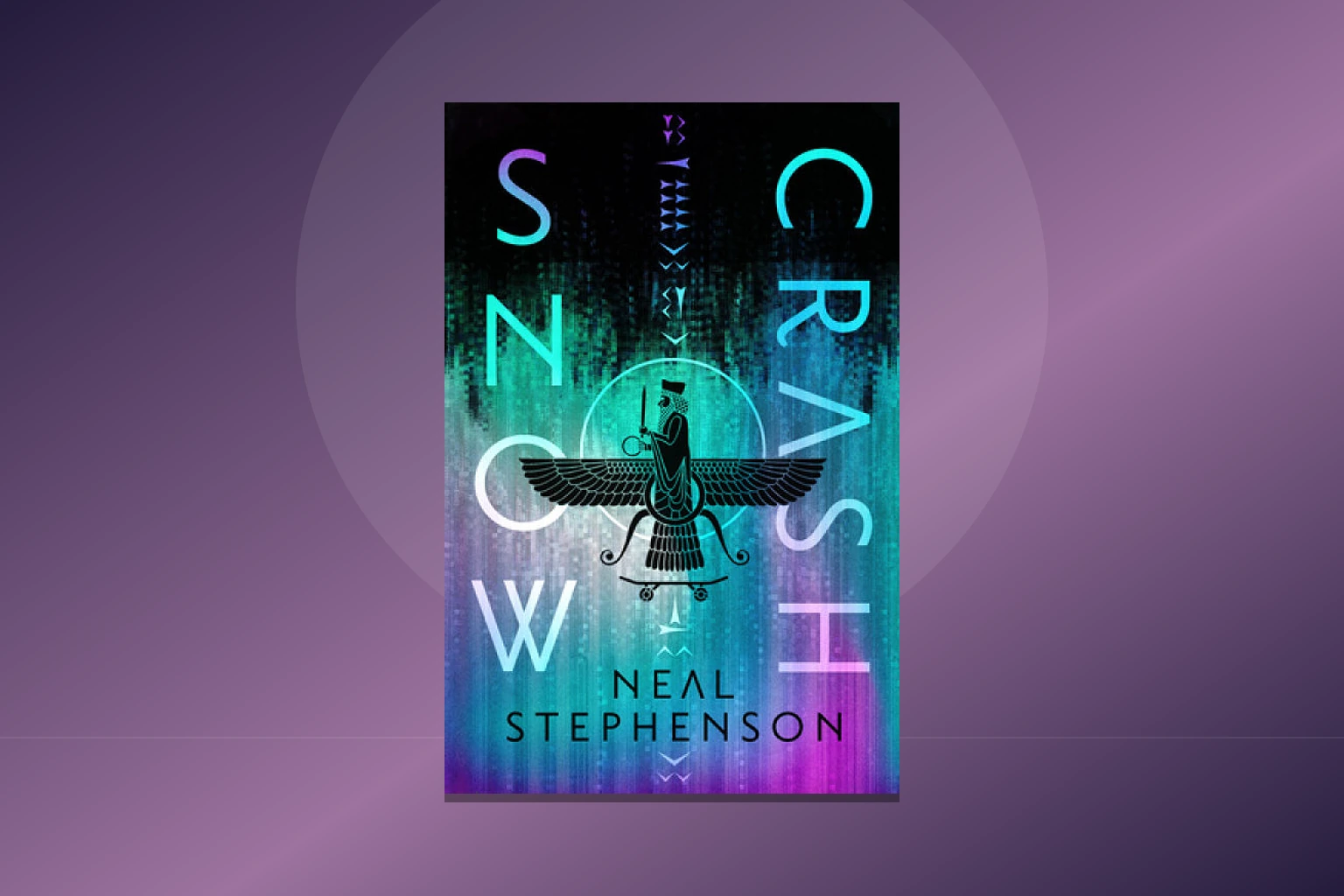
Illustration for article Snow Crash: A Virtual World Built by a Franchised One
Science Fiction & Ideas• 6 minutes of reading

Snow Crash: A Virtual World Built by a Franchised One

Stephenson’s Metaverse matters because it extends a physical world already carved up by brands, private power, and contested language.

Energetic satire, inventive settings, and a sharp link between physical and virtual power
Noteworthy pointEnergetic satire, inventive settings, and a sharp link between physical and virtual powerLimitations to noteDense explanation and deliberate excess sometimes interrupt the story’s momentum
Tale24 Score90/100Best for: Readers who like cyberpunk, social satire, and ambitious idea-driven fictionRead the review
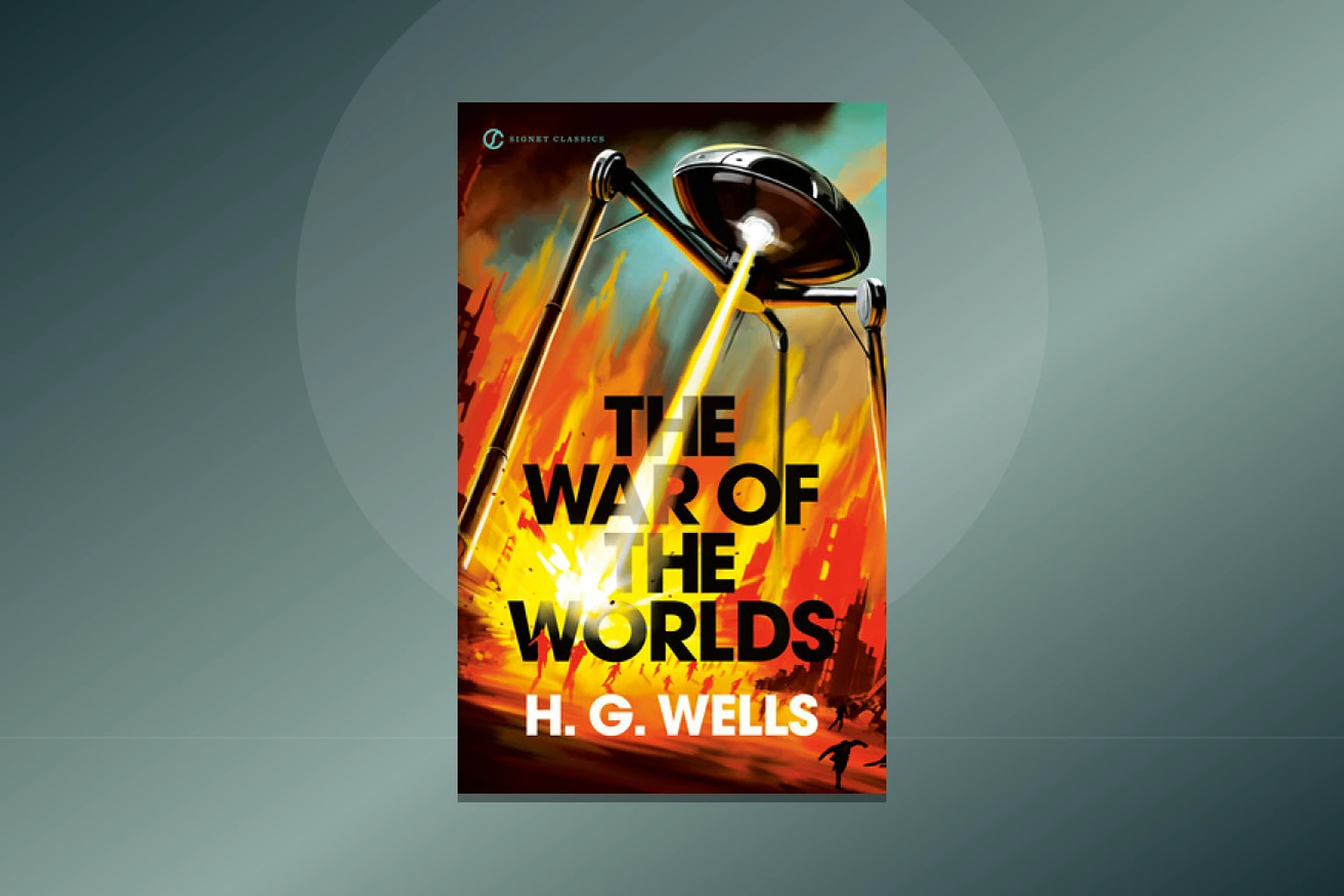
Illustration for article The War of the Worlds: When the Invaders Hold the Mirror
Science Fiction & Ideas• 6 minutes of reading

The War of the Worlds: When the Invaders Hold the Mirror

Wells reverses the viewpoint of a technologically dominant society, turning an alien invasion into a study of power and human vulnerability.

A compelling shift in perspective and an influential account of social disruption
Noteworthy pointA compelling shift in perspective and an influential account of social disruptionLimitations to noteIts observational distance and period science can feel remote
Tale24 Score92/100Best for: Readers interested in classic science fiction, invasion stories, and historical contextRead the review

TALE24 EDITORIAL PROCESS

Human judgment behind every review

Each article moves through research, editing and publication checks. The responsible editor remains accountable for the final work.

01

Research

Establish the source and question

Check the book details, material facts and the review's critical angle.

02

Editing

Test the argument

Distinguish evidence from opinion and make the strengths and limits clear.

03

Publication

Check the reader experience

Verify images, metadata, links and the article's final presentation.

TALE24 METHODOLOGY

Three Pillars of Content

Critical standards help readers select worthwhile ideas in an age of information overload.

01

Refining the Essence

The summary is concise but does not impoverish the value of the original work. The context and core ideas are always preserved.

Save time, double the depth
02

Multidimensional Criticism

Evaluate the pros and cons with a fair attitude, not commercial flattery.

Never compromise with superficiality
03

Consistent Scoring

A 100-point scale with clear criteria helps readers choose the right book for their goals.

A transparent editorial framework
EDITORIAL MANIFESTO • TALE24 MANIFESTCIRCULATE WITH READERS
“We believe that in an era of quick quotes, the patience to fully understand an idea is the rarest but most valuable quality.”

Tale24 is not born to encourage you to read more in quantity. Our mission is to be a quiet critical companion: distilling valuable ideas, deciphering the layers of meaning behind words, and courageously questioning the obvious.

APPROVED BYTale24 Editorial Board Quality independent appraisal
Committed to real content & advertising transparency

Tale24 separates editorial content from advertising. Automated advertising does not change the critical conclusions.

Learn about the disclosure policy