


Read with greater care
Understand every story more deeply

100%

Editorial independence

No sponsorship is accepted to alter the conclusions or scores of reviews.

No disguised advertising
2

Review stages

Every draft is checked for clarity, sourcing, and the limits of its claims before publication.

AI-assisted, human-accountable
100

Point review scale

Our transparent score reflects depth, argument quality, originality, and practical value.

A consistent evaluation framework

EDITOR’S PICKS

In-depth reviews and essays

Carefully read, researched, and challenged by the Tale24 editorial team.
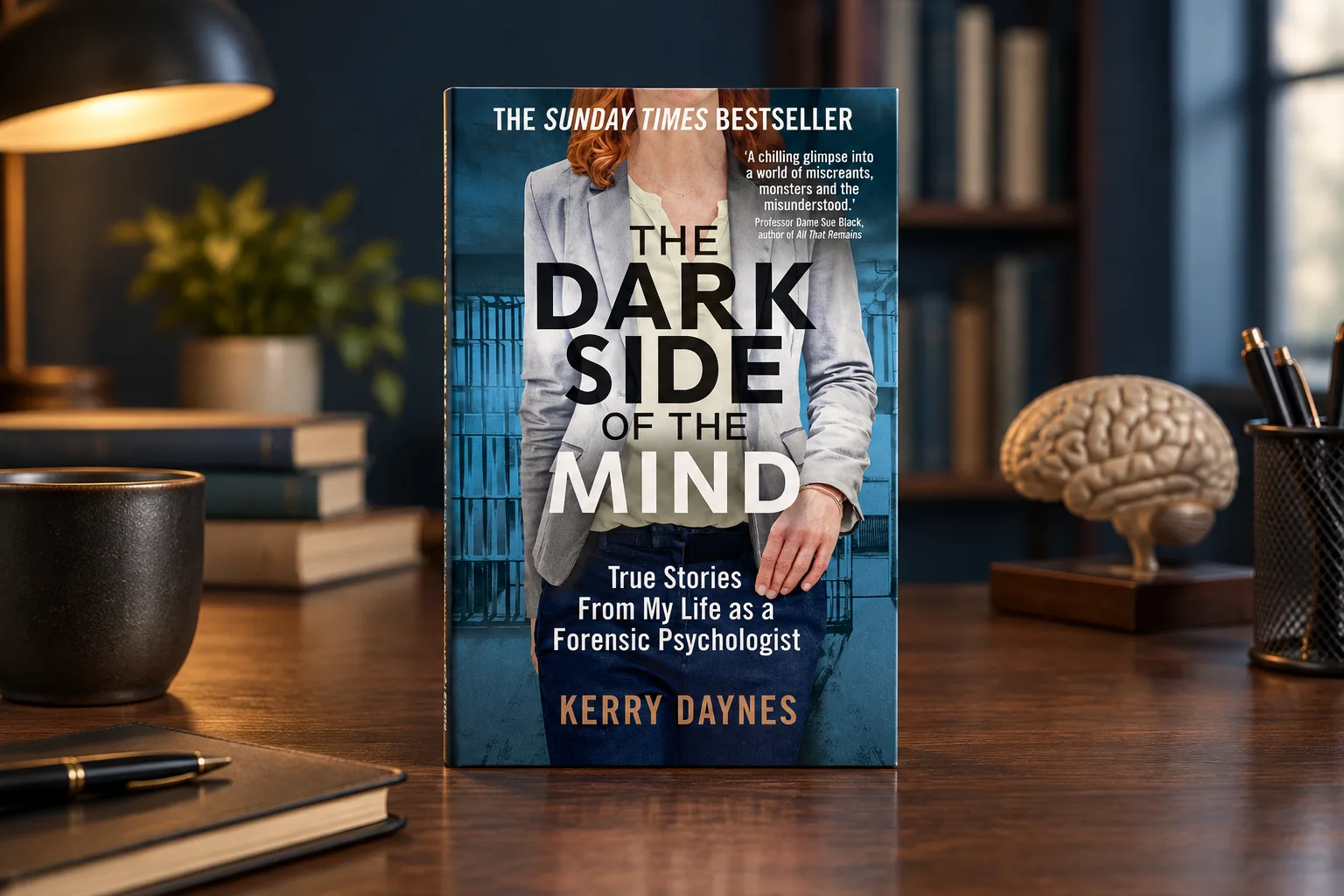
Illustration for article The Dark Side of the Mind: Forensic Psychology Beyond the Spectacle
Criminal Psychology• 6 minutes of reading

The Dark Side of the Mind: Forensic Psychology Beyond the Spectacle

Kerry Daynes brings readers into the everyday work of forensic psychology. Her memoir is most revealing when it looks past notorious cases toward judgment, care, and institutional pressure.

A grounded practitioner perspective connects difficult cases to the ethics and conditions of forensic work.
Noteworthy pointA grounded practitioner perspective connects difficult cases to the ethics and conditions of forensic work.Limitations to noteSelected memoir cases cannot establish broad rules about violence, diagnosis, or the criminal justice system.
Tale24 Score85/100Best for: Readers of forensic psychology who want a humane account of practice rather than a catalog of offenders.Read the review
Illustration for article Without Conscience and the Ethics of Naming Psychopathy
Criminal Psychology• 6 minutes of reading

Without Conscience and the Ethics of Naming Psychopathy

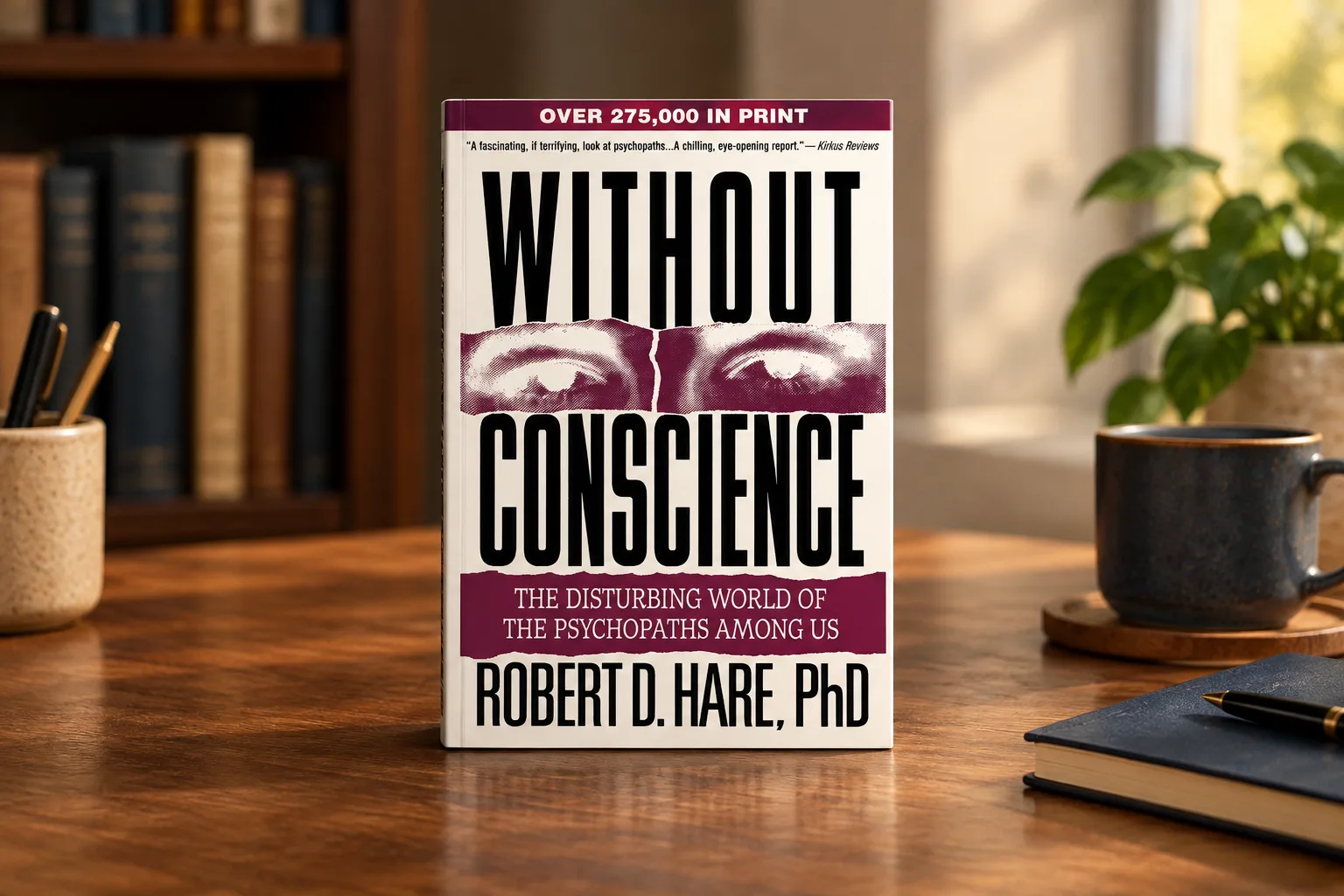
Robert D. Hare gives readers a language for persistent exploitation. The book also shows why recognizing harmful behavior is different from diagnosing a person at a distance.

Clear explanation of recurring traits; connects clinical ideas to conduct beyond sensational crimes.
Noteworthy pointClear explanation of recurring traits; connects clinical ideas to conduct beyond sensational crimes.Limitations to noteVivid cases may tempt casual readers to overapply the label; the 1999 edition needs newer research alongside it.
Tale24 Score81/100Best for: Readers interested in criminal psychology and the ethics of describing manipulative behavior without casual diagnosis.Read the review
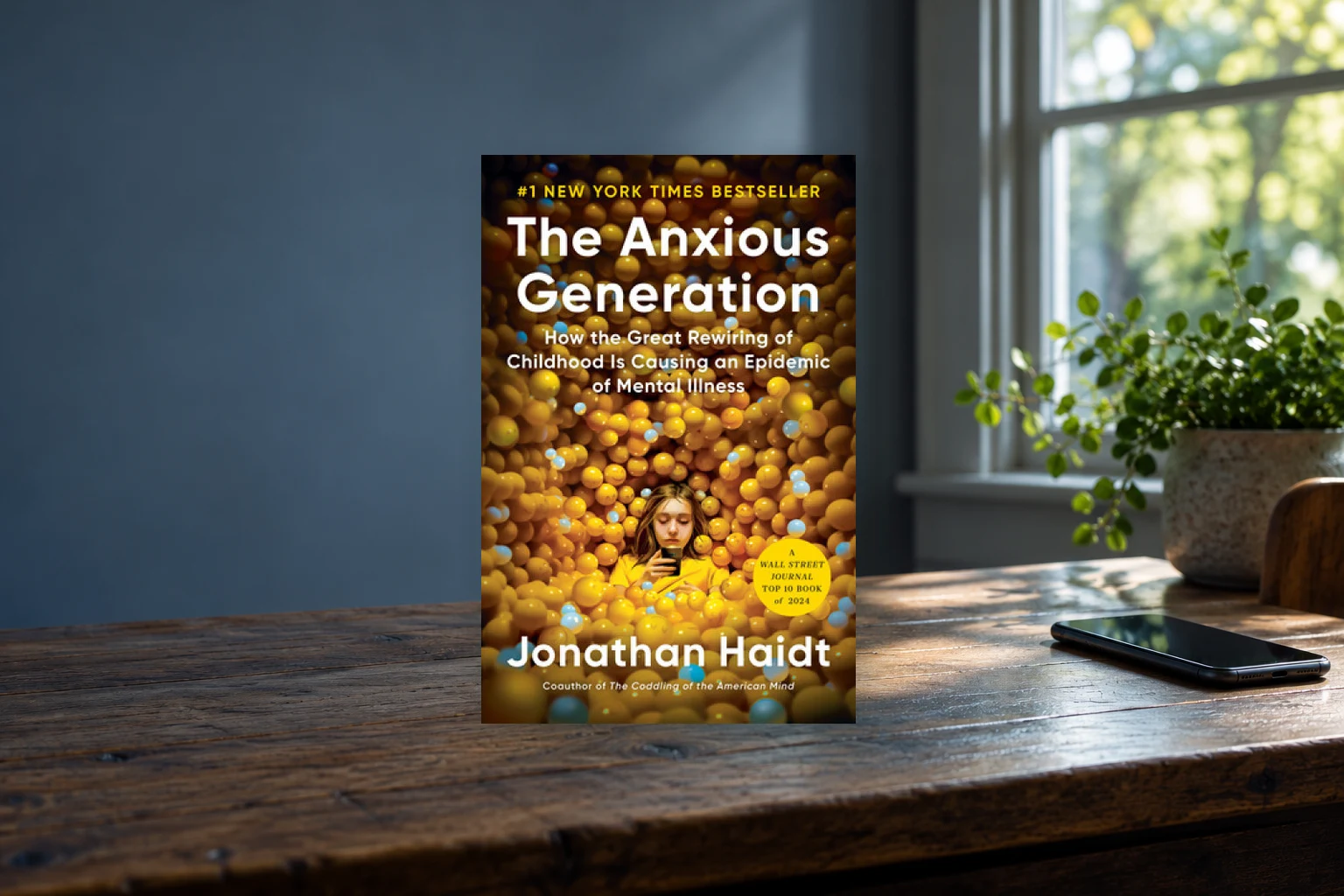
Illustration for article The Anxious Generation: A Powerful Case with an Unsettled Cause
Psychology & Skills• 6 minutes of reading

The Anxious Generation: A Powerful Case with an Unsettled Cause

Jonathan Haidt links a phone-based childhood to adolescent distress and calls for collective change. His argument opens a needed discussion about play and digital life, while its causal certainty remains contested.

A clear public framework connects digital design, childhood independence, and collective action.
Noteworthy pointA clear public framework connects digital design, childhood independence, and collective action.Limitations to noteThe causal account can sound more settled than the research allows and can crowd out other pressures on teenagers.
Tale24 Score82/100Best for: Parents, educators, and readers interested in youth development and the evidence behind screen policies.Read the review
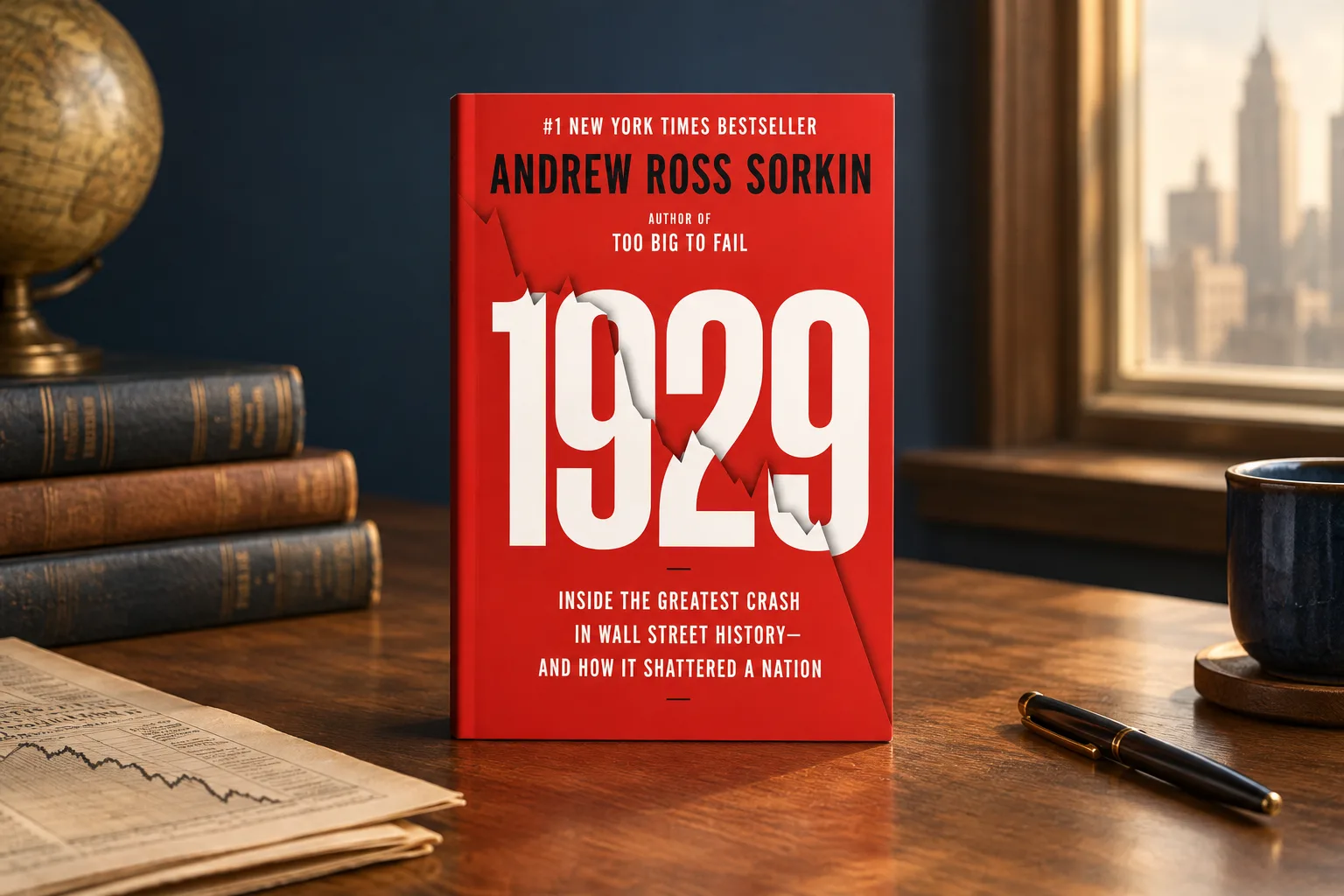
Illustration for article 1929: The Human Machinery of a Market Crash
Economics• 7 minutes of reading

1929: The Human Machinery of a Market Crash

Andrew Ross Sorkin turns the Wall Street crash into a story of decisions, incentives, and misplaced confidence. The history is most useful when read as an inquiry into how crises are made, not as a prediction of the next one.

Vivid archival narrative makes the decisions and confidence behind a financial crisis legible.
Noteworthy pointVivid archival narrative makes the decisions and confidence behind a financial crisis legible.Limitations to noteThe focus on prominent financial figures gives ordinary people less space in the account.
Tale24 Score89/100Best for: Readers of economic history and narrative nonfiction interested in financial power and public policy.Read the review
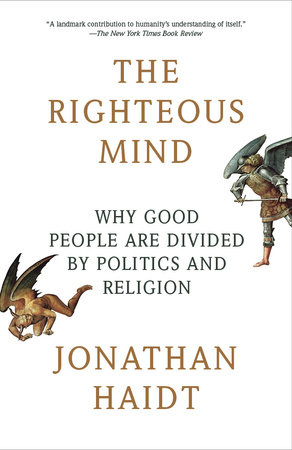
Official cover for The Righteous Mind: Why Good People Are Divided by Politics and Religion — Jonathan Haidt
Psychology & Life Skills• 6 minutes of reading

The Righteous Mind and the Limits of Moral Maps

Jonathan Haidt’s account of moral intuition can make political disagreement easier to understand, but its memorable categories work best as questions to test—not a complete map of every person’s moral life.

An accessible framework for noticing moral concerns beyond harm and fairness; encourages readers to examine opponents’ values rather than dismissing them.
Noteworthy pointAn accessible framework for noticing moral concerns beyond harm and fairness; encourages readers to examine opponents’ values rather than dismissing them.Limitations to noteThe categories can appear more universal or fixed than the evidence warrants; group patterns should not be mistaken for individual explanations.
Tale24 Score80/100Best for: Readers interested in moral psychology, political disagreement, and the ways people justify their values; best read alongside current specialist research.Read the review
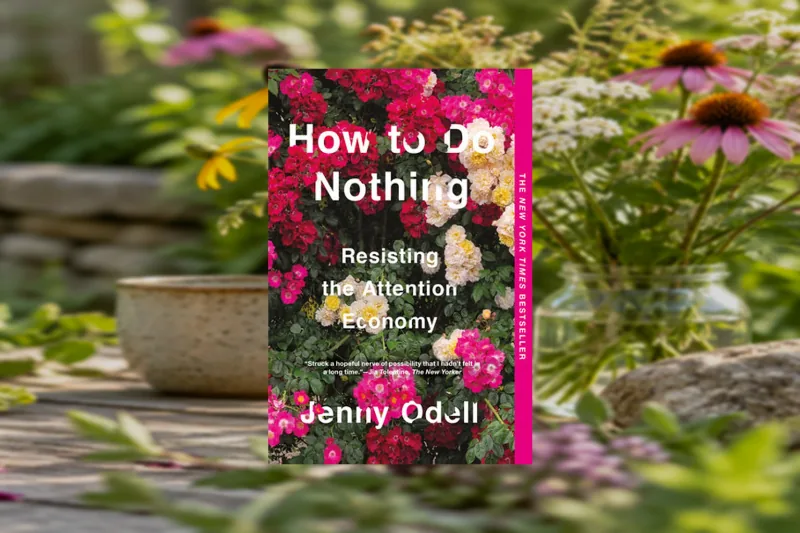
Illustration for article How to Do Nothing by Jenny Odell: Is It a Productivity Book?
Culture & Technology• 6 minutes of reading

How to Do Nothing by Jenny Odell: Is It a Productivity Book?

In this review of Jenny Odell's How to Do Nothing, Tale24 argues that its strongest idea is not digital detox but learning to defend attention as a social and ecological practice. The essay also weighs what the book offers readers who need practical advice.

Original connections among art, ecology, place, and digital life
Noteworthy pointOriginal connections among art, ecology, place, and digital lifeLimitations to noteIts reflective approach offers fewer immediate steps for readers under severe time pressure
Tale24 Score91/100Best for: Readers interested in attention, technology, art, ecology, and public lifeRead the review
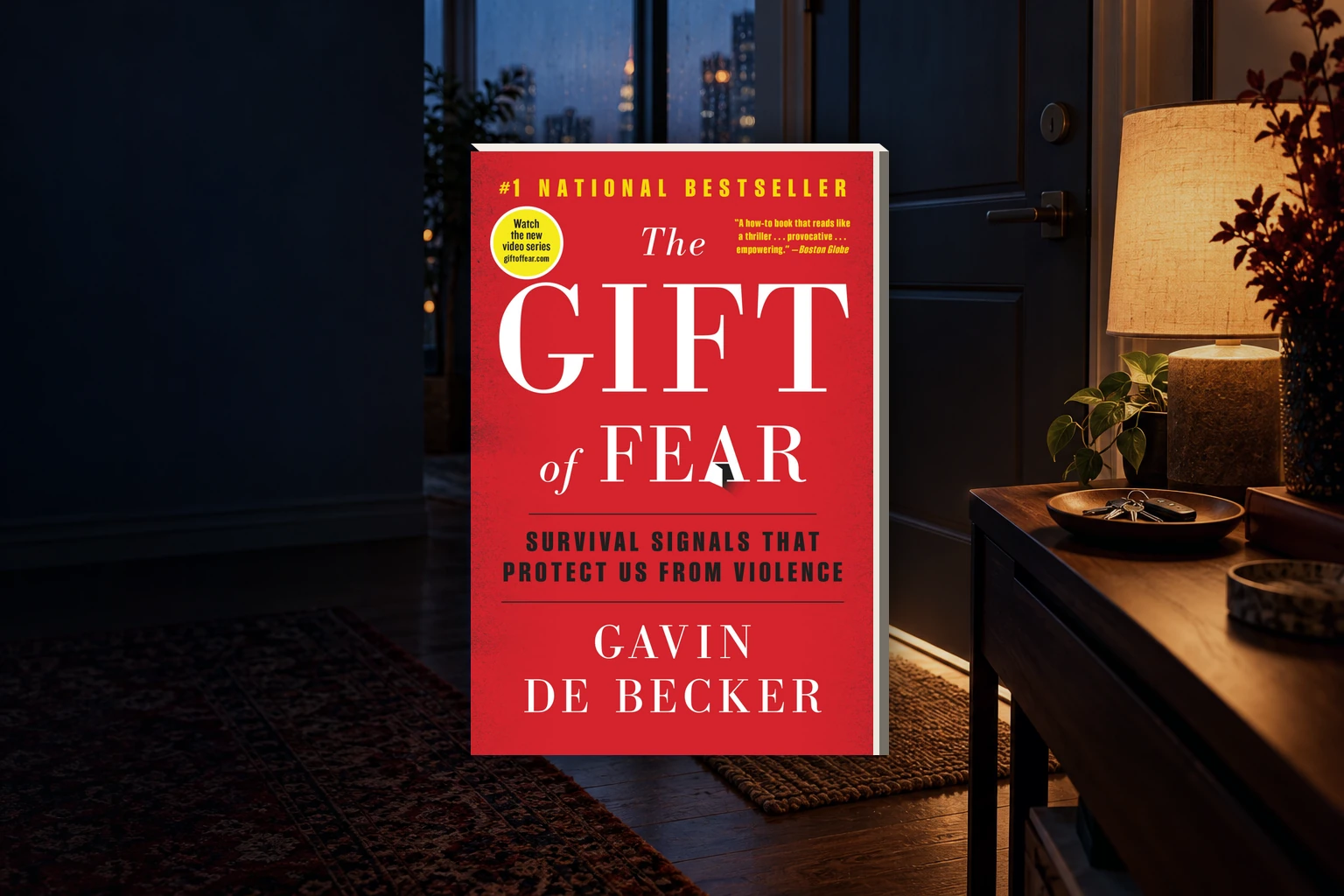
Illustration for article The Gift of Fear: Reading Risk Without Living in Fear
Criminal Psychology• 6 minutes of reading

The Gift of Fear: Reading Risk Without Living in Fear

Gavin de Becker argues that fear can register patterns of threatening behavior before we can articulate them. The book is most useful when that insight becomes attentive judgment, not a promise of perfect prediction.

A concrete, behavior-centered framework for thinking about threats, boundaries, and the signals people sometimes discount.
Noteworthy pointA concrete, behavior-centered framework for thinking about threats, boundaries, and the signals people sometimes discount.Limitations to noteCase-driven examples can make intuition appear more accurate and universally available than it is in everyday life.
Tale24 Score84/100Best for: Readers interested in violence prevention, threat perception, and the psychology of personal safety.Read the review
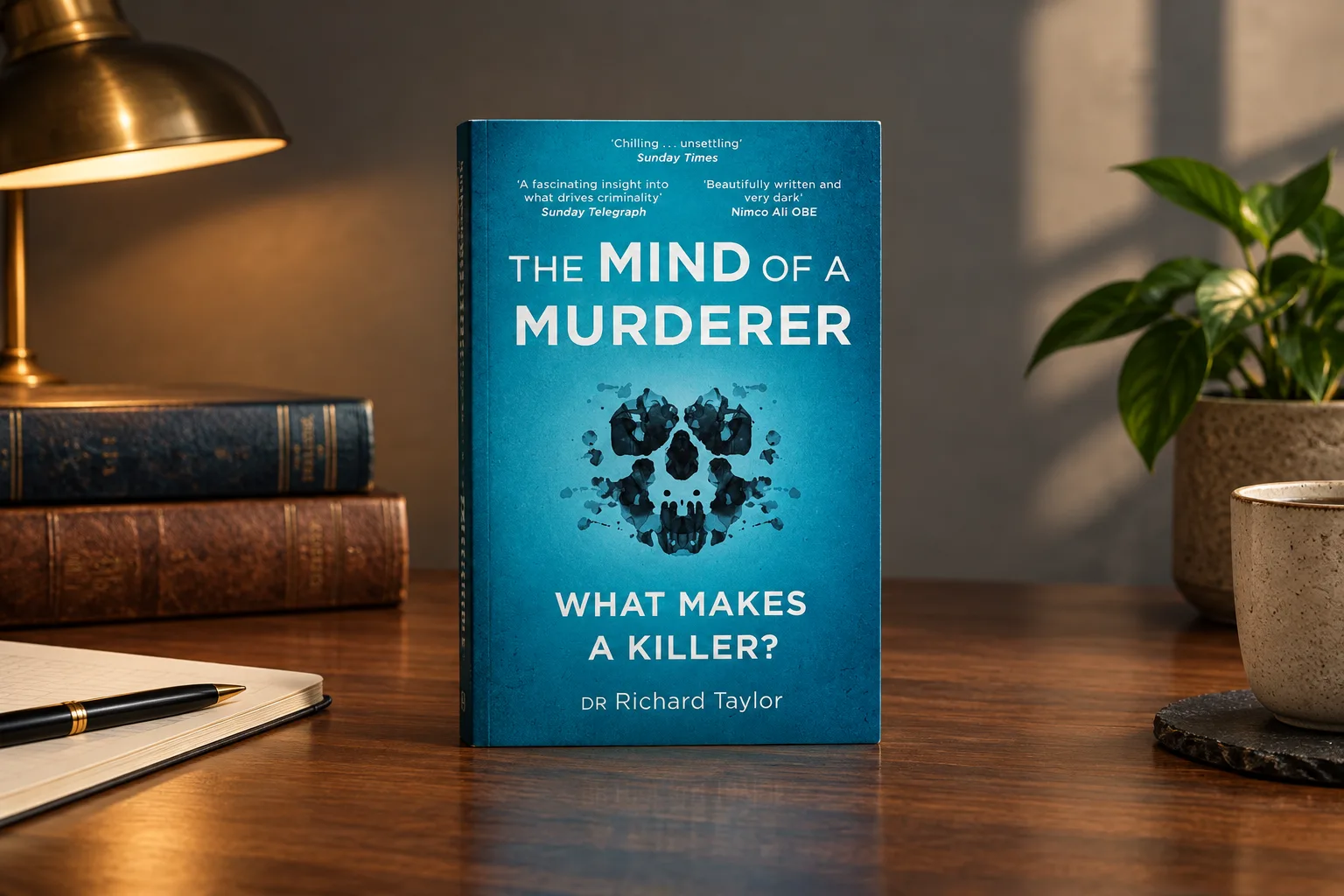
Illustration for article The Mind of a Murderer and the Hard Work of Asking Why
Criminal Psychology• 6 minutes of reading

The Mind of a Murderer and the Hard Work of Asking Why

Richard Taylor asks why people kill from inside forensic psychiatry. His memoir is strongest when it keeps clinical explanation, legal judgment, and moral responsibility in view at once.

The clinical perspective makes the work of assessment and its institutional consequences more visible.
Noteworthy pointThe clinical perspective makes the work of assessment and its institutional consequences more visible.Limitations to noteMemorable case histories can invite overgeneralization if readers treat them as a map of all violent behavior.
Tale24 Score86/100Best for: Readers interested in forensic psychiatry, criminal justice, and the limits of psychological explanation.Read the review
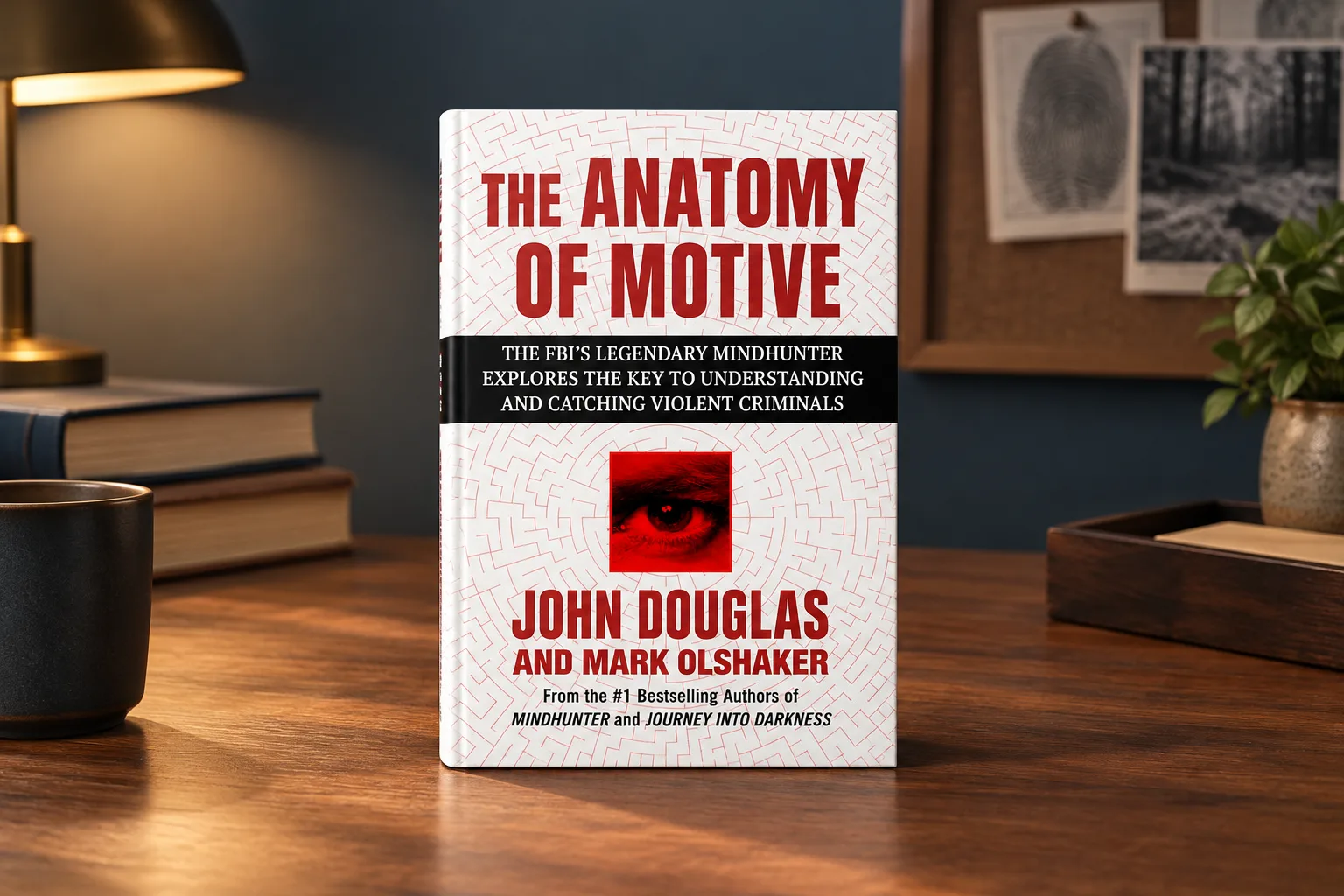
Illustration for article The Anatomy of Motive and the Limits of Profiling
Criminal Psychology• 6 minutes of reading

The Anatomy of Motive and the Limits of Profiling

John Douglas and Mark Olshaker ask why violent crimes happen. Their broad survey is most useful when motive is treated as an investigative question, not a predictive formula.

A wide range of cases makes the investigative question vivid and invites comparison across different forms of violence.
Noteworthy pointA wide range of cases makes the investigative question vivid and invites comparison across different forms of violence.Limitations to noteIts confidence about patterns and prevention needs more caution than a dramatic case narrative can always provide.
Tale24 Score81/100Best for: Readers interested in the history of FBI profiling who are willing to test its claims against evidence.Read the review
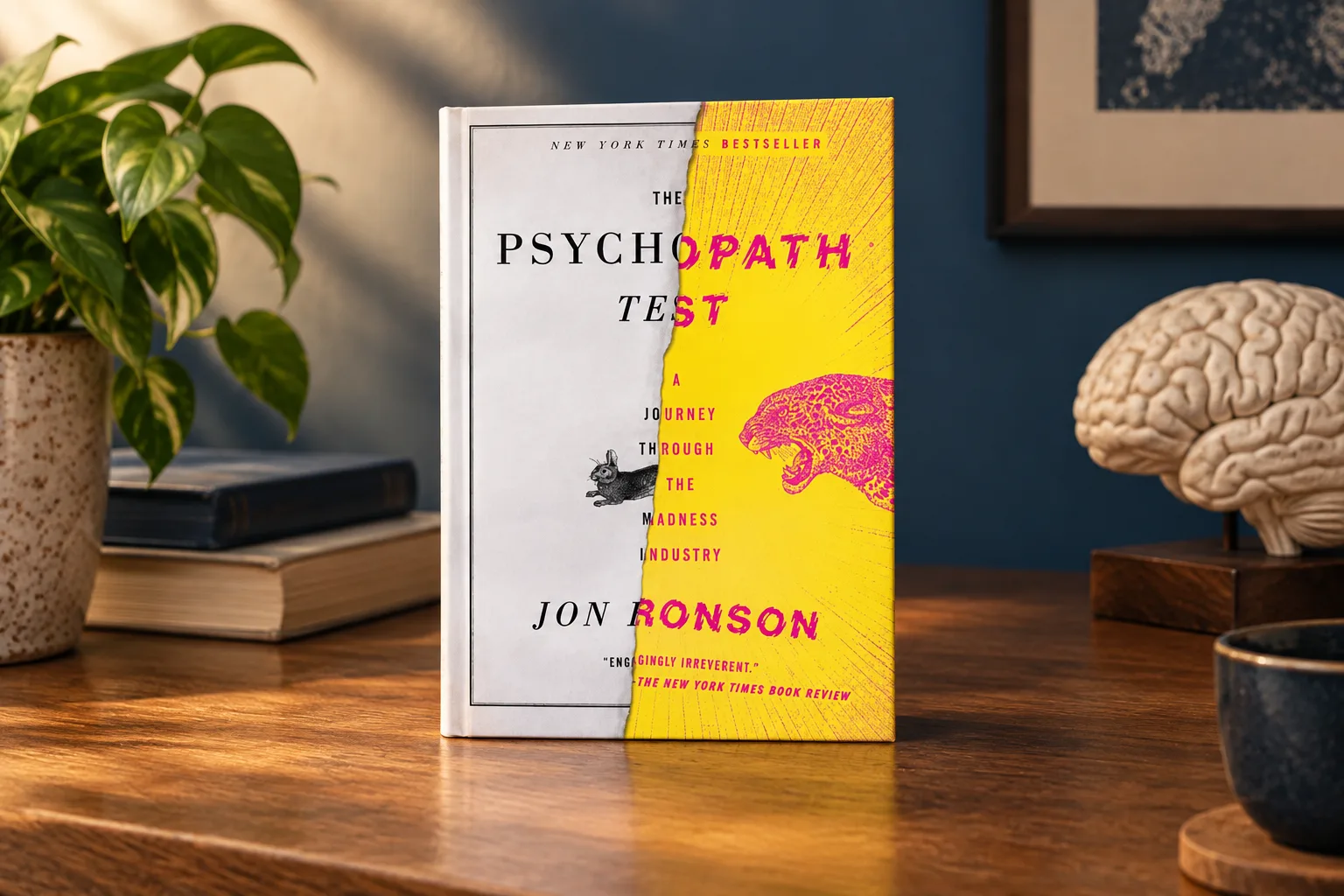
Illustration for article The Psychopath Test and the Danger of an Easy Label
Criminal Psychology• 6 minutes of reading

The Psychopath Test and the Danger of an Easy Label

Jon Ronson’s investigation makes psychopathy compelling and the act of labeling people unsettling. The book’s best question is who gets to make a diagnosis—and what happens when they are wrong.

Lively investigative structure; sharp attention to how psychological labels travel through media and institutions.
Noteworthy pointLively investigative structure; sharp attention to how psychological labels travel through media and institutions.Limitations to noteAnecdotes cannot establish prevalence or diagnostic accuracy; the comic tone can sit uneasily beside vulnerable subjects.
Tale24 Score83/100Best for: Readers interested in the culture and ethics of criminal psychology rather than a self-diagnosis checklist.Read the review

TALE24 EDITORIAL PROCESS

Human judgment behind every review

Each article moves through research, editing and publication checks. The responsible editor remains accountable for the final work.

01

Research

Establish the source and question

Check the book details, material facts and the review's critical angle.

02

Editing

Test the argument

Distinguish evidence from opinion and make the strengths and limits clear.

03

Publication

Check the reader experience

Verify images, metadata, links and the article's final presentation.

TALE24 METHODOLOGY

Three Pillars of Content

Critical standards help readers select worthwhile ideas in an age of information overload.

01

Refining the Essence

The summary is concise but does not impoverish the value of the original work. The context and core ideas are always preserved.

Save time, double the depth
02

Multidimensional Criticism

Evaluate the pros and cons with a fair attitude, not commercial flattery.

Never compromise with superficiality
03

Consistent Scoring

A 100-point scale with clear criteria helps readers choose the right book for their goals.

A transparent editorial framework
EDITORIAL MANIFESTO • TALE24 MANIFESTCIRCULATE WITH READERS
“We believe that in an era of quick quotes, the patience to fully understand an idea is the rarest but most valuable quality.”

Tale24 is not born to encourage you to read more in quantity. Our mission is to be a quiet critical companion: distilling valuable ideas, deciphering the layers of meaning behind words, and courageously questioning the obvious.

APPROVED BYTale24 Editorial Board Quality independent appraisal
Committed to real content & advertising transparency

Tale24 separates editorial content from advertising. Automated advertising does not change the critical conclusions.

Learn about the disclosure policy