
Editorial independence
No sponsorship is accepted to alter the conclusions or scores of reviews.
No disguised advertisingRead with greater care
Understand every story more deeply
No sponsorship is accepted to alter the conclusions or scores of reviews.
No disguised advertisingEvery draft is checked for clarity, sourcing, and the limits of its claims before publication.
AI-assisted, human-accountableOur transparent score reflects depth, argument quality, originality, and practical value.
A consistent evaluation frameworkEDITOR’S PICKS
Carefully read, researched, and challenged by the Tale24 editorial team.
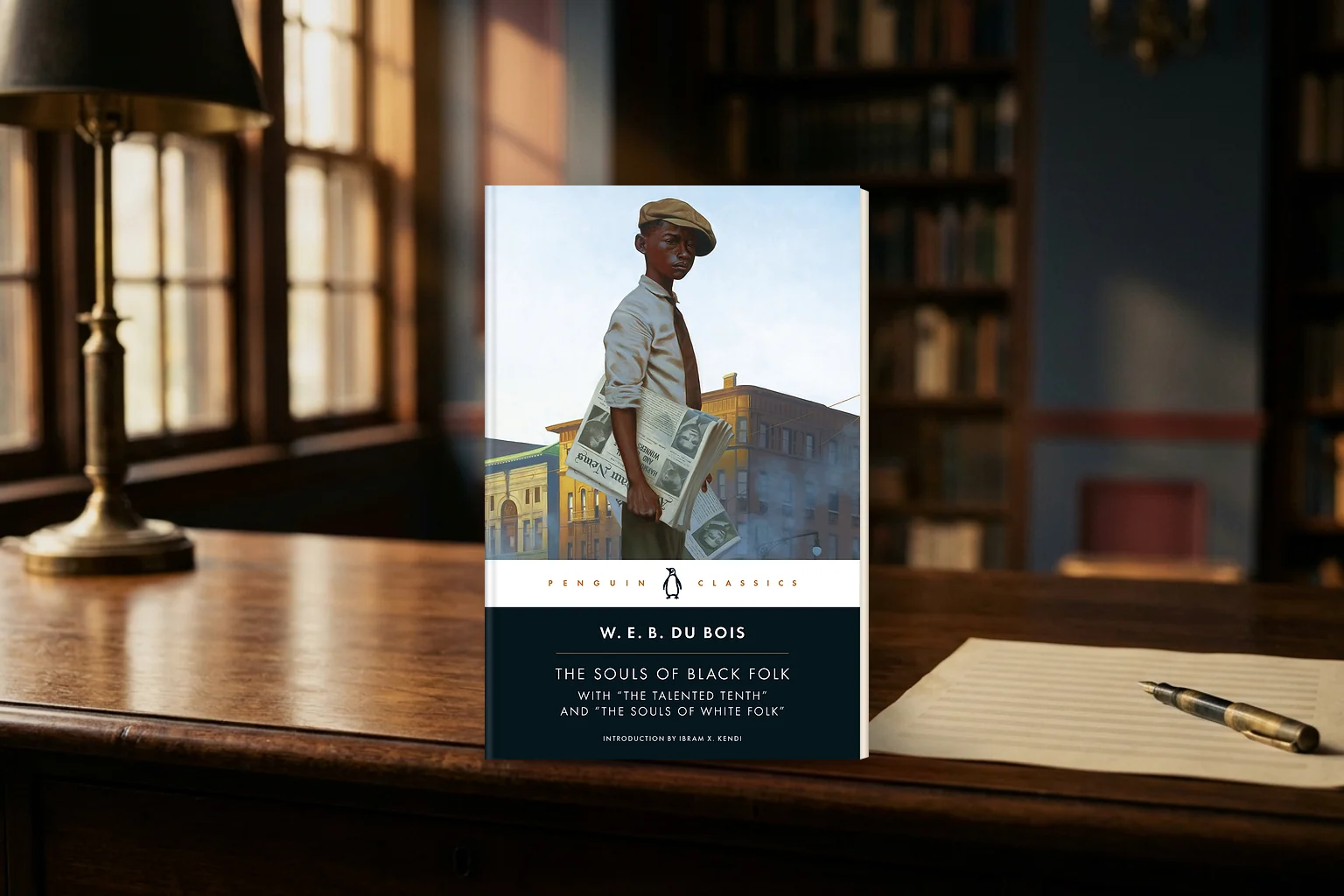
Before W. E. B. Du Bois writes a single line of prose in his 1903 classic, he places unlabelled bars of spirituals beside nineteenth-century verse—building a book where census data, rural debt ledgers, and private grief interrogate American democracy together.
Turns a structural puzzle—why statistical social science alone cannot measure segregation—into an unforgettable fourteen-chapter journey across Reconstruction law, Southern tenant farms, private grief, and African American spirituals.
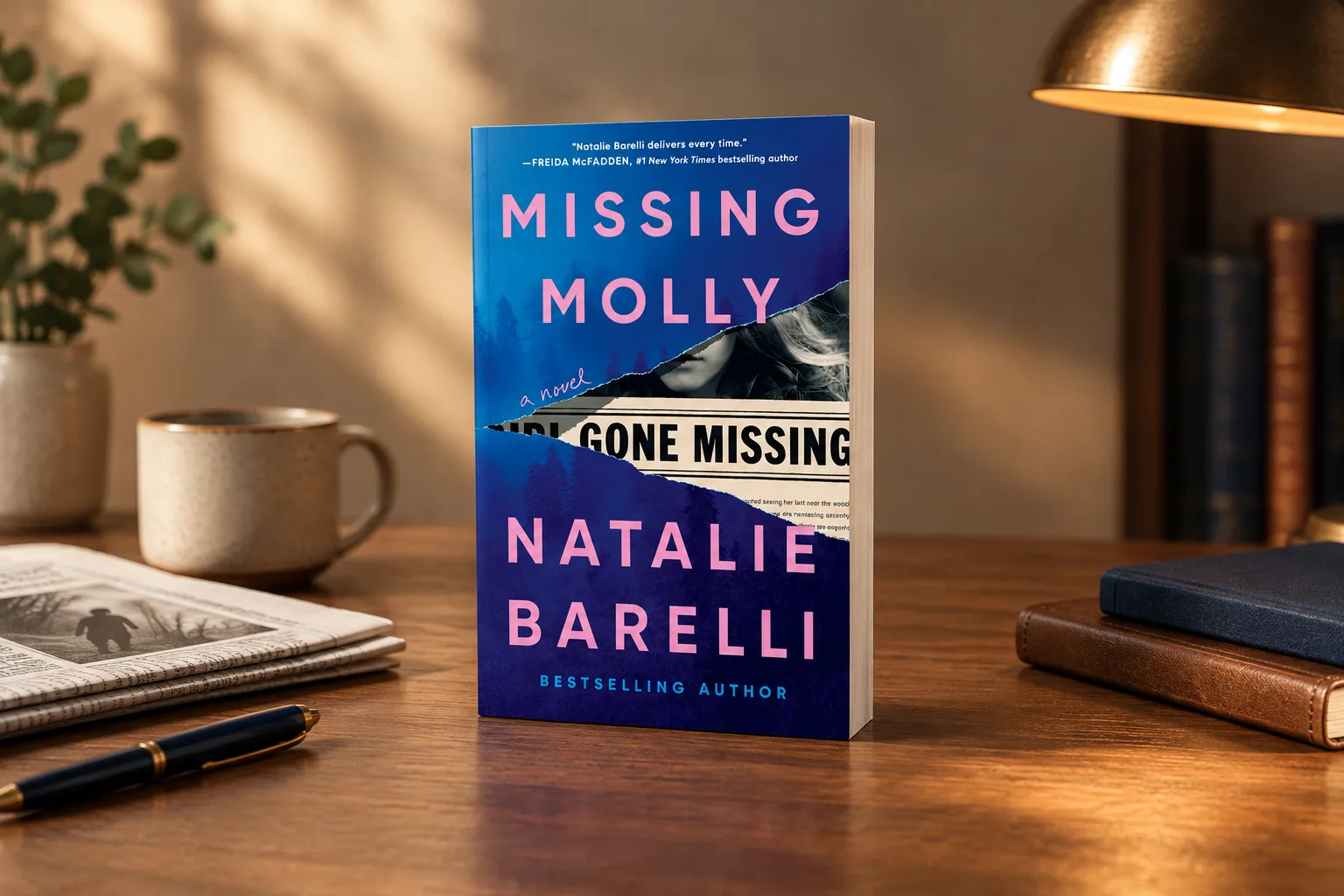
Natalie Barelli puts a woman in the newsroom investigating her own disappearance. The setup asks whose interests a true-crime story serves when its missing subject has built a life out of sight.
A reversal of the missing-person premise gives the podcast and the home life competing stakes.
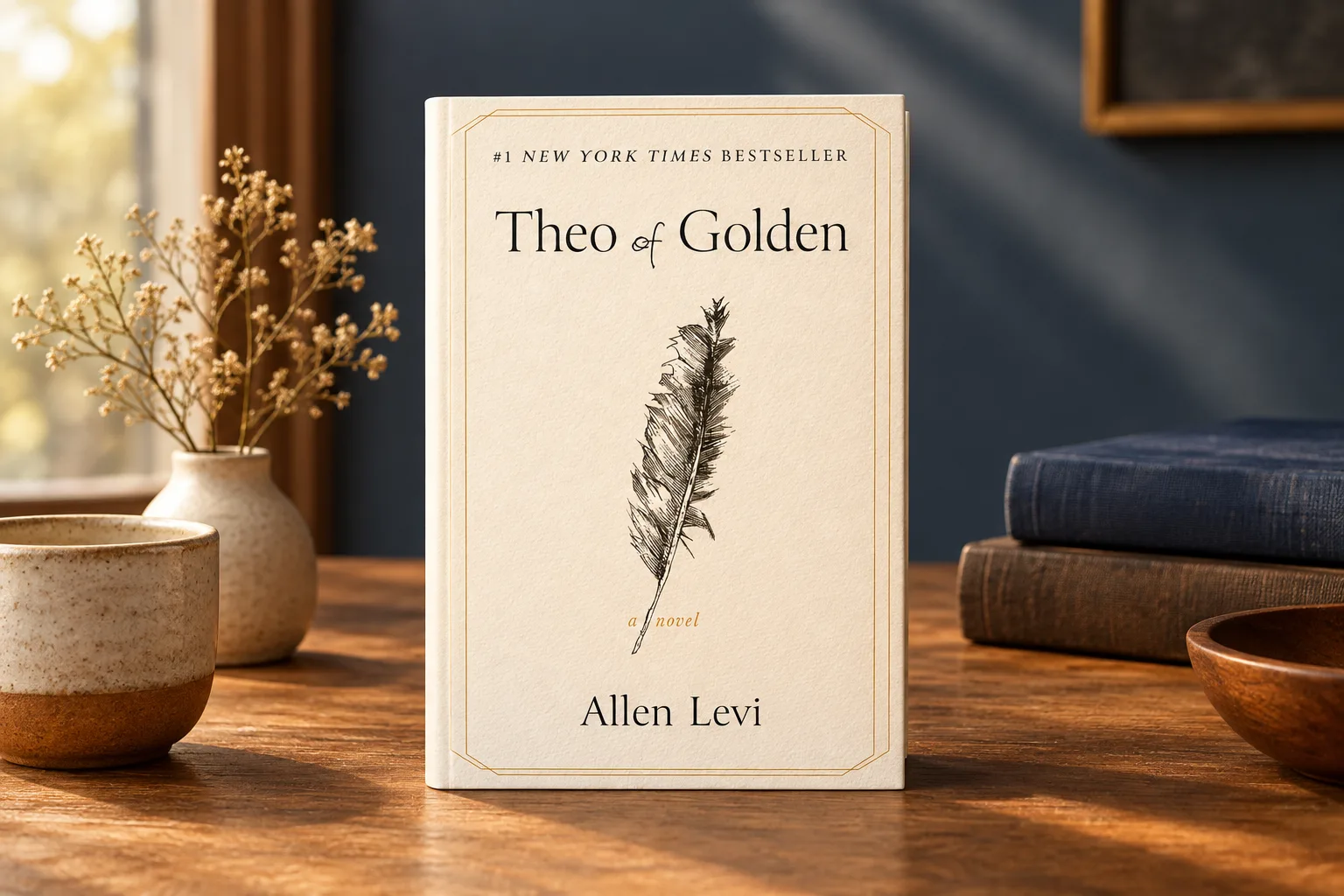
Allen Levi builds a novel of generosity around a simple exchange: a portrait returned, a story heard. Its appeal lies in how seriously it treats attention as an act of care.
A memorable portrait-and-story structure gives the novel a concrete way to explore attention, art, and generosity.
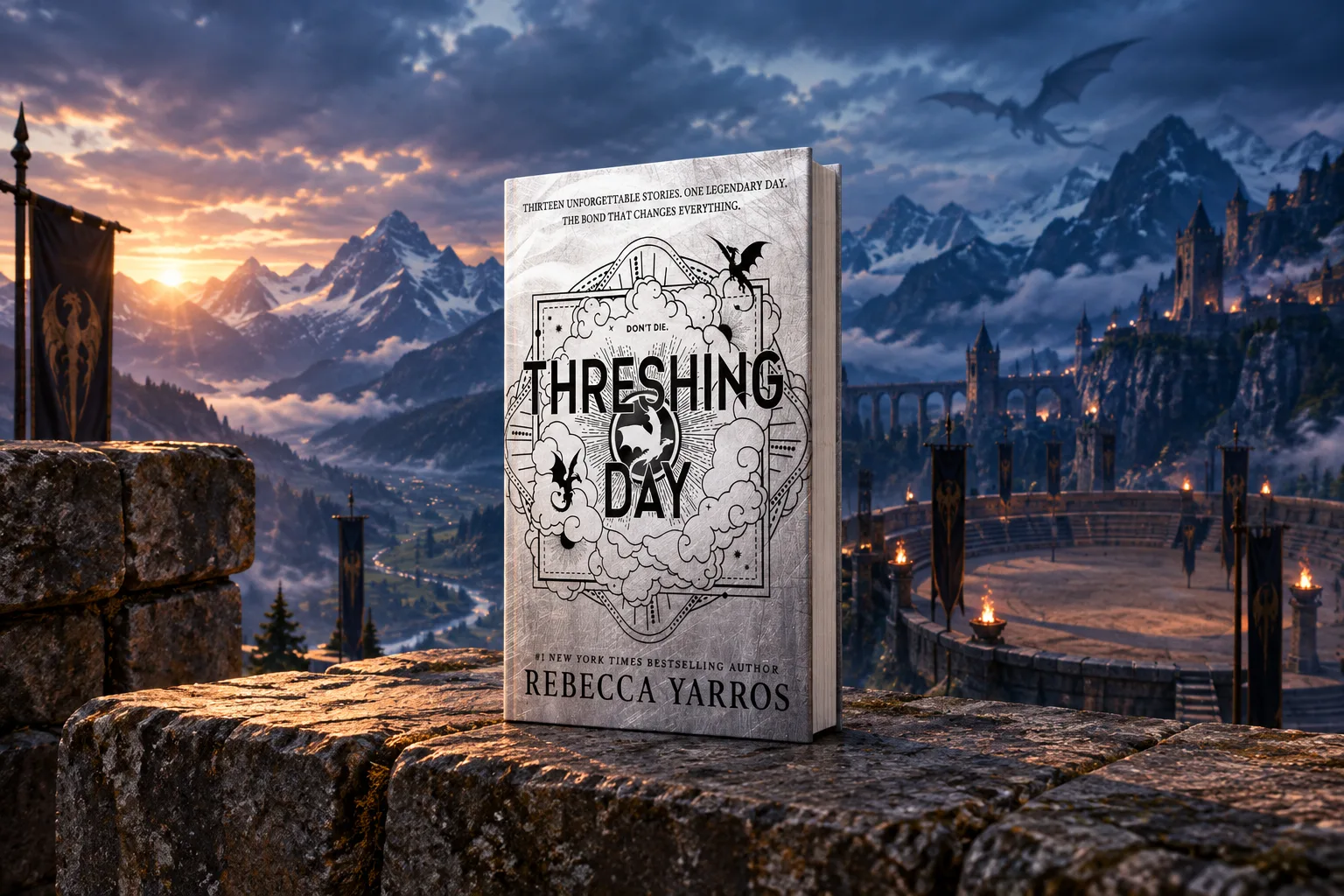
Threshing Day offers 13 character perspectives and illustrations from Rebecca Yarros’s Empyrean world, but it is a companion collection rather than a plot-driven sequel. That distinction makes it a treat for established fans—and a poor starting point for newcomers.
A clearly focused companion premise; 13 character perspectives expand the series’ range; illustrations add a visual dimension for existing fans.
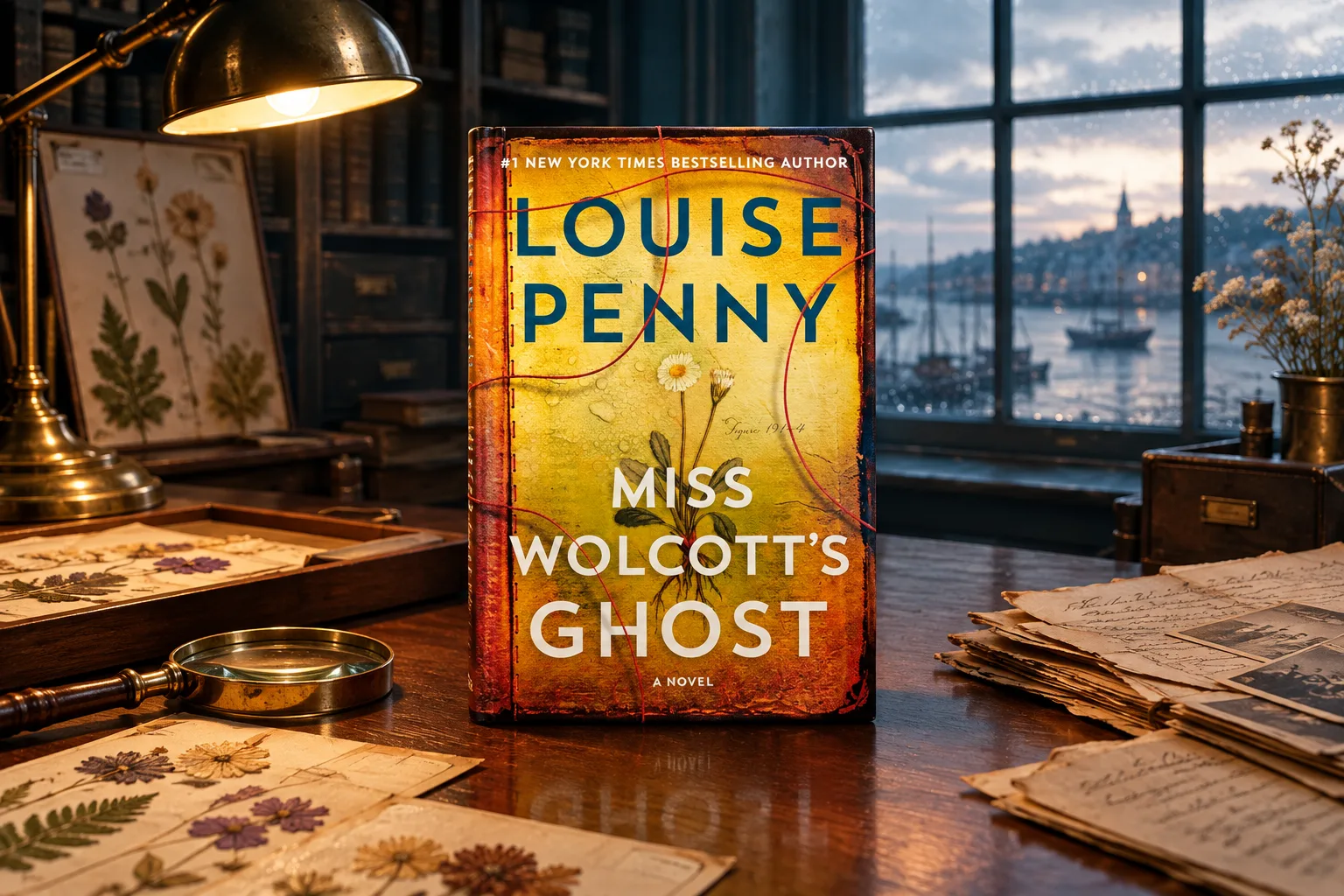
Louise Penny’s Miss Wolcott’s Ghost links a murder mystery to historical tragedy, botanical knowledge, and the ethics of remembering. Its layered design makes the past feel like evidence still waiting to be read, though newcomers may find this 21st Gamache novel a demanding place to begin.
An evidence-rich historical mystery; several distinct routes into the investigation, including botanical and genealogical knowledge; ethical questions add weight to the puzzle.
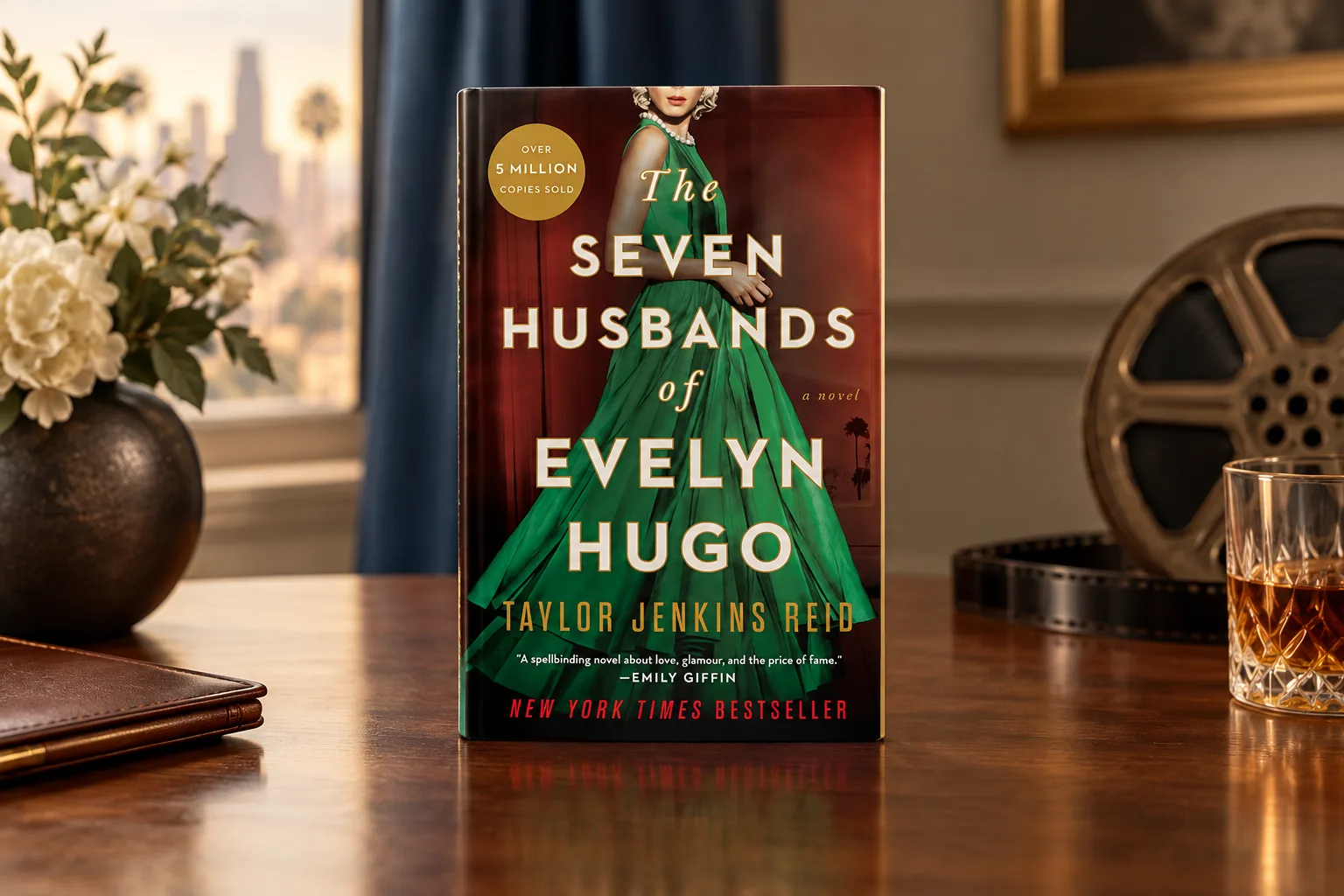
Taylor Jenkins Reid uses a Hollywood legend’s confessions to examine how ambition, love, and image making can leave lasting costs for the people around her.
The interview frame turns Hollywood glamour into a sustained inquiry about image, love, and control over a life story.
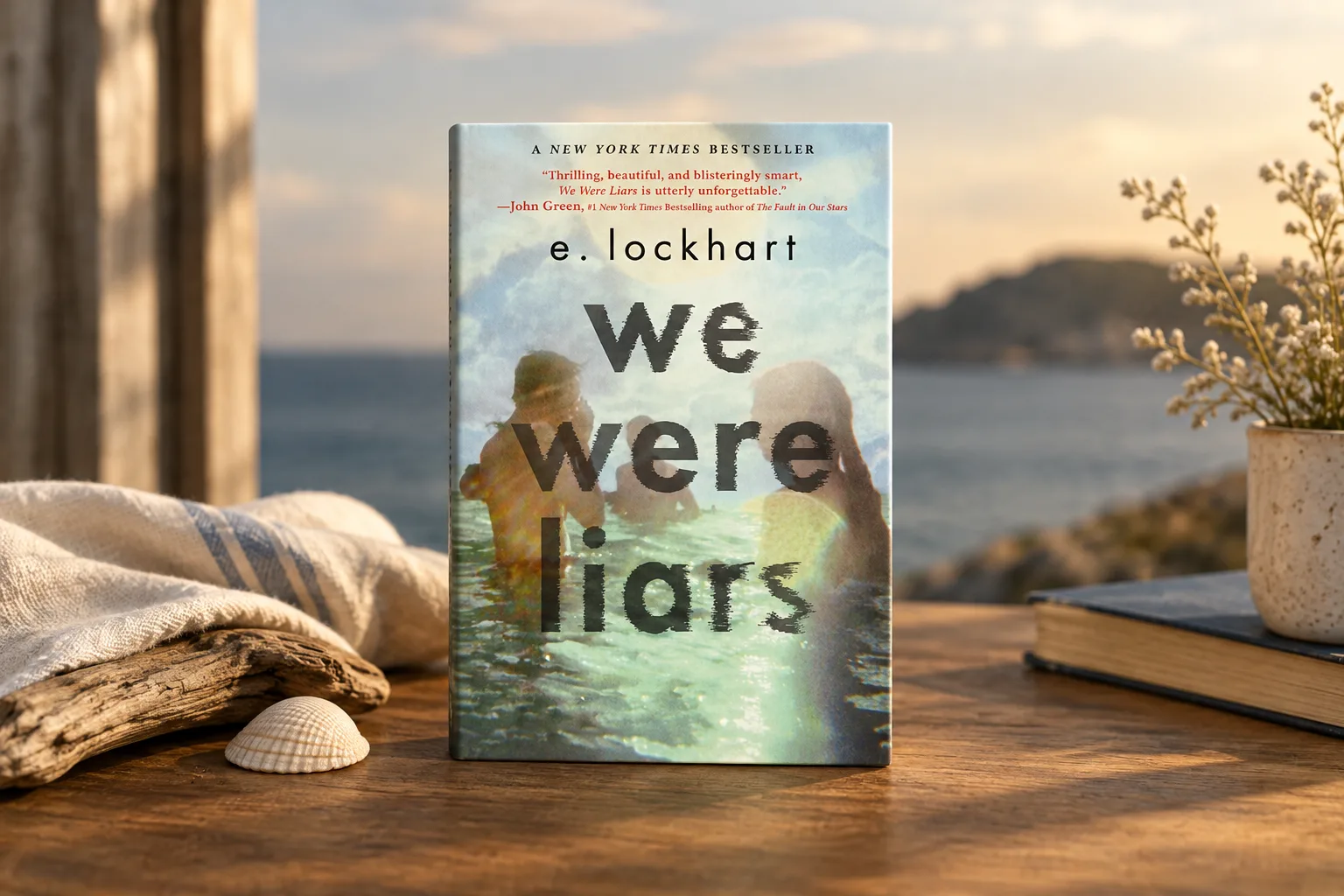
E. Lockhart’s island mystery builds a portrait of privilege, damaged trust, and a family’s guarded truths without giving away its defining revelation.
The island setting and compressed mystery join a powerful ending to questions about privilege and family silence.
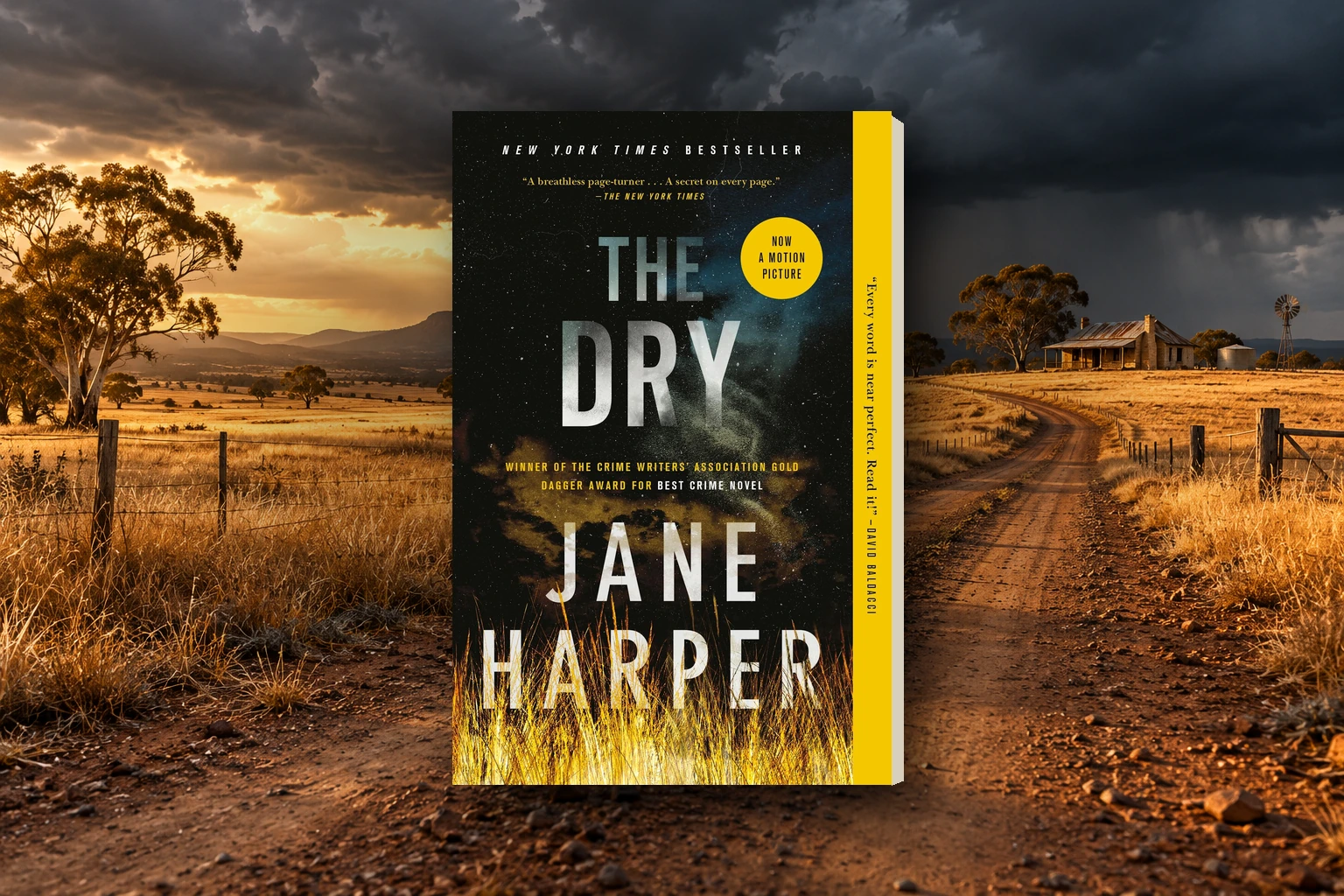
Jane Harper makes drought and old suspicion part of the same landscape. Aaron Falk’s return asks whether a community can investigate a new death while still protecting its account of an older one.
The drought setting and intertwined old and new questions give the mystery unusual social pressure.
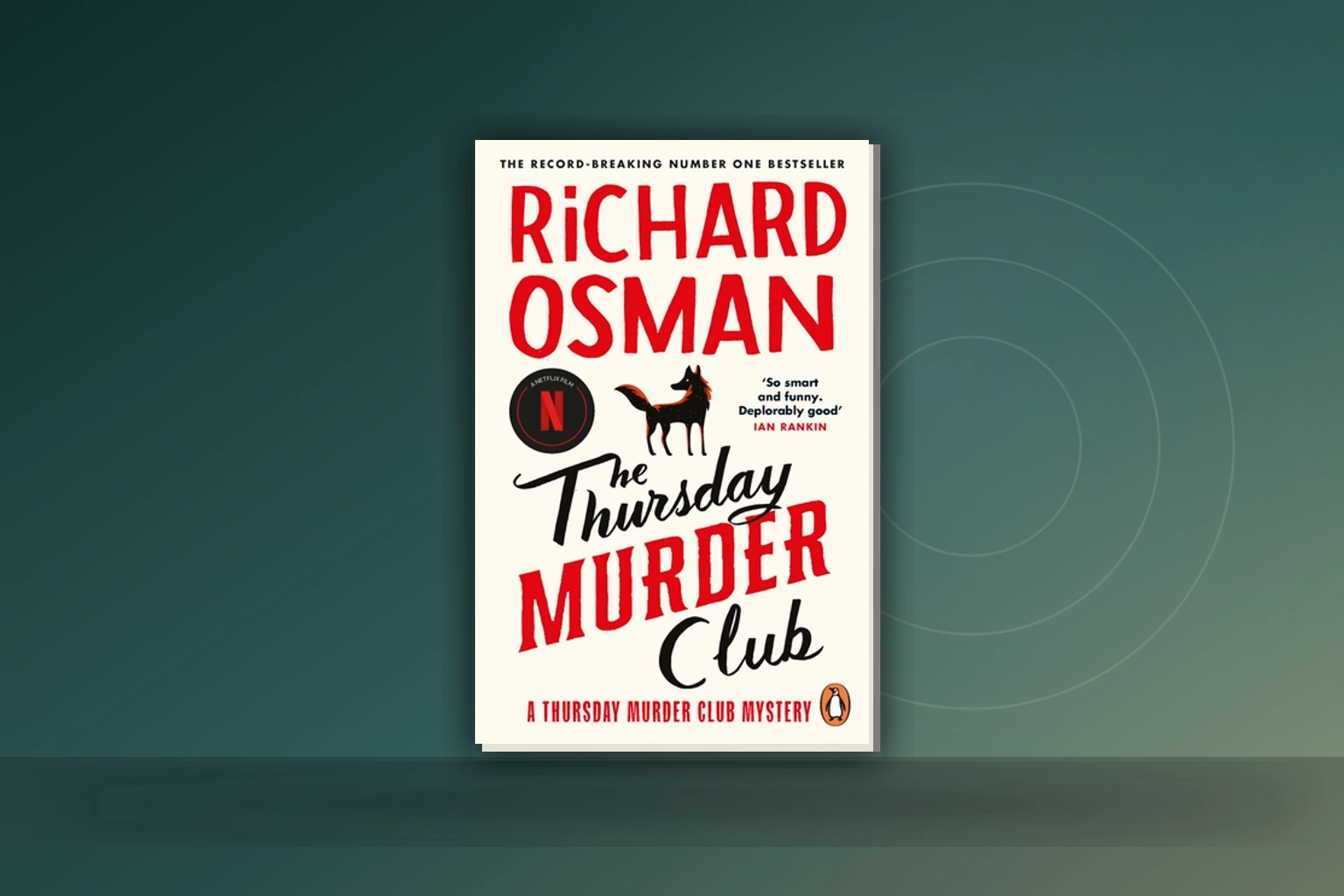
Richard Osman gives four older amateur detectives an urgent case close to home. The premise finds suspense in their shared attention and warmth in the community that makes their work possible.
A distinctive group of older investigators brings warmth, humor, and a collaborative shape to the mystery.
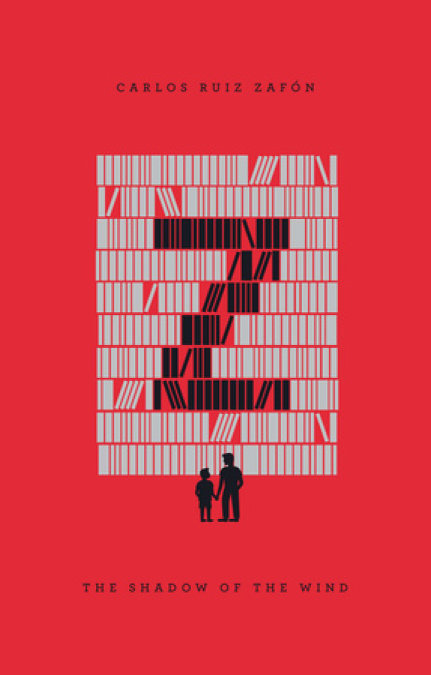
Daniel's search for a vanished writer turns postwar Barcelona into an archive of secrets. Zafón asks what readers owe to stories that nearly disappeared.
A richly layered Barcelona setting and an engrossing fusion of mystery and literary memory.
TALE24 EDITORIAL PROCESS
Each article moves through research, editing and publication checks. The responsible editor remains accountable for the final work.
Check the book details, material facts and the review's critical angle.
Distinguish evidence from opinion and make the strengths and limits clear.
Verify images, metadata, links and the article's final presentation.
TALE24 METHODOLOGY
Critical standards help readers select worthwhile ideas in an age of information overload.
The summary is concise but does not impoverish the value of the original work. The context and core ideas are always preserved.
Save time, double the depthEvaluate the pros and cons with a fair attitude, not commercial flattery.
Never compromise with superficialityA 100-point scale with clear criteria helps readers choose the right book for their goals.
A transparent editorial framework“We believe that in an era of quick quotes, the patience to fully understand an idea is the rarest but most valuable quality.”
Tale24 is not born to encourage you to read more in quantity. Our mission is to be a quiet critical companion: distilling valuable ideas, deciphering the layers of meaning behind words, and courageously questioning the obvious.
Tale24 separates editorial content from advertising. Automated advertising does not change the critical conclusions.