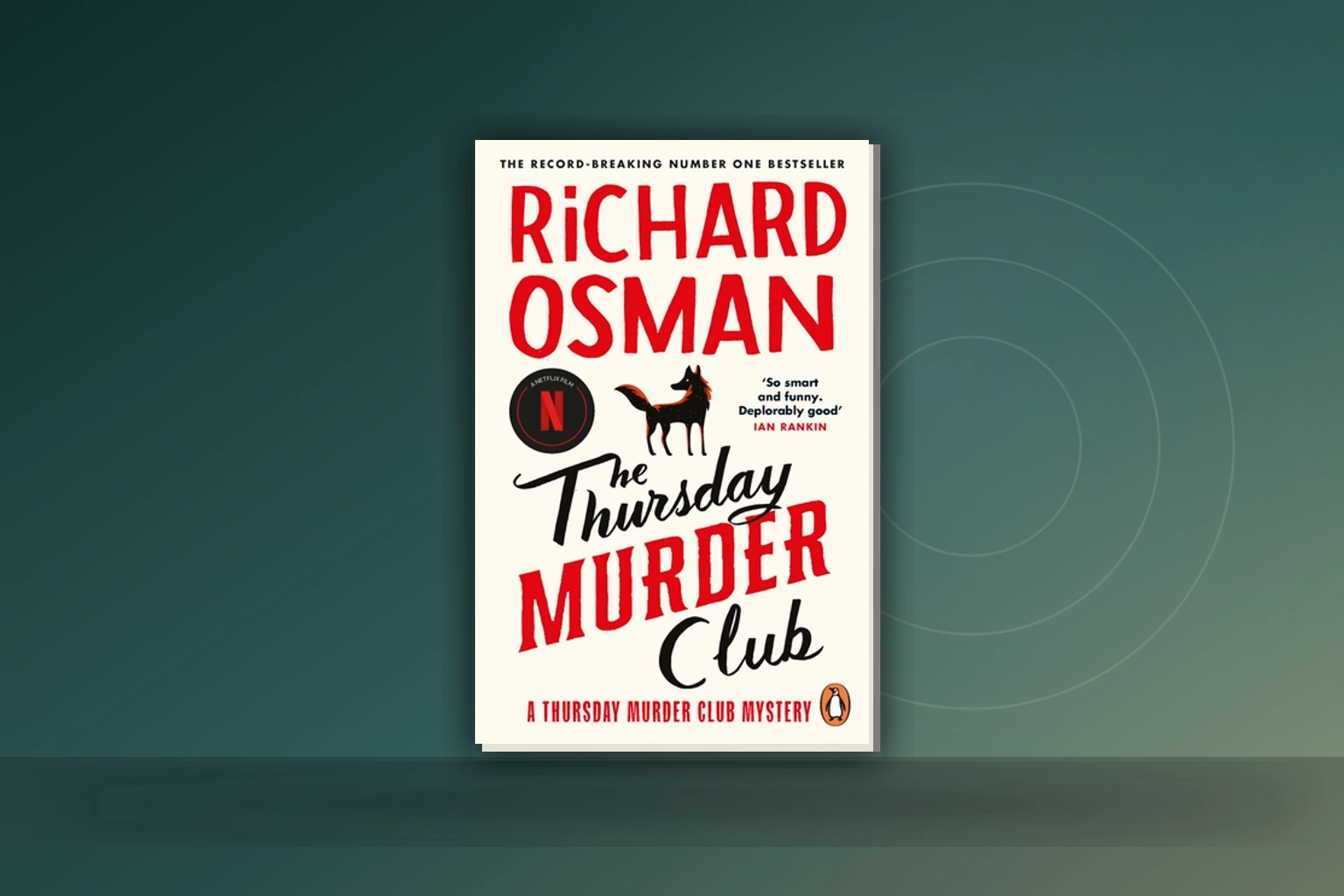
Richard Osman gives four older amateur detectives an urgent case close to home. The premise finds suspense in their shared attention and warmth in the community that makes their work possible.
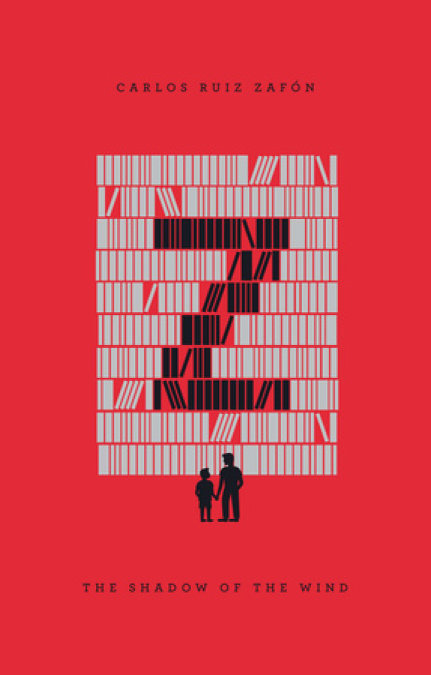
Daniel's search for a vanished writer turns postwar Barcelona into an archive of secrets. Zafón asks what readers owe to stories that nearly disappeared.
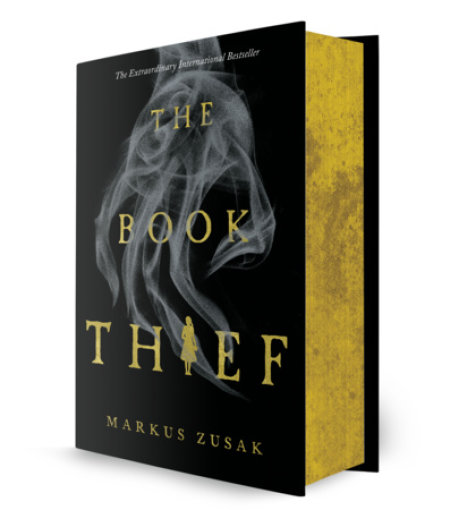
Markus Zusak gives Death the narration and a foster child the books. The novel asks what reading can protect when public language is turned toward persecution.
Taylor Jenkins Reid places a woman's scientific ambition and private love inside the 1980s shuttle program. The distance between public heroism and a full life gives the story its force.
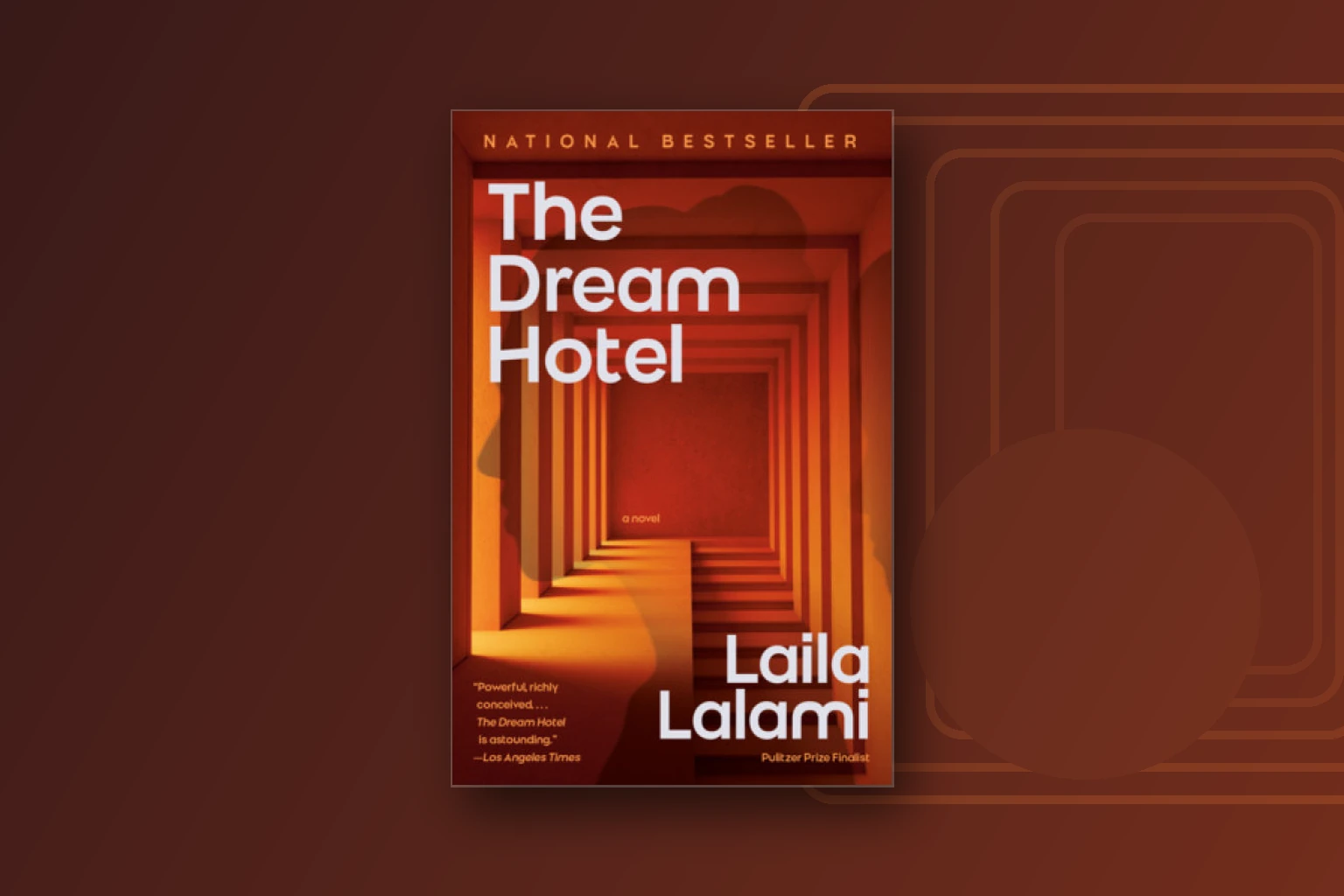
Laila Lalami turns a forecast drawn from dreams into a chilling test of justice. The novel's sharpest question is who gets to contest a prediction once an institution treats it as proof.
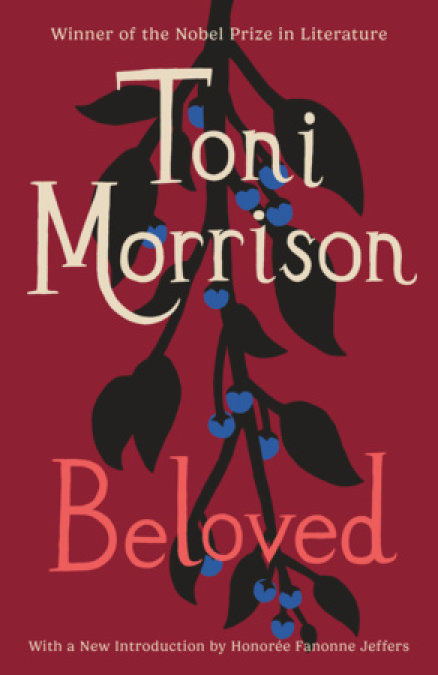
This review of Toni Morrison's Beloved examines how Sethe's haunted home turns memory into a question about freedom, motherhood, and community. Its shifting voices demand patience and resist an easy moral verdict.
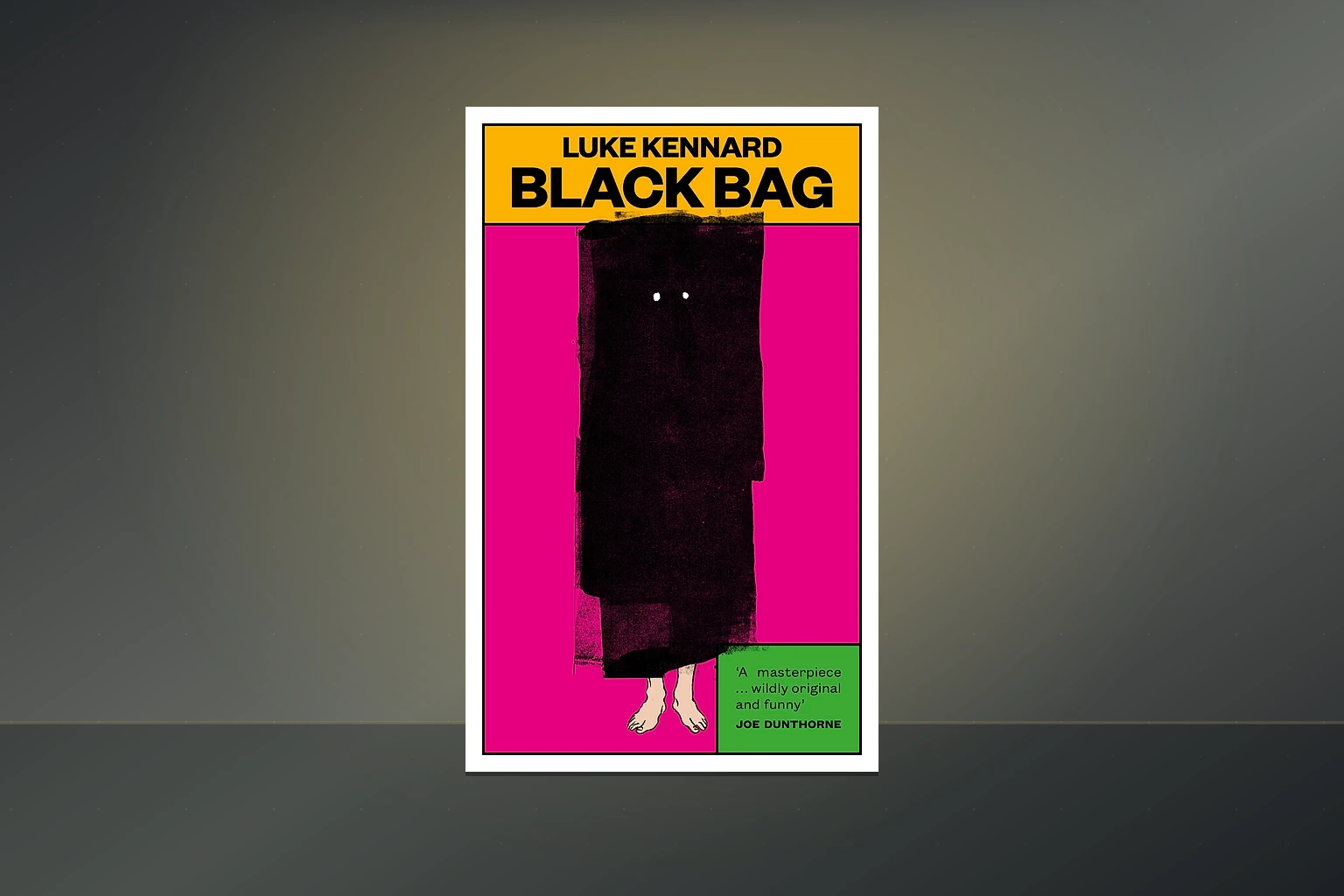
Luke Kennard's Black Bag turns an actor's anonymous university job into a contest over identity, labor, and online visibility. Publishers Weekly's account and Kennard's Booker interview ground this essay's argument about who profits from self-erasure.
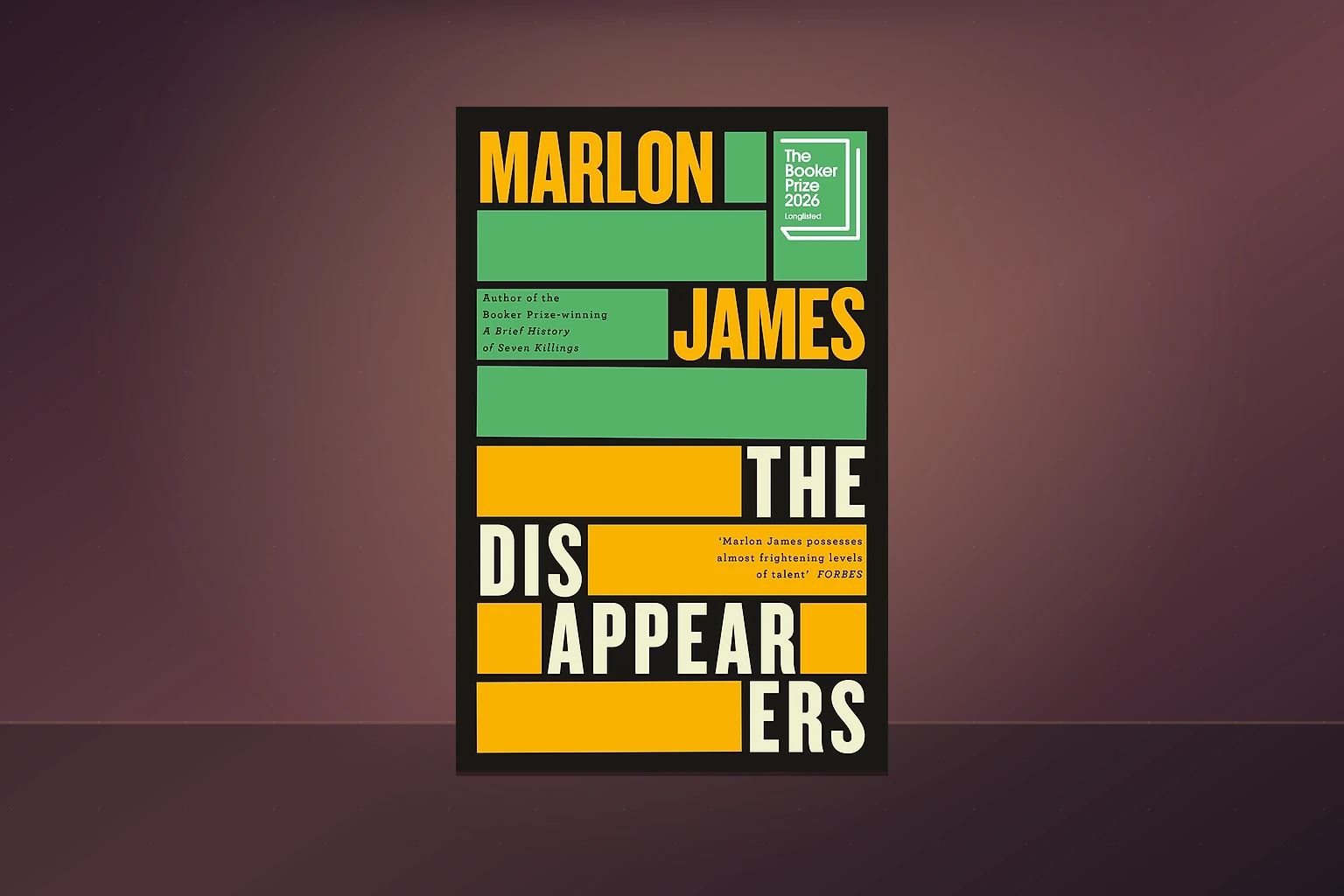
Marlon James's The Disappearers uses dispersed voices and documentary forms to examine queer life after homophobic violence. This source-informed essay asks when an account restores visibility and when it takes control of another person's story.
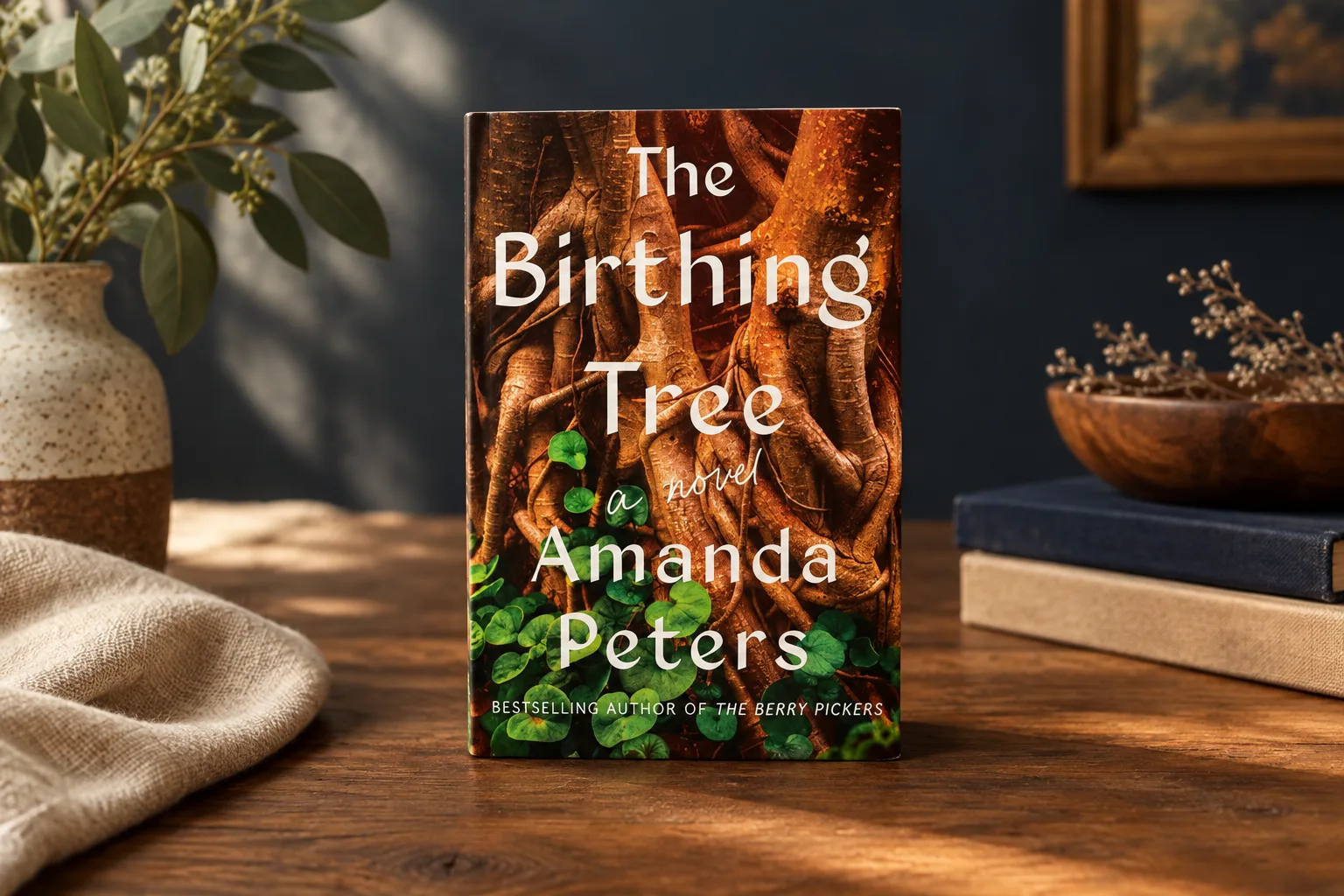
Amanda Peters places a speaking tree at the center of a family history shaped by birth, inherited knowledge, and silence. The novel asks how a community carries its past when the institutions around it refuse to recognize its ways of care.