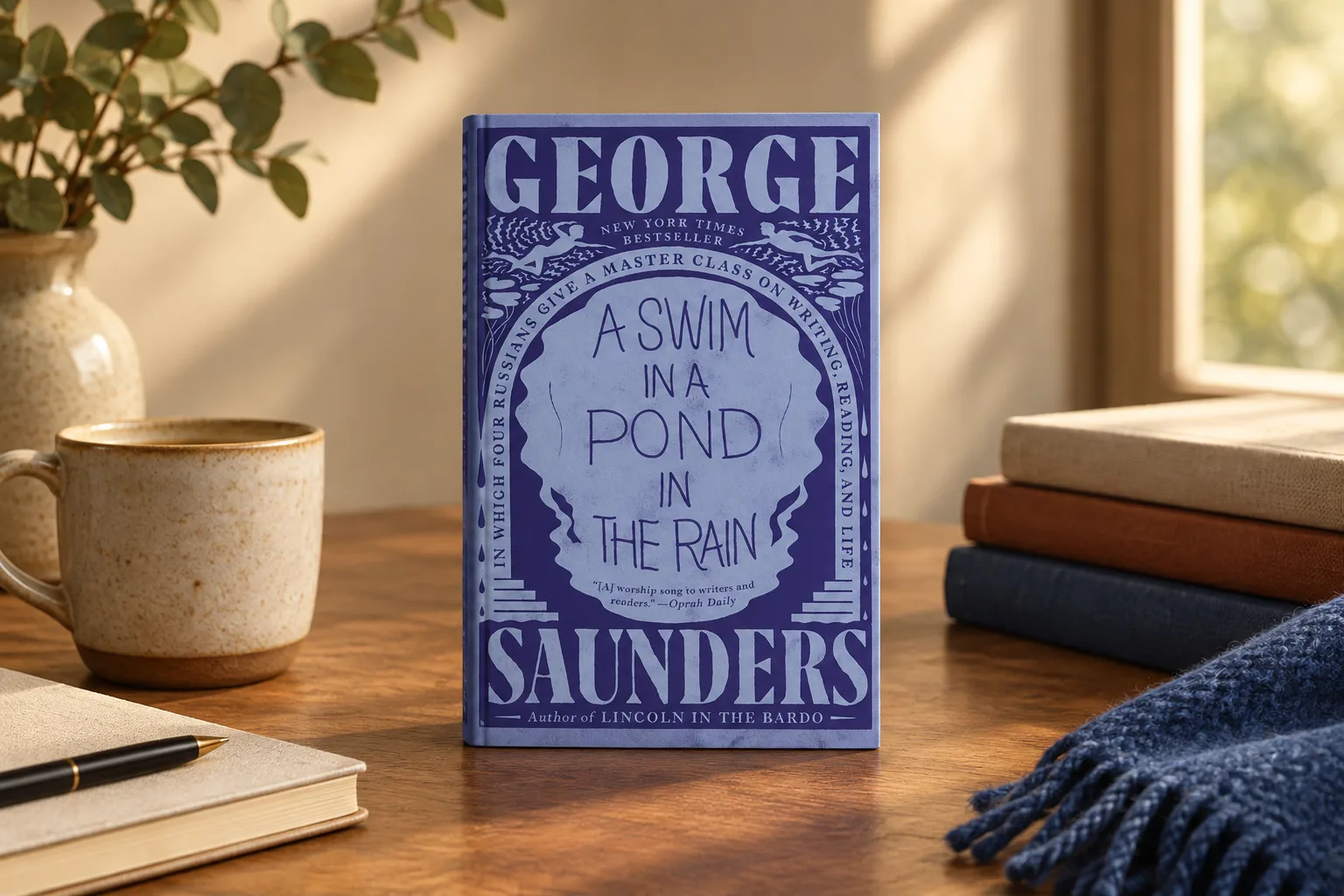
George Saunders turns seven Russian short stories into a patient inquiry into how readers form expectations and how writers earn attention. His method is most persuasive when its craft lessons remain open to uncertainty, translation, and the limits of a narrow canon.
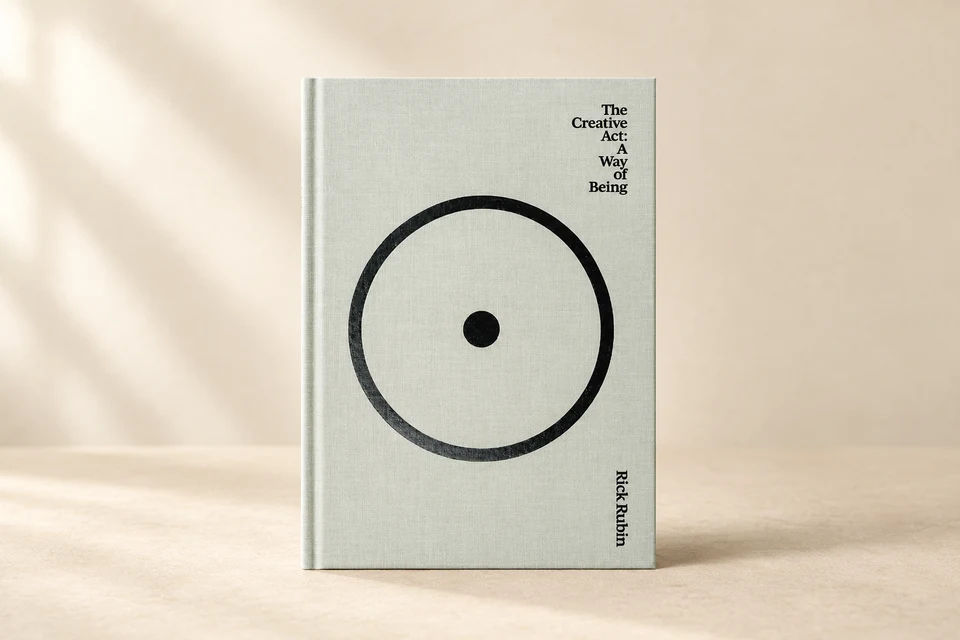
Rick Rubin treats creativity less as a professional talent than as a way of noticing. The book is most useful when its invitations to openness meet the realities of practice and constraint.
A lucid introduction to feedback, delay, and leverage that teaches readers to look beneath visible events, while leaving harder questions of power and conflict partly outside the diagram.
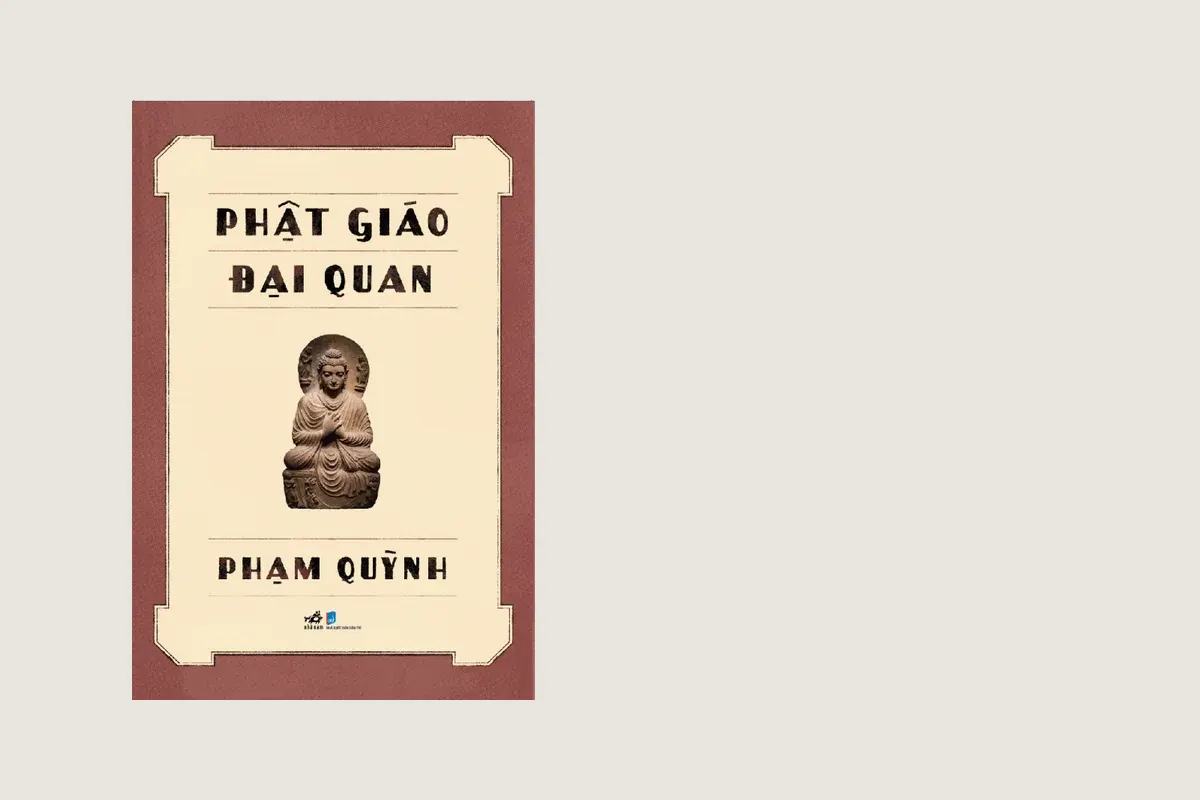
Pham Quynh's Phật giáo đại quan moves between research, public lecture, and print. Its 1924 preface helps explain the audience and ambitions of this early Vietnamese account of Buddhism.
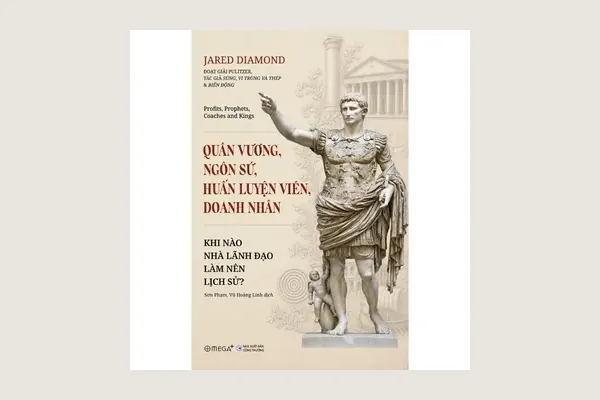
Jared Diamond’s cross-disciplinary study asks when leaders shape outcomes and when institutions, resources, and circumstance matter more. This review weighs the book’s comparative method against questions of measurement, counterfactuals, and specialist evidence.
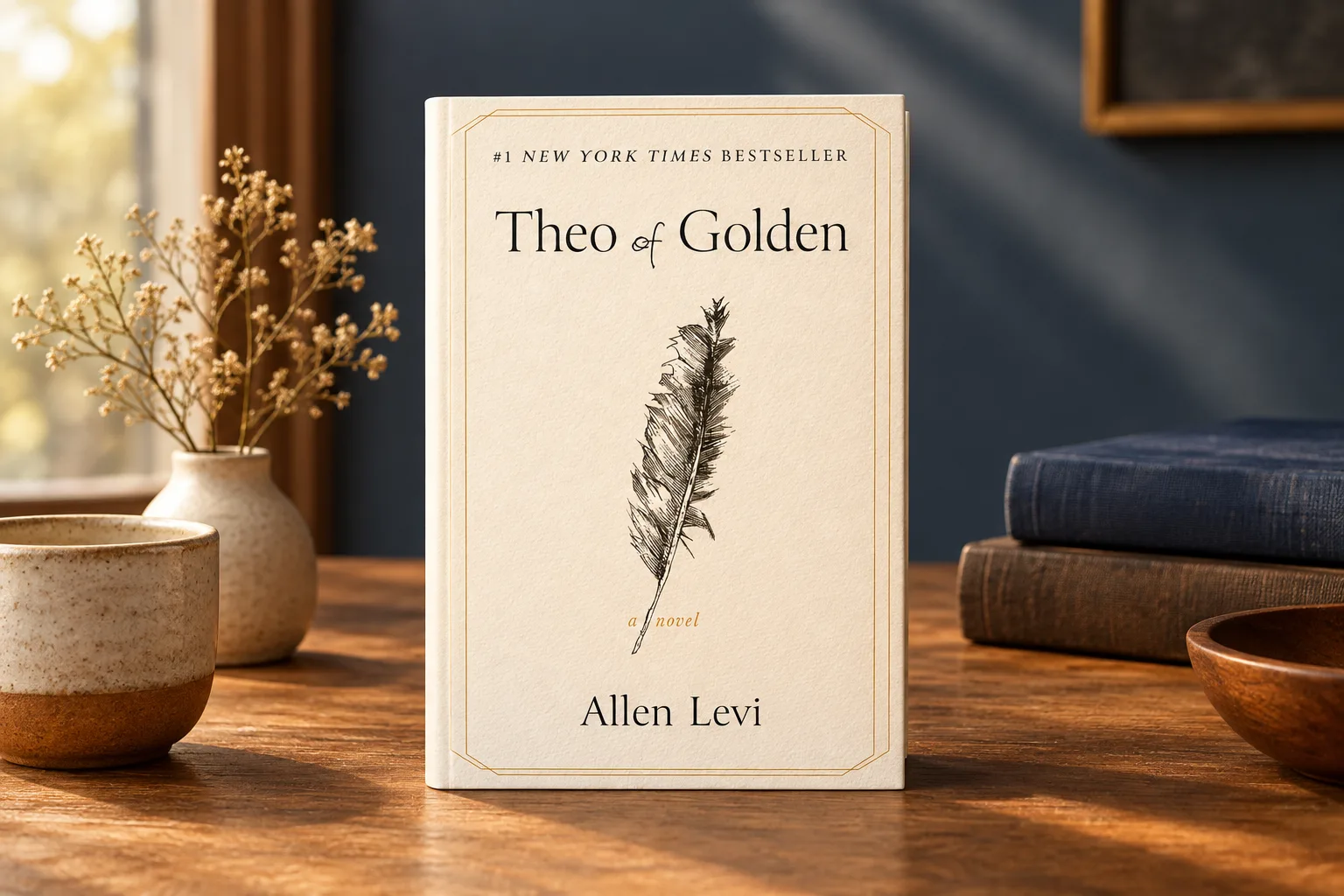
Allen Levi builds a novel of generosity around a simple exchange: a portrait returned, a story heard. Its appeal lies in how seriously it treats attention as an act of care.
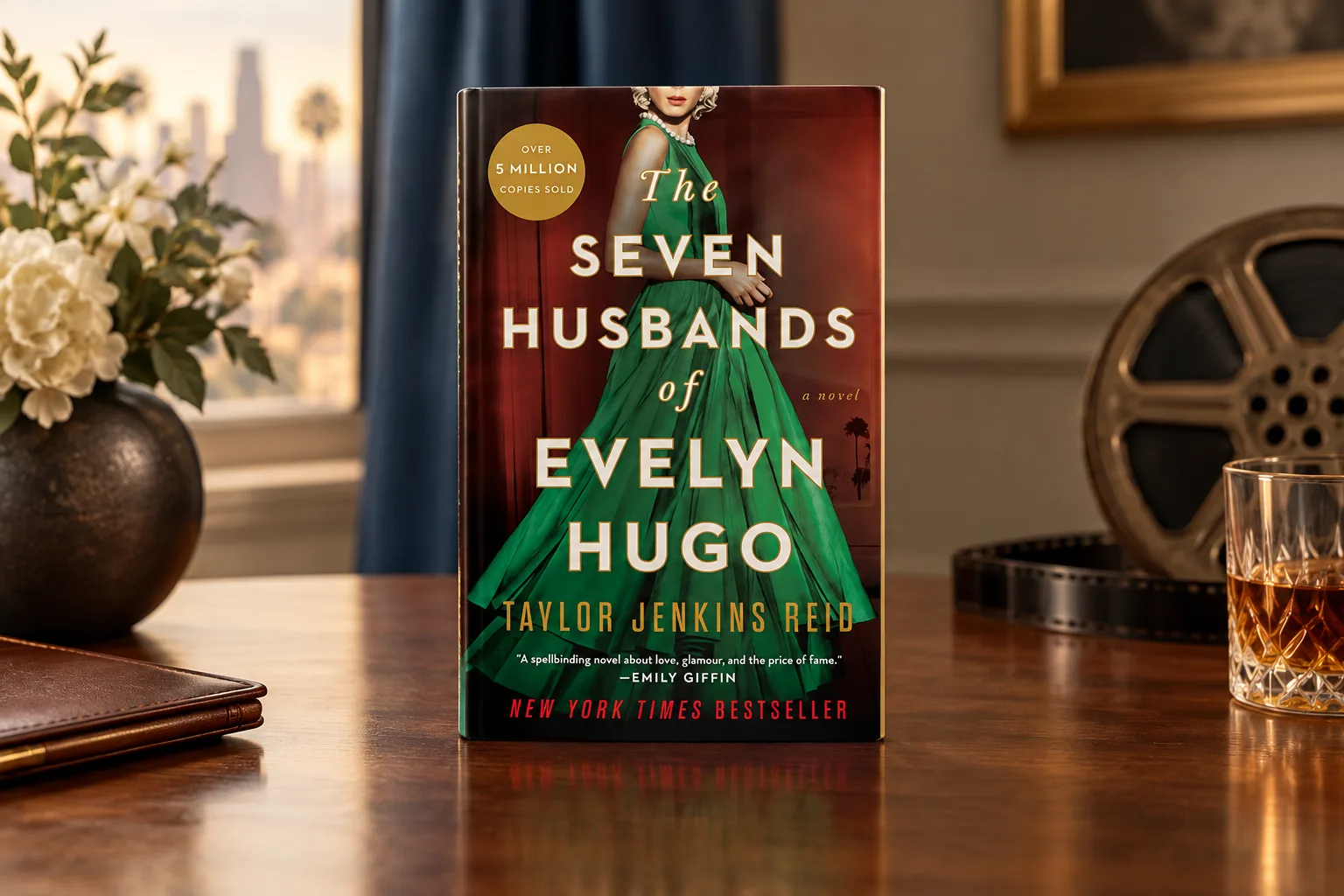
Taylor Jenkins Reid uses a Hollywood legend’s confessions to examine how ambition, love, and image making can leave lasting costs for the people around her.
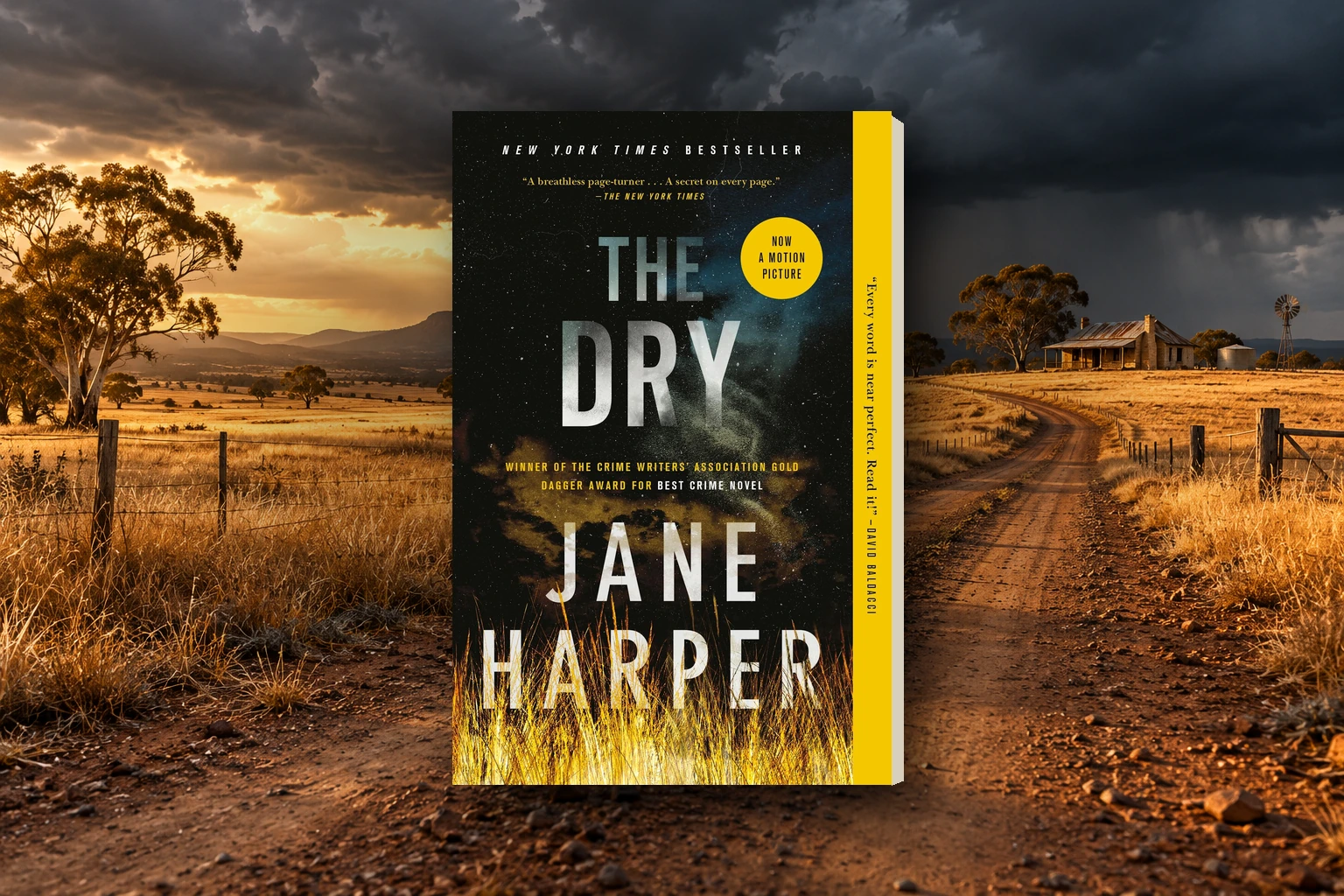
Jane Harper makes drought and old suspicion part of the same landscape. Aaron Falk’s return asks whether a community can investigate a new death while still protecting its account of an older one.