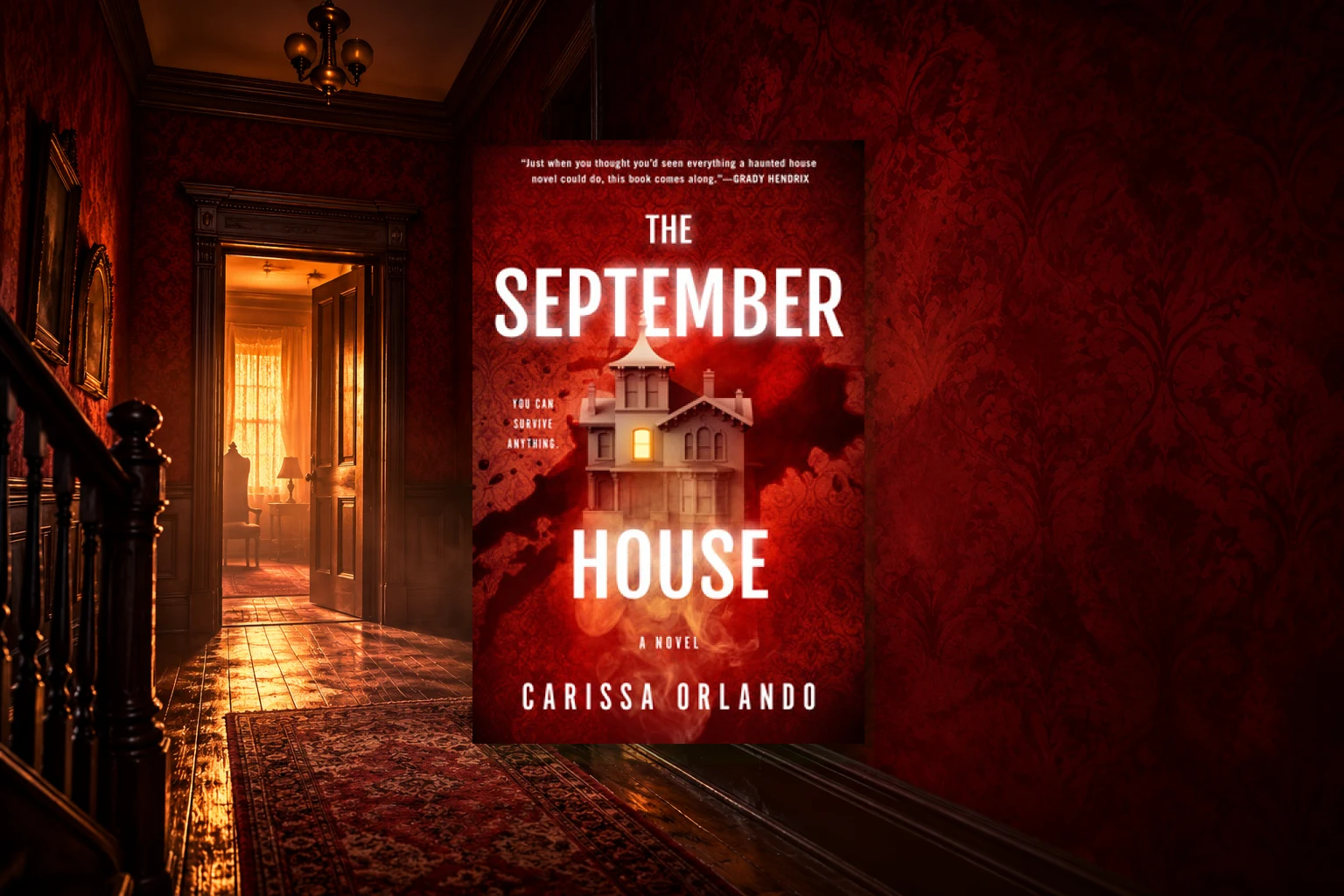
Carissa Orlando gives a haunted-house story a stubbornly practical heroine who refuses to leave. Her dry routines make the ghosts funny, frightening, and inseparable from the family’s buried tensions.
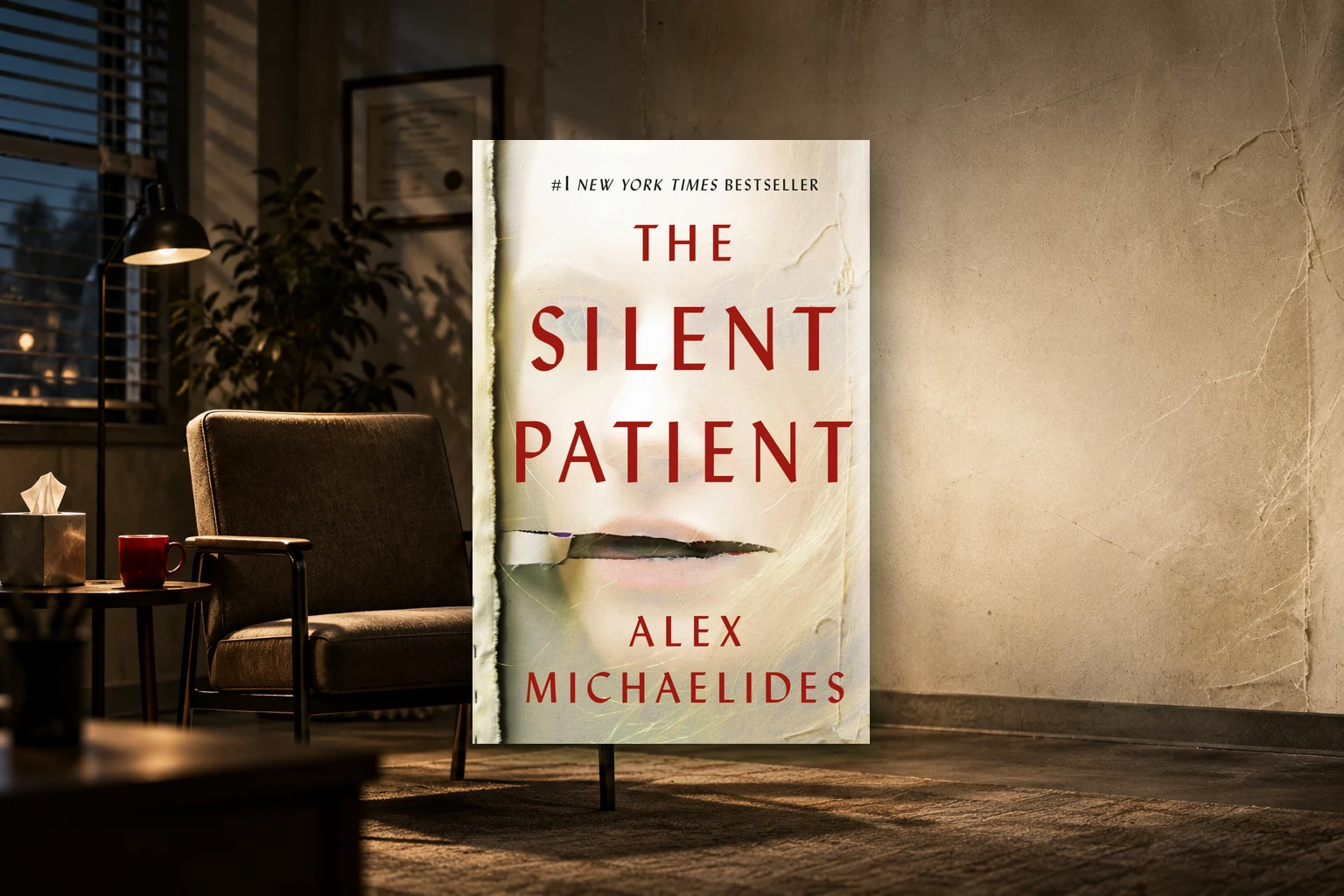
Alex Michaelides turns a woman’s refusal to speak into a test of everyone else’s certainty. The thriller is most compelling when its search for truth begins to look like an exercise of power.
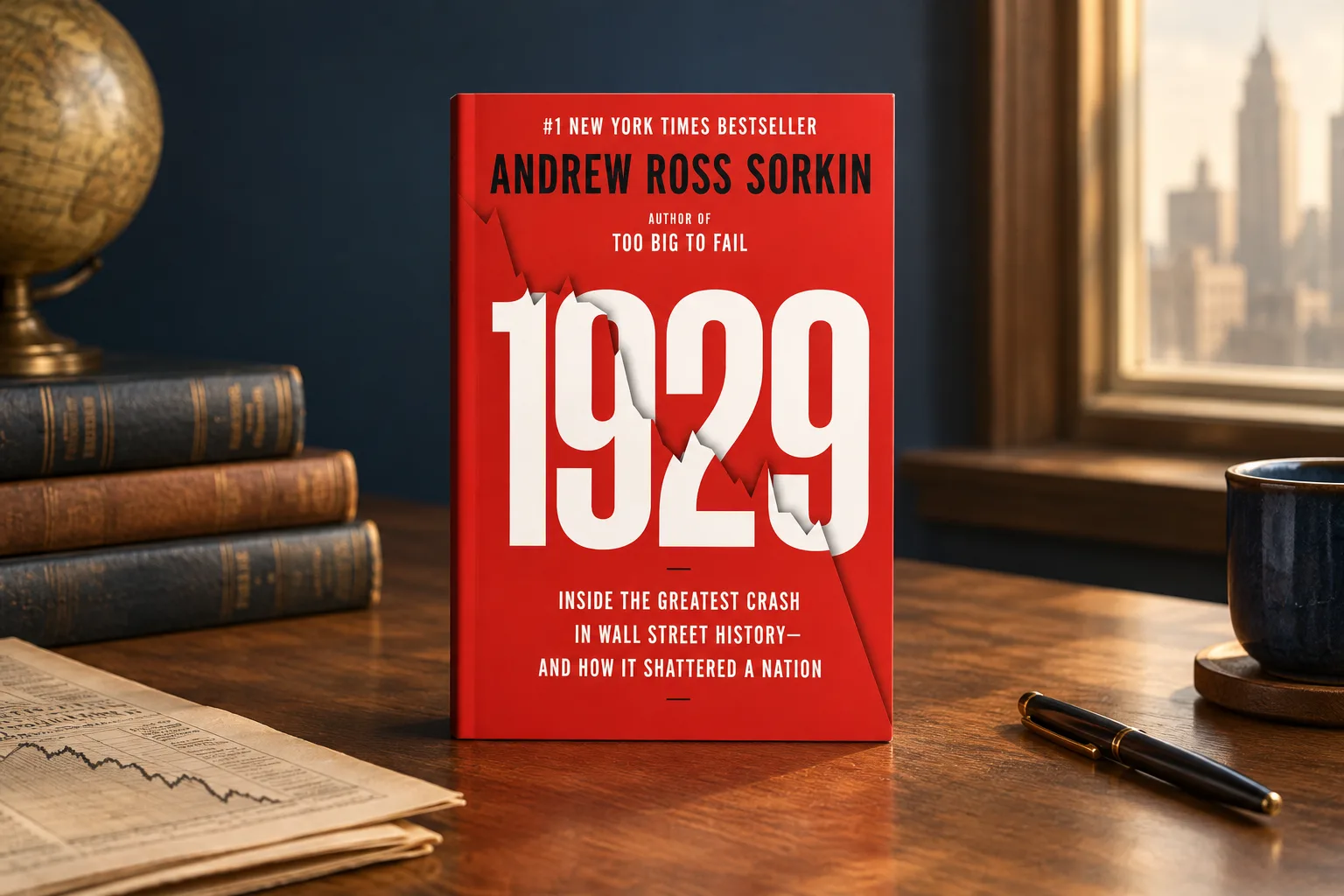
Andrew Ross Sorkin turns the Wall Street crash into a story of decisions, incentives, and misplaced confidence. The history is most useful when read as an inquiry into how crises are made, not as a prediction of the next one.
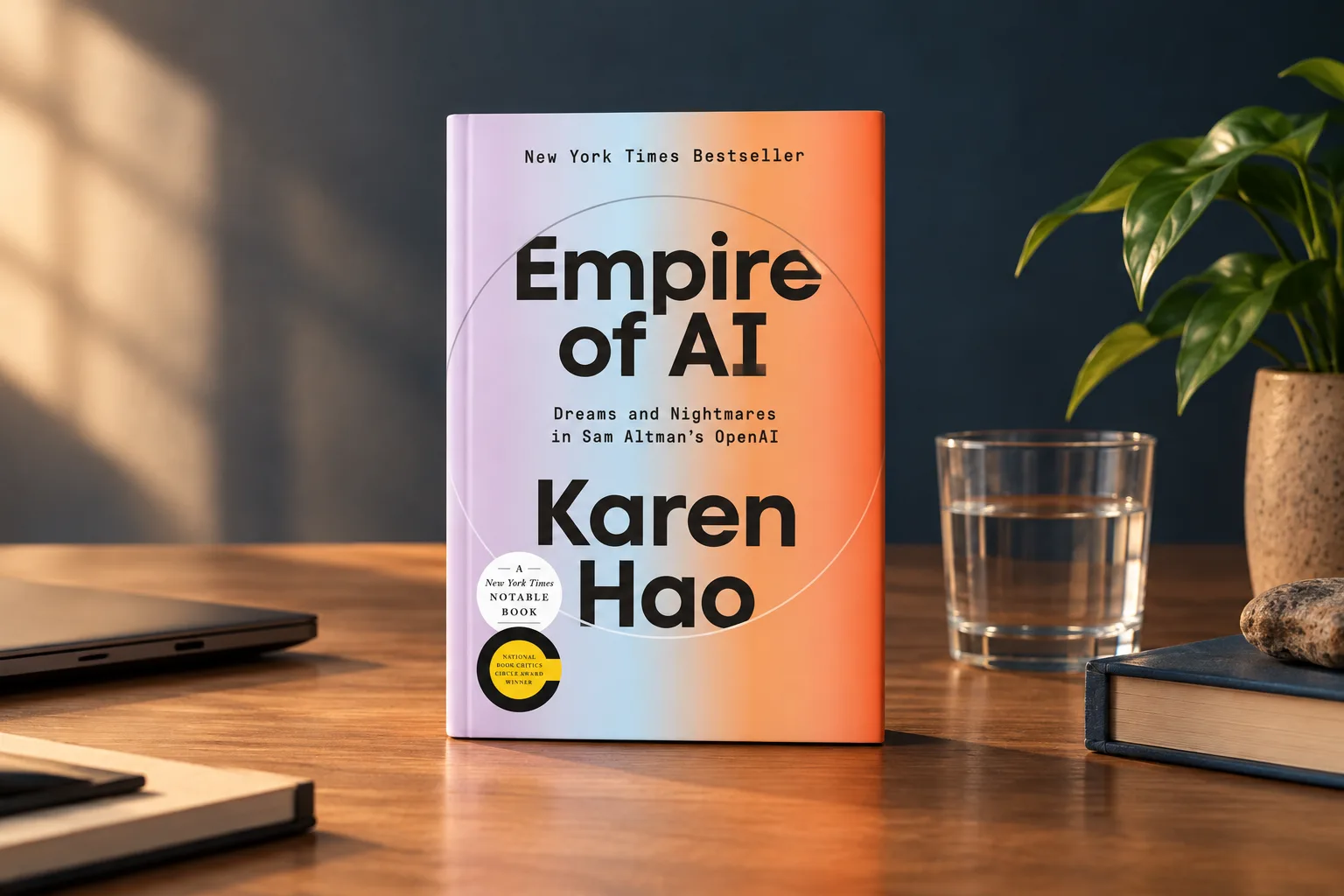
Karen Hao follows the people and resources behind the AI race, from corporate leadership to data labor and water use. Her reporting asks who gets the gains and who bears the costs.
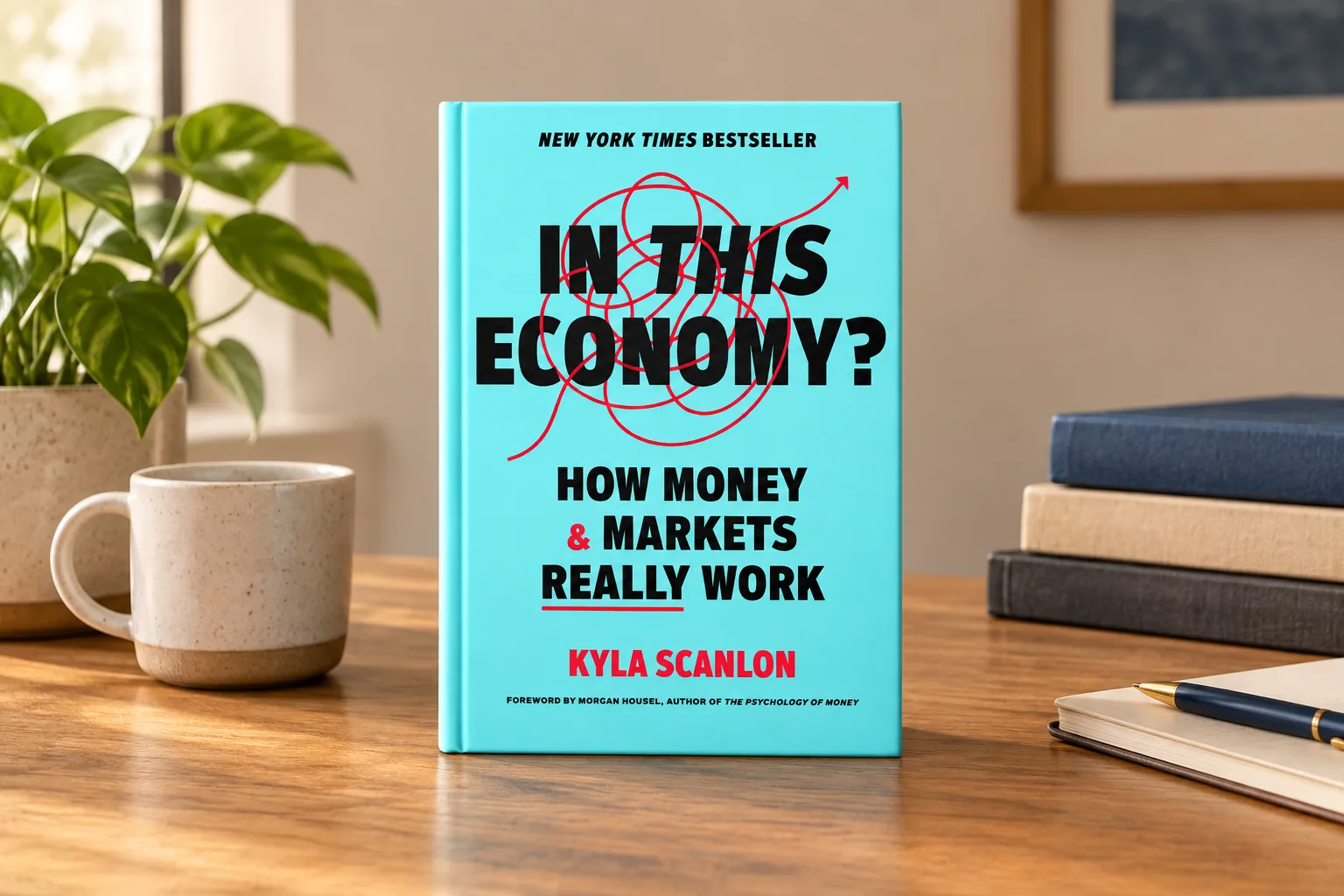
Kyla Scanlon connects economic indicators to the pressures people feel in daily life. Her accessible explanations are valuable when the headlines and household experience seem to disagree.
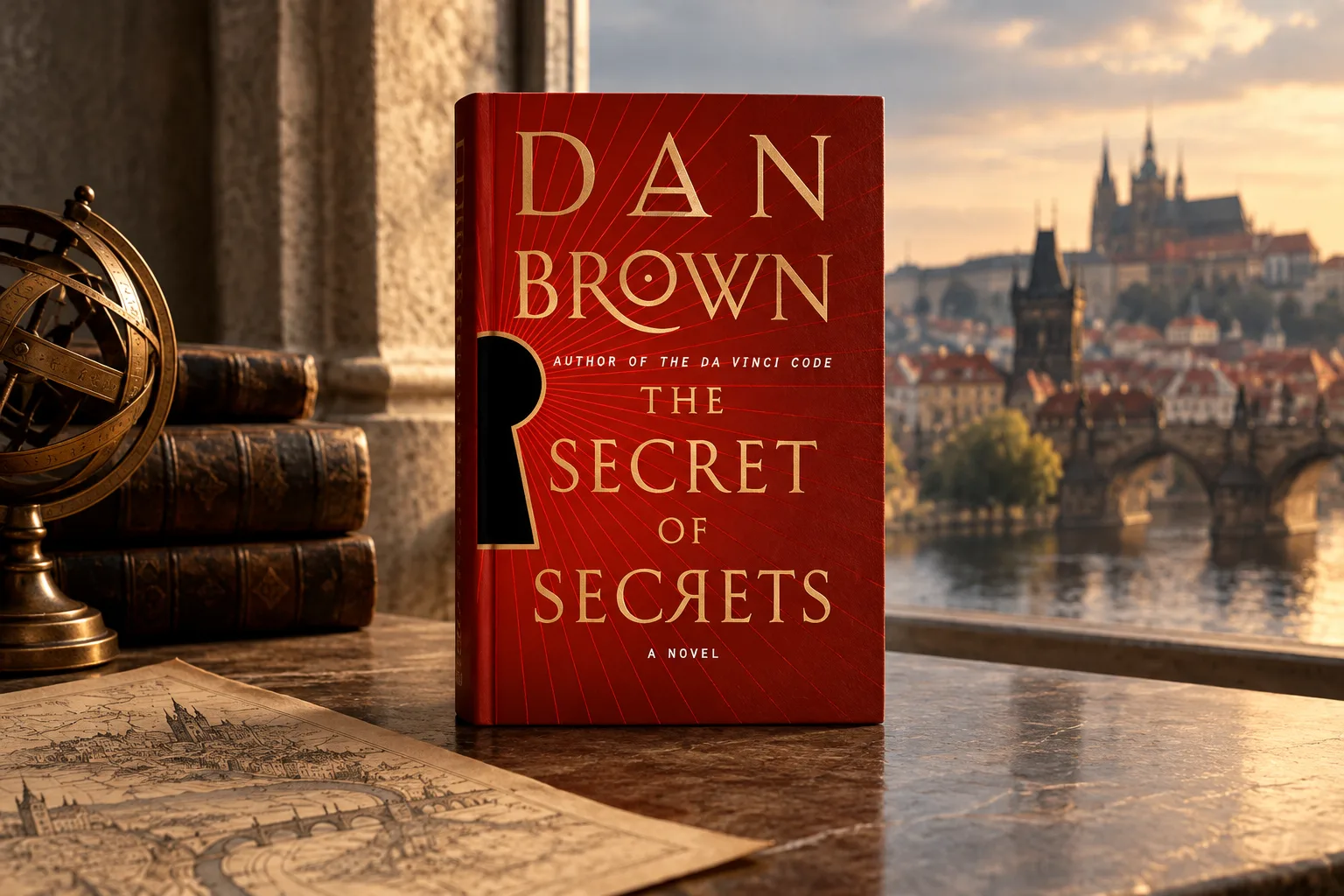
Dan Brown sends Robert Langdon through Prague after Katherine Solomon and her manuscript vanish. The chase draws energy from big questions while asking patience for its scale and exposition.
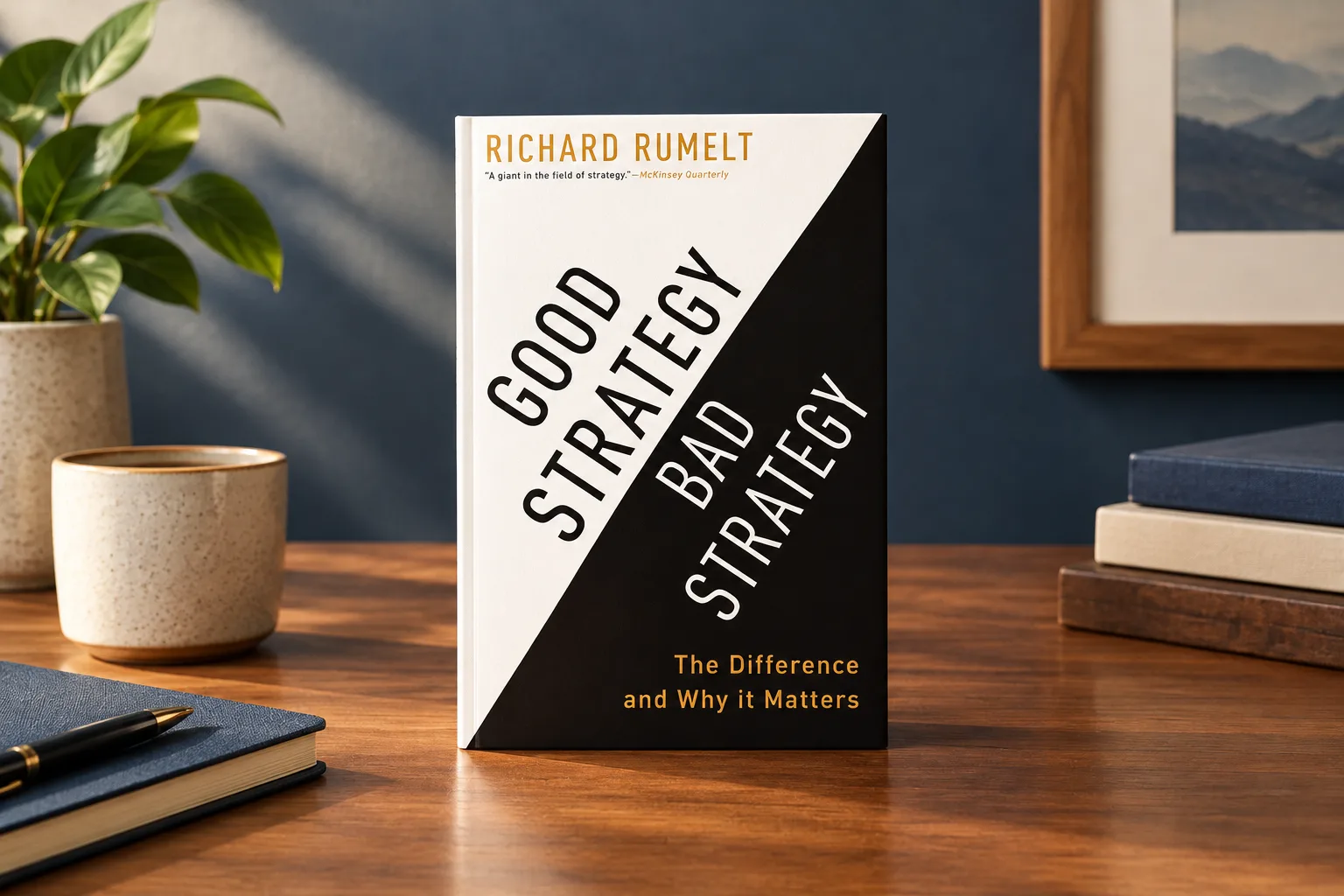
Rumelt separates a real response to an obstacle from slogans and targets. This practical framework makes strategic thinking clearer, while reminding readers that diagnosis still depends on local evidence.
John Grisham's The French Illusion turns a honeymoon kidnapping into a contest between family trust and institutional strategy. Its parallel plots create suspense, while independent critics raise a fair question about the depth of its characters.