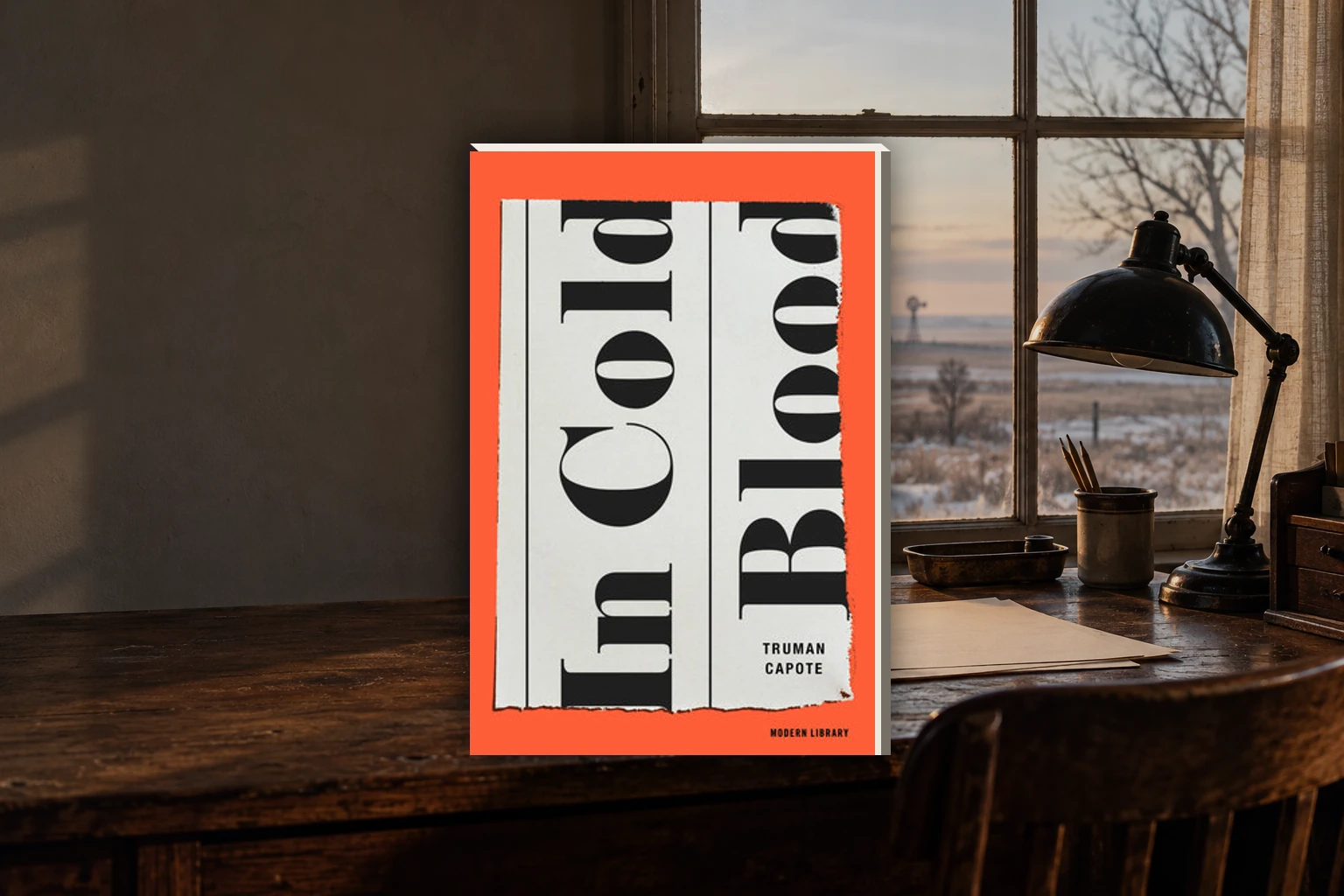
Truman Capote’s landmark true-crime narrative asks readers to understand a murder without allowing understanding to become an excuse. Its literary power also makes the boundary between reported fact and shaped scene unusually important.
Tara Westover’s memoir makes education more than a route to credentials. Learning gives her a way to revisit family, memory, and belonging, with no easy account of what that freedom costs.
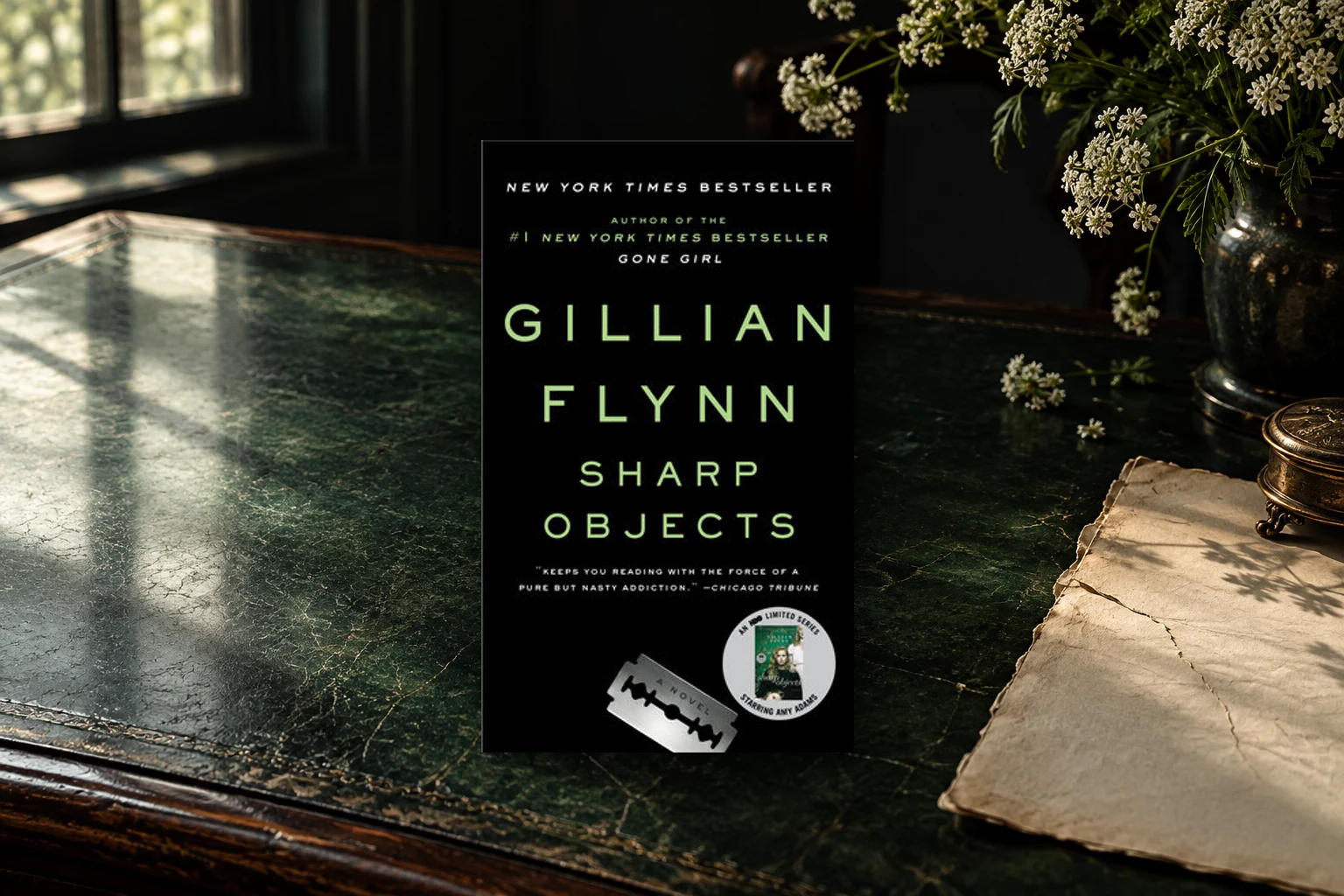
Gillian Flynn sends a reporter home to cover murdered girls and confront the family history she would rather keep at a distance. The investigation unsettles the boundary between telling another person’s story and surviving one’s own.
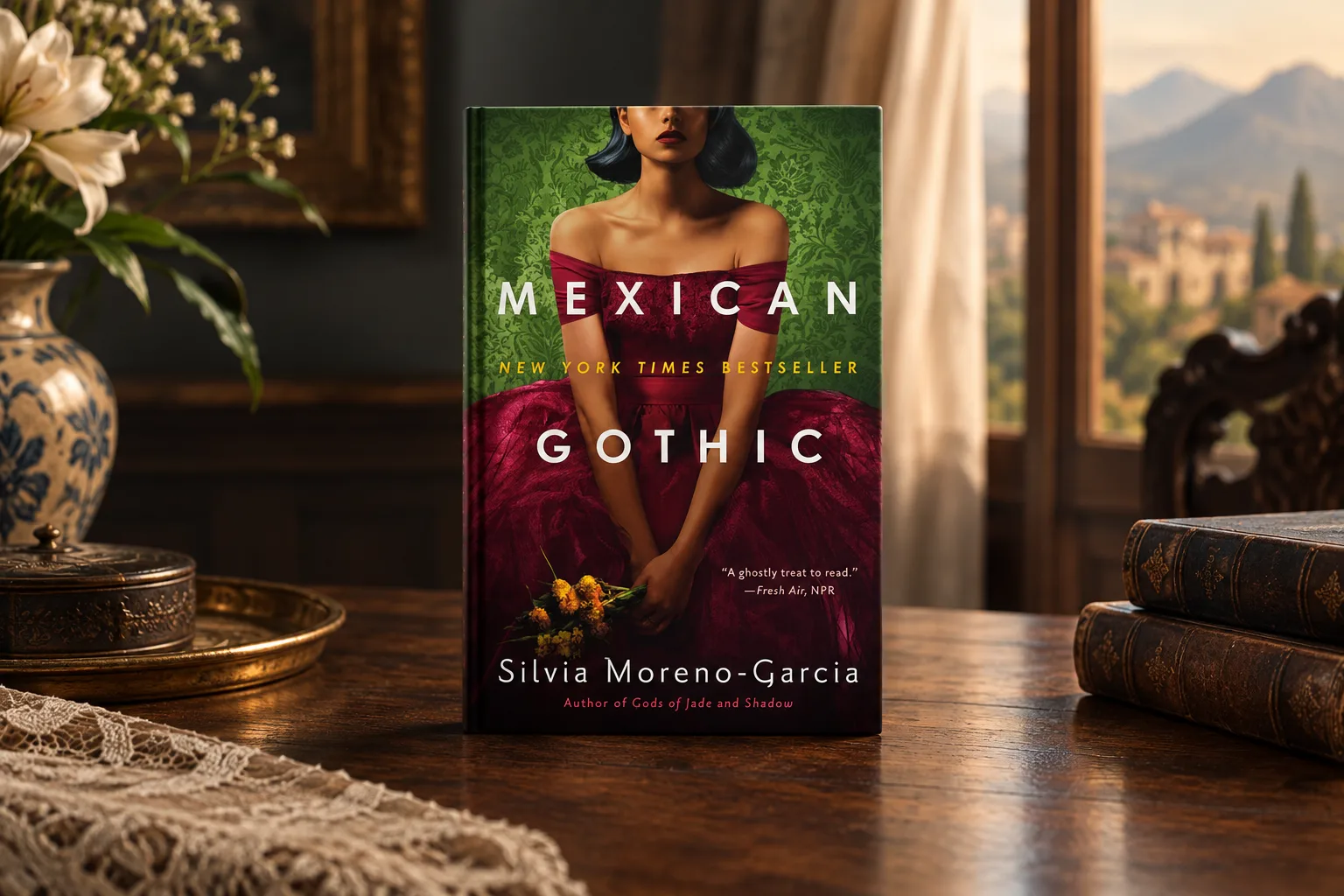
Noemí’s social confidence meets the authority of an isolated family estate, while critical debate asks how far the novel’s anticolonial Gothic vision extends.
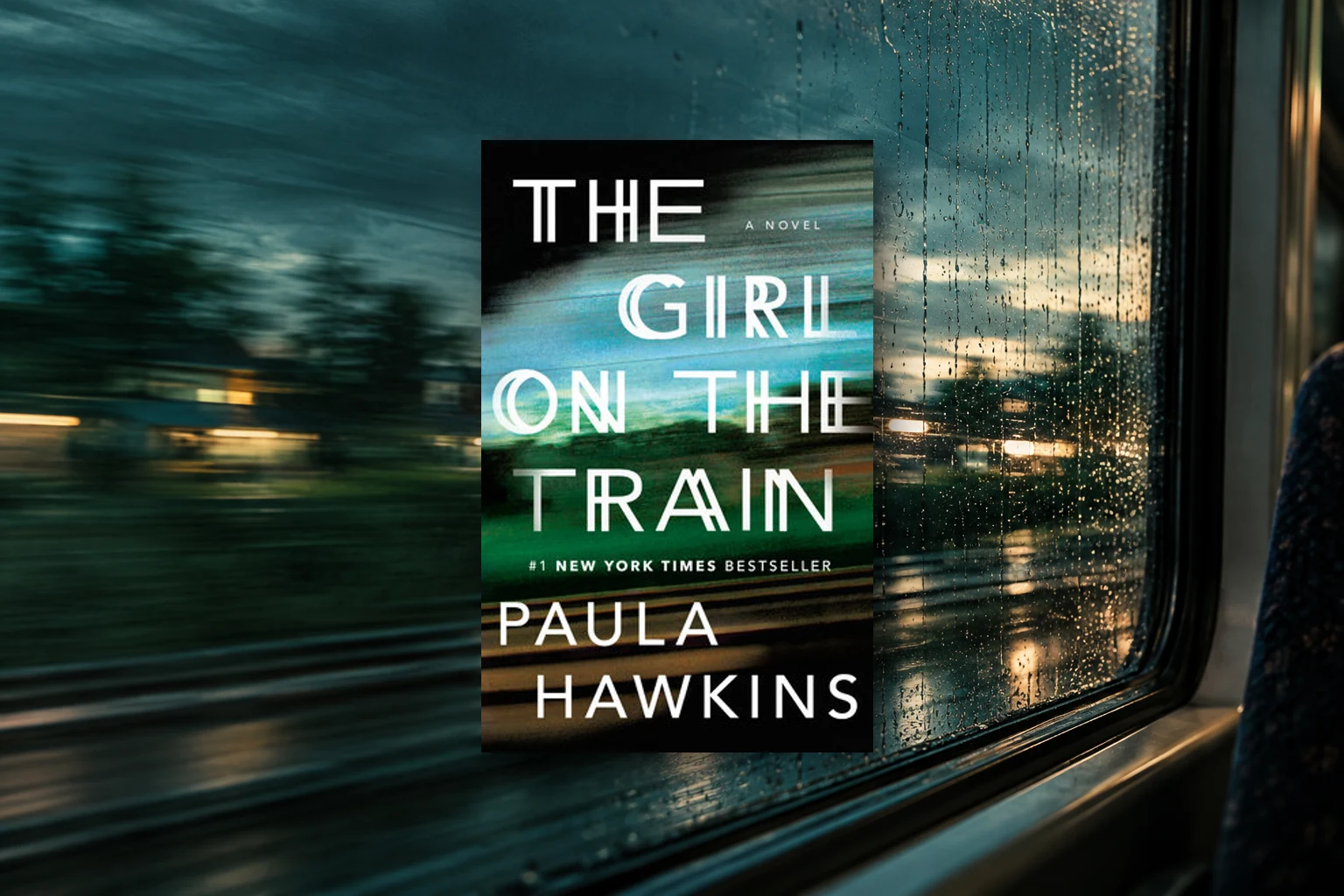
Paula Hawkins turns a commuter’s passing glance into an inquiry about memory and credibility. Rachel’s uncertainty matters because other people are so ready to mistake it for proof that she has nothing useful to say.
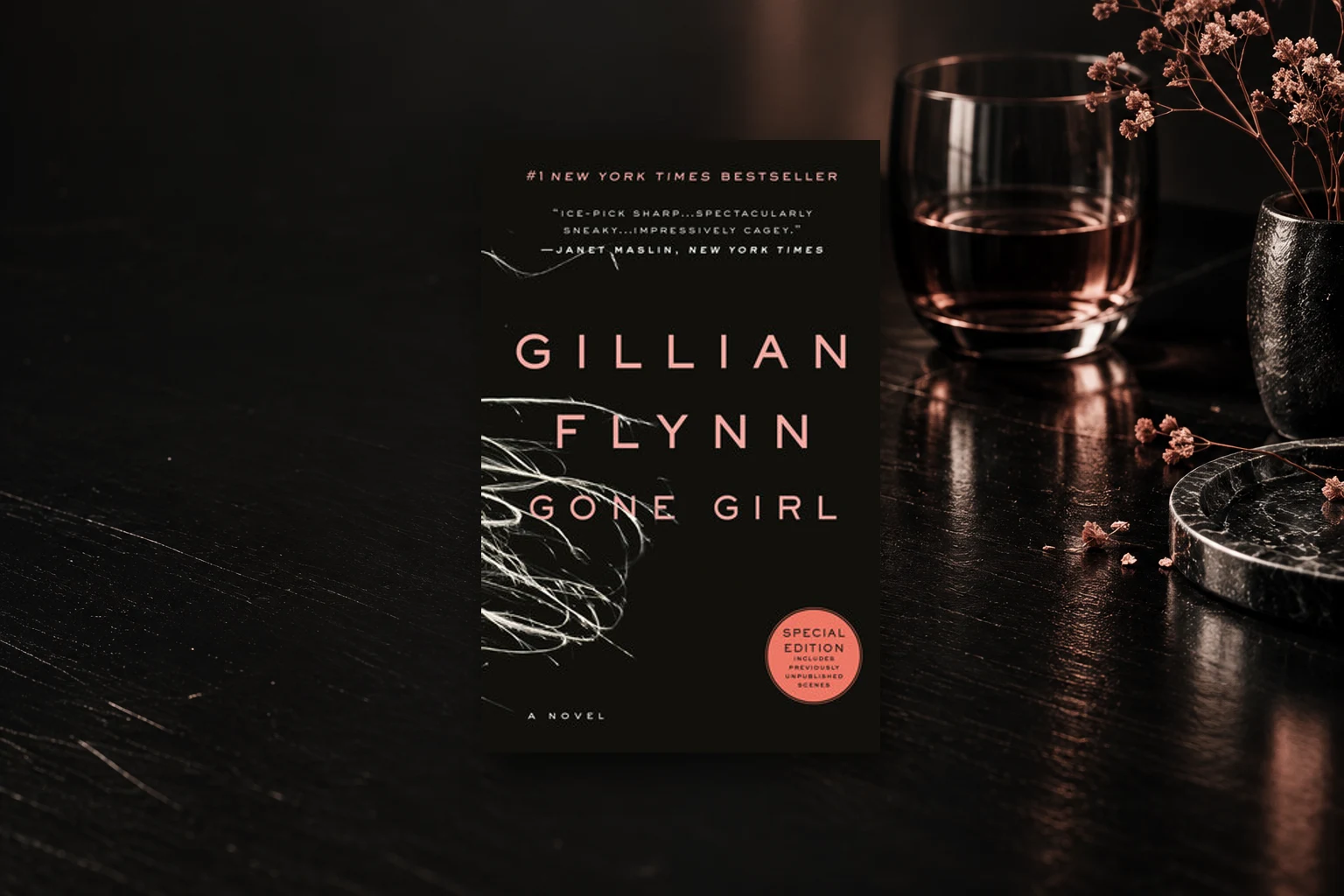
Gillian Flynn makes a missing-person investigation a contest over who gets to define a marriage. The novel’s sharpest suspense comes from the distance between evidence, performance, and public certainty.
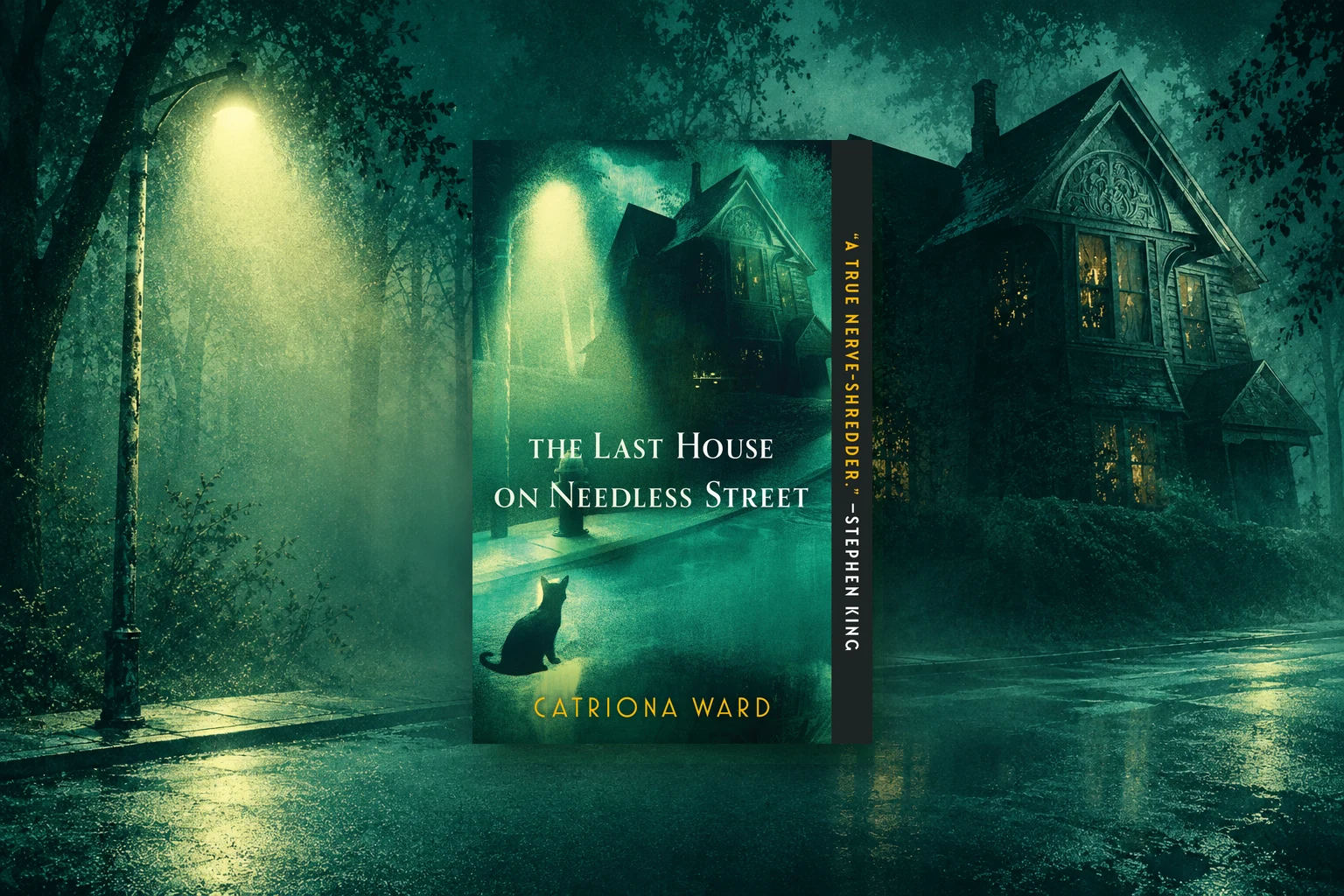
Catriona Ward makes a house, a missing child, and fractured accounts of ordinary life feel unstable from the first pages. Its deeper horror lies in how quickly fear becomes certainty about another person.