Samantha Harvey turns a day in orbit into a study of how attention changes when Earth becomes both view and home. Orbital’s lyric scale is its great strength—and the reason readers seeking conventional plot or deeply developed character arcs may feel held at a distance.
David Szalay builds a life story out of silences, bodily experience, and the years a conventional novel might explain. Flesh asks whether a person can be understood through the forces that move him when he cannot—or will not—name what he wants.
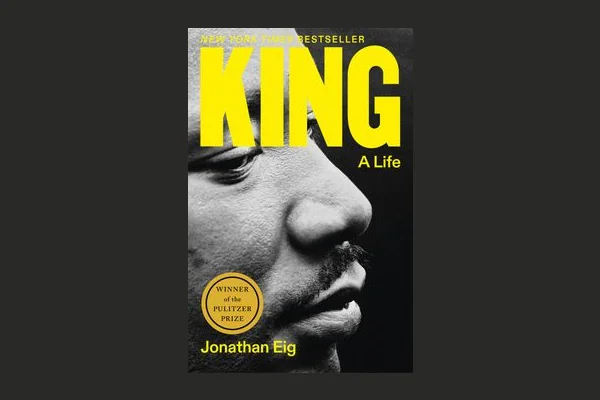
Jonathan Eig’s biography uses fresh archival material to place Martin Luther King Jr.’s public courage beside his private doubts and the collective movement around him.
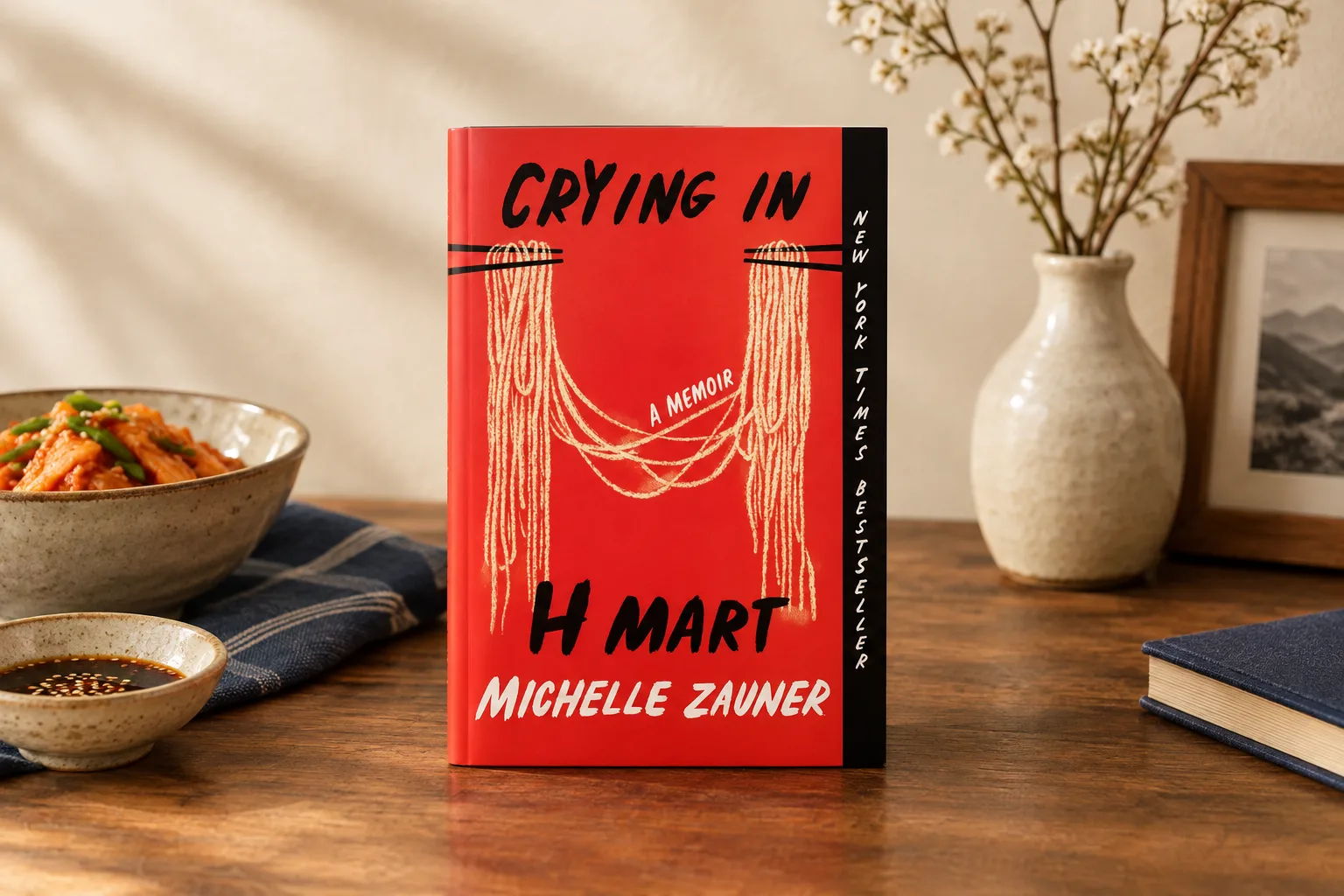
Michelle Zauner’s memoir follows grief through Korean food and family memory, asking how inherited rituals can preserve a complicated mother-daughter bond without simplifying loss.
Colson Whitehead sets Elwood's moral idealism beside Turner's hard skepticism to show how institutional violence shapes the choices available to children.
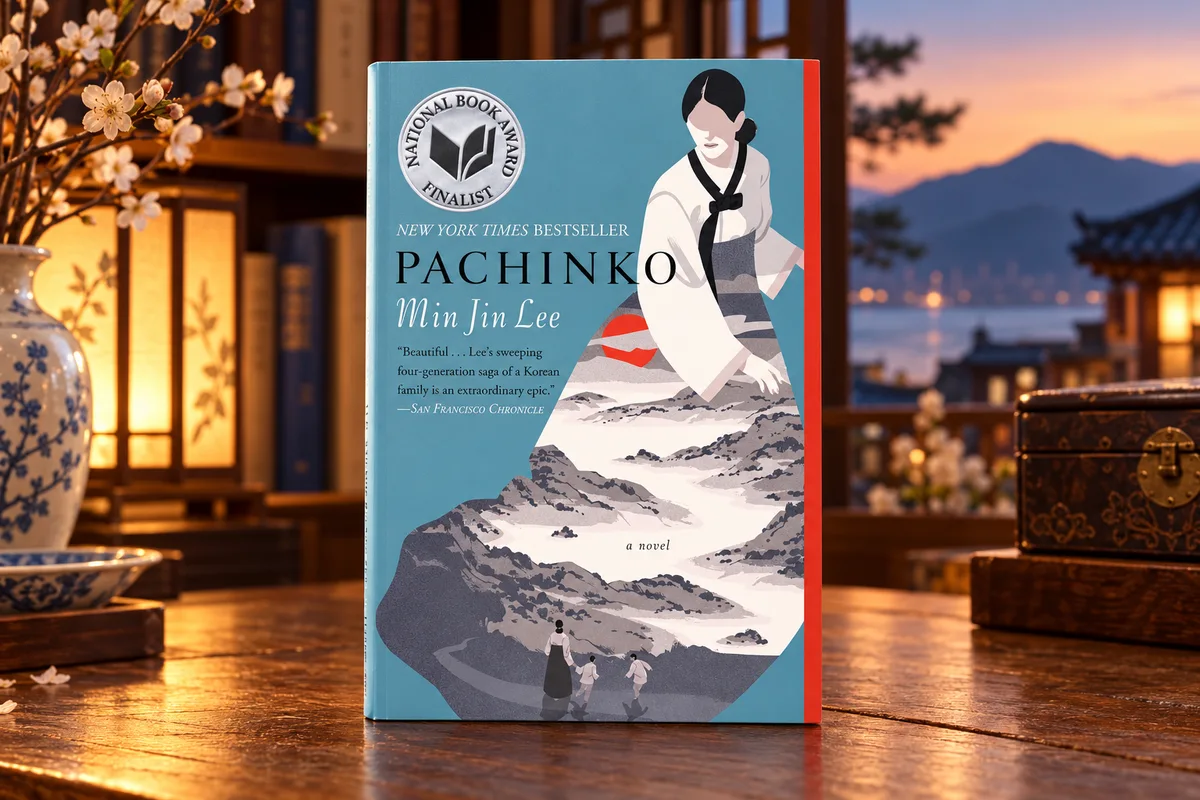
This review of Min Jin Lee's Pachinko examines how four generations of a Korean family in Japan face colonialism, migration, labor, and exclusion. Its sweeping history is most persuasive in the ordinary choices that make survival possible.
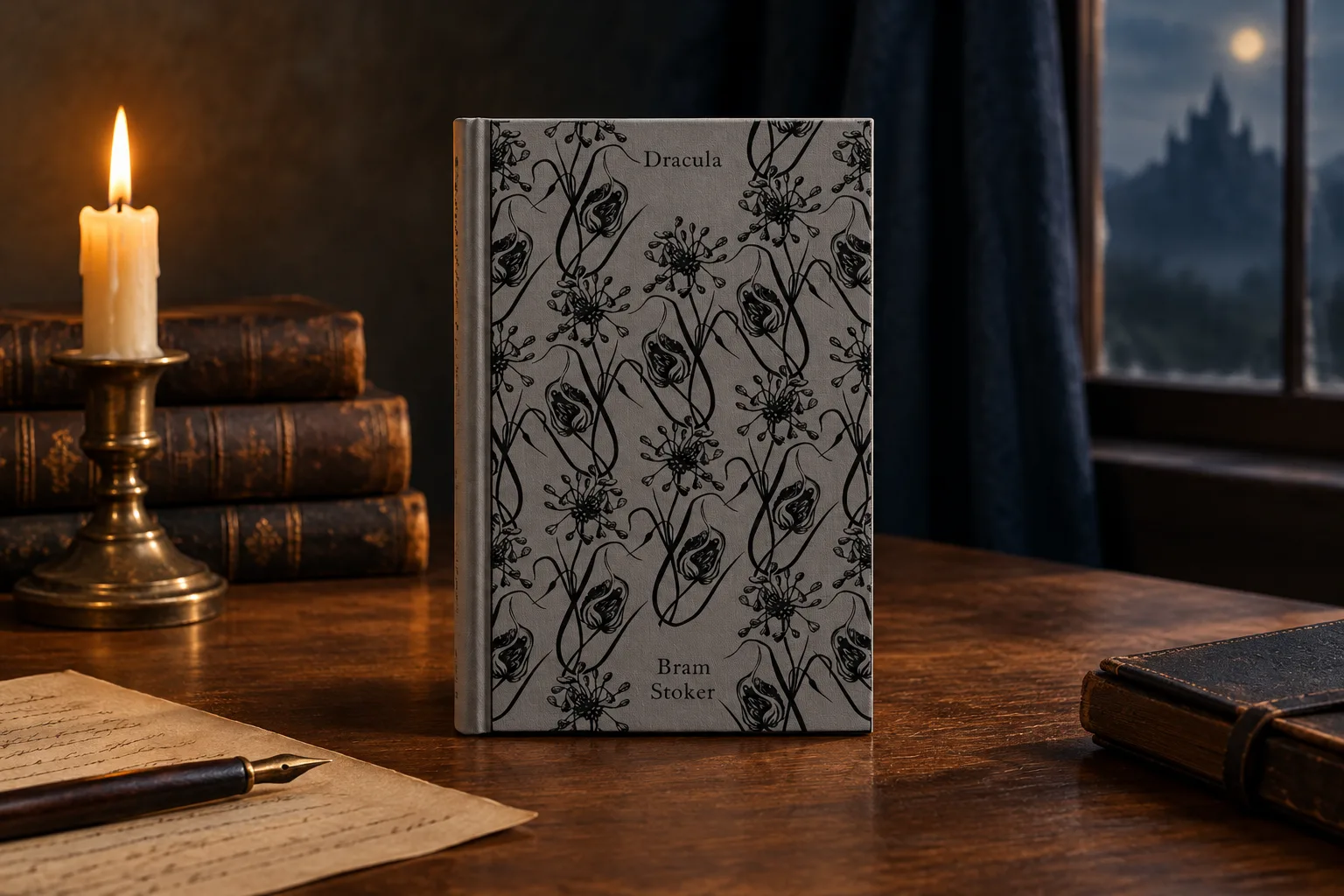
Bram Stoker’s Dracula is more than the source of a familiar monster. Told through journals, letters, reports, and recordings, it turns horror into an investigation shared by imperfect witnesses. Its inventive form and attention to gender reward careful reading, even as its Victorian fear of foreignness calls for scrutiny.
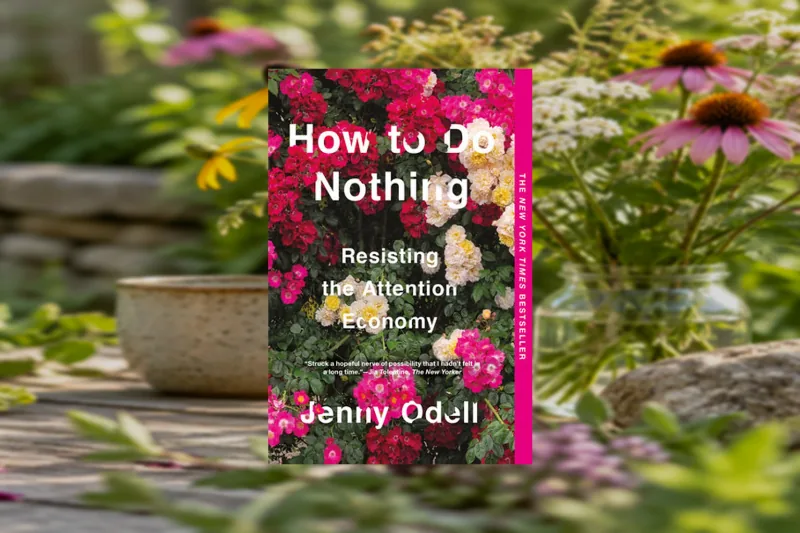
In this review of Jenny Odell's How to Do Nothing, Tale24 argues that its strongest idea is not digital detox but learning to defend attention as a social and ecological practice. The essay also weighs what the book offers readers who need practical advice.
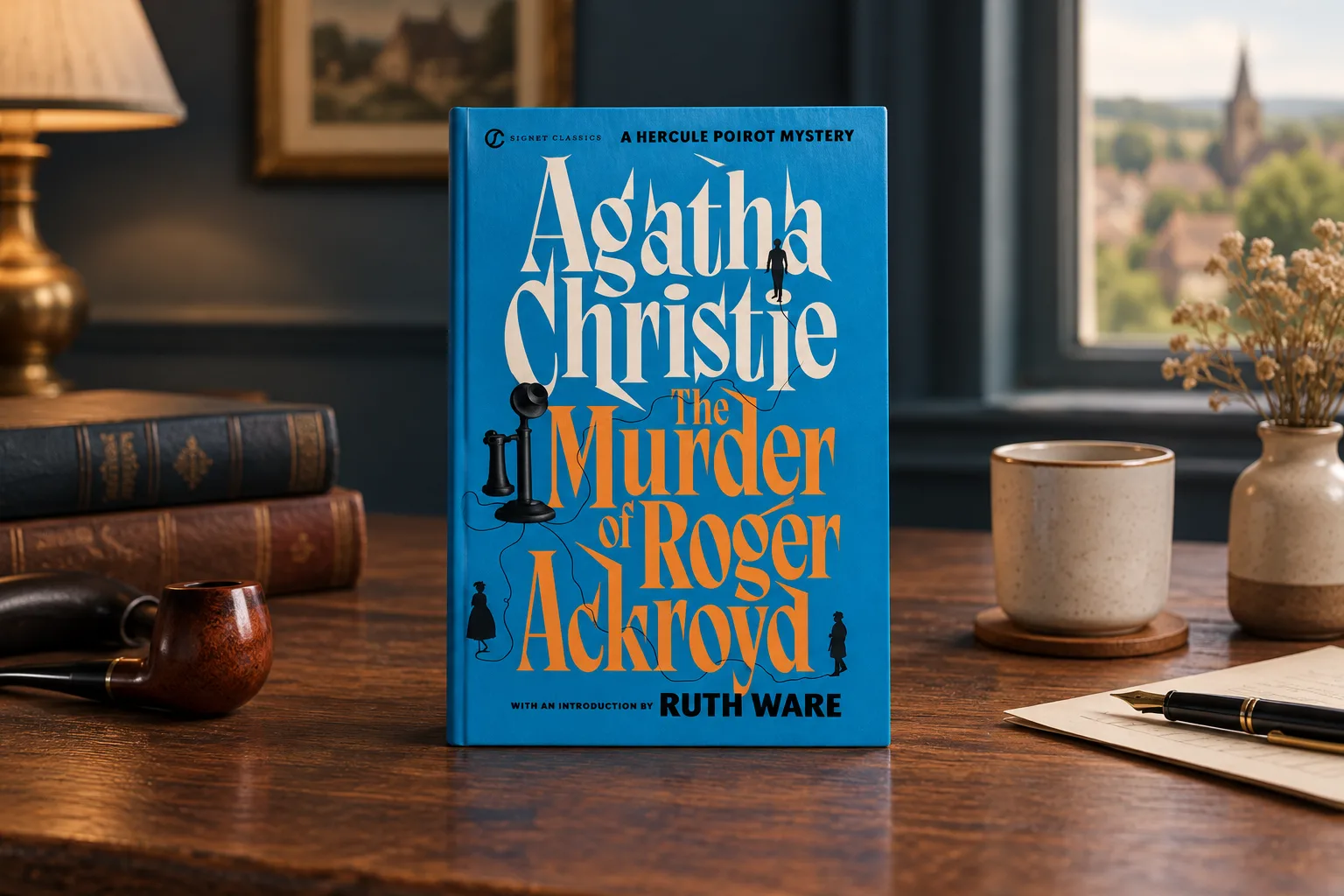
Agatha Christie’s 1926 Poirot novel is remembered for a startling solution, but its lasting craft lies in how it steers the reader toward one account of the evidence. Its village mystery becomes a test of trust: who is allowed to narrate an investigation, and what do readers mistake for neutrality?