
Editorial independence
No sponsorship is accepted to alter the conclusions or scores of reviews.
No disguised advertisingRead with greater care
Understand every story more deeply
No sponsorship is accepted to alter the conclusions or scores of reviews.
No disguised advertisingEvery draft is checked for clarity, sourcing, and the limits of its claims before publication.
AI-assisted, human-accountableOur transparent score reflects depth, argument quality, originality, and practical value.
A consistent evaluation frameworkEDITOR’S PICKS
Carefully read, researched, and challenged by the Tale24 editorial team.
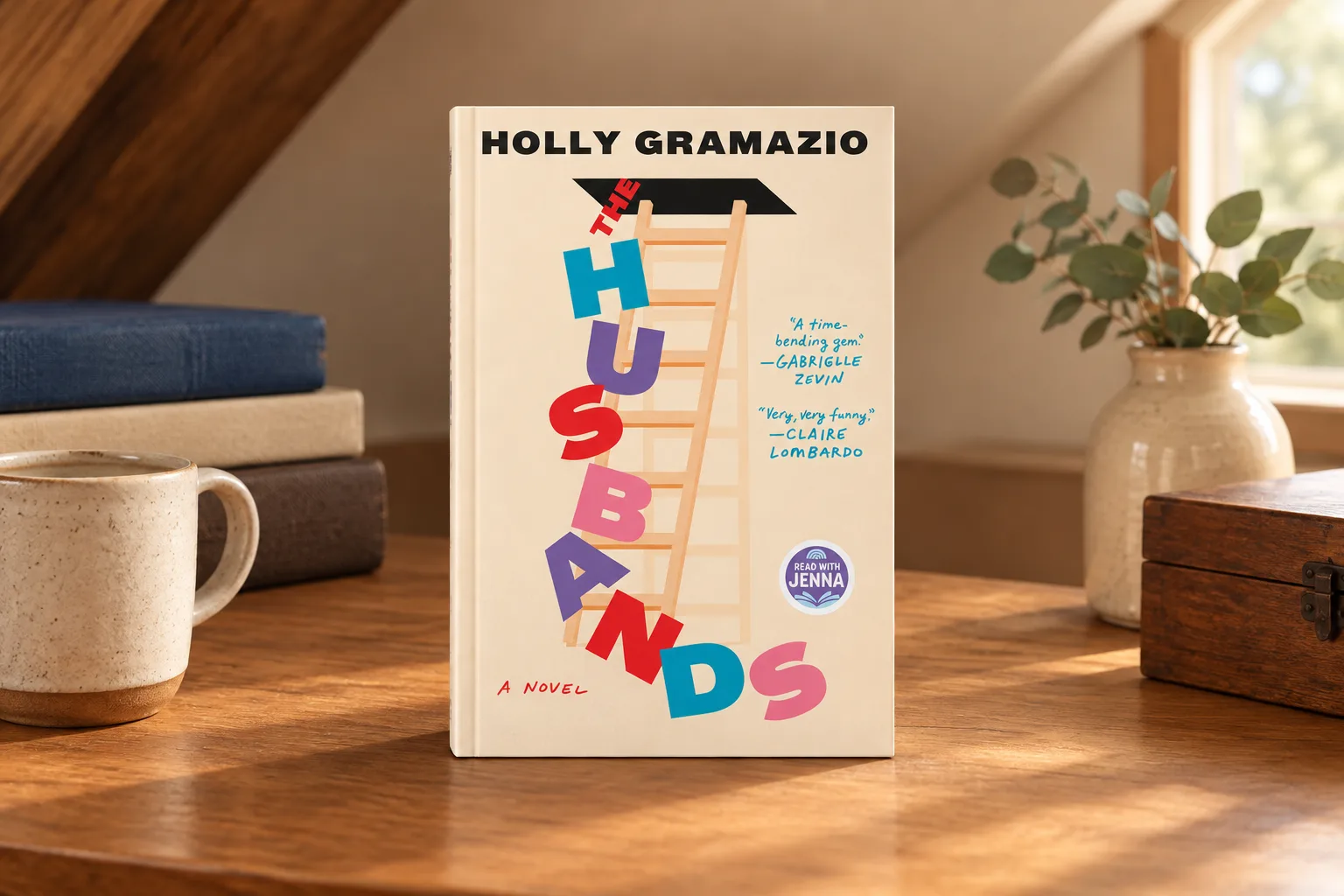
Holly Gramazio turns an attic into an endless supply of husbands—and a funny, searching test of whether more options make it easier to choose a life.
A high-concept comic premise makes choice, commitment, and the pull of imagined alternatives easy to discuss.
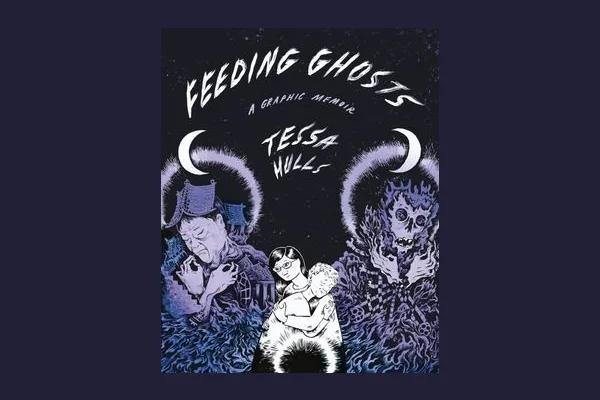
Tessa Hulls traces three generations of Chinese women through exile and inherited trauma, using the graphic memoir form to make family memory visible and uncertain.
An ambitious family scope and a visual form suited to fragmented memory and historical distance
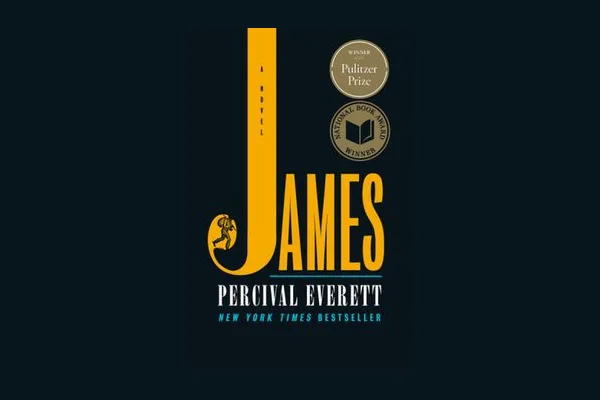
Percival Everett gives Jim the narrative authority that a familiar American adventure denied him, changing the meaning of freedom, language, and the river itself.
A sharp change of perspective, moral urgency, and humor that challenges a familiar classic
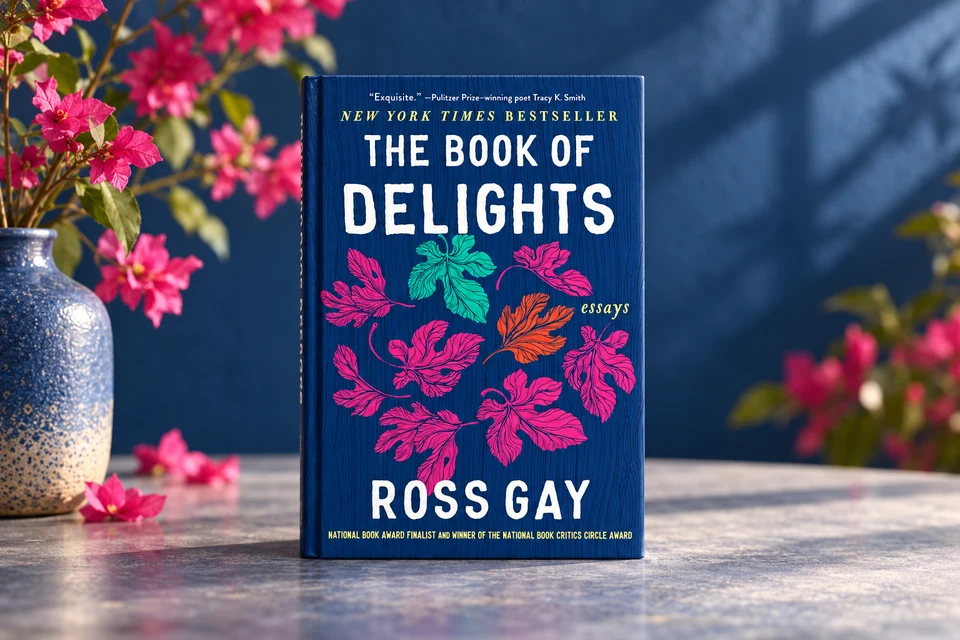
Ross Gay's brief essays make delight an act of attention shared with others. Their optimism gains force because it leaves grief, injustice, and ordinary difficulty in view.
A lively, generous voice that makes commonplace encounters newly visible.
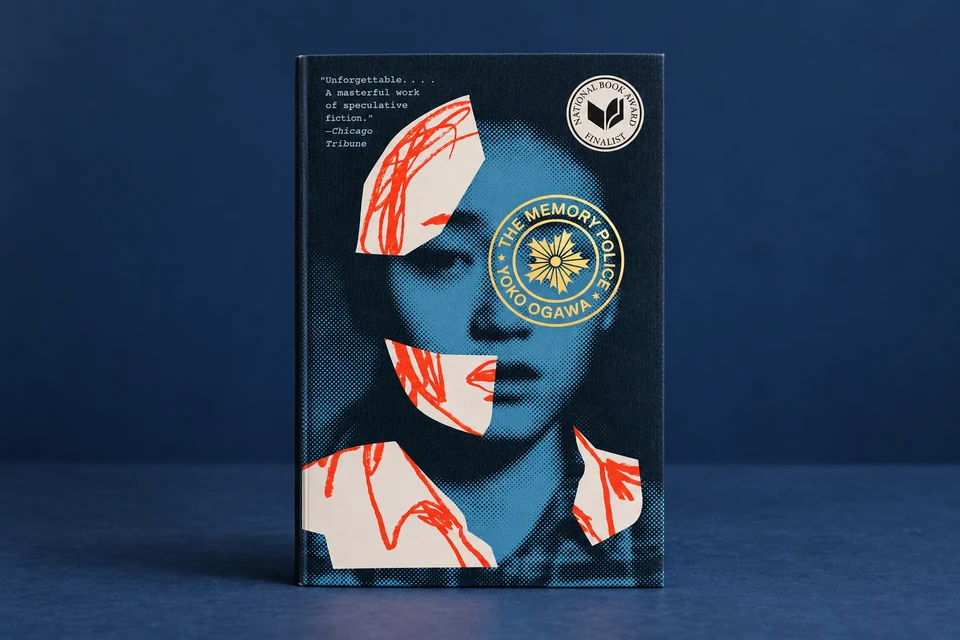
Yoko Ogawa's island of disappearing things turns memory into a political and emotional question. Its restrained style makes the losses more disturbing than spectacle would.
A controlled, unsettling atmosphere and a powerful link between memory and belonging.
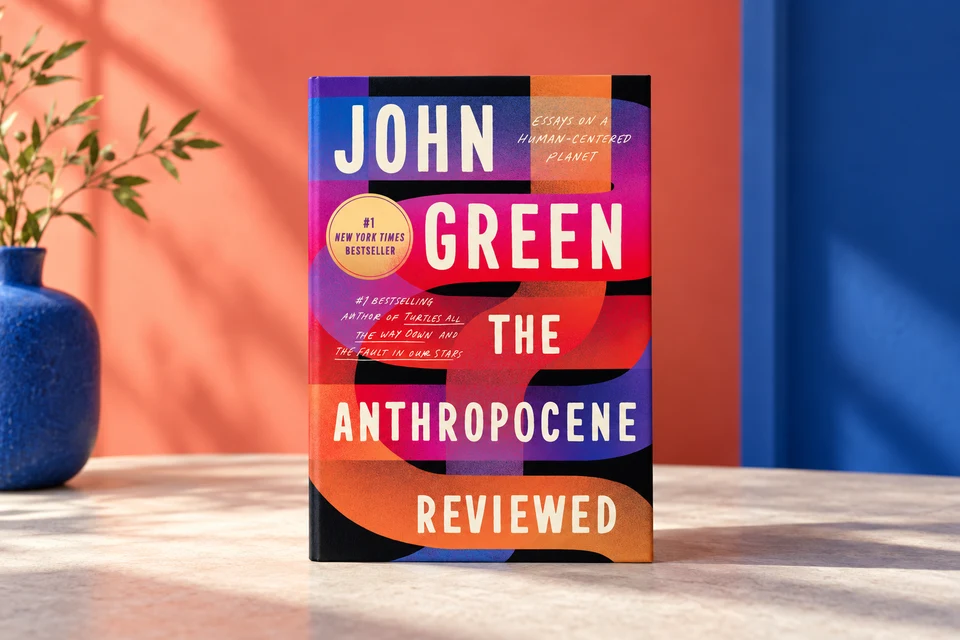
John Green's five-star essays turn ordinary objects into questions about memory, responsibility, and connection. Their real force comes when the rating proves too small for the subject.
An inventive essay structure and a moving sense of human scale.
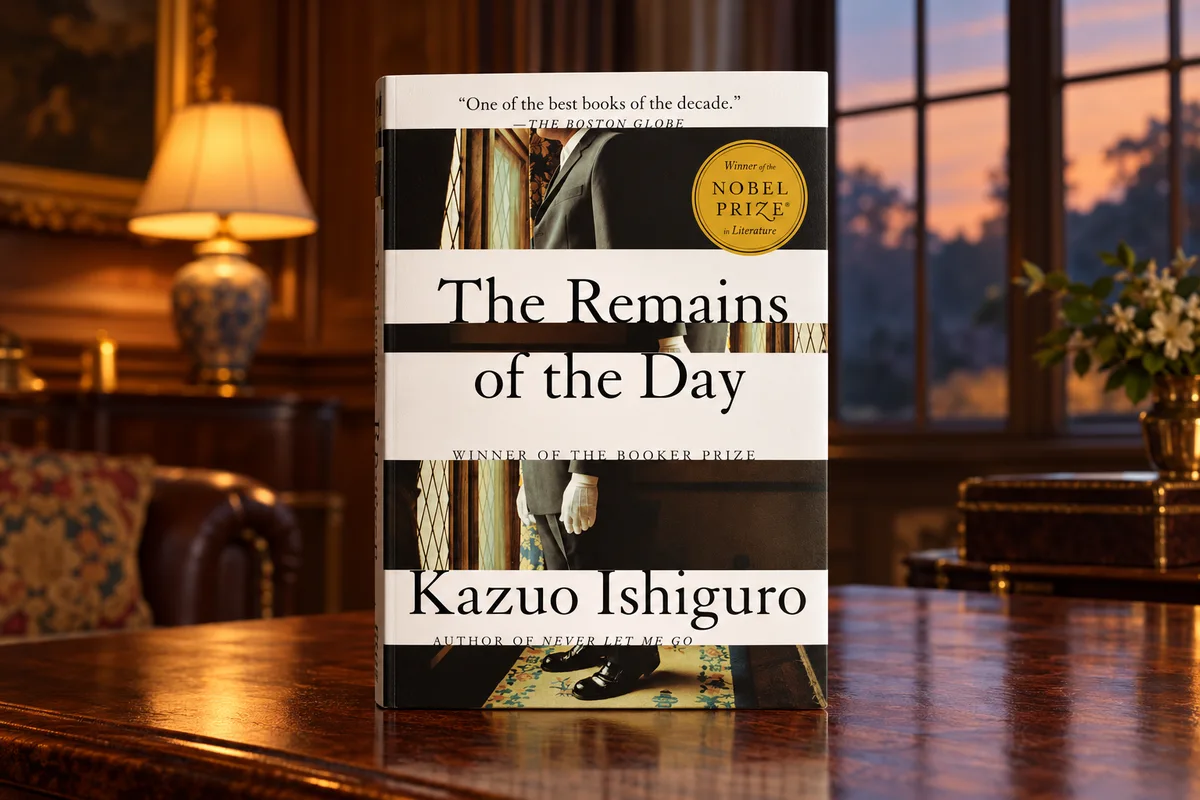
Kazuo Ishiguro follows a butler who believes dignity means absolute professionalism, then lets the silences in his memory reveal the price of surrendering judgment and refusing to name one's feelings.
Masterful unreliable narration; powerful emotion created through restraint; private life is connected subtly to history and political responsibility.
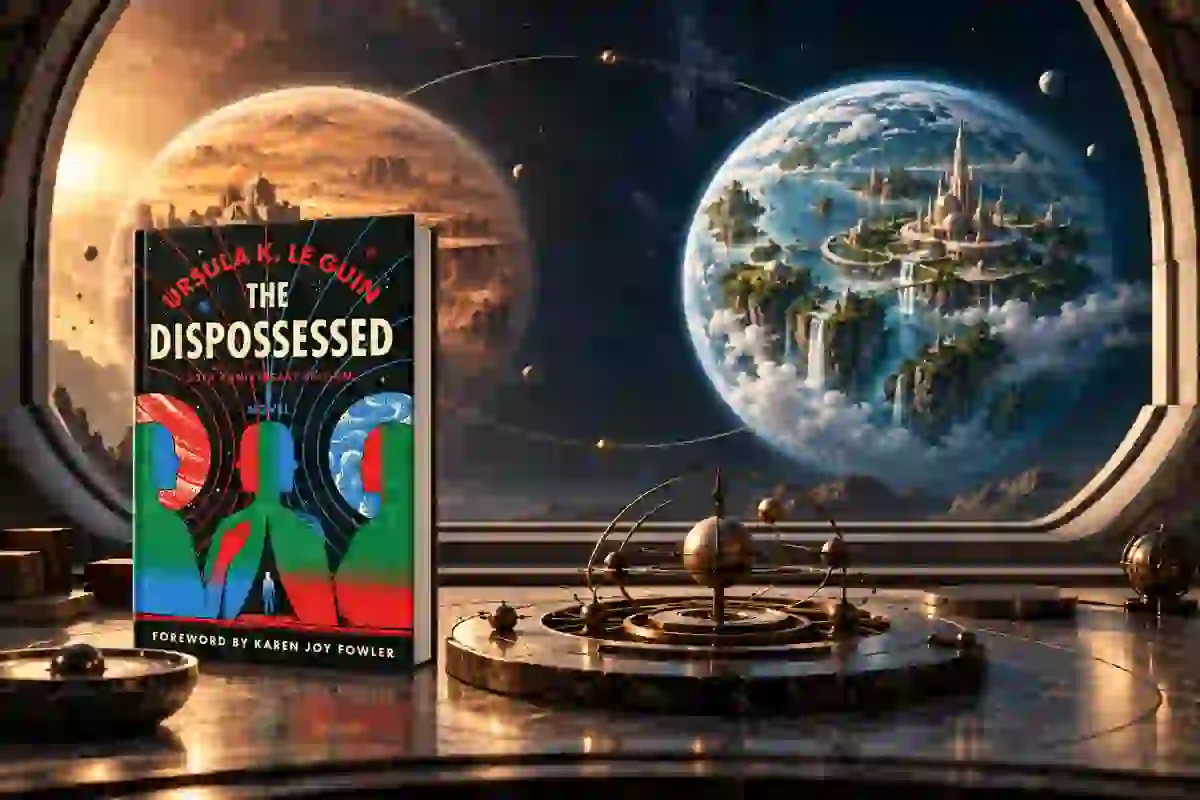
Ursula K. Le Guin tests political ideals against the institutions and habits that grow around them, using two societies to make comparison itself an ethical practice.
Intellectually ambitious world-building, a rigorous political imagination, and a structure that keeps every social order open to criticism.

Kazuo Ishiguro turns memory and ordinary language into instruments of moral unease, asking whether humane treatment can disguise a system that remains fundamentally unjust.
Controlled narration, ethical complexity, and emotional force created through implication rather than spectacle.

By building a history of the Great Migration around three lives, Isabel Wilkerson makes movement across a map legible as an accumulation of risk, loss, and agency.
Immersive narrative history, extensive research, and a powerful connection between structural change and private consequence.
TALE24 EDITORIAL PROCESS
Each article moves through research, editing and publication checks. The responsible editor remains accountable for the final work.
Check the book details, material facts and the review's critical angle.
Distinguish evidence from opinion and make the strengths and limits clear.
Verify images, metadata, links and the article's final presentation.
TALE24 METHODOLOGY
Critical standards help readers select worthwhile ideas in an age of information overload.
The summary is concise but does not impoverish the value of the original work. The context and core ideas are always preserved.
Save time, double the depthEvaluate the pros and cons with a fair attitude, not commercial flattery.
Never compromise with superficialityA 100-point scale with clear criteria helps readers choose the right book for their goals.
A transparent editorial framework“We believe that in an era of quick quotes, the patience to fully understand an idea is the rarest but most valuable quality.”
Tale24 is not born to encourage you to read more in quantity. Our mission is to be a quiet critical companion: distilling valuable ideas, deciphering the layers of meaning behind words, and courageously questioning the obvious.
Tale24 separates editorial content from advertising. Automated advertising does not change the critical conclusions.