

Read with greater care
Understand every story more deeply

100%

Editorial independence

No sponsorship is accepted to alter the conclusions or scores of reviews.

No disguised advertising
2

Review stages

Every draft is checked for clarity, sourcing, and the limits of its claims before publication.

AI-assisted, human-accountable
100

Point review scale

Our transparent score reflects depth, argument quality, originality, and practical value.

A consistent evaluation framework

EDITOR’S PICKS

In-depth reviews and essays

Carefully read, researched, and challenged by the Tale24 editorial team.
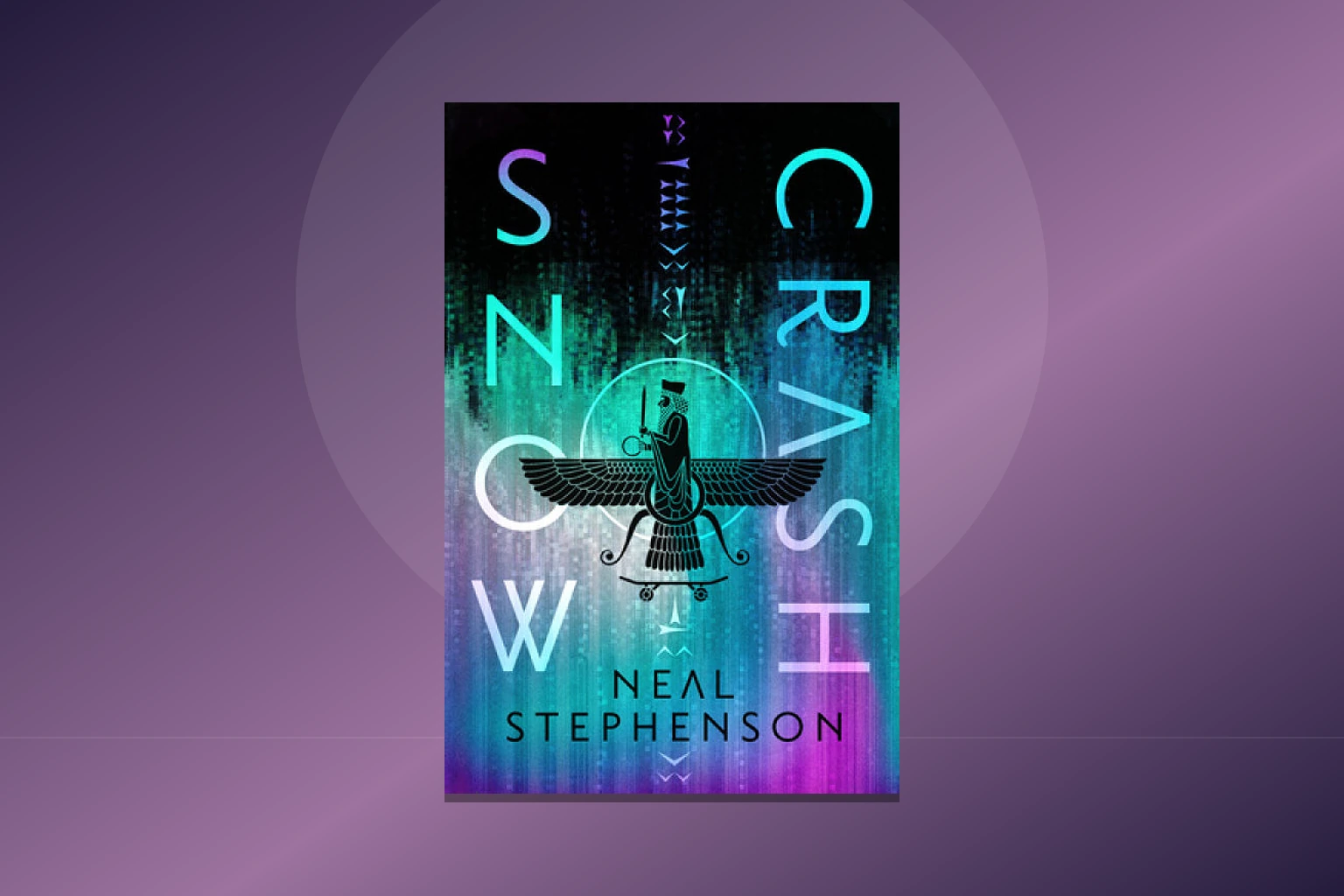
Illustration for article Snow Crash: A Virtual World Built by a Franchised One
Science Fiction & Ideas• 6 minutes of reading

Snow Crash: A Virtual World Built by a Franchised One

Stephenson’s Metaverse matters because it extends a physical world already carved up by brands, private power, and contested language.

Energetic satire, inventive settings, and a sharp link between physical and virtual power
Noteworthy pointEnergetic satire, inventive settings, and a sharp link between physical and virtual powerLimitations to noteDense explanation and deliberate excess sometimes interrupt the story’s momentum
Tale24 Score90/100Best for: Readers who like cyberpunk, social satire, and ambitious idea-driven fictionRead the review
Illustration for article The War of the Worlds: When the Invaders Hold the Mirror
Science Fiction & Ideas• 6 minutes of reading

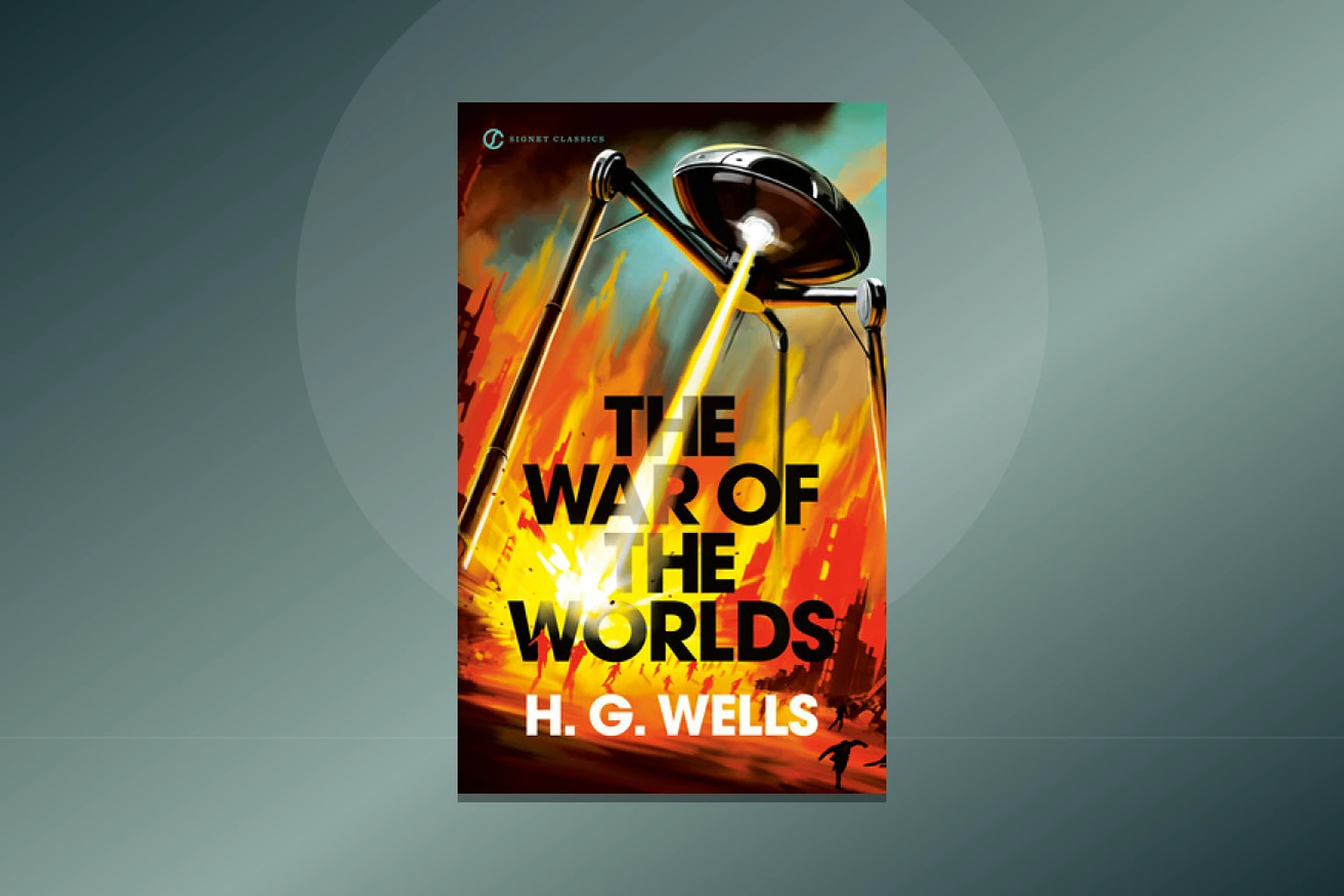
The War of the Worlds: When the Invaders Hold the Mirror

Wells reverses the viewpoint of a technologically dominant society, turning an alien invasion into a study of power and human vulnerability.

A compelling shift in perspective and an influential account of social disruption
Noteworthy pointA compelling shift in perspective and an influential account of social disruptionLimitations to noteIts observational distance and period science can feel remote
Tale24 Score92/100Best for: Readers interested in classic science fiction, invasion stories, and historical contextRead the review
Illustration for article The Martian: Survival as a Practice of Attention
Science Fiction & Ideas• 6 minutes of reading

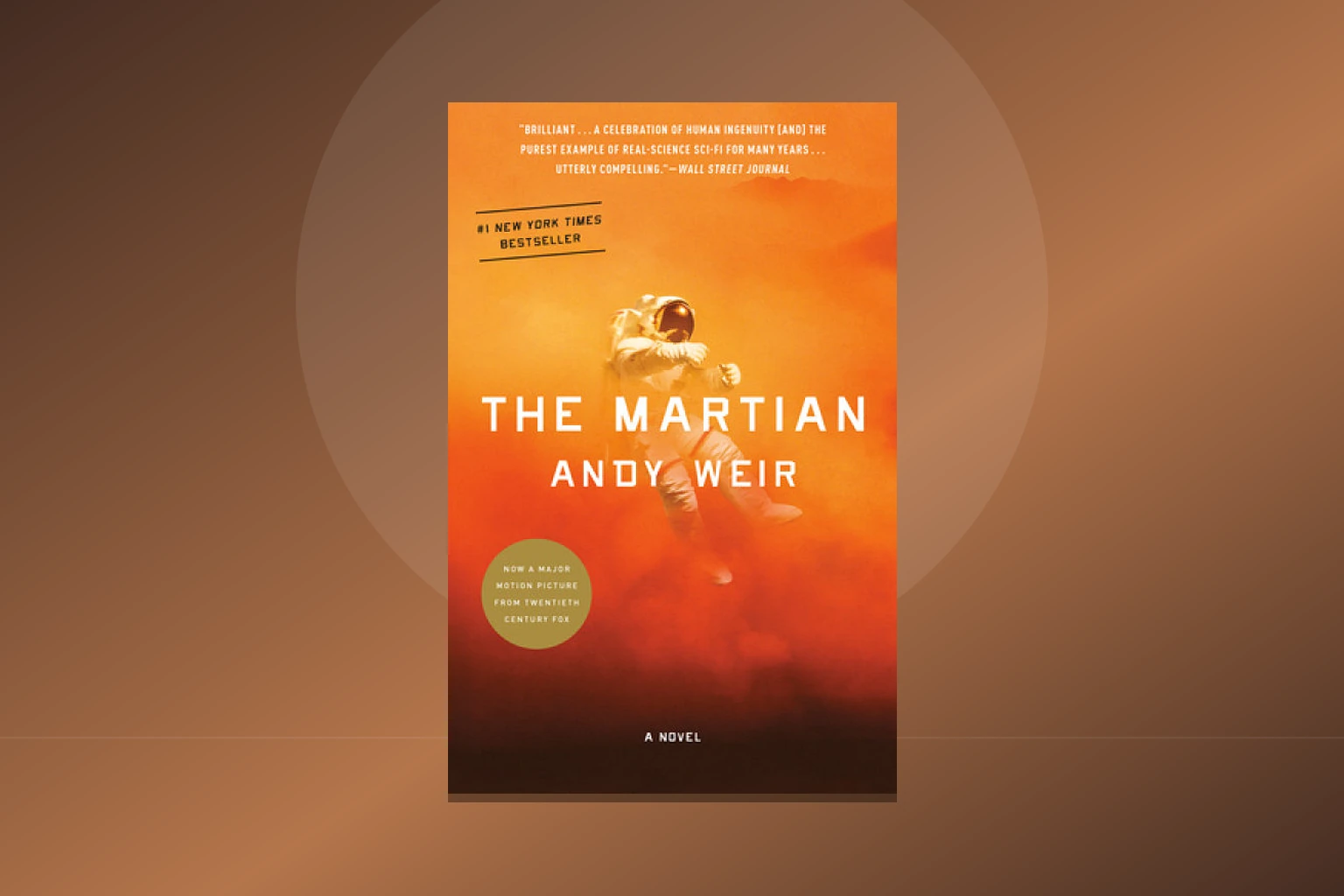
The Martian: Survival as a Practice of Attention

Watney’s technical ingenuity drives a gripping survival story, but the novel’s deeper appeal lies in the cooperative knowledge behind every workable solution.

Clear procedural suspense, lively voice, and a generous picture of shared expertise

Noteworthy pointClear procedural suspense, lively voice, and a generous picture of shared expertiseLimitations to noteThe steady jokes and tactical focus leave limited space for inward emotional study
Tale24 Score91/100Best for: Readers who enjoy space travel, applied science, and problem-solving fictionRead the review
Illustration for article Foundation: Can History Leave Room for Human Agency?
Science Fiction & Ideas• 6 minutes of reading

Foundation: Can History Leave Room for Human Agency?

Asimov turns centuries of political change into suspense, while his fictional science of prediction leaves difficult questions about who controls the future.

A distinctive crisis structure, large historical scale, and lively questions about institutions
Noteworthy pointA distinctive crisis structure, large historical scale, and lively questions about institutionsLimitations to noteCharacter psychology and sensory detail are secondary to the ideas
Tale24 Score93/100Best for: Readers who enjoy political thought experiments and science fiction about societiesRead the review
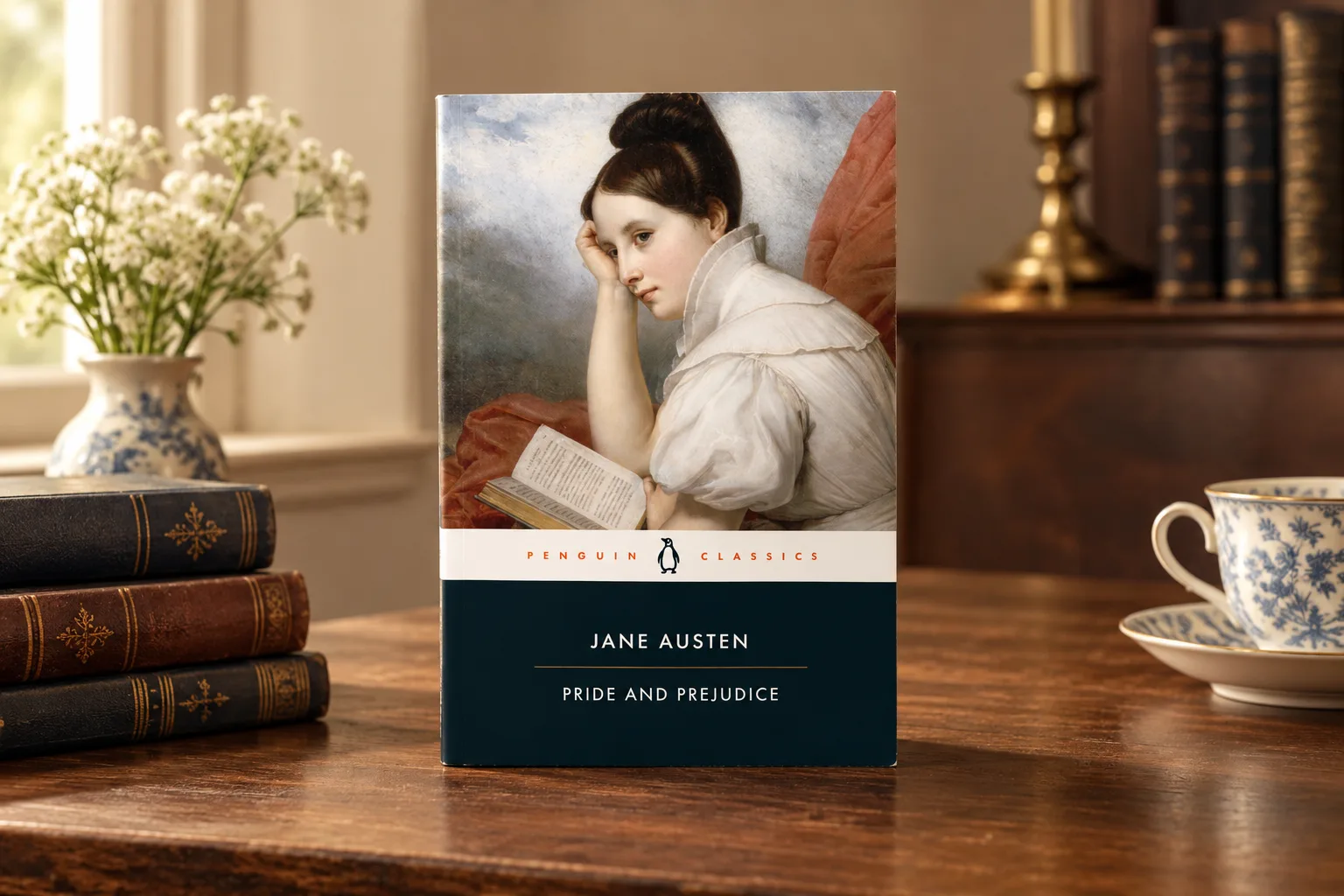
Illustration for article Pride and Prejudice: Love Under the Rules of Money and Manners
Classic Fiction• 6 minutes of reading

Pride and Prejudice: Love Under the Rules of Money and Manners

Elizabeth and Darcy’s romance lasts because Austen makes every first impression answer to family pressure, financial security, and the limits of judgment.

Witty dialogue, layered social satire, and a romance built on genuine change
Noteworthy pointWitty dialogue, layered social satire, and a romance built on genuine changeLimitations to noteThe social rules and leisurely opening require attention from modern first-time readers
Tale24 Score95/100Best for: Readers who enjoy intelligent romance, family comedy, and sharp social observationRead the review
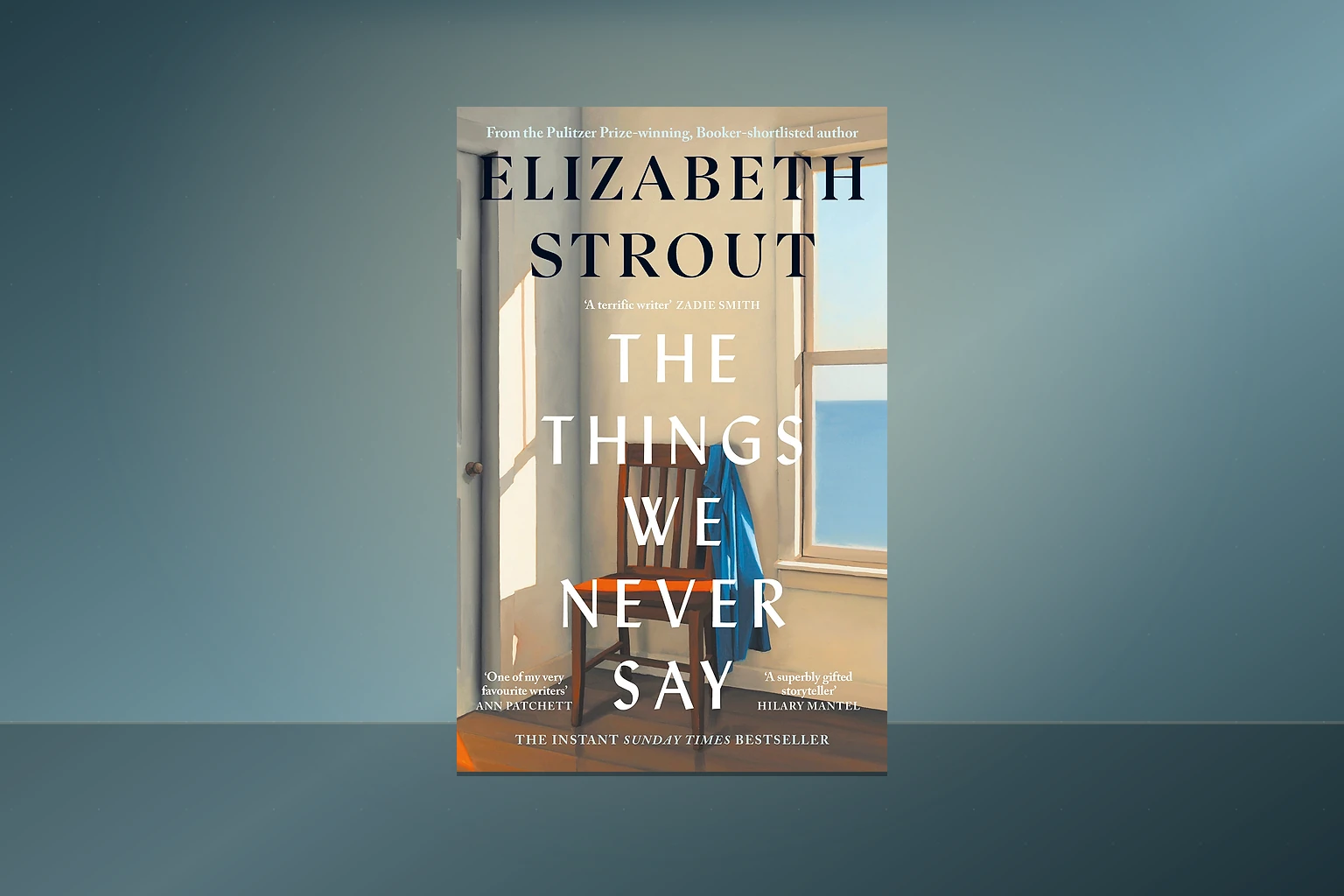
Illustration for article The Things We Never Say: The Strangeness of a Familiar Life
Literary Fiction• 6 minutes of reading

The Things We Never Say: The Strangeness of a Familiar Life

Artie Dam’s familiar routines conceal a loneliness that makes Elizabeth Strout’s novel a study of how little we know even those closest to us.

Precise attention to ordinary routines, loneliness, and the limits of knowing others
Noteworthy pointPrecise attention to ordinary routines, loneliness, and the limits of knowing othersLimitations to noteIts quiet pace may frustrate readers seeking frequent plot turns
Tale24 Score89/100Best for: Readers who value close observation and emotionally complex family storiesRead the review
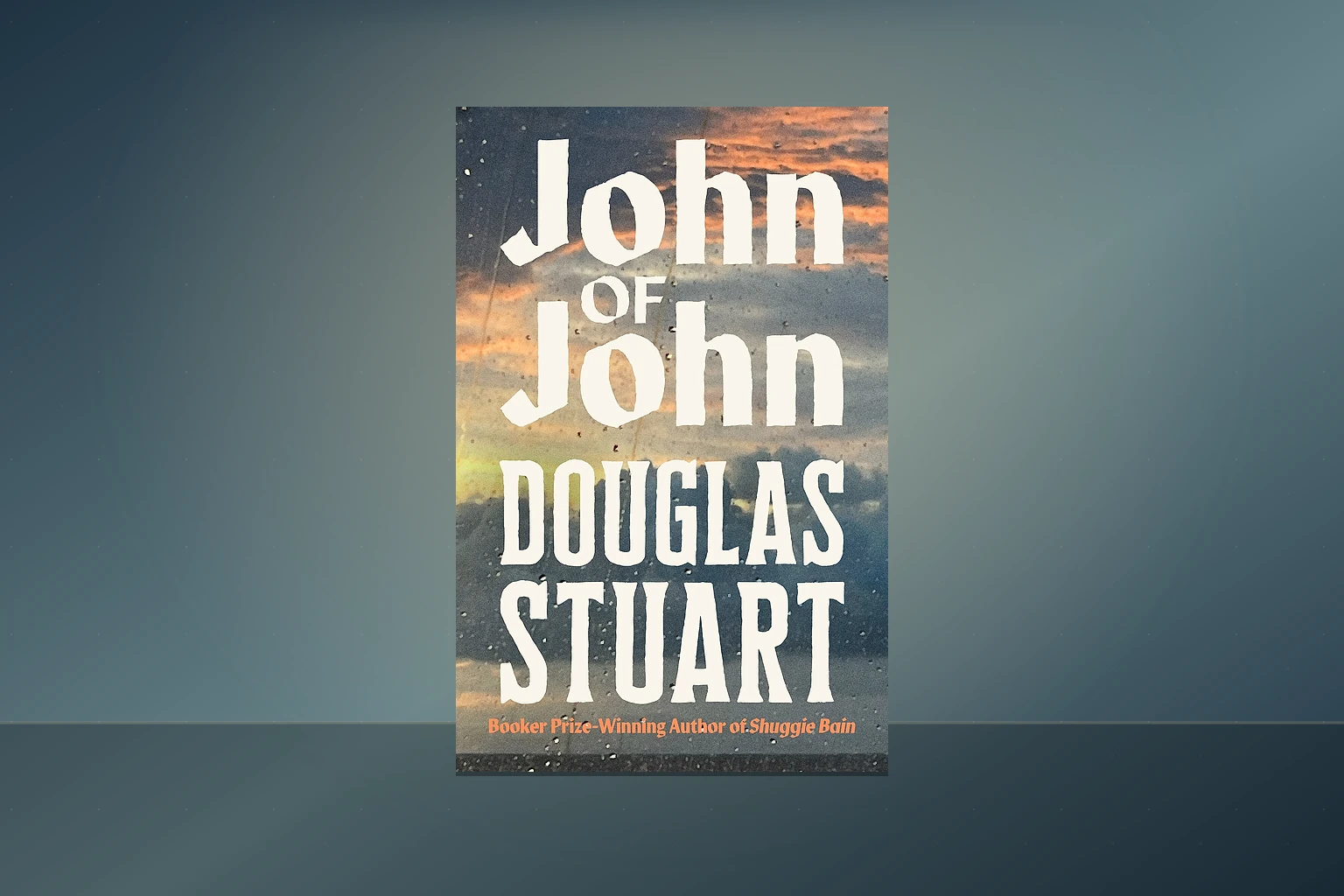
Illustration for article John of John: The Cost of Coming Home
Literary Fiction• 6 minutes of reading

John of John: The Cost of Coming Home

Douglas Stuart follows a young man back to the Isle of Harris, where home offers shelter while expecting him to remain who he was.

An intimate father-son conflict rooted in place, work, faith, and belonging
Noteworthy pointAn intimate father-son conflict rooted in place, work, faith, and belongingLimitations to noteIts deliberate family tensions may feel slow to plot-driven readers
Tale24 Score91/100Best for: Readers of literary family fiction and queer rural narrativesRead the review
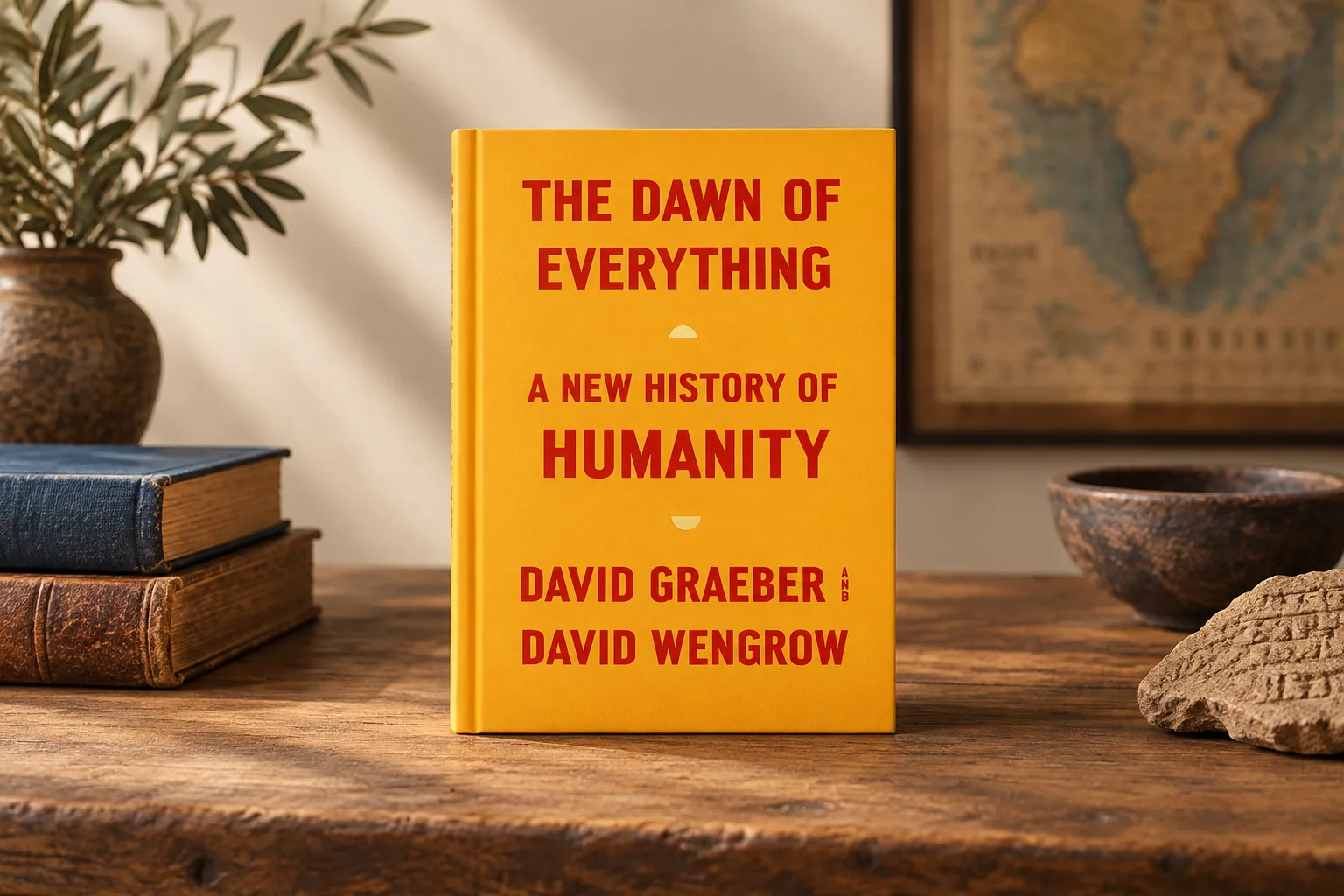
Illustration for article The Dawn of Everything and the Limits of Grand History
History & Society• 6 minutes of reading

The Dawn of Everything and the Limits of Grand History

Graeber and Wengrow challenge linear stories of agriculture, hierarchy, and the state. The book’s expansive synthesis makes past political experiments vivid, while leaving an important question: do diverse cases prove a new master narrative, or open history to more local explanations?

A wide-ranging synthesis that highlights human political agency; brings archaeological and anthropological findings into public conversation; prompts readers to question historical inevitability.
Noteworthy pointA wide-ranging synthesis that highlights human political agency; brings archaeological and anthropological findings into public conversation; prompts readers to question historical inevitability.Limitations to noteThe leap from diverse cases to a new global account is contested; its scope makes selection and connective logic difficult to assess; not a substitute for specialist regional studies.
Tale24 Score80/100Best for: Readers interested in anthropology, archaeology, Indigenous intellectual history, and political theory who enjoy ambitious, debated syntheses.Read the review
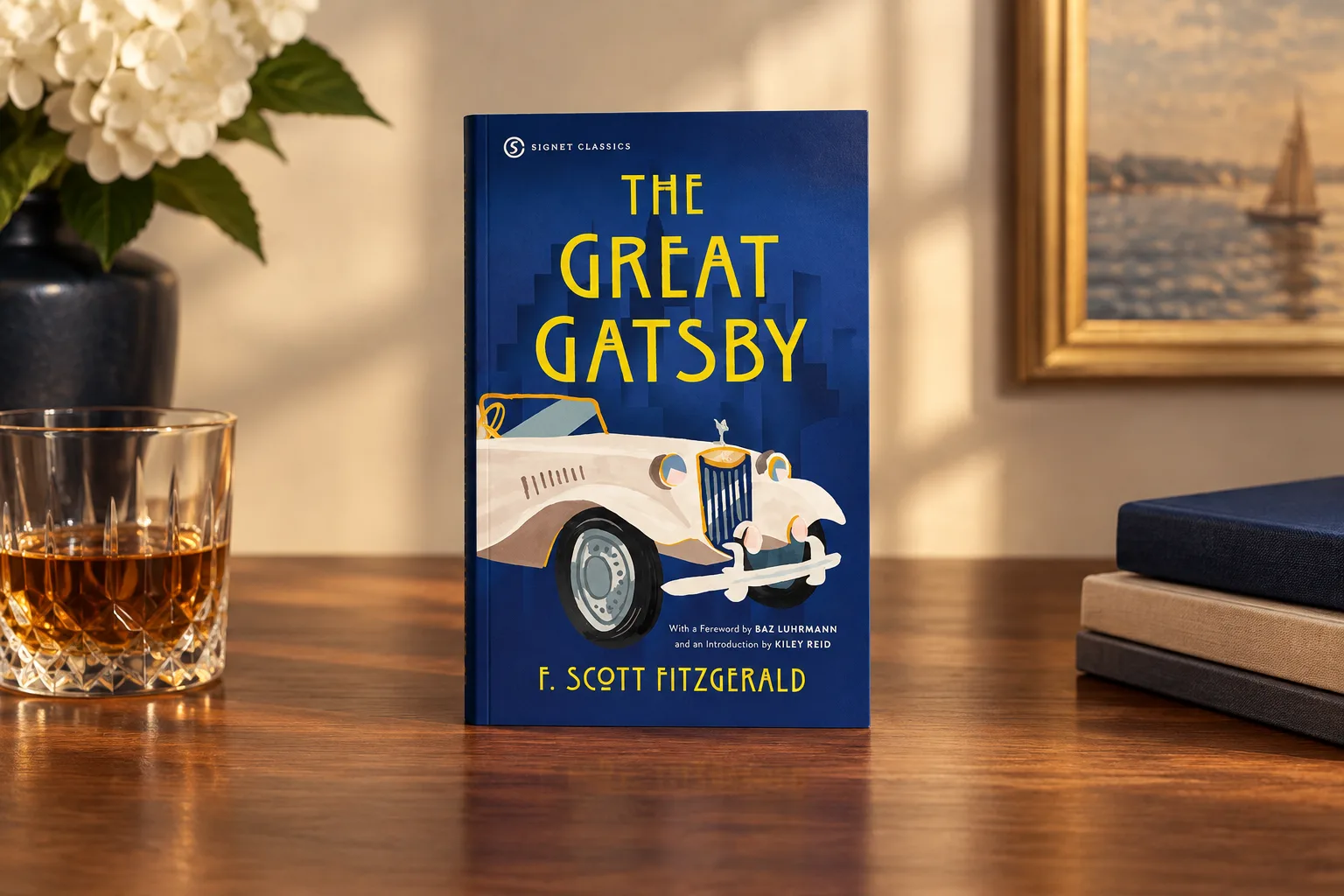
Illustration for article The Great Gatsby and the Price of Looking Back
American Literature• 6 minutes of reading

The Great Gatsby and the Price of Looking Back

F. Scott Fitzgerald’s 1925 novel turns a glittering Long Island summer into a study of how desire becomes spectacle—and how inherited privilege decides who gets to belong. Through Nick Carraway’s partial, retrospective account, The Great Gatsby makes the American Dream both moving and compromised.

Nick Carraway’s retrospective voice makes memory and moral judgment part of the novel’s design; recurring images give social distance a vivid form; its treatment of aspiration and inherited class remains open to debate.

Noteworthy pointNick Carraway’s retrospective voice makes memory and moral judgment part of the novel’s design; recurring images give social distance a vivid form; its treatment of aspiration and inherited class remains open to debate.Limitations to noteDaisy and other women receive limited interior space through Nick’s narration; working-class characters remain largely at the edges; Meyer Wolfsheim is rendered through anti-Semitic stereotypes that deserve direct acknowledgment.
Tale24 Score85/100Best for: Readers of literary classics, modernist narration, American social fiction, and stories about ambition, memory, and class.Read the review
Illustration for article The God of the Woods and the Class Line at Camp Emerson
Literary Fiction• 7 minutes of reading

The God of the Woods and the Class Line at Camp Emerson

The disappearance of two Van Laar children turns a family mystery into a study of wealth, labor, and unequal accountability. Camp Emerson’s in-between position gives Liz Moore’s suspense novel its clearest social argument.

Camp Emerson makes class and labor tensions part of the suspense architecture.
Noteworthy pointCamp Emerson makes class and labor tensions part of the suspense architecture.Limitations to noteThe shifting timelines and wide cast can diffuse the urgency of a single mystery.
Tale24 Score91/100Best for: Readers who enjoy layered literary suspense, family dramas, and stories attentive to class and community.Read the review

TALE24 EDITORIAL PROCESS

Human judgment behind every review

Each article moves through research, editing and publication checks. The responsible editor remains accountable for the final work.

01

Research

Establish the source and question

Check the book details, material facts and the review's critical angle.

02

Editing

Test the argument

Distinguish evidence from opinion and make the strengths and limits clear.

03

Publication

Check the reader experience

Verify images, metadata, links and the article's final presentation.

TALE24 METHODOLOGY

Three Pillars of Content

Critical standards help readers select worthwhile ideas in an age of information overload.

01

Refining the Essence

The summary is concise but does not impoverish the value of the original work. The context and core ideas are always preserved.

Save time, double the depth
02

Multidimensional Criticism

Evaluate the pros and cons with a fair attitude, not commercial flattery.

Never compromise with superficiality
03

Consistent Scoring

A 100-point scale with clear criteria helps readers choose the right book for their goals.

A transparent editorial framework
EDITORIAL MANIFESTO • TALE24 MANIFESTCIRCULATE WITH READERS
“We believe that in an era of quick quotes, the patience to fully understand an idea is the rarest but most valuable quality.”

Tale24 is not born to encourage you to read more in quantity. Our mission is to be a quiet critical companion: distilling valuable ideas, deciphering the layers of meaning behind words, and courageously questioning the obvious.

APPROVED BYTale24 Editorial Board Quality independent appraisal
Committed to real content & advertising transparency

Tale24 separates editorial content from advertising. Automated advertising does not change the critical conclusions.

Learn about the disclosure policy