

Read with greater care
Understand every story more deeply

100%

Editorial independence

No sponsorship is accepted to alter the conclusions or scores of reviews.

No disguised advertising
2

Review stages

Every draft is checked for clarity, sourcing, and the limits of its claims before publication.

AI-assisted, human-accountable
100

Point review scale

Our transparent score reflects depth, argument quality, originality, and practical value.

A consistent evaluation framework

EDITOR’S PICKS

In-depth reviews and essays

Carefully read, researched, and challenged by the Tale24 editorial team.
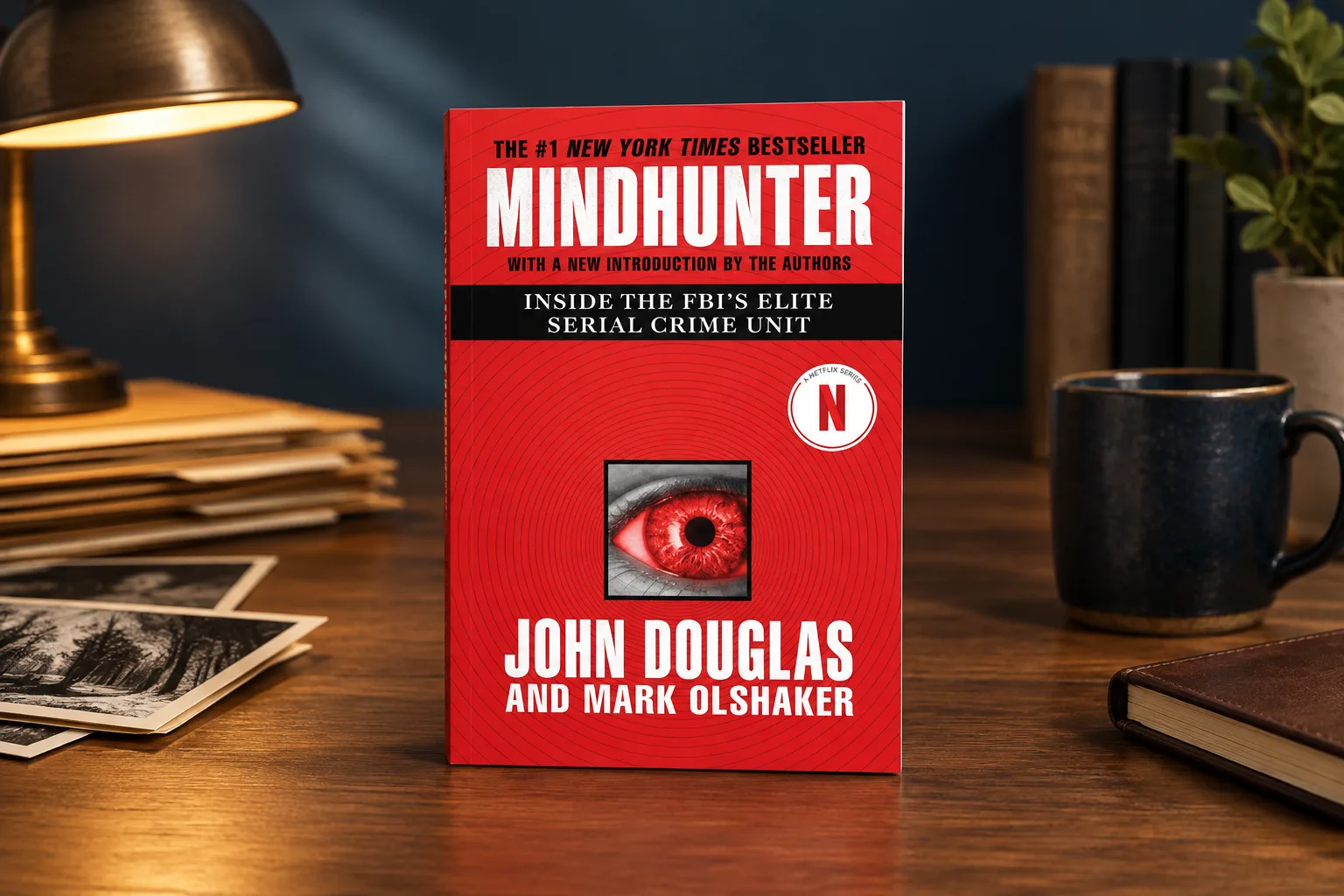
Illustration for article Mindhunter and the Limits of Reading a Killer
Criminal Psychology• 6 minutes of reading

Mindhunter and the Limits of Reading a Killer

John E. Douglas and Mark Olshaker make behavioral profiling compelling by showing it as investigative work. The book is strongest when its insights are treated as testable leads, not proof.

Vivid account of investigative reasoning; clear sense of how interviews and behavioral clues can guide questions.
Noteworthy pointVivid account of investigative reasoning; clear sense of how interviews and behavioral clues can guide questions.Limitations to noteRetrospective case selection cannot establish the overall accuracy of profiling; the investigator-centered view gives victims less space.
Tale24 Score82/100Best for: Readers of true crime and investigative history who want to examine both the appeal and limits of behavioral profiling.Read the review
Illustration for article The Body Keeps the Score: Listening to Trauma, Testing the Claims
Psychology & Skills• 6 minutes of reading

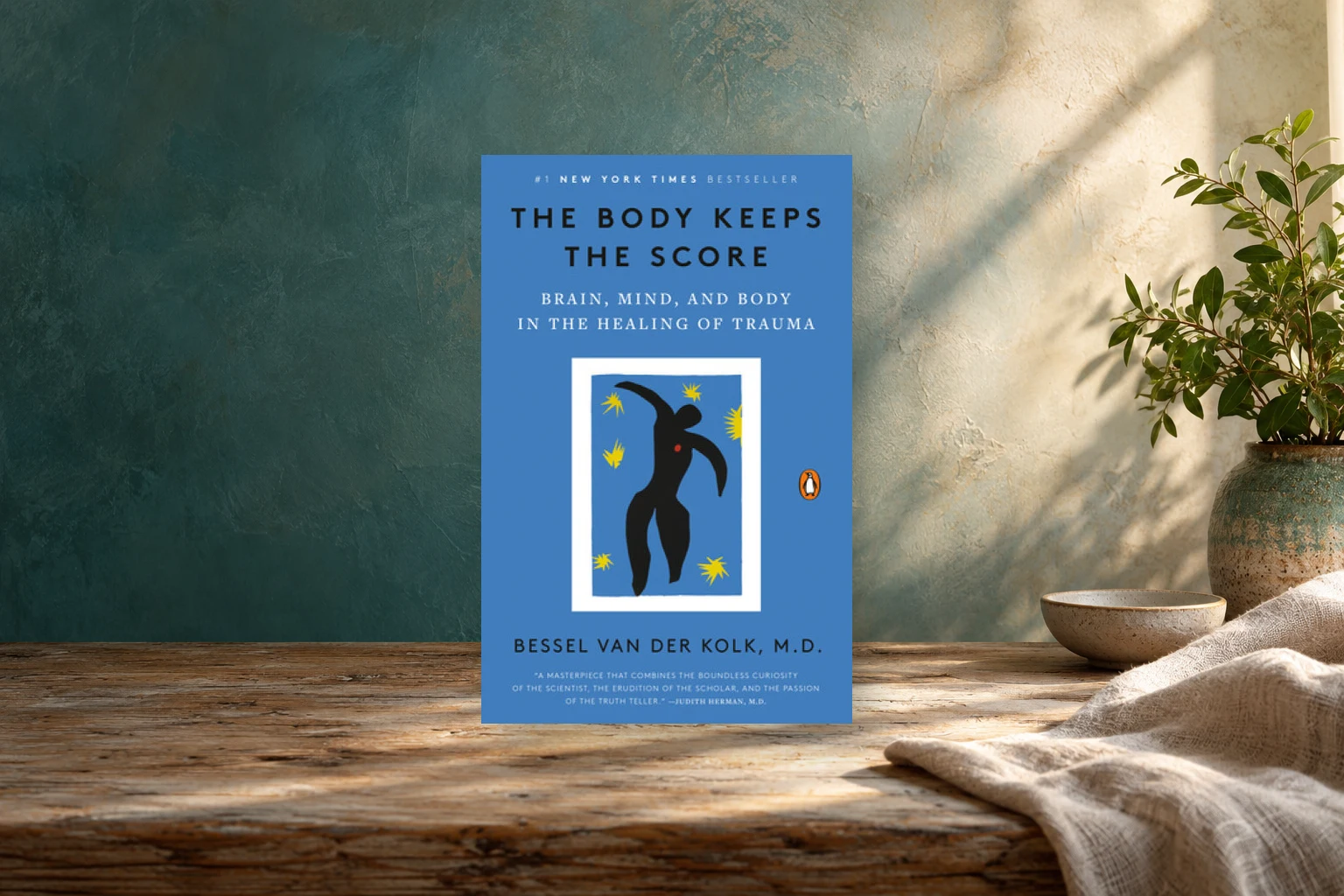
The Body Keeps the Score: Listening to Trauma, Testing the Claims

Bessel van der Kolk asks readers to take the bodily and relational effects of trauma seriously. The book’s humane reach remains powerful, though some sweeping claims about the brain and treatment need closer scrutiny.

Vivid clinical storytelling broadens public attention to trauma, bodily experience, and relationships.
Noteworthy pointVivid clinical storytelling broadens public attention to trauma, bodily experience, and relationships.Limitations to noteSome neurobiological explanations and treatment claims are presented with more confidence than the evidence supports.
Tale24 Score84/100Best for: General readers interested in trauma history and clinical ideas who will read treatment claims critically.Read the review
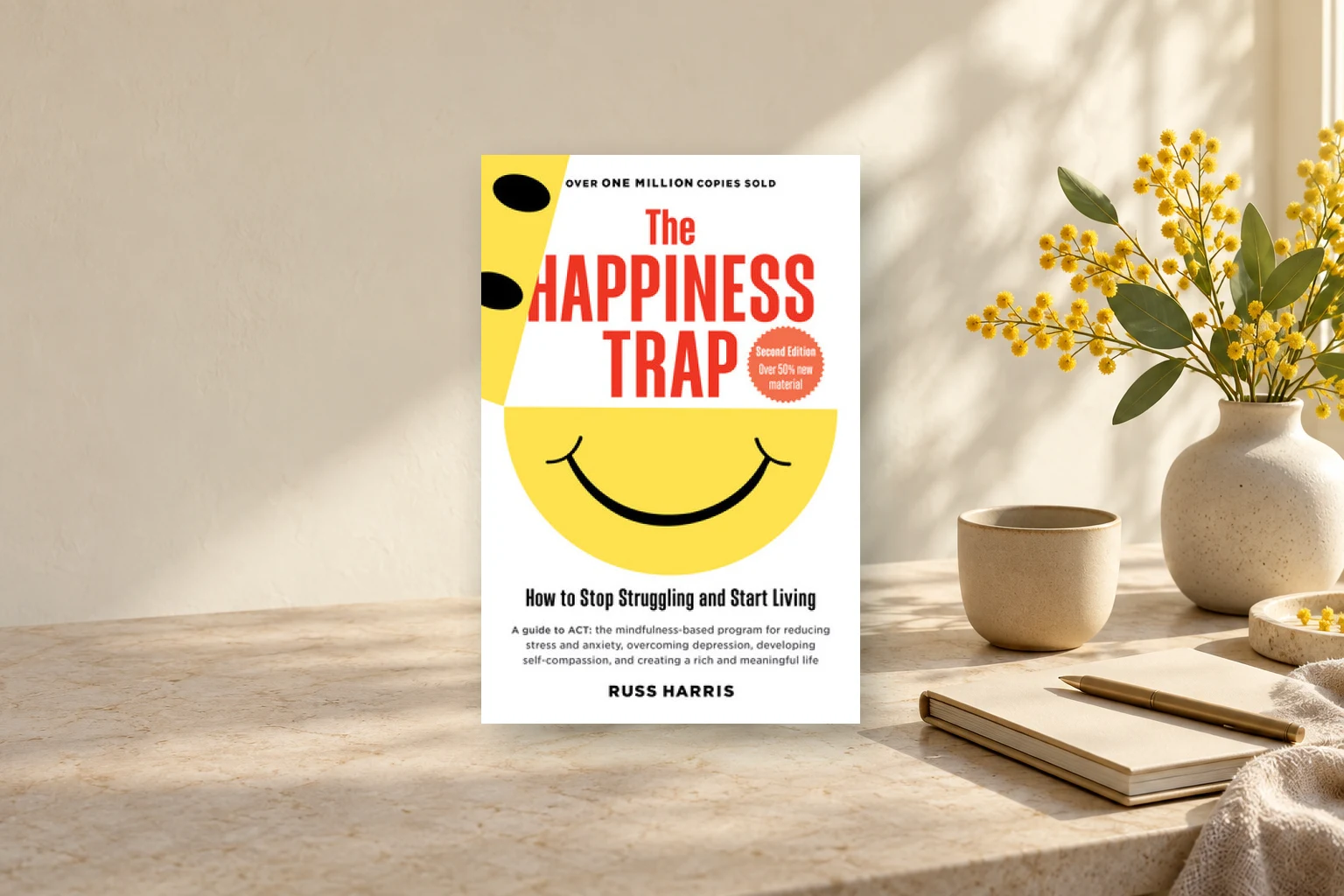
Illustration for article The Happiness Trap: A Life Larger Than Feeling Good
Psychology & Skills• 6 minutes of reading

The Happiness Trap: A Life Larger Than Feeling Good

Russ Harris turns the pursuit of happiness into a question about how we respond to difficult feelings. His ACT exercises offer a useful vocabulary for living by values, with limits that self-help readers should keep in view.

Clear, repeatable exercises make psychological flexibility feel practical rather than abstract.
Noteworthy pointClear, repeatable exercises make psychological flexibility feel practical rather than abstract.Limitations to noteIts brisk self-help format can make sustained practice and individual differences seem simpler than they are.
Tale24 Score86/100Best for: Readers seeking an accessible introduction to ACT and a values-based approach to everyday distress.Read the review
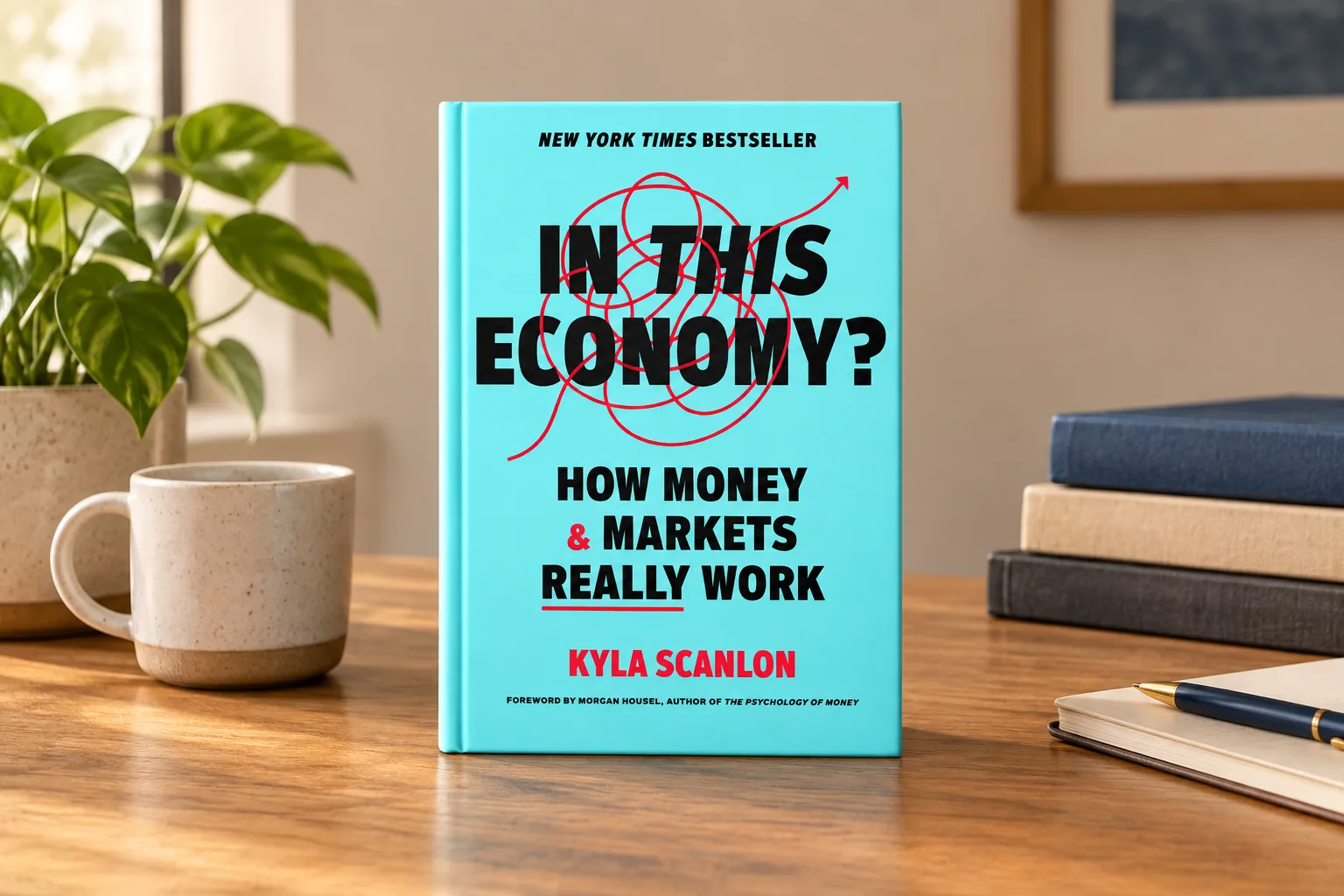
Illustration for article In This Economy?: Making Sense of the Numbers
Economics• 6 minutes of reading

In This Economy?: Making Sense of the Numbers

Kyla Scanlon connects economic indicators to the pressures people feel in daily life. Her accessible explanations are valuable when the headlines and household experience seem to disagree.

Accessible explanations connect macroeconomic ideas with concrete household concerns.

Noteworthy pointAccessible explanations connect macroeconomic ideas with concrete household concerns.Limitations to noteReaders seeking technical models or a politically neutral textbook may want a companion source.
Tale24 Score87/100Best for: General readers who want to understand economic headlines and the limits of common indicators.Read the review
Illustration for article Empire of AI: Who Pays for the Boom?
Economics• 6 minutes of reading

Empire of AI: Who Pays for the Boom?

Karen Hao follows the people and resources behind the AI race, from corporate leadership to data labor and water use. Her reporting asks who gets the gains and who bears the costs.

Connects corporate decisions to the workers, infrastructure and resources behind AI services.

Noteworthy pointConnects corporate decisions to the workers, infrastructure and resources behind AI services.Limitations to noteIts close focus on OpenAI leaves less room to compare other AI business models.
Tale24 Score90/100Best for: Readers interested in technology, political economy, labor and the public costs of innovation.Read the review
Illustration for article Pride and Prejudice: Love Under the Rules of Money and Manners
Classic Fiction• 6 minutes of reading

Pride and Prejudice: Love Under the Rules of Money and Manners

Elizabeth and Darcy’s romance lasts because Austen makes every first impression answer to family pressure, financial security, and the limits of judgment.

Witty dialogue, layered social satire, and a romance built on genuine change
Noteworthy pointWitty dialogue, layered social satire, and a romance built on genuine changeLimitations to noteThe social rules and leisurely opening require attention from modern first-time readers
Tale24 Score95/100Best for: Readers who enjoy intelligent romance, family comedy, and sharp social observationRead the review
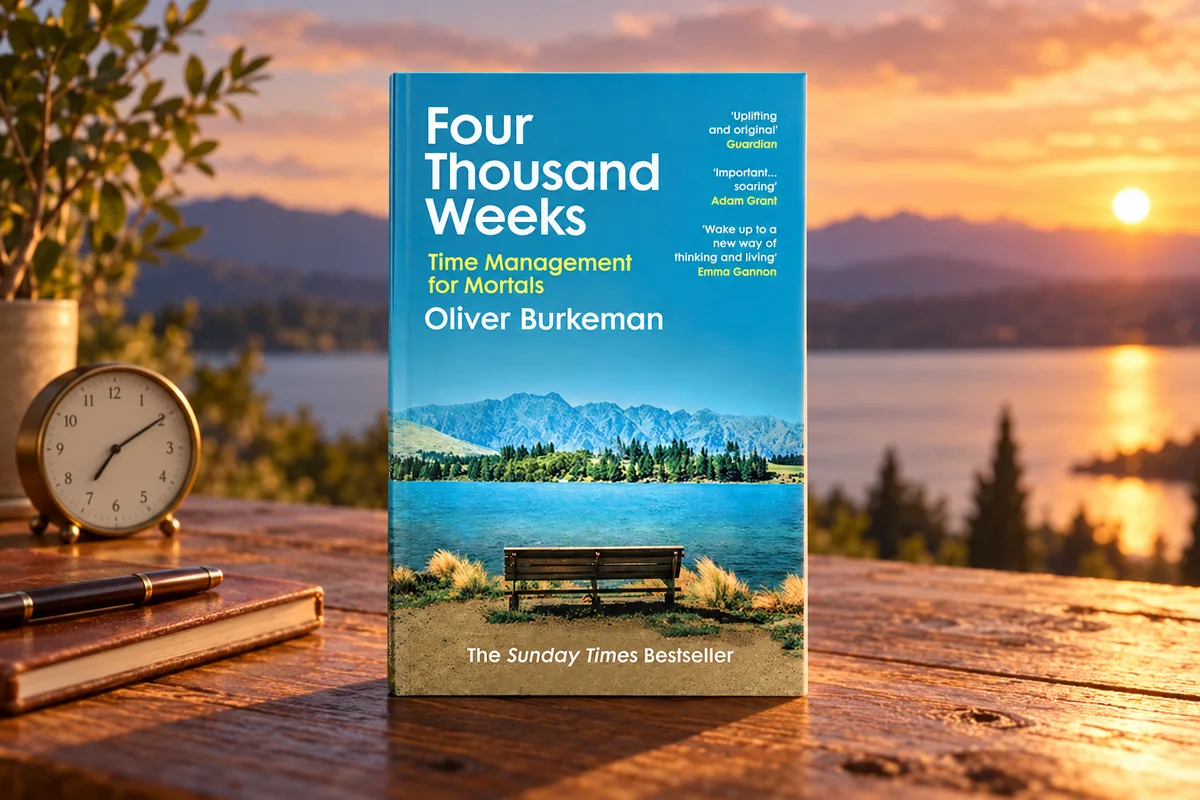
Illustration for article Four Thousand Weeks: Time Management Begins by Admitting There Is Never Enough Time
Psychology & Life Skills• 6 minutes of reading

Four Thousand Weeks: Time Management Begins by Admitting There Is Never Enough Time

Oliver Burkeman offers an anti-productivity manual: a human life lasts roughly four thousand weeks, so freedom comes not from doing everything but from accepting what must be missed in order to choose what matters.

A persuasive critique of productivity obsession; witty and undogmatic; offers useful concepts without promising a miracle system.
Noteworthy pointA persuasive critique of productivity obsession; witty and undogmatic; offers useful concepts without promising a miracle system.Limitations to noteSome conclusions are familiar, and parts of the advice assume readers have a degree of control over their work and schedules.
Tale24 Score93/100Best for: Overwhelmed readers, productivity enthusiasts, knowledge workers, and anyone reconsidering the priorities that shape a lifeRead the review
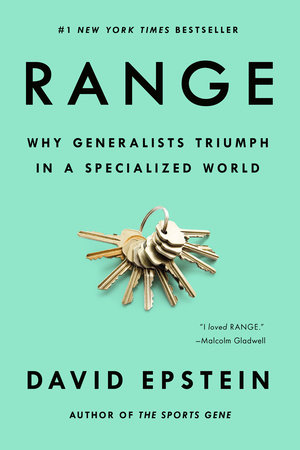
Official cover for Range: Why Generalists Triumph in a Specialized World — David Epstein
Skills & Career Development• 6 minutes of reading

Range: Why Generalists Matter in a World of Specialists

David Epstein argues that varied experiences can help people transfer ideas across fields, especially when familiar patterns offer little guidance.

Many memorable examples, useful learning environment framework and help to review the value of non-linear career paths
Noteworthy pointMany memorable examples, useful learning environment framework and help to review the value of non-linear career pathsLimitations to noteSome striking illustrations may make the argument broader than the evidence allows
Tale24 Score90/100Best for: Students, career changers, managers and learning program designersRead the review
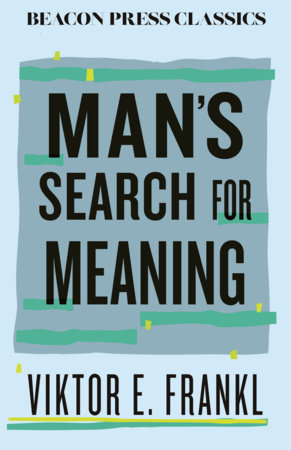
Official cover for Man’s Search for Meaning — Viktor E. Frankl
Psychology & Memoirs• 6 minutes of reading

Man’s Search for Meaning: finding meaning without romanticizing suffering

A careful reading of Viktor Frankl's testimony, logotherapy, and the limits of inspirational messages.

Testimony to abstinence, humanistic thinking and profound questions about personal responsibility
Noteworthy pointTestimony to abstinence, humanistic thinking and profound questions about personal responsibilityLimitations to noteIt's easy to be quoted and reduced to a toxic positive message if taken out of historical context
Tale24 Score96/100Best for: People interested in memoirs, psychotherapy and questions about life's purposeRead the review
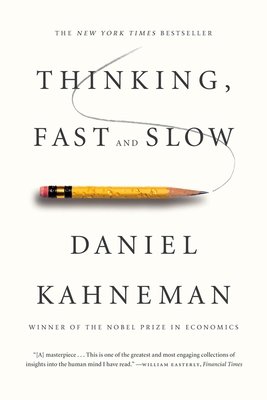
Official cover for Thinking, Fast and Slow — Daniel Kahneman
Cognitive psychology• 6 minutes of reading

Thinking, Fast and Slow: Two Systems and Their Blind Spots

An investigation of intuition, slow reasoning, and how cognitive biases influence judgment in everyday life.

Create a powerful vocabulary to observe intuition, bias, and decision quality
Noteworthy pointCreate a powerful vocabulary to observe intuition, bias, and decision qualityLimitations to noteLarge capacity, many studies to be read along with newer scientific updates
Tale24 Score94/100Best for: People interested in psychology, management, investing and data-based decision makingRead the review

TALE24 EDITORIAL PROCESS

Human judgment behind every review

Each article moves through research, editing and publication checks. The responsible editor remains accountable for the final work.

01

Research

Establish the source and question

Check the book details, material facts and the review's critical angle.

02

Editing

Test the argument

Distinguish evidence from opinion and make the strengths and limits clear.

03

Publication

Check the reader experience

Verify images, metadata, links and the article's final presentation.

TALE24 METHODOLOGY

Three Pillars of Content

Critical standards help readers select worthwhile ideas in an age of information overload.

01

Refining the Essence

The summary is concise but does not impoverish the value of the original work. The context and core ideas are always preserved.

Save time, double the depth
02

Multidimensional Criticism

Evaluate the pros and cons with a fair attitude, not commercial flattery.

Never compromise with superficiality
03

Consistent Scoring

A 100-point scale with clear criteria helps readers choose the right book for their goals.

A transparent editorial framework
EDITORIAL MANIFESTO • TALE24 MANIFESTCIRCULATE WITH READERS
“We believe that in an era of quick quotes, the patience to fully understand an idea is the rarest but most valuable quality.”

Tale24 is not born to encourage you to read more in quantity. Our mission is to be a quiet critical companion: distilling valuable ideas, deciphering the layers of meaning behind words, and courageously questioning the obvious.

APPROVED BYTale24 Editorial Board Quality independent appraisal
Committed to real content & advertising transparency

Tale24 separates editorial content from advertising. Automated advertising does not change the critical conclusions.

Learn about the disclosure policy