
Editorial independence
No sponsorship is accepted to alter the conclusions or scores of reviews.
No disguised advertisingRead with greater care
Understand every story more deeply
No sponsorship is accepted to alter the conclusions or scores of reviews.
No disguised advertisingEvery draft is checked for clarity, sourcing, and the limits of its claims before publication.
AI-assisted, human-accountableOur transparent score reflects depth, argument quality, originality, and practical value.
A consistent evaluation frameworkEDITOR’S PICKS
Carefully read, researched, and challenged by the Tale24 editorial team.
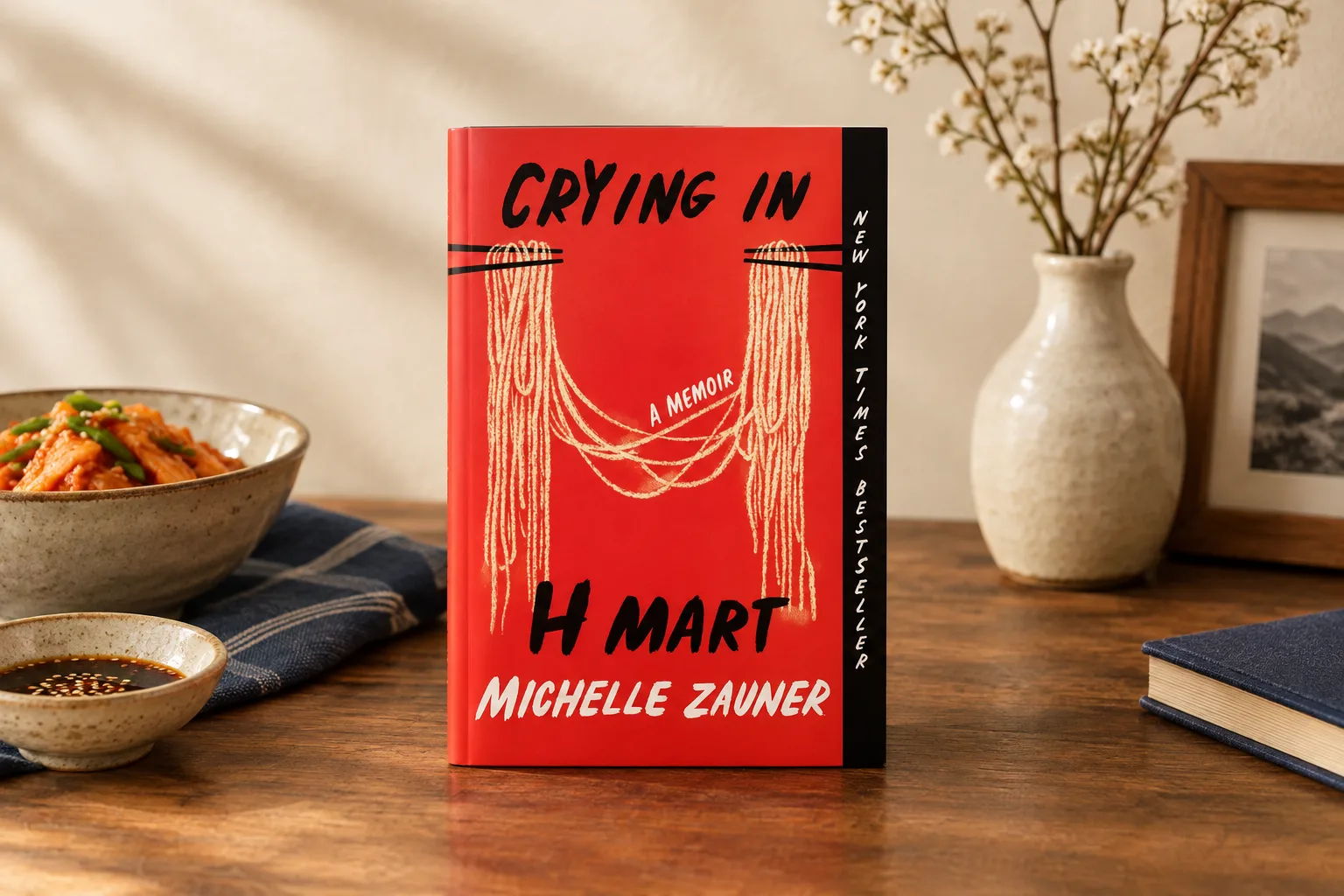
Michelle Zauner’s memoir follows grief through Korean food and family memory, asking how inherited rituals can preserve a complicated mother-daughter bond without simplifying loss.
Sensory precision and an unsentimental account of love, conflict, and cultural inheritance
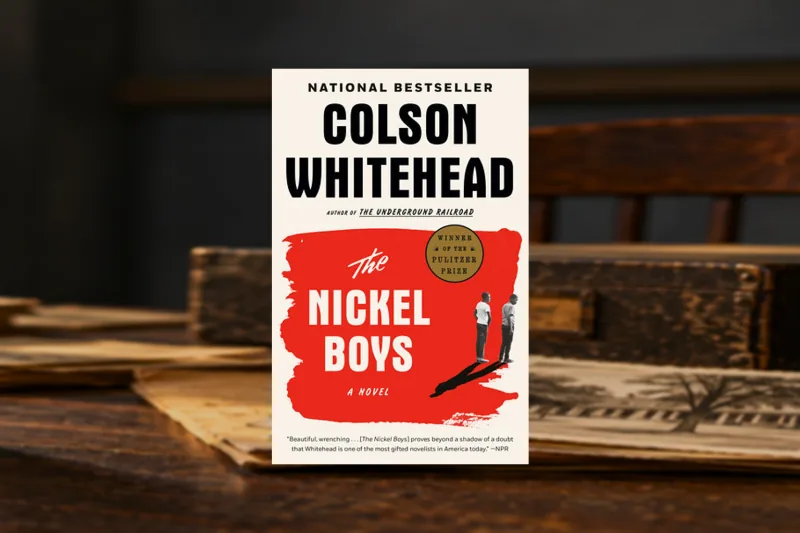
Colson Whitehead sets Elwood's moral idealism beside Turner's hard skepticism to show how institutional violence shapes the choices available to children.
Moral complexity, controlled structure, and a clear view of institutional cruelty
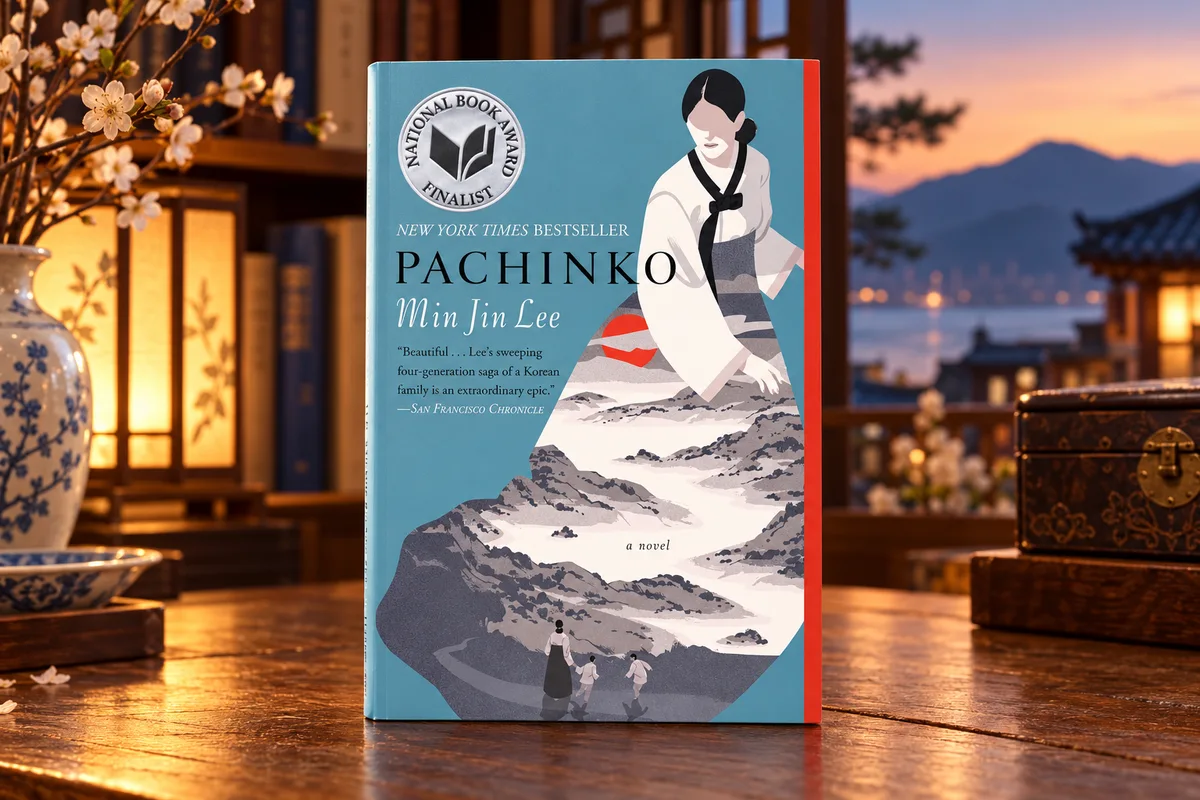
This review of Min Jin Lee's Pachinko examines how four generations of a Korean family in Japan face colonialism, migration, labor, and exclusion. Its sweeping history is most persuasive in the ordinary choices that make survival possible.
Epic in scope yet firmly rooted in everyday life; layered characters; history, labor, and identity are woven together naturally.
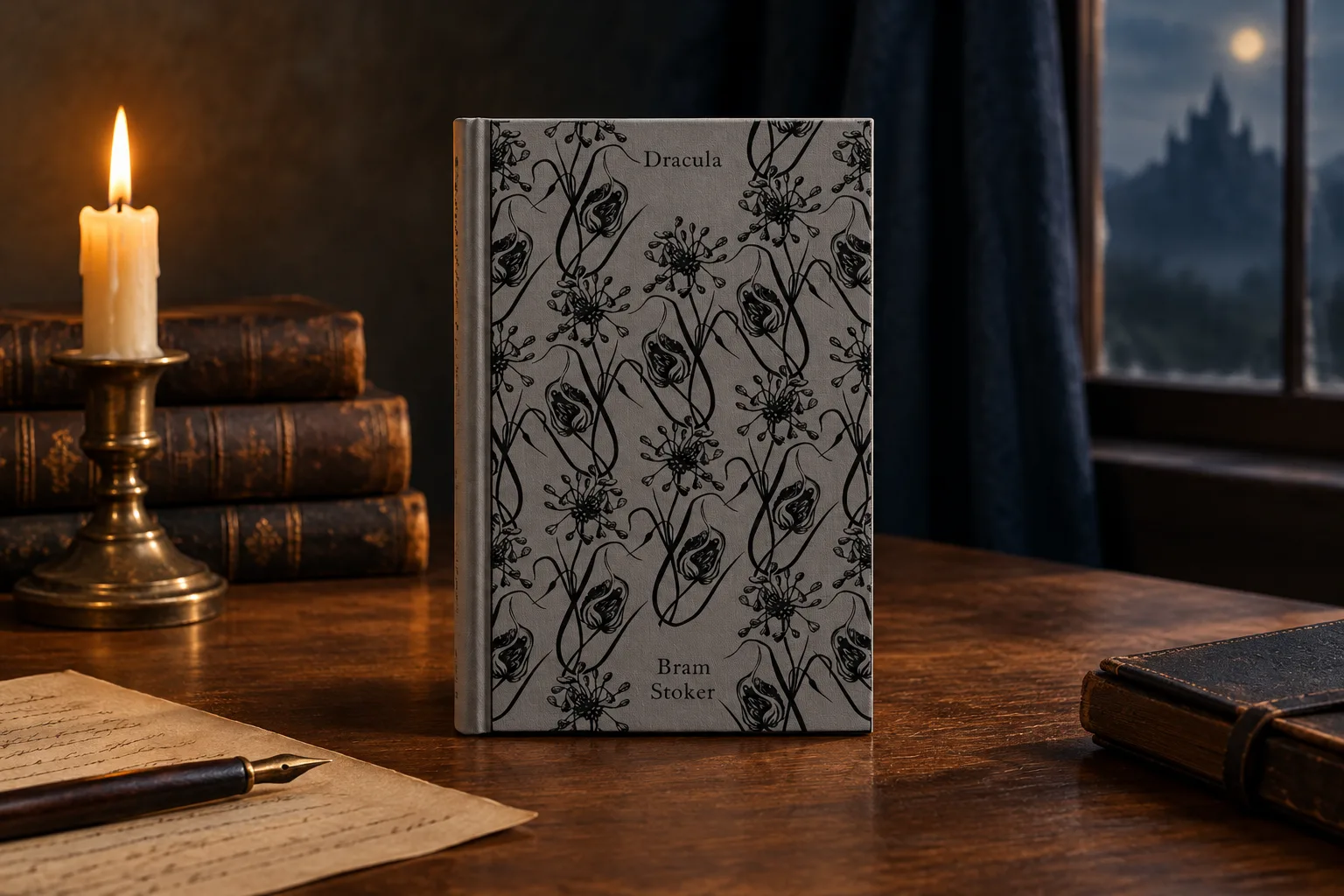
Bram Stoker’s Dracula is more than the source of a familiar monster. Told through journals, letters, reports, and recordings, it turns horror into an investigation shared by imperfect witnesses. Its inventive form and attention to gender reward careful reading, even as its Victorian fear of foreignness calls for scrutiny.
An inventive documentary structure; suspense built through collective investigation; vivid Gothic atmosphere; a revealing treatment of gender, authority, and evidence.
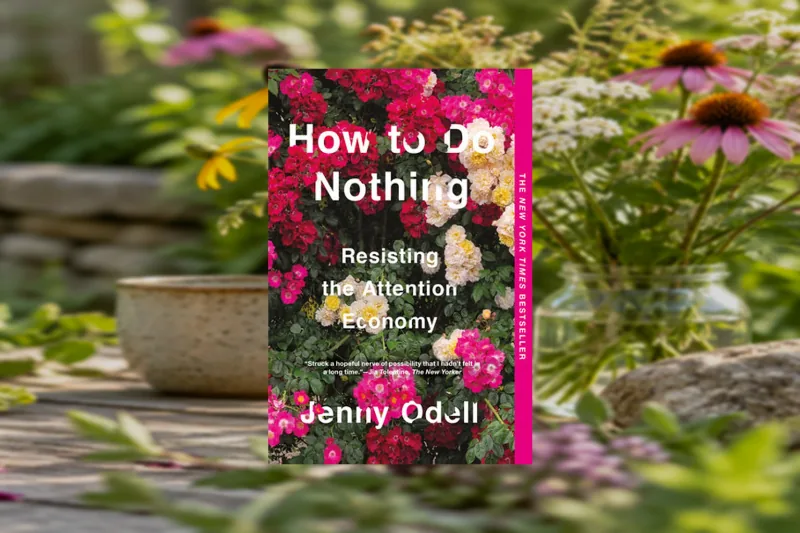
In this review of Jenny Odell's How to Do Nothing, Tale24 argues that its strongest idea is not digital detox but learning to defend attention as a social and ecological practice. The essay also weighs what the book offers readers who need practical advice.
Original connections among art, ecology, place, and digital life
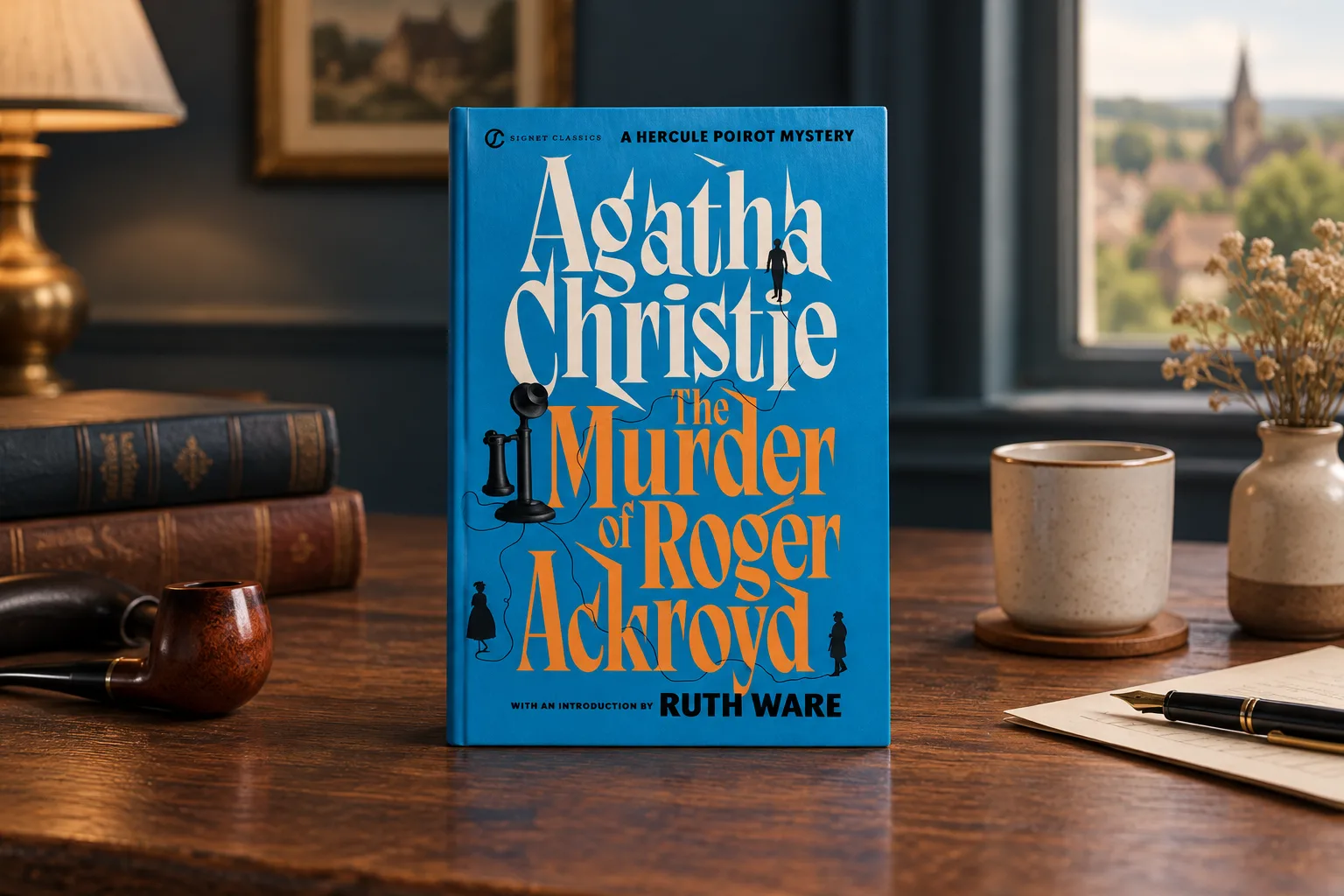
Agatha Christie’s 1926 Poirot novel is remembered for a startling solution, but its lasting craft lies in how it steers the reader toward one account of the evidence. Its village mystery becomes a test of trust: who is allowed to narrate an investigation, and what do readers mistake for neutrality?
The narrator’s position makes reader trust and point of view part of the puzzle; the village setting and clues reward attentive, reflective reading.
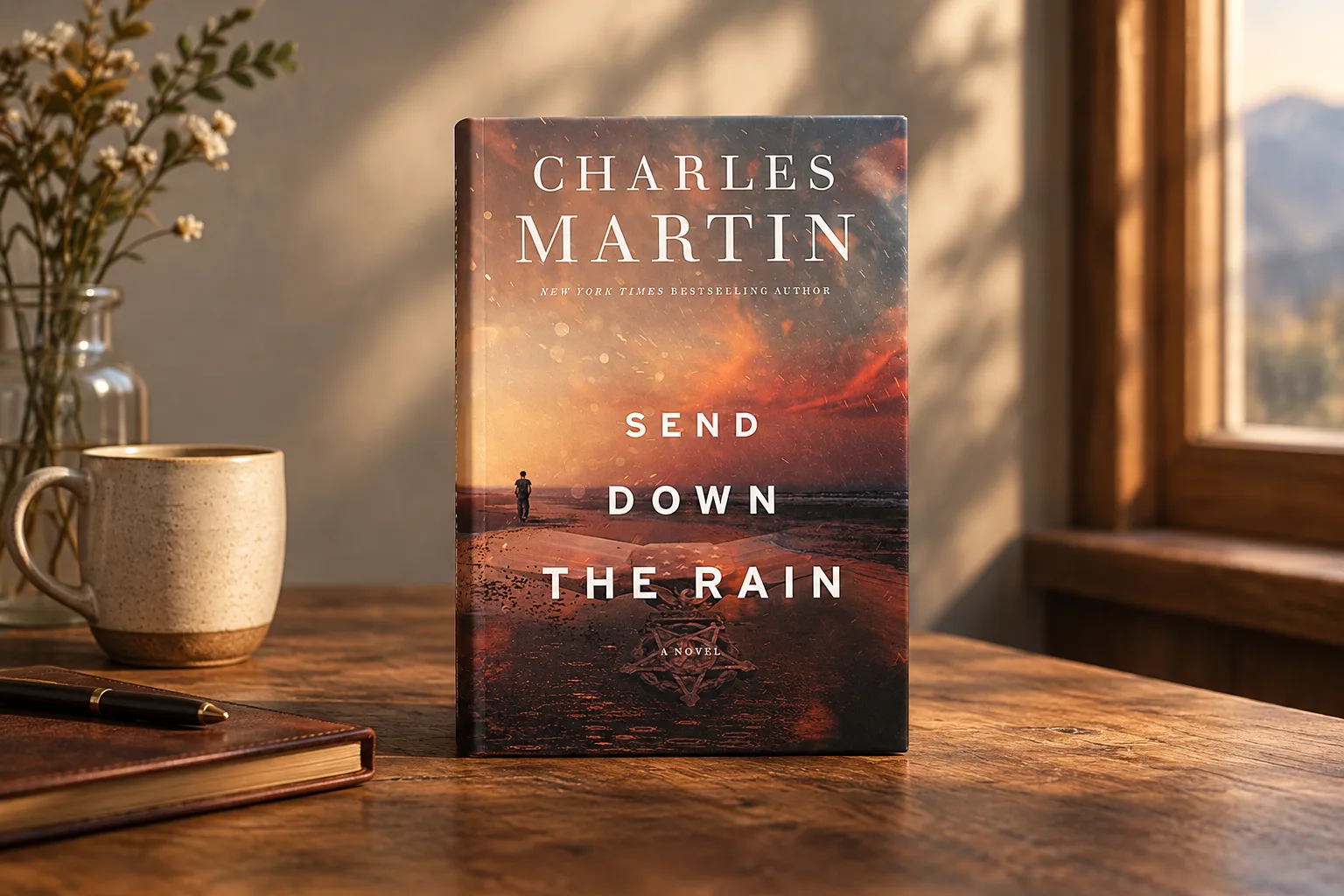
Charles Martin turns a second-chance romance into a question about what it costs to care for someone without denying the past.
A concrete, emotionally direct exploration of care, forgiveness, and the work of rebuilding a life together
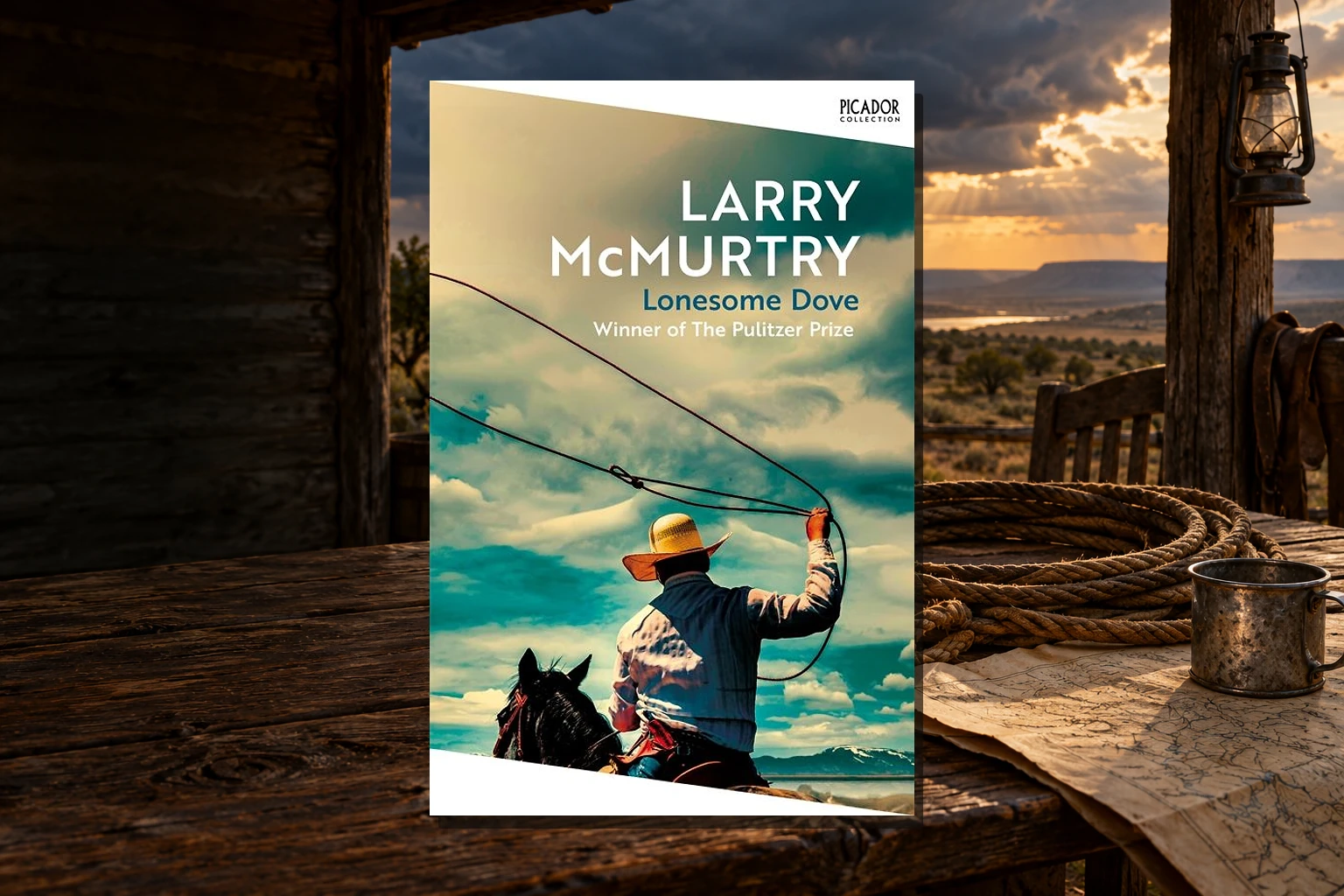
Larry McMurtry turns a cattle drive into an inquiry about loyalty, masculine duty, and the lives left outside the Western legend. The novel's scale is thrilling, but its deepest force lies in the distance between an imagined frontier and the people who must inhabit it.
Expansive characterization, earthy comic detail, and a searching account of loyalty beneath the Western adventure.
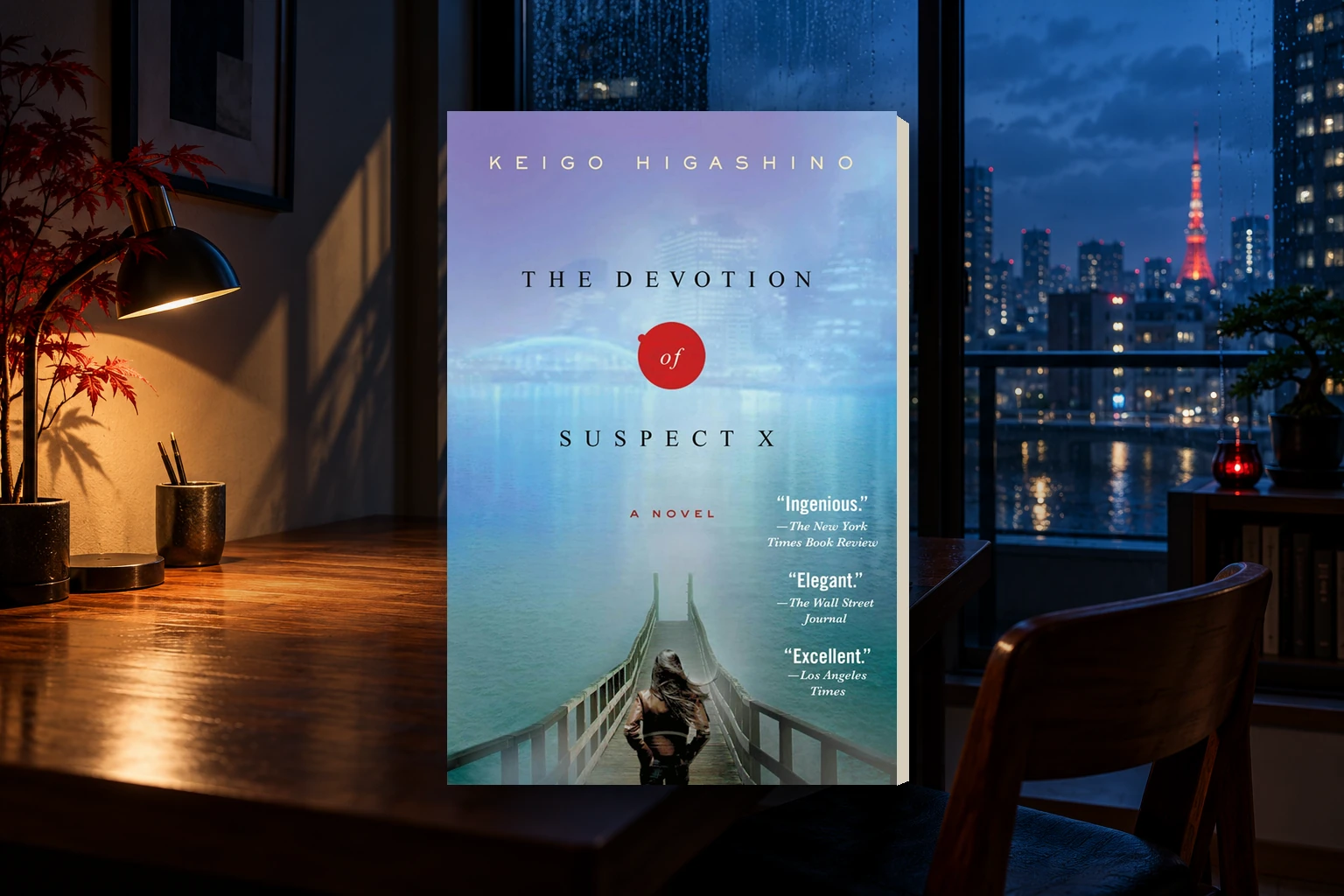
Keigo Higashino turns a cover-up into a contest of reasoning and care. The central tension lies in what a flawless plan can conceal about the person willing to make it.
The conflict between a mathematical cover-up and human obligation gives the puzzle emotional force.
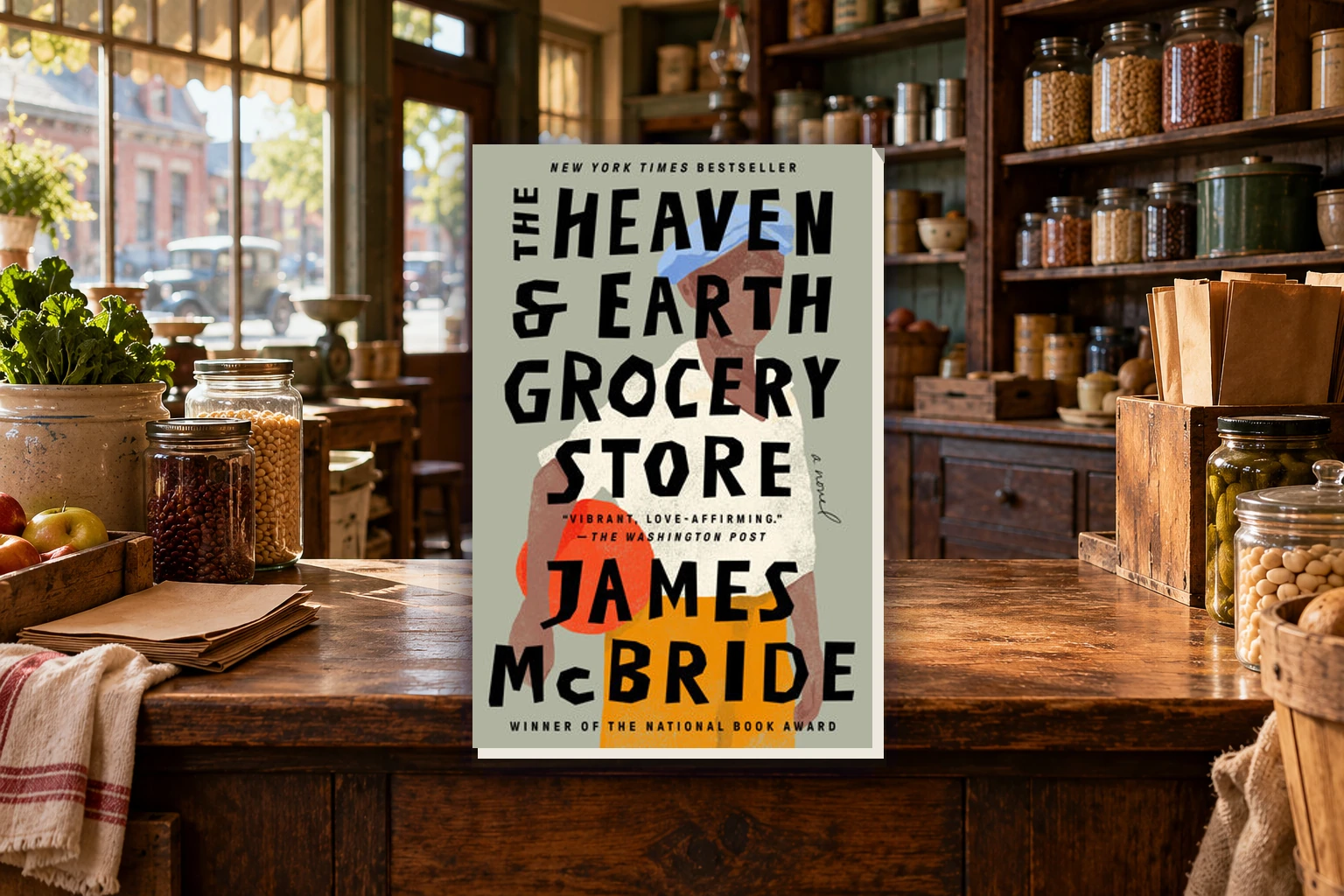
James McBride’s historical novel uses the life of Chicken Hill to ask how neighbors protect one another when official institutions fail to see them clearly.
A richly populated neighborhood narrative that connects mystery, historical memory, and practical solidarity.
TALE24 EDITORIAL PROCESS
Each article moves through research, editing and publication checks. The responsible editor remains accountable for the final work.
Check the book details, material facts and the review's critical angle.
Distinguish evidence from opinion and make the strengths and limits clear.
Verify images, metadata, links and the article's final presentation.
TALE24 METHODOLOGY
Critical standards help readers select worthwhile ideas in an age of information overload.
The summary is concise but does not impoverish the value of the original work. The context and core ideas are always preserved.
Save time, double the depthEvaluate the pros and cons with a fair attitude, not commercial flattery.
Never compromise with superficialityA 100-point scale with clear criteria helps readers choose the right book for their goals.
A transparent editorial framework“We believe that in an era of quick quotes, the patience to fully understand an idea is the rarest but most valuable quality.”
Tale24 is not born to encourage you to read more in quantity. Our mission is to be a quiet critical companion: distilling valuable ideas, deciphering the layers of meaning behind words, and courageously questioning the obvious.
Tale24 separates editorial content from advertising. Automated advertising does not change the critical conclusions.