Science Fiction & Ideas
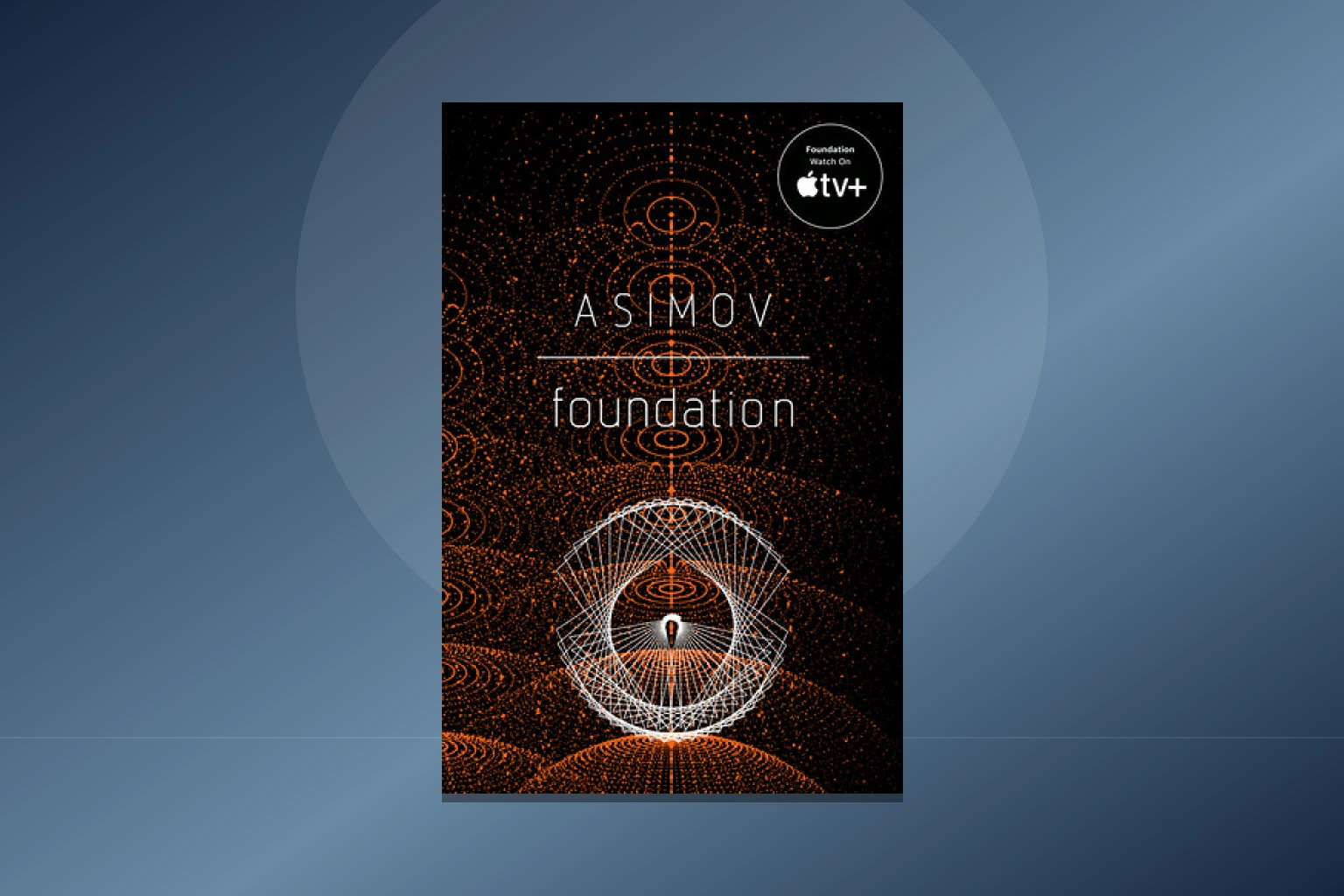
Foundation: Can History Leave Room for Human Agency?
Asimov turns centuries of political change into suspense, while his fictional science of prediction leaves difficult questions about who controls the future.
TALE24 TOPIC
111 essays and reviews
Asimov turns centuries of political change into suspense, while his fictional science of prediction leaves difficult questions about who controls the future.
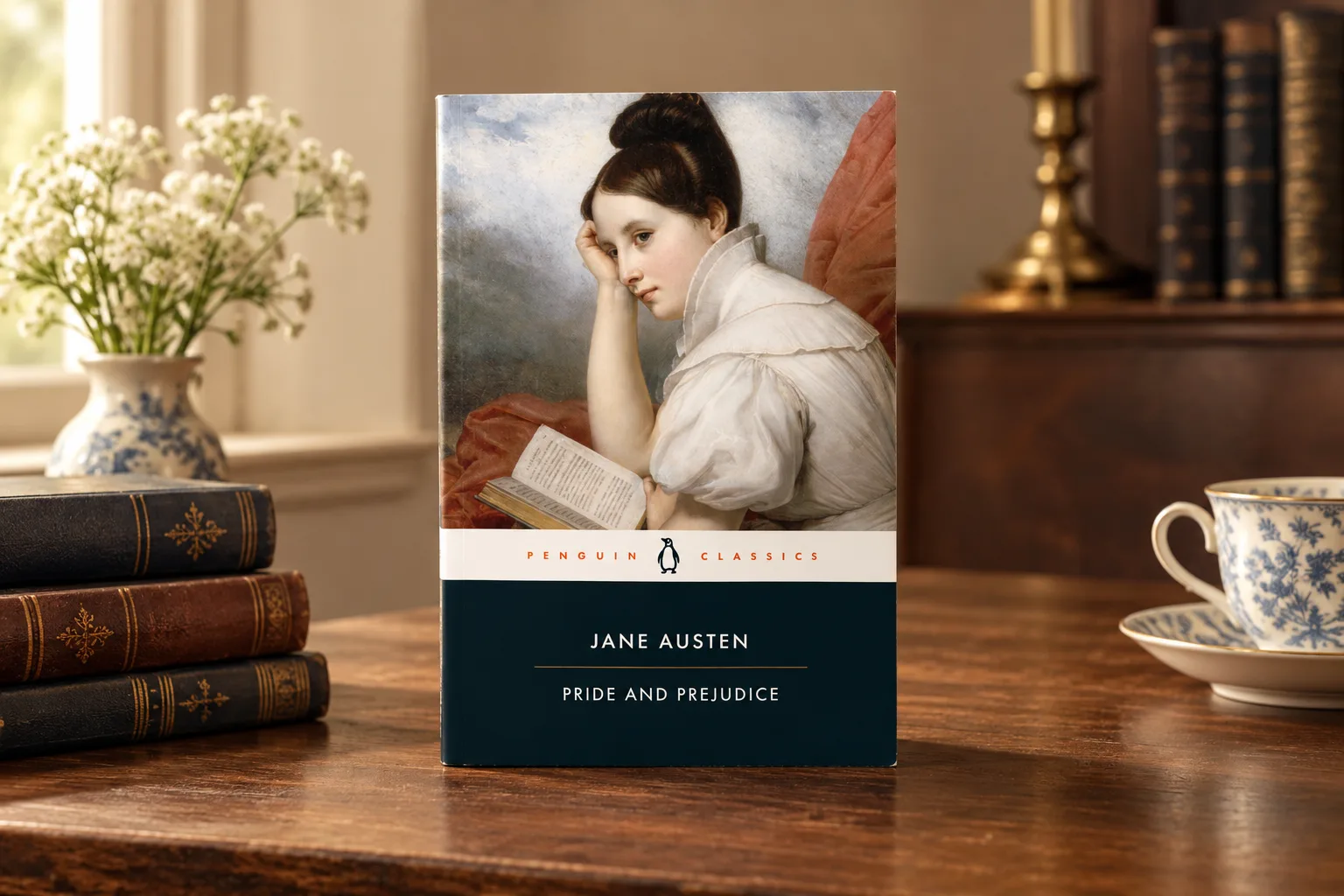
Elizabeth and Darcy’s romance lasts because Austen makes every first impression answer to family pressure, financial security, and the limits of judgment.
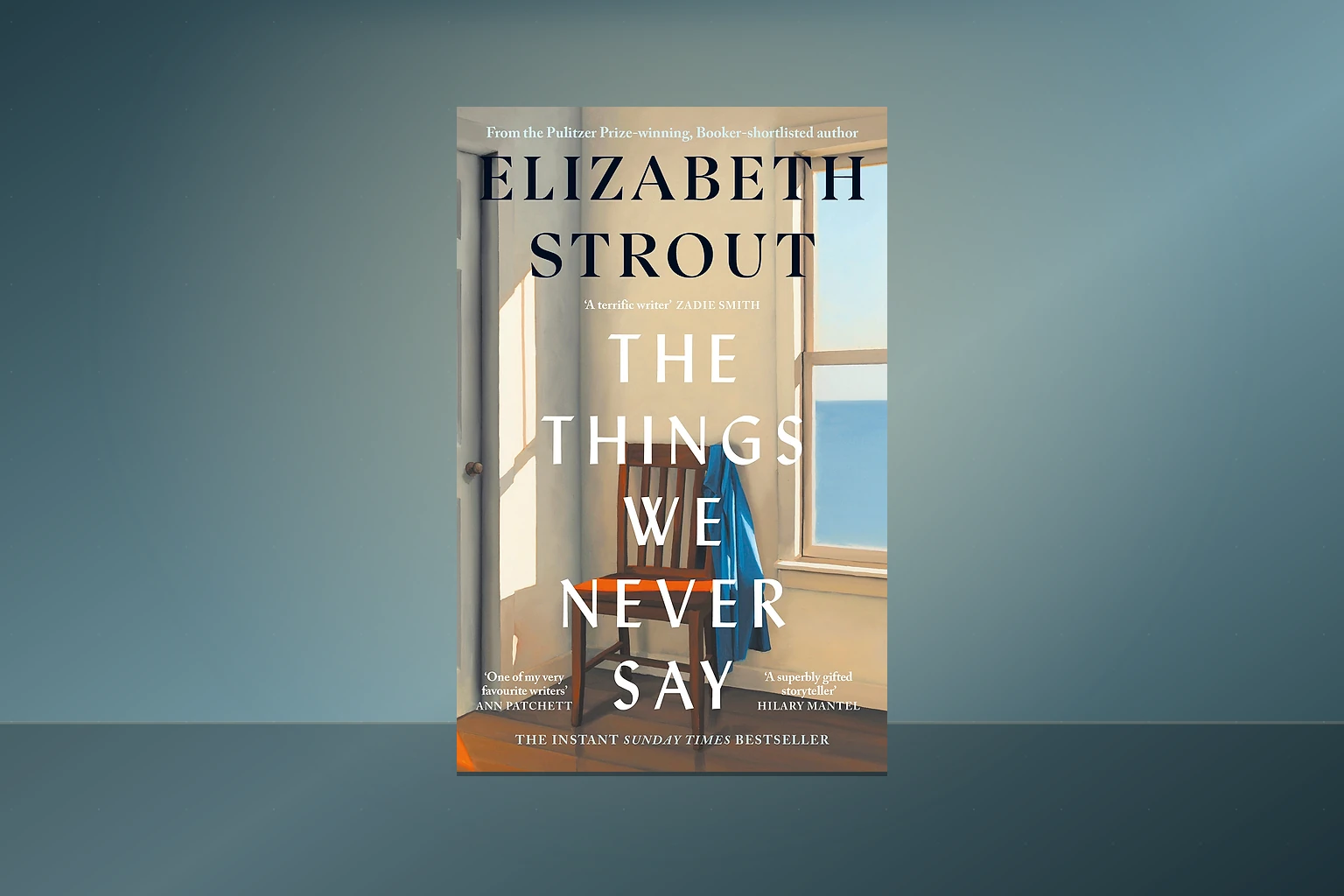
Artie Dam’s familiar routines conceal a loneliness that makes Elizabeth Strout’s novel a study of how little we know even those closest to us.
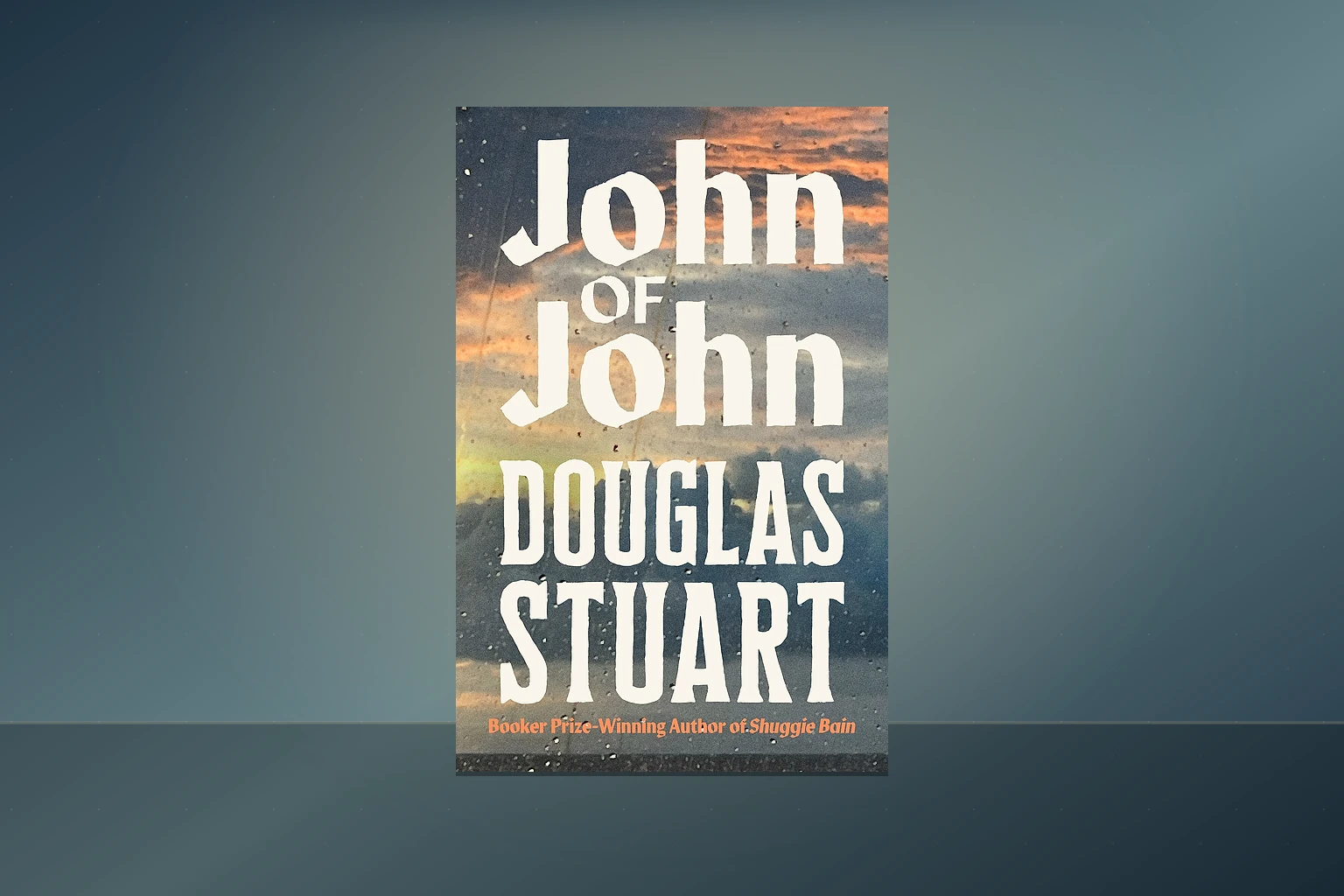
Douglas Stuart follows a young man back to the Isle of Harris, where home offers shelter while expecting him to remain who he was.
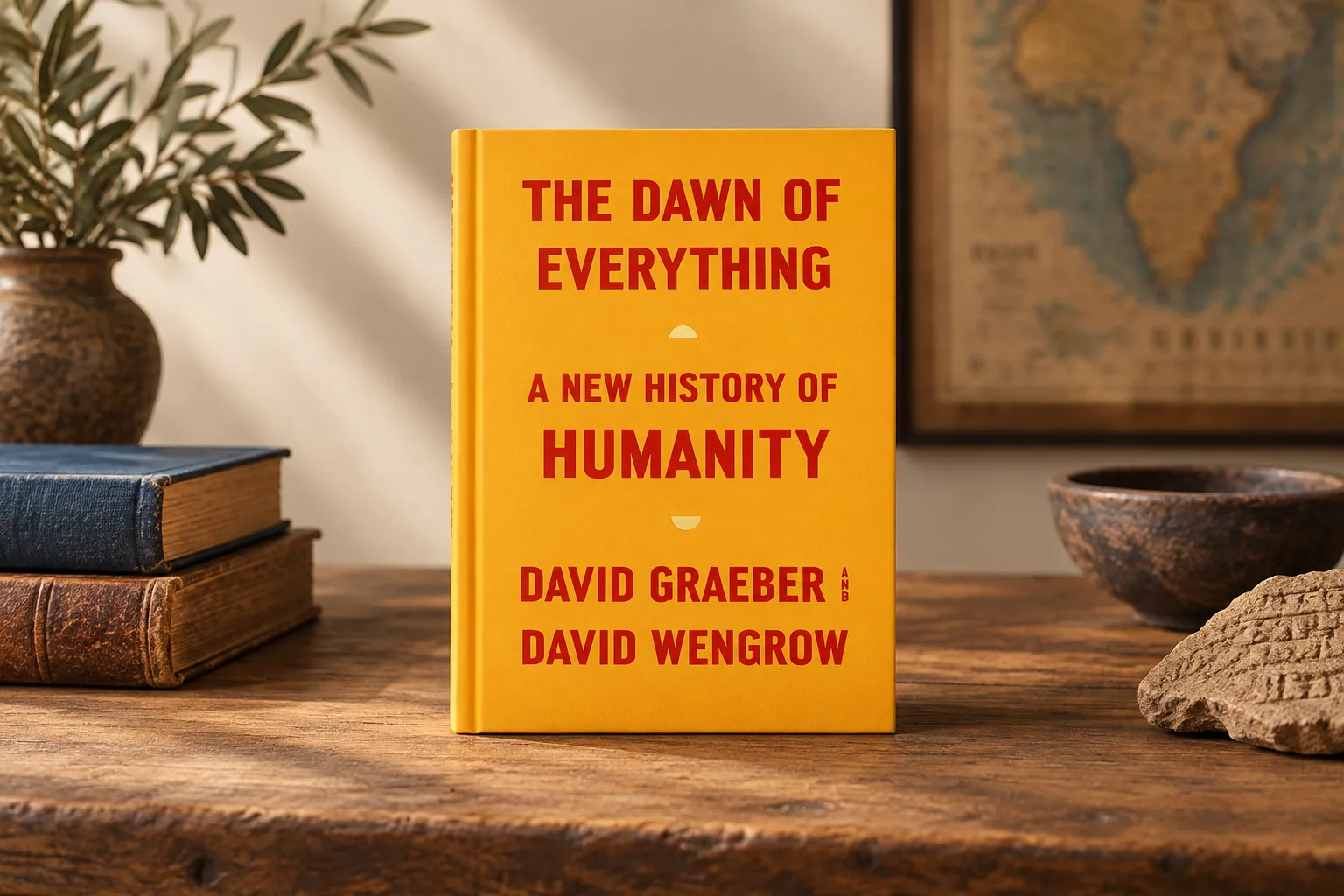
Graeber and Wengrow challenge linear stories of agriculture, hierarchy, and the state. The book’s expansive synthesis makes past political experiments vivid, while leaving an important question: do diverse cases prove a new master narrative, or open history to more local explanations?
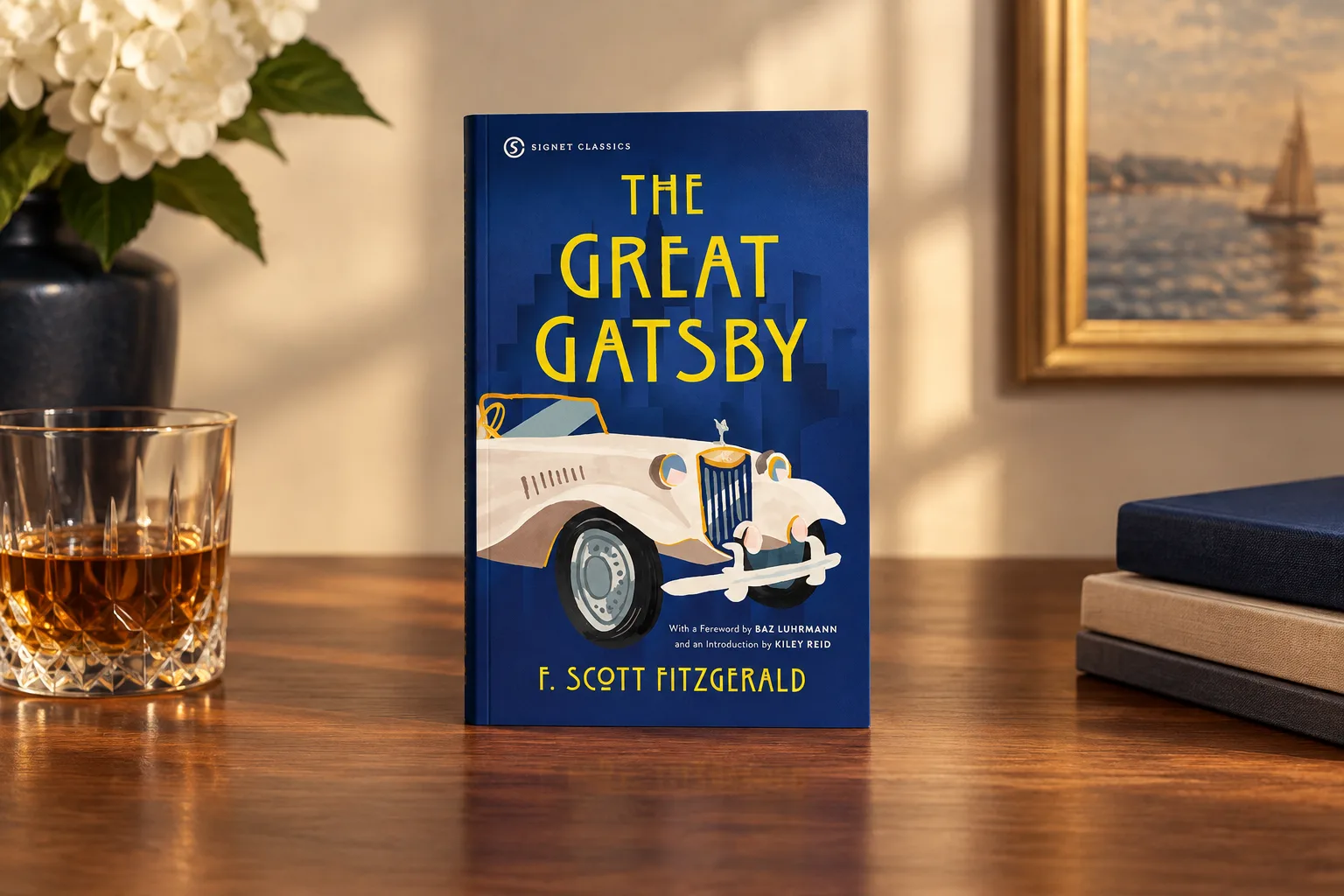
F. Scott Fitzgerald’s 1925 novel turns a glittering Long Island summer into a study of how desire becomes spectacle—and how inherited privilege decides who gets to belong. Through Nick Carraway’s partial, retrospective account, The Great Gatsby makes the American Dream both moving and compromised.
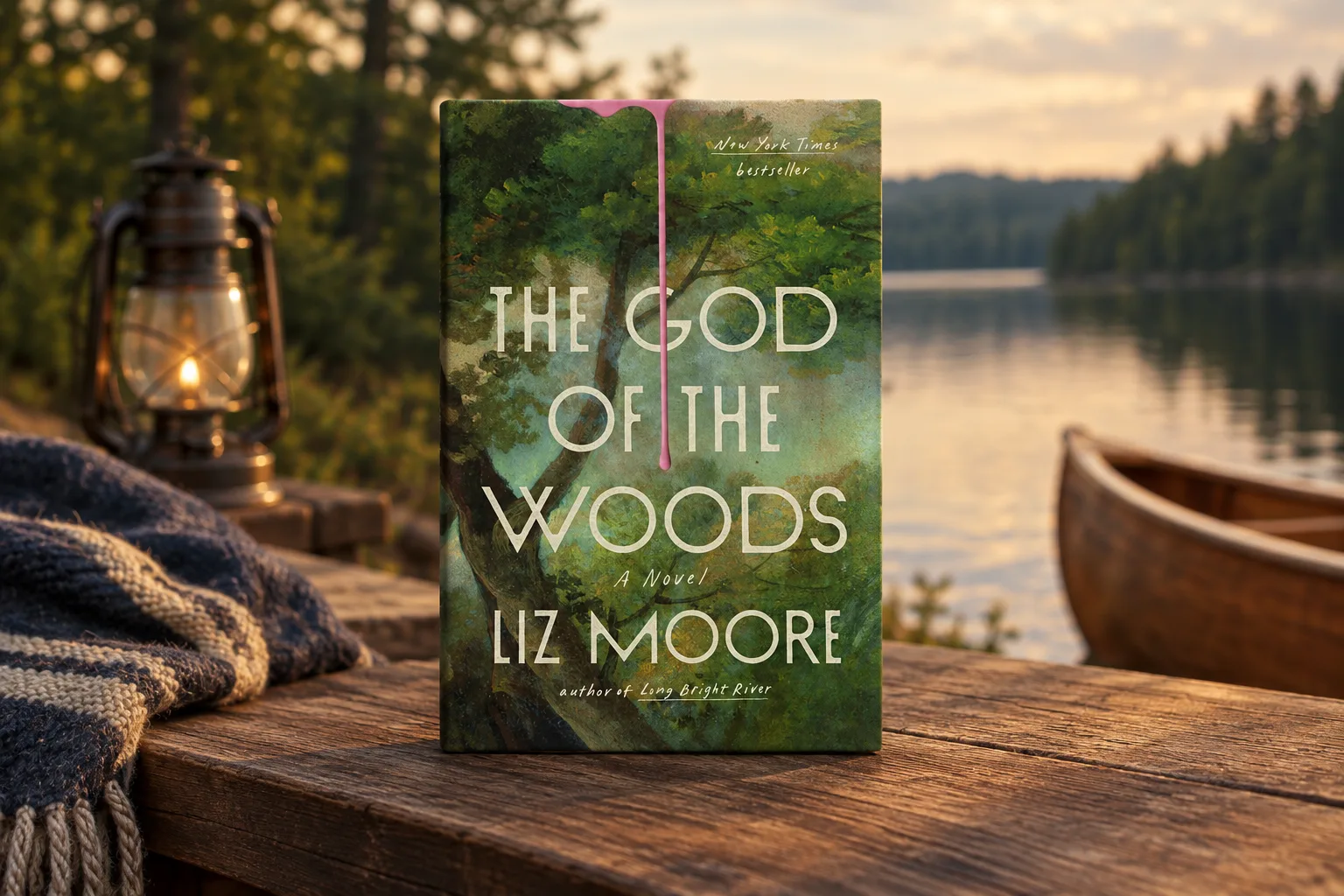
The disappearance of two Van Laar children turns a family mystery into a study of wealth, labor, and unequal accountability. Camp Emerson’s in-between position gives Liz Moore’s suspense novel its clearest social argument.
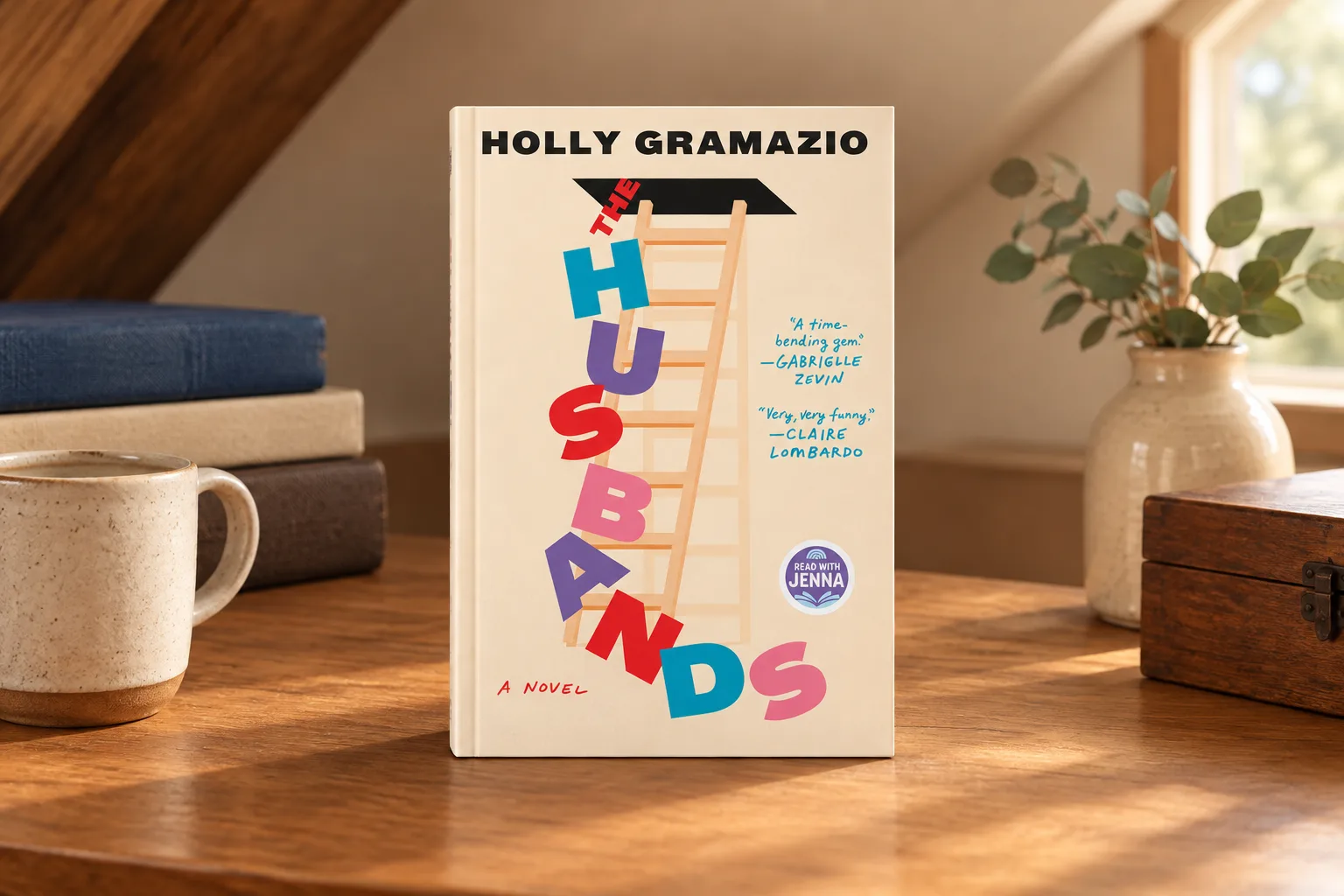
Holly Gramazio turns an attic into an endless supply of husbands—and a funny, searching test of whether more options make it easier to choose a life.
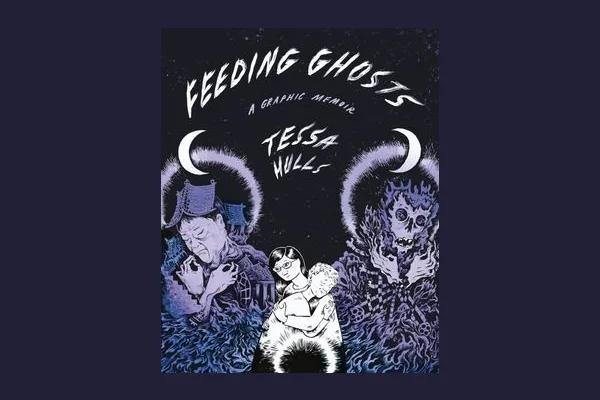
Tessa Hulls traces three generations of Chinese women through exile and inherited trauma, using the graphic memoir form to make family memory visible and uncertain.