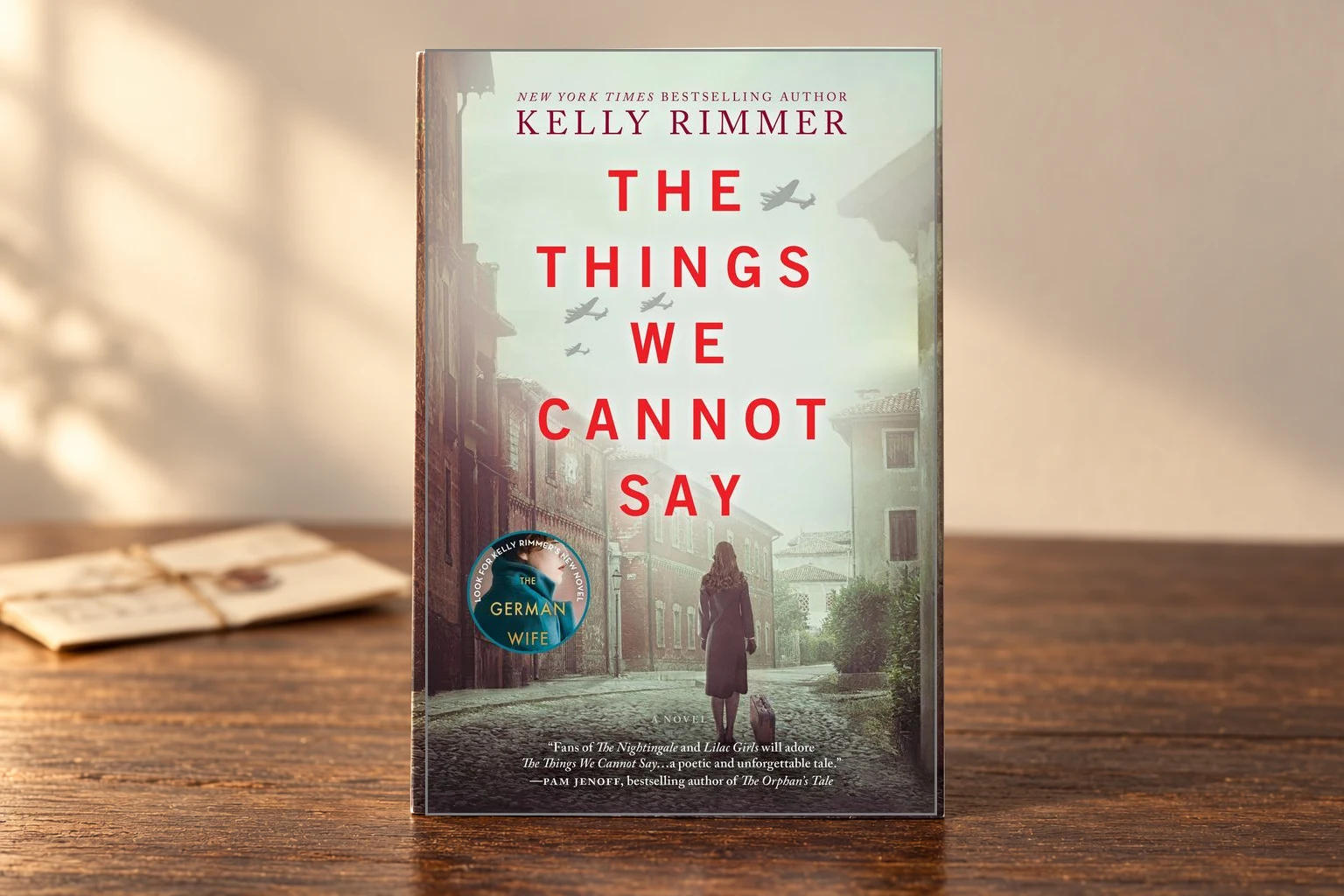
Kelly Rimmer moves between wartime Poland and a modern family search to ask what silence protects, what it obscures, and how patiently another generation must listen.
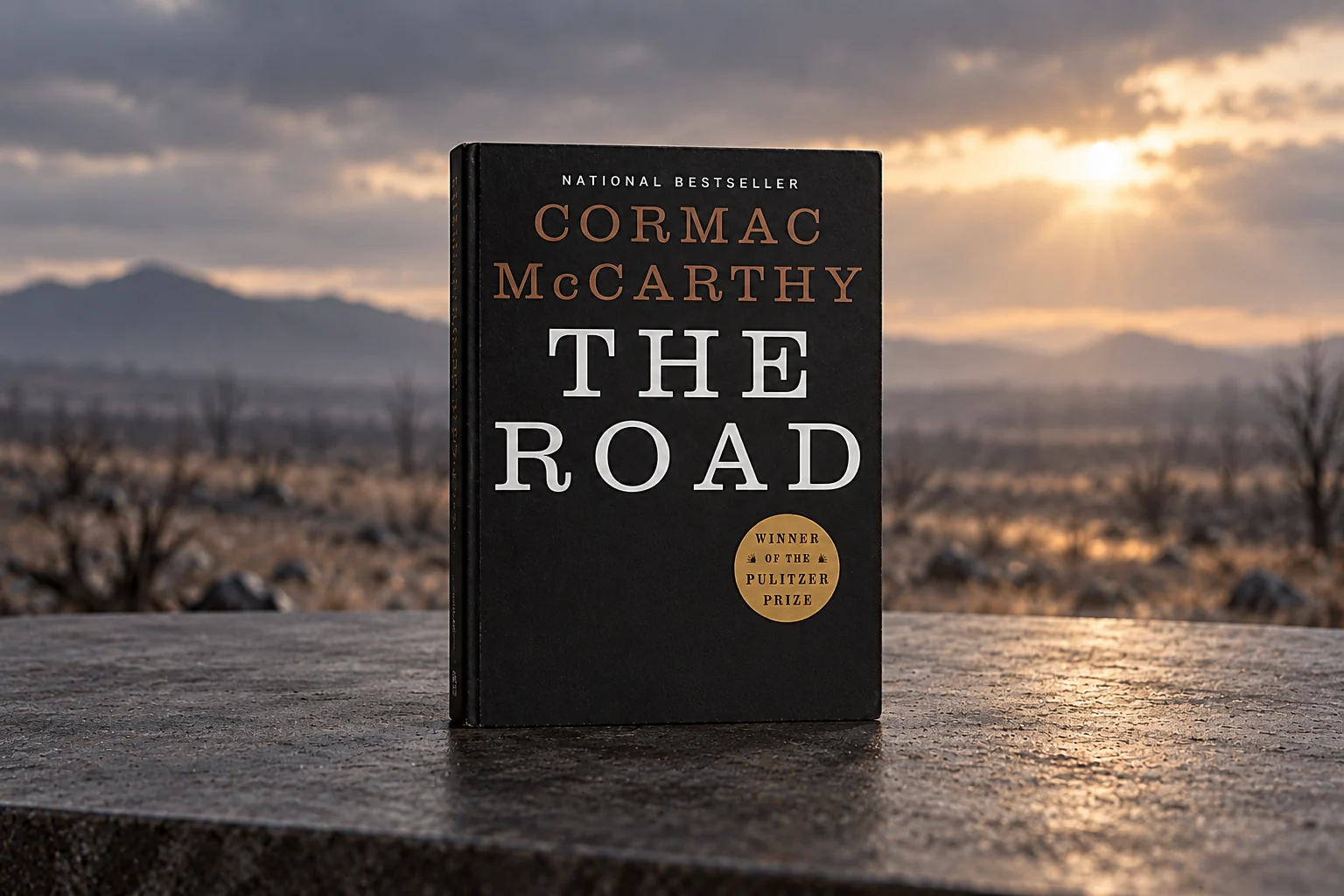
In Cormac McCarthy’s devastated America, a father and son keep moving toward the sea. The novel’s deepest suspense concerns what care can preserve when safety has disappeared.
Tolkien’s adventure works because Bilbo never simply stops being a home-loving hobbit. His ordinary values become a way to judge danger, loyalty, and the lure of treasure.
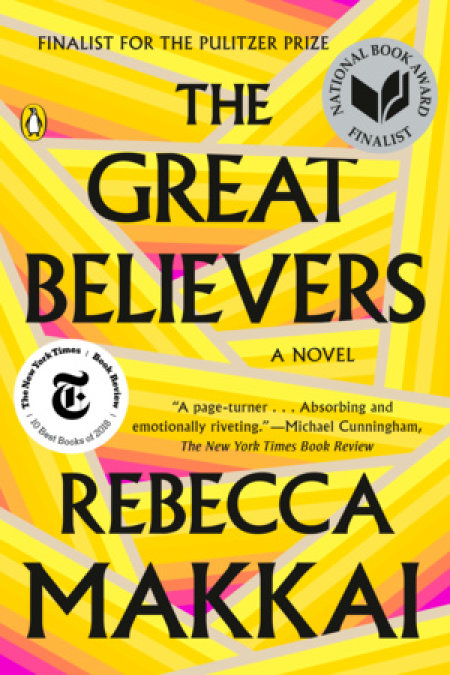
Across 1985 Chicago and later Paris, Rebecca Makkai follows the friendships and family bonds shaped by the AIDS crisis. Memory remains an active responsibility.
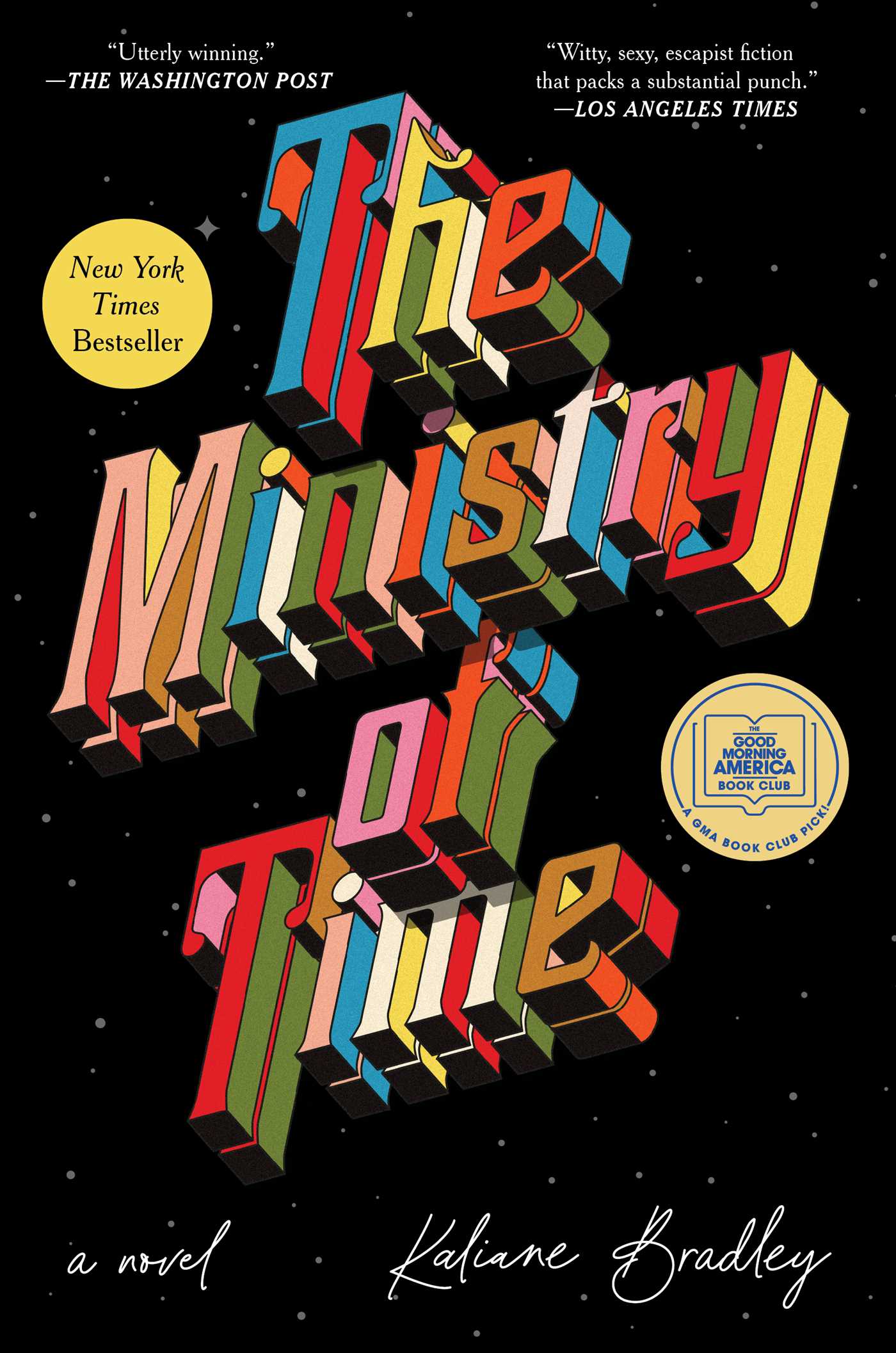
Kaliane Bradley turns a time-travel romance into a sharp question about who gets to name displacement. As a government “bridge” monitors a Victorian-era visitor, affection, observation, and institutional power become impossible to separate.
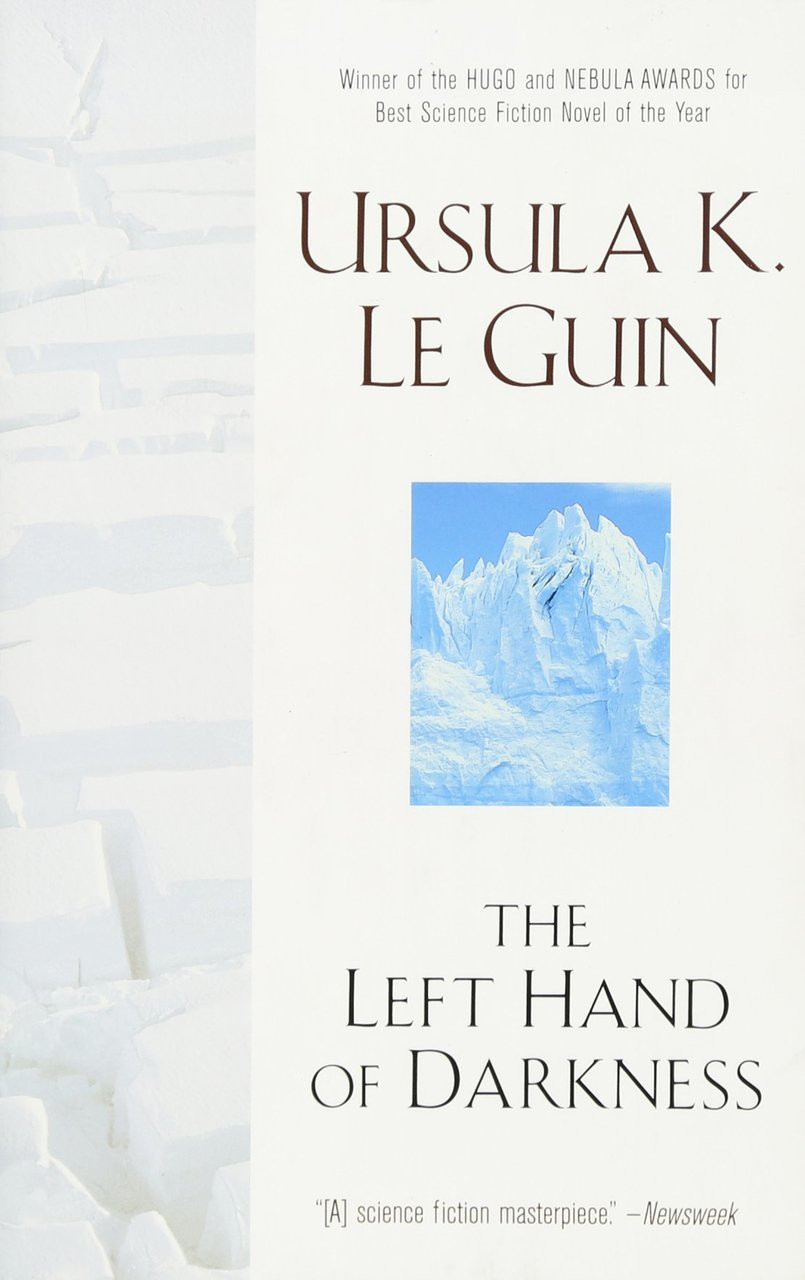
Ursula K. Le Guin uses a winter planet to dismantle familiar assumptions about gender, revealing that the greatest barrier between people may be not biology but the habit of treating one's own perspective as universal.
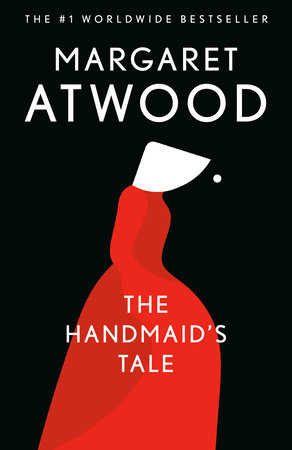
Margaret Atwood’s dystopian classic makes a woman’s testimony the center of its story, then ends by asking who controls that testimony once it enters the archive. Offred’s intimate, partial account reveals how power reaches everyday life—and how later institutions can preserve a voice while reframing its meaning.