
Read with greater care
Understand every story more deeply

100%

Editorial independence

No sponsorship is accepted to alter the conclusions or scores of reviews.

No disguised advertising
2

Review stages

Every draft is checked for clarity, sourcing, and the limits of its claims before publication.

AI-assisted, human-accountable
100

Point review scale

Our transparent score reflects depth, argument quality, originality, and practical value.

A consistent evaluation framework

EDITOR’S PICKS

In-depth reviews and essays

Carefully read, researched, and challenged by the Tale24 editorial team.
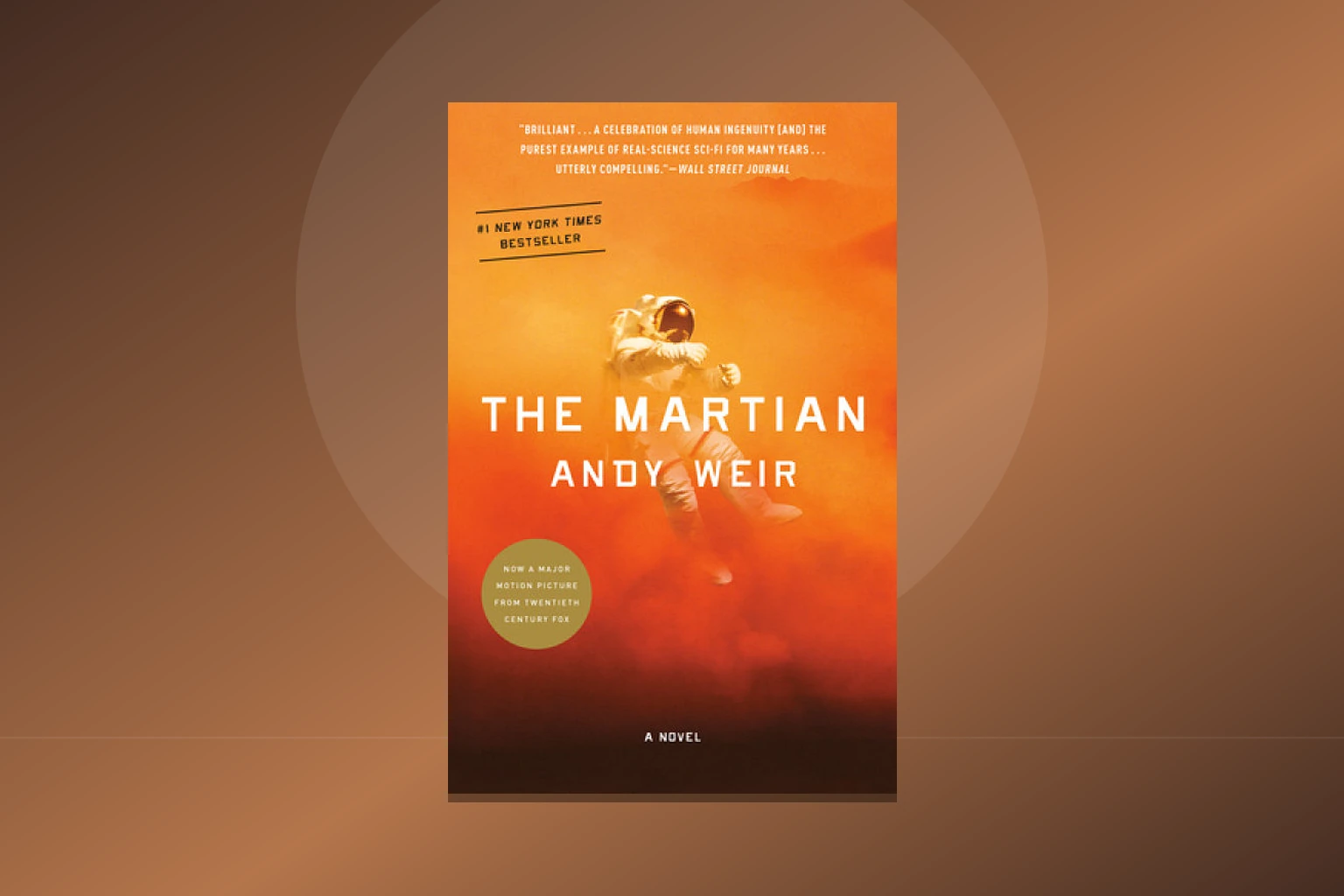
Illustration for article The Martian: Survival as a Practice of Attention
Science Fiction & Ideas• 6 minutes of reading

The Martian: Survival as a Practice of Attention

Watney’s technical ingenuity drives a gripping survival story, but the novel’s deeper appeal lies in the cooperative knowledge behind every workable solution.

Clear procedural suspense, lively voice, and a generous picture of shared expertise
Noteworthy pointClear procedural suspense, lively voice, and a generous picture of shared expertiseLimitations to noteThe steady jokes and tactical focus leave limited space for inward emotional study
Tale24 Score91/100Best for: Readers who enjoy space travel, applied science, and problem-solving fictionRead the review
Illustration for article Foundation: Can History Leave Room for Human Agency?
Science Fiction & Ideas• 6 minutes of reading

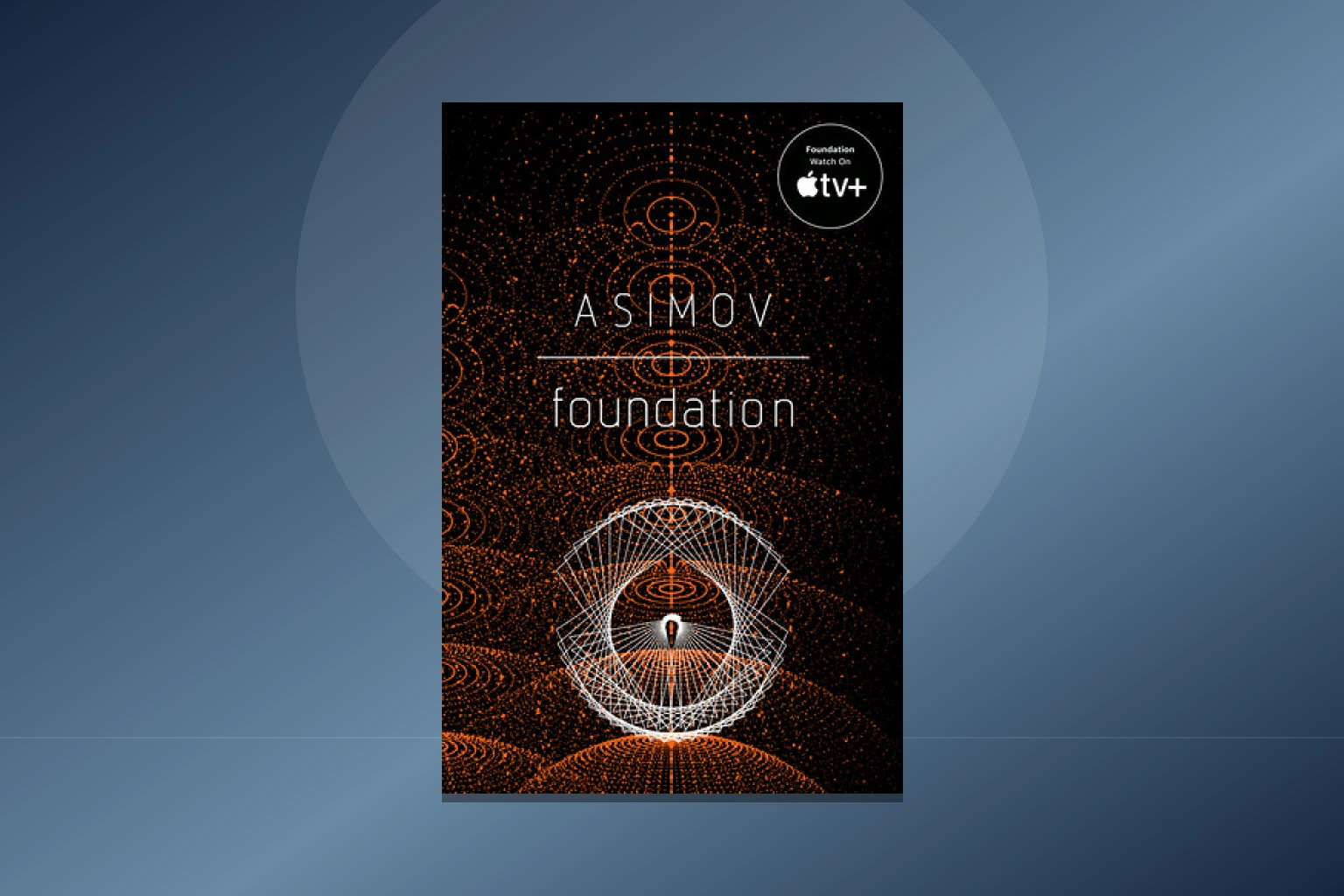
Foundation: Can History Leave Room for Human Agency?

Asimov turns centuries of political change into suspense, while his fictional science of prediction leaves difficult questions about who controls the future.

A distinctive crisis structure, large historical scale, and lively questions about institutions
Noteworthy pointA distinctive crisis structure, large historical scale, and lively questions about institutionsLimitations to noteCharacter psychology and sensory detail are secondary to the ideas
Tale24 Score93/100Best for: Readers who enjoy political thought experiments and science fiction about societiesRead the review
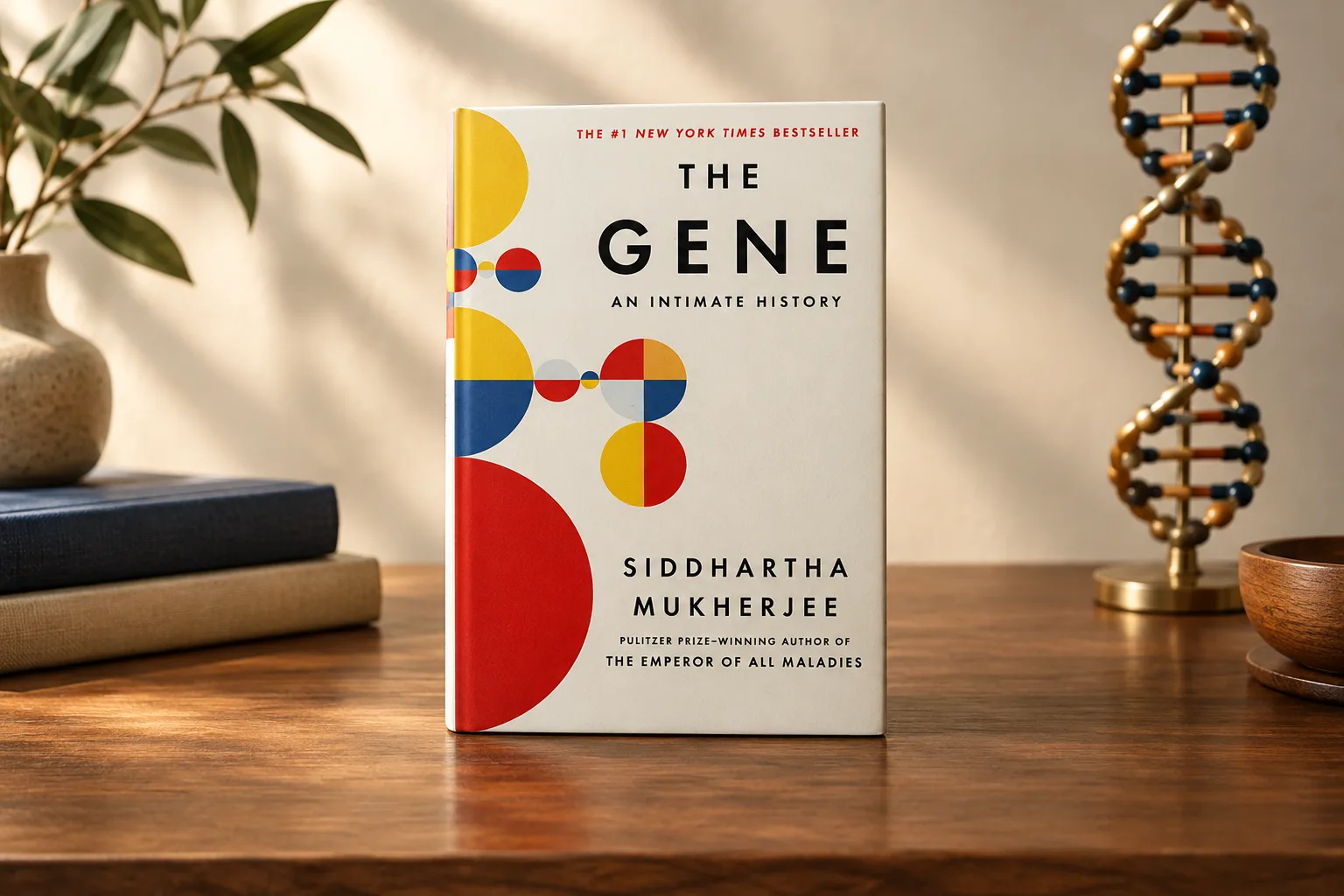
Illustration for article The Gene and the Stories We Tell About Inheritance
Science & Ideas• 6 minutes of reading

The Gene and the Stories We Tell About Inheritance

Siddhartha Mukherjee’s sweeping history pairs the changing science of heredity with the personal and political stories that give genes their meaning. The book’s broad reach is its strength—and a reason to keep scientific uncertainty in view.

Connects scientific history with personal and social stakes; makes heredity a subject for public and ethical reflection; ranges from early accounts to modern genetics.
Noteworthy pointConnects scientific history with personal and social stakes; makes heredity a subject for public and ethical reflection; ranges from early accounts to modern genetics.Limitations to noteIts panoramic sweep can compress disputes; published in 2016, it is not a current technical guide; personal history must not be mistaken for general genetic evidence.
Tale24 Score85/100Best for: Curious nonspecialists interested in genetics, science history, family, and bioethics; pair with current specialist sources for technical questions.Read the review
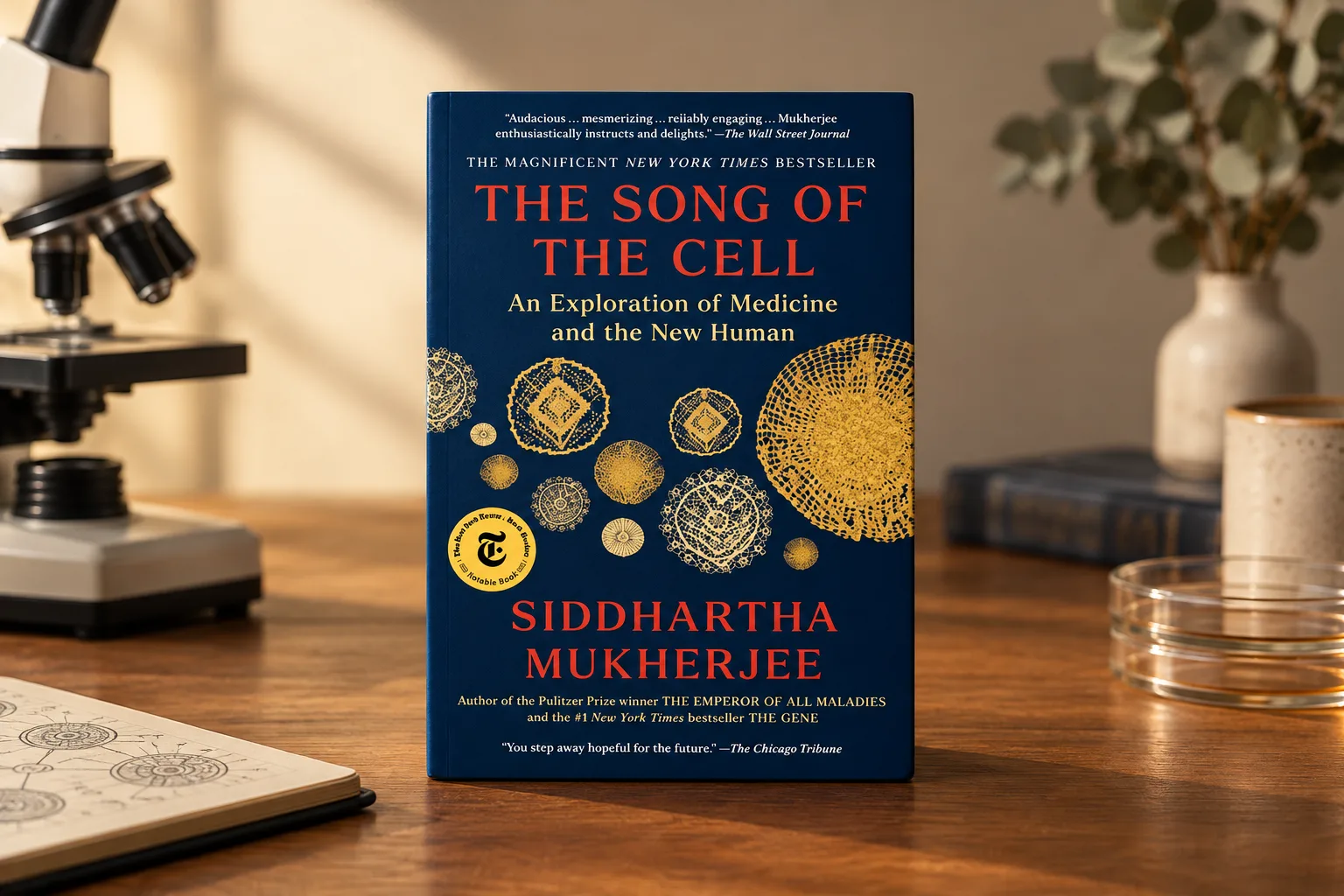
Illustration for article The Song of the Cell and the Limits of Therapeutic Promise
Science & Medicine• 7 minutes of reading

The Song of the Cell and the Limits of Therapeutic Promise

Siddhartha Mukherjee connects the history of cell biology with medicine’s hopes for cellular therapies. The book makes a microscopic subject accessible, while raising a harder question: who sets priorities when scientific promise meets public need?

Makes cell biology approachable through history and metaphor; links scientific discovery with medical questions; invites readers to think across cells, bodies, and society.
Noteworthy pointMakes cell biology approachable through history and metaphor; links scientific discovery with medical questions; invites readers to think across cells, bodies, and society.Limitations to noteIts broad scope can leave research priorities underexamined; metaphors need to be distinguished from biological evidence; not a source for clinical decisions.
Tale24 Score80/100Best for: Curious nonspecialists interested in cell biology and medical history; readers seeking treatment guidance should consult current clinical sources.Read the review
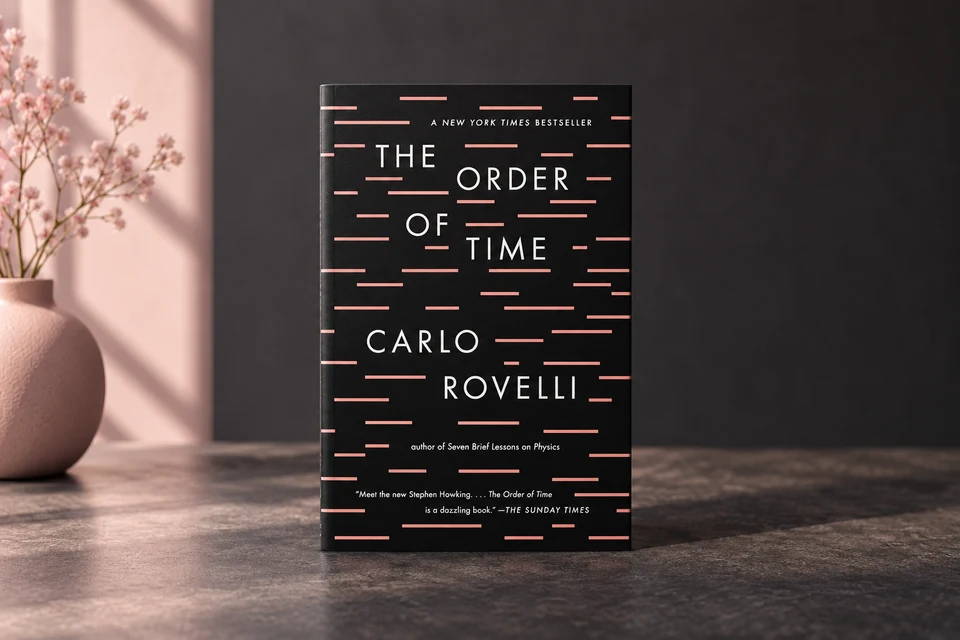
Illustration for article The Order of Time and the Limits of the Clock
Science & Ideas• 6 minutes of reading

The Order of Time and the Limits of the Clock

Carlo Rovelli turns a familiar certainty into a series of questions. His compact account of modern physics is most illuminating when it connects the clock's measurements with the time we actually feel.

Elegant explanations that connect physics, philosophy, and everyday experience.

Noteworthy pointElegant explanations that connect physics, philosophy, and everyday experience.Limitations to noteThe compressed treatment can leave readers wanting slower derivations and clearer boundaries between established results and open questions.
Tale24 Score87/100Best for: Curious general readers interested in physics, philosophy, and the experience of time.Read the review
Illustration for article Braiding Sweetgrass: Nature Is Not a Silent Storehouse of Resources
Nature & Environment• 6 minutes of reading

Braiding Sweetgrass: Nature Is Not a Silent Storehouse of Resources

Robin Wall Kimmerer braids botany with Potawatomi knowledge to propose a fundamental shift: from seeing the living world as a resource to treating it as a community of reciprocal relationships.

Lyrical writing grounded in science; ecology, history, and ethics are powerfully connected; many images genuinely change how the reader sees the living world.
Noteworthy pointLyrical writing grounded in science; ecology, history, and ethics are powerfully connected; many images genuinely change how the reader sees the living world.Limitations to noteLong and thematically repetitive; it should be read slowly so Indigenous concepts are not detached from their historical context and reduced to slogans.
Tale24 Score95/100Best for: Readers interested in environmentalism, ecology, Indigenous knowledge, gardening, and nature writingRead the review
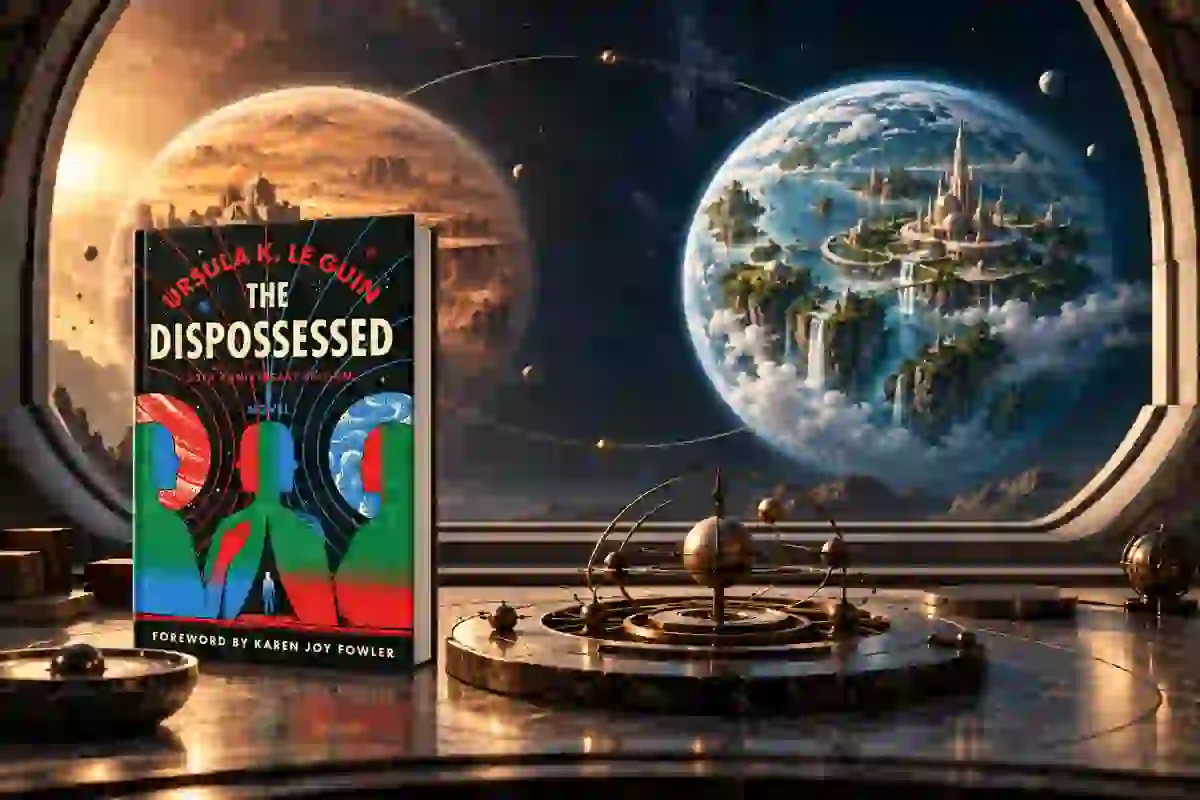
Illustration for article The Dispossessed: A Utopia That Refuses to Declare Victory
Science Fiction & Ideas• 6 minutes of reading

The Dispossessed: A Utopia That Refuses to Declare Victory

Ursula K. Le Guin tests political ideals against the institutions and habits that grow around them, using two societies to make comparison itself an ethical practice.

Intellectually ambitious world-building, a rigorous political imagination, and a structure that keeps every social order open to criticism.
Noteworthy pointIntellectually ambitious world-building, a rigorous political imagination, and a structure that keeps every social order open to criticism.Limitations to noteIts argumentative density and emotional reserve demand patience, while some secondary figures mainly serve the philosophical design.
Tale24 Score95/100Best for: Readers of political fiction, social science fiction, anarchist thought, and philosophically demanding novels.Read the review
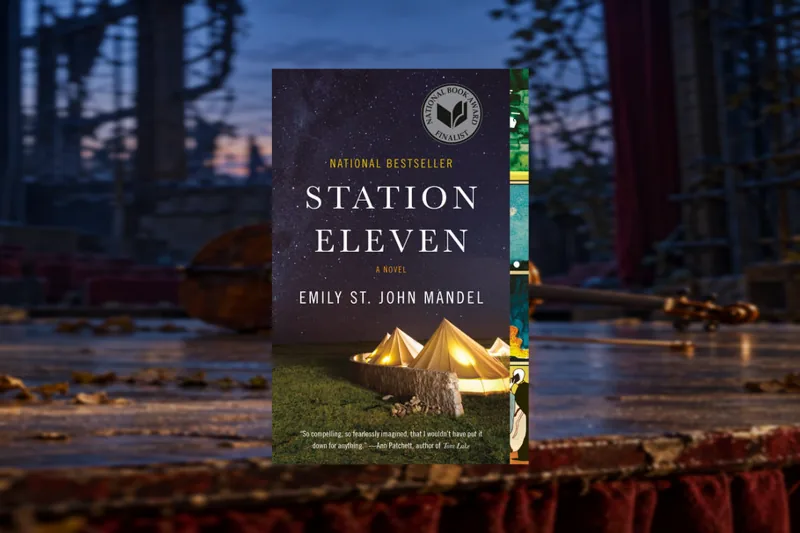
Illustration for article Station Eleven: Why Art Survives the End of a World
Literary Science Fiction• 6 minutes of reading

Station Eleven: Why Art Survives the End of a World

Through a traveling theater company and a fractured timeline, Emily St. John Mandel asks what culture preserves when ordinary systems disappear.

Elegant time structure and an unusually humane view of post-collapse culture

Noteworthy pointElegant time structure and an unusually humane view of post-collapse cultureLimitations to noteReaders wanting detailed survival logistics may find the practical world lightly drawn
Tale24 Score94/100Best for: Readers of literary speculative fiction, theater, and stories about cultural memoryRead the review
Illustration for article Dune: a sci-fi epic about ecology, power and heroic myth
Science fiction• 9 minutes of reading

Dune: a sci-fi epic about ecology, power and heroic myth

A close look at Arrakis as an ecological system, the politics of spice, and the risks of turning a gifted leader into a promised savior.

Worldbuilding is rich in systems and ecology, closely tied to politics and multi-layered themes of power

Noteworthy pointWorldbuilding is rich in systems and ecology, closely tied to politics and multi-layered themes of powerLimitations to noteTerminology is thick, the opening pace is slow, and some cultural material needs to be read critically
Tale24 Score96/100Best for: Readers love science fiction, politics, ecology, and large-scale fictional worldsRead the review
Illustration for article Klara and the Sun: What an Artificial Friend Sees in Us
Science & Technology• 5 minutes of reading

Klara and the Sun: What an Artificial Friend Sees in Us

A balanced perspective between the potential of technology and the ethical questions that have no easy answers.

Multi-dimensional, systematic perspective
Noteworthy pointMulti-dimensional, systematic perspectiveLimitations to noteMany concepts need to be read slowly
Tale24 Score89/100Best for: People interested in AI and the futureRead the review

TALE24 EDITORIAL PROCESS

Human judgment behind every review

Each article moves through research, editing and publication checks. The responsible editor remains accountable for the final work.

01

Research

Establish the source and question

Check the book details, material facts and the review's critical angle.

02

Editing

Test the argument

Distinguish evidence from opinion and make the strengths and limits clear.

03

Publication

Check the reader experience

Verify images, metadata, links and the article's final presentation.

TALE24 METHODOLOGY

Three Pillars of Content

Critical standards help readers select worthwhile ideas in an age of information overload.

01

Refining the Essence

The summary is concise but does not impoverish the value of the original work. The context and core ideas are always preserved.

Save time, double the depth
02

Multidimensional Criticism

Evaluate the pros and cons with a fair attitude, not commercial flattery.

Never compromise with superficiality
03

Consistent Scoring

A 100-point scale with clear criteria helps readers choose the right book for their goals.

A transparent editorial framework
EDITORIAL MANIFESTO • TALE24 MANIFESTCIRCULATE WITH READERS
“We believe that in an era of quick quotes, the patience to fully understand an idea is the rarest but most valuable quality.”

Tale24 is not born to encourage you to read more in quantity. Our mission is to be a quiet critical companion: distilling valuable ideas, deciphering the layers of meaning behind words, and courageously questioning the obvious.

APPROVED BYTale24 Editorial Board Quality independent appraisal
Committed to real content & advertising transparency

Tale24 separates editorial content from advertising. Automated advertising does not change the critical conclusions.

Learn about the disclosure policy