Read with greater care
Understand every story more deeply

100%

Editorial independence

No sponsorship is accepted to alter the conclusions or scores of reviews.

No disguised advertising
2

Review stages

Every draft is checked for clarity, sourcing, and the limits of its claims before publication.

AI-assisted, human-accountable
100

Point review scale

Our transparent score reflects depth, argument quality, originality, and practical value.

A consistent evaluation framework

EDITOR’S PICKS

In-depth reviews and essays

Carefully read, researched, and challenged by the Tale24 editorial team.
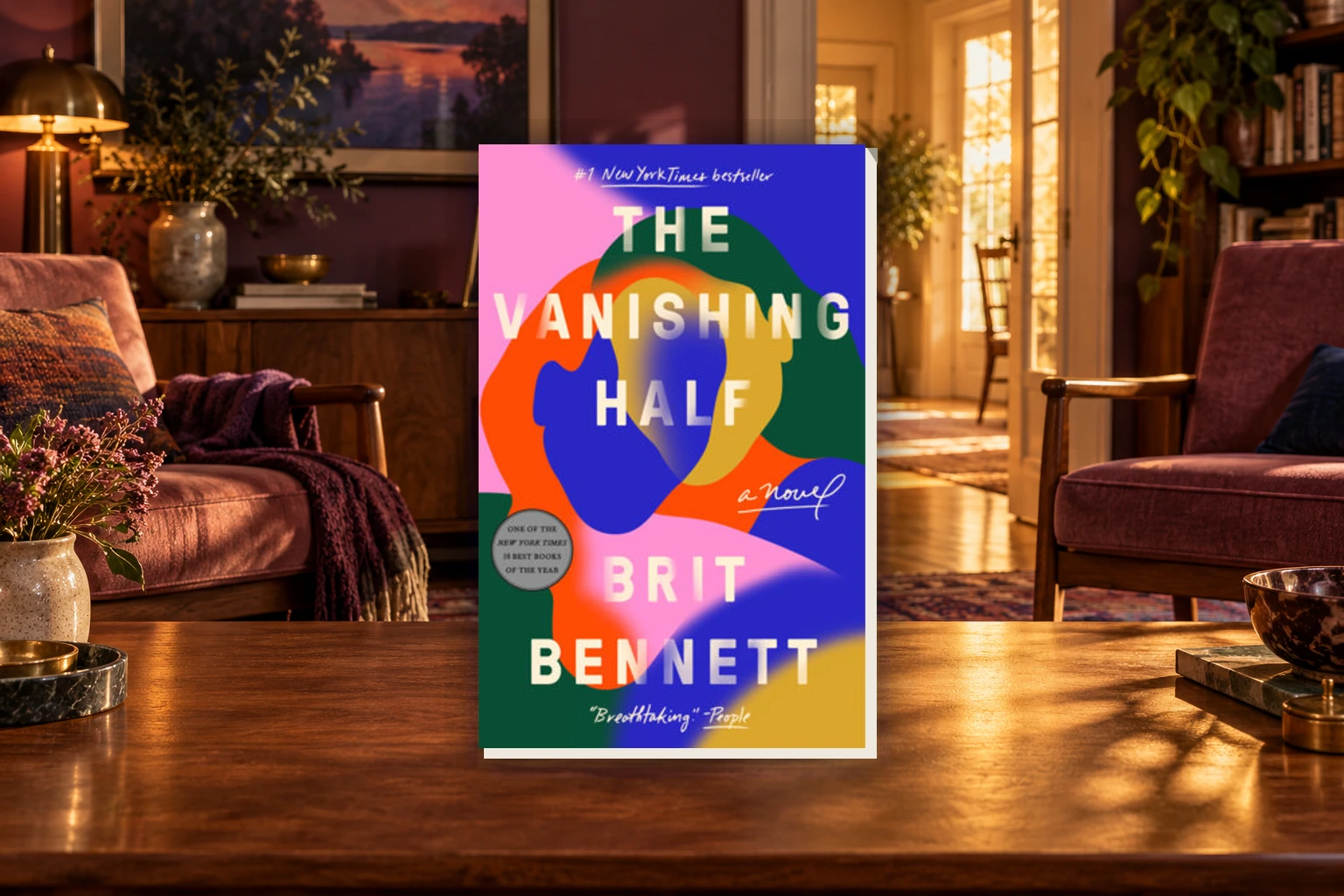
Book cover illustration for The Vanishing Half — Brit Bennett (Riverhead Books, ISBN 9780525536963)
Contemporary American Fiction•6 minutes of reading

The Vanishing Half: What Reinvention Cannot Erase

Brit Bennett’s intergenerational novel turns the diverging lives of twin sisters into a precise inquiry about racial passing, family memory, and the costs of becoming someone new.

A strong intergenerational design that gives racial passing and family secrecy both personal and historical depth.
Noteworthy pointA strong intergenerational design that gives racial passing and family secrecy both personal and historical depth.Limitations to noteThe wide time span can leave some relationships less fully explored than the central premise invites.
Tale24 Score92/100Best for: Readers interested in family sagas, American racial history, identity, and the consequences of secrecy.Read the review →
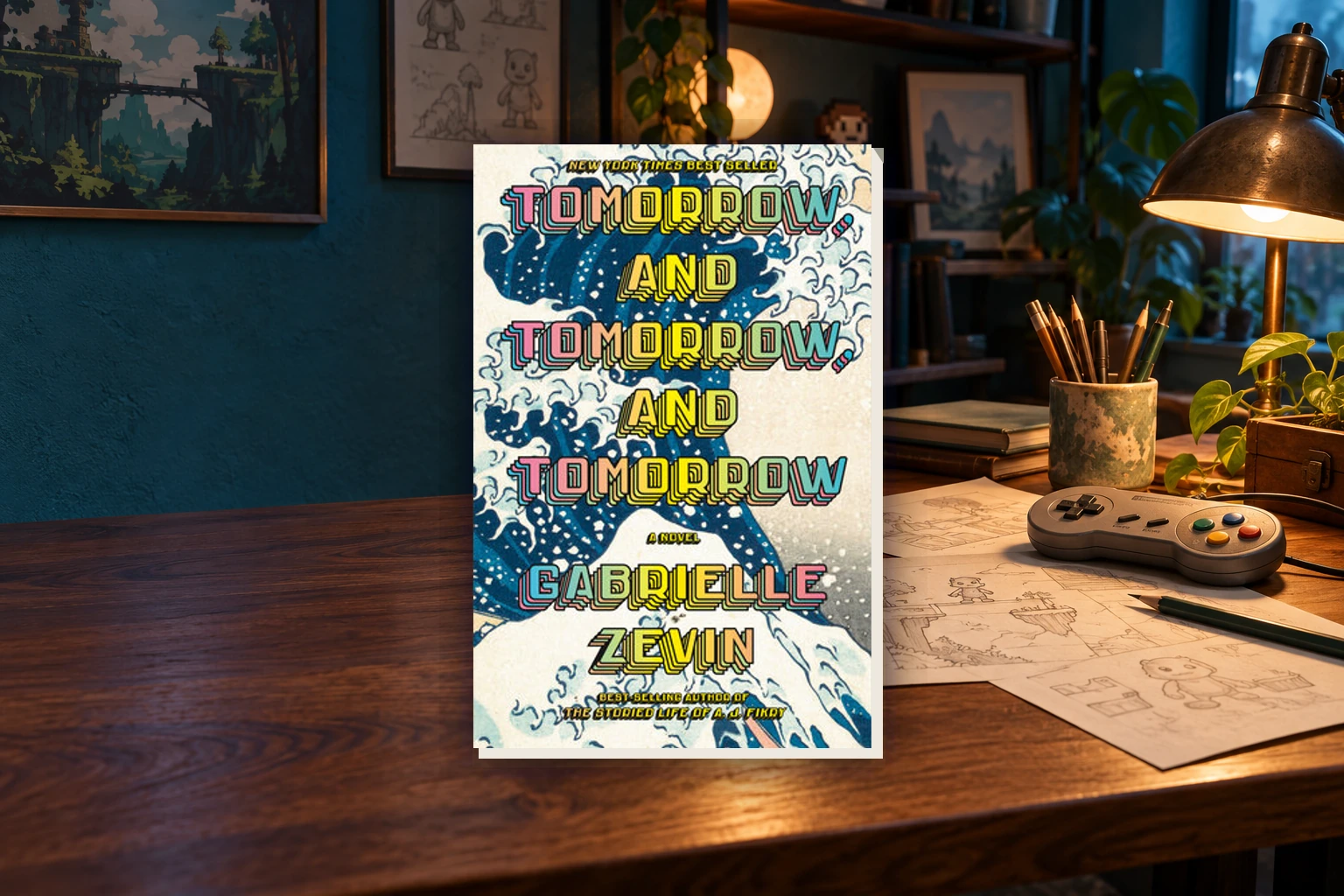
Book cover illustration for Tomorrow, and Tomorrow, and Tomorrow — Gabrielle Zevin (Knopf hardcover, ISBN 9780593321201)
Contemporary American Fiction•6 minutes of reading

Tomorrow, and Tomorrow, and Tomorrow: The Work of Staying Friends

Gabrielle Zevin uses video games to ask what creative partners owe one another when affection, ambition, and ownership no longer move together.

A distinctive use of game design to examine creative partnership, credit, and lasting friendship.
Noteworthy pointA distinctive use of game design to examine creative partnership, credit, and lasting friendship.Limitations to noteIts broad timeline and many thematic threads may feel expansive to readers seeking a tightly focused character study.
Tale24 Score91/100Best for: Readers of literary fiction about friendship, art, work, and the emotional life of technology.Read the review →
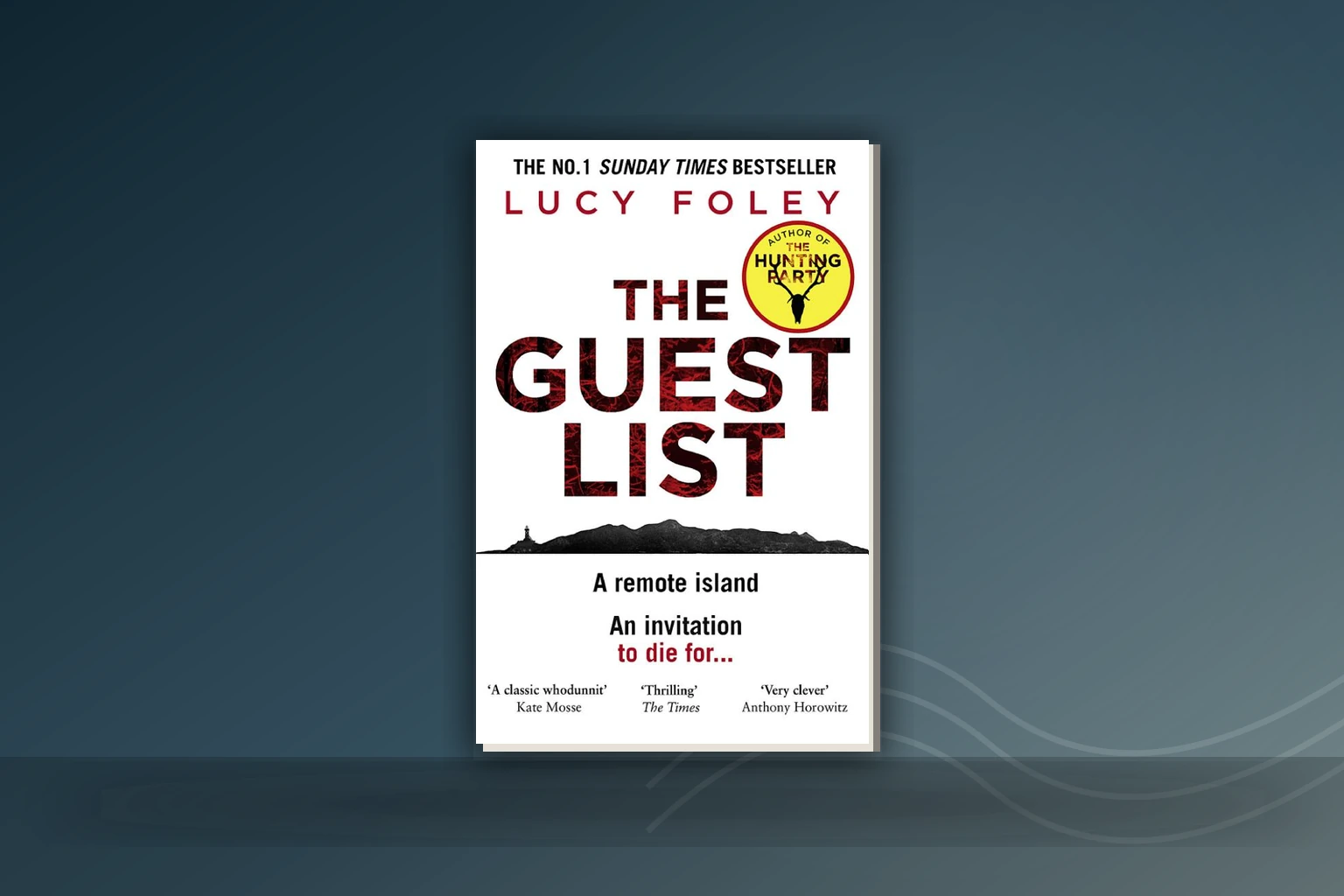
Book cover illustration for The Guest List — Lucy Foley
Psychological Thriller•6 minutes of reading

The Guest List: A Wedding Built on Secrets

Lucy Foley turns an island wedding into a closed circle of old grievances and new suspicions. The celebration’s carefully managed appearance makes the approaching disorder more unsettling.

The remote island and formal wedding create a strong closed-circle premise with social tension built into every relationship.
Noteworthy pointThe remote island and formal wedding create a strong closed-circle premise with social tension built into every relationship.Limitations to noteThe concentration of secrets may feel heavily engineered to readers who prefer a quieter, character-led mystery.
Tale24 Score84/100Best for: Readers who enjoy atmospheric whodunits, tense gatherings, and psychological suspense without early answers.Read the review →
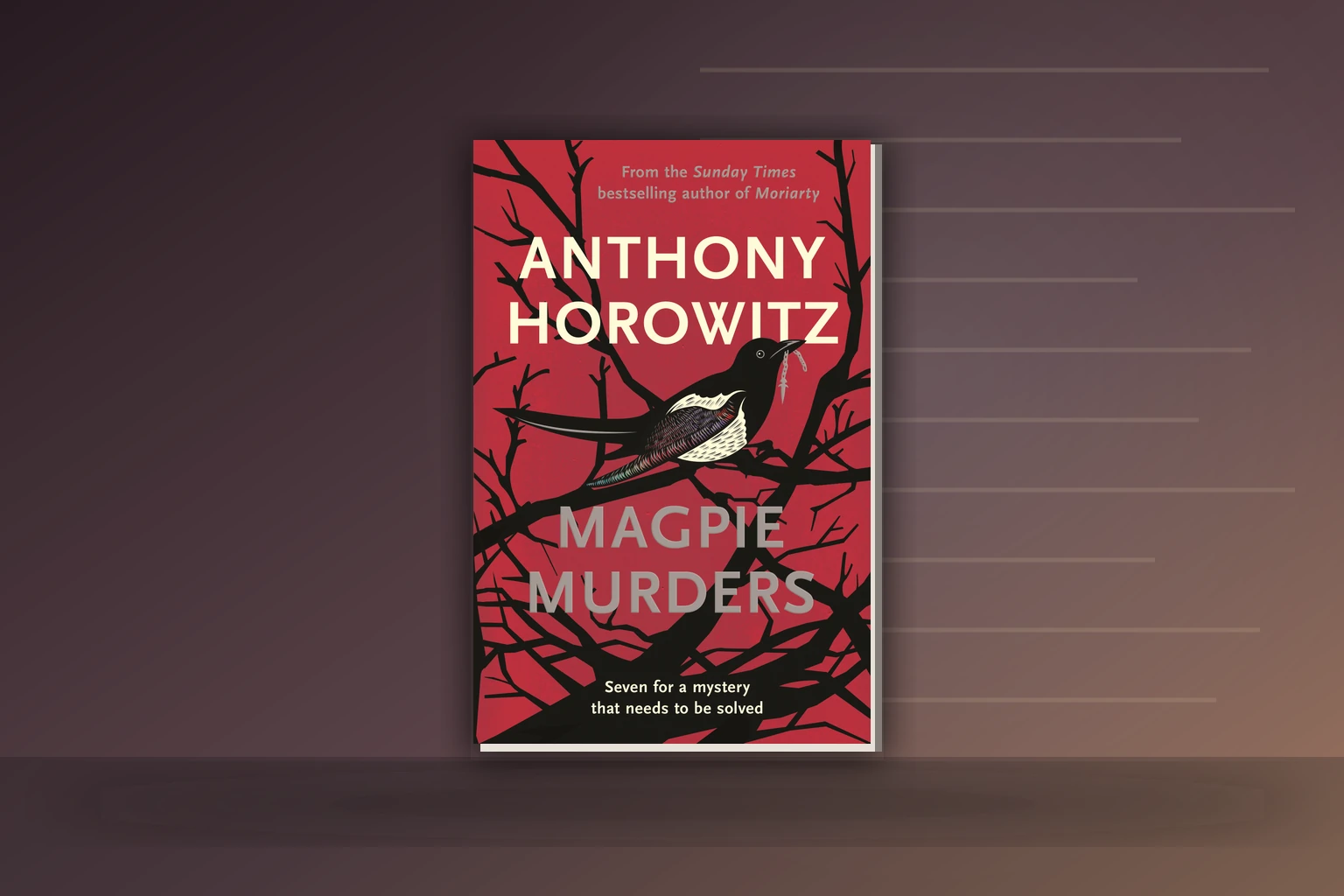
Book cover illustration for Magpie Murders — Anthony Horowitz
Mystery & Detective Fiction•6 minutes of reading

Magpie Murders: The Mystery Hidden Inside the Mystery

Anthony Horowitz puts a village whodunit inside an editor’s investigation, making the habits of crime fiction part of the puzzle. The pleasure lies in watching two kinds of evidence compete for attention.

The nested manuscript gives the classic whodunit a fresh critical frame and asks readers to examine how clues are made.
Noteworthy pointThe nested manuscript gives the classic whodunit a fresh critical frame and asks readers to examine how clues are made.Limitations to noteIts layered design asks for patience and may interrupt readers who prefer one continuous investigation.
Tale24 Score87/100Best for: Readers who enjoy classic detection, books about publishing, and mysteries that examine their own rules.Read the review →
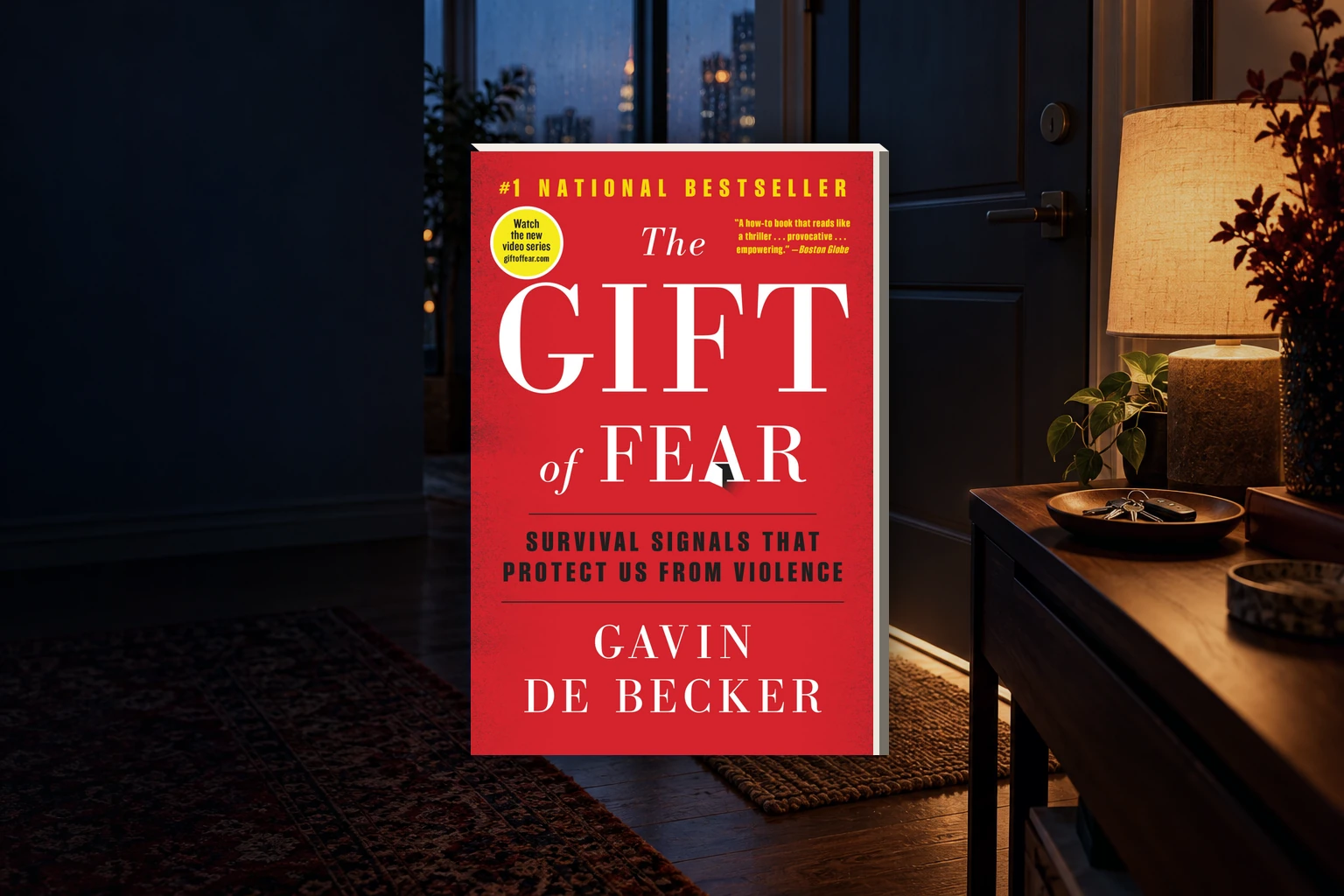
Book cover illustration for The Gift of Fear — Gavin de Becker
Criminal Psychology•6 minutes of reading

The Gift of Fear: Reading Risk Without Living in Fear

Gavin de Becker argues that fear can register patterns of threatening behavior before we can articulate them. The book is most useful when that insight becomes attentive judgment, not a promise of perfect prediction.

A concrete, behavior-centered framework for thinking about threats, boundaries, and the signals people sometimes discount.
Noteworthy pointA concrete, behavior-centered framework for thinking about threats, boundaries, and the signals people sometimes discount.Limitations to noteCase-driven examples can make intuition appear more accurate and universally available than it is in everyday life.
Tale24 Score84/100Best for: Readers interested in violence prevention, threat perception, and the psychology of personal safety.Read the review →
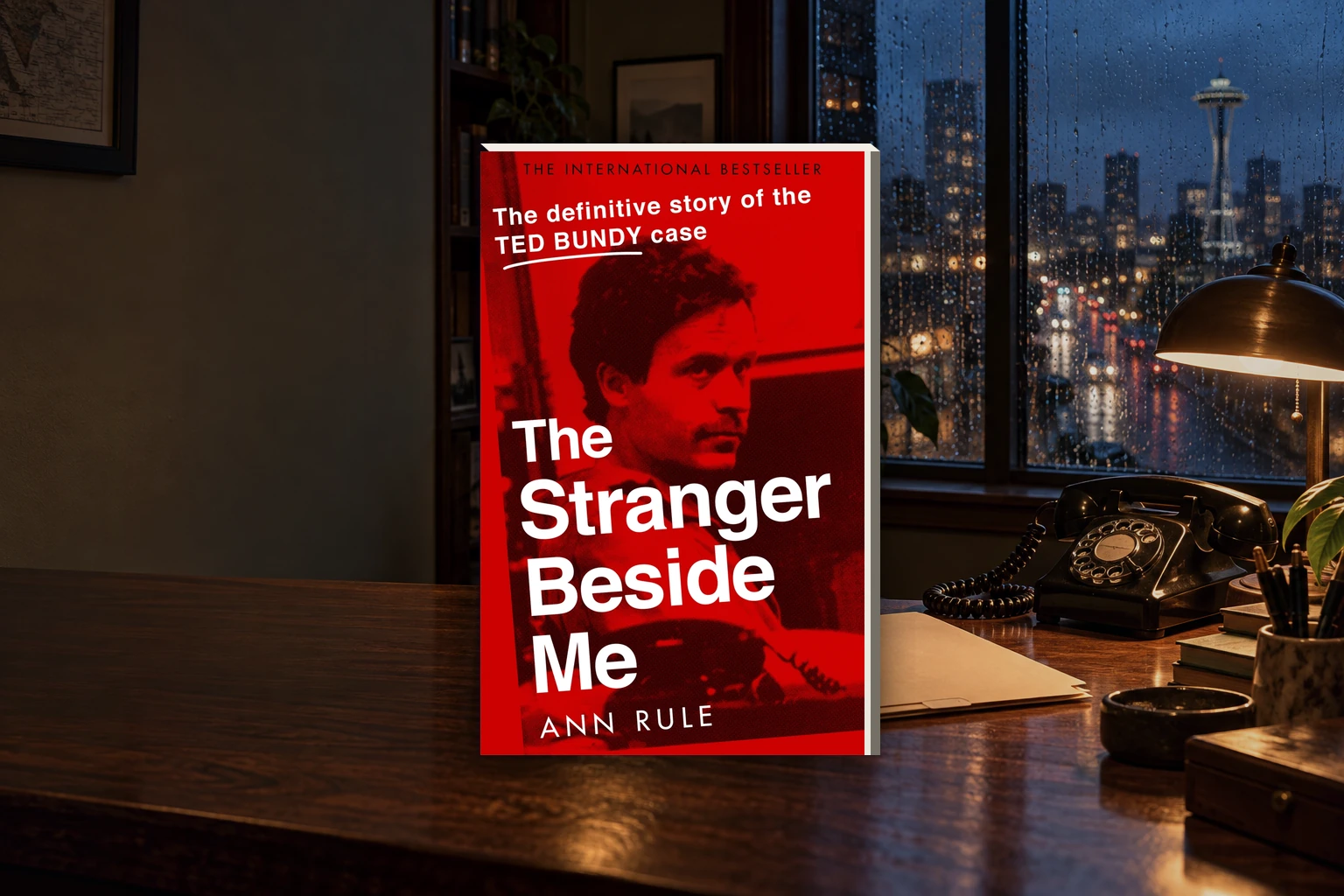
Book cover illustration for The Stranger Beside Me — Ann Rule
True Crime•6 minutes of reading

The Stranger Beside Me: How Familiarity Can Conceal Violence

Ann Rule’s account of knowing Ted Bundy turns true crime into an inquiry about the limits of personal judgment. Its most disturbing insight is how little ordinary familiarity can prove about another person.

The author’s personal connection creates an unusually exacting perspective on trust, hindsight, and divided loyalty.
Noteworthy pointThe author’s personal connection creates an unusually exacting perspective on trust, hindsight, and divided loyalty.Limitations to noteBundy’s notoriety can dominate the frame, requiring readers to keep victims and evidentiary limits in view.
Tale24 Score87/100Best for: Readers interested in the psychology of deception and the ethical tensions of first-person true crime.Read the review →
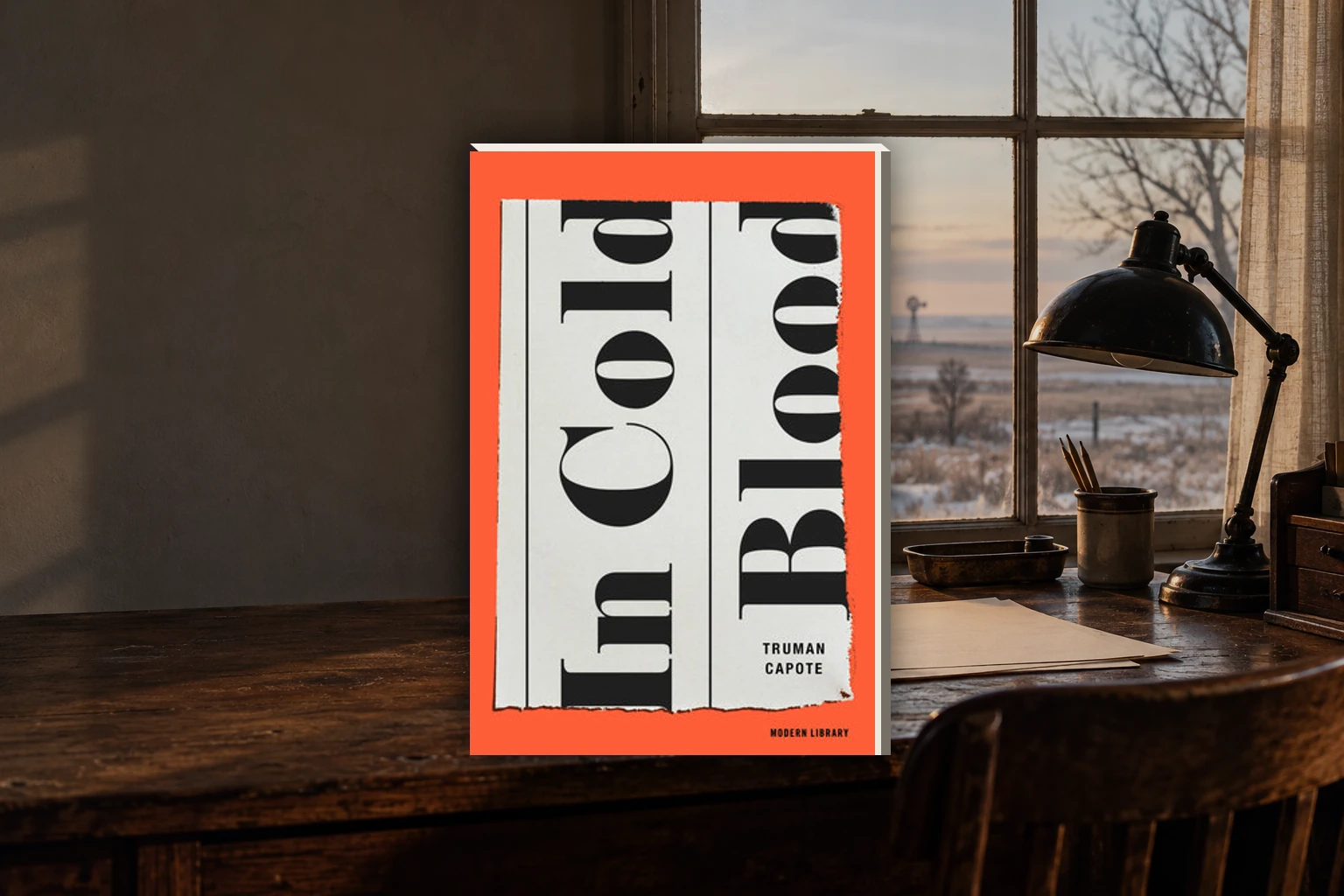
Book cover illustration for In Cold Blood — Truman Capote
True Crime•6 minutes of reading

In Cold Blood and the Dangerous Appeal of Understanding a Killer

Truman Capote’s landmark true-crime narrative asks readers to understand a murder without allowing understanding to become an excuse. Its literary power also makes the boundary between reported fact and shaped scene unusually important.

A formally ambitious account that exposes how motive, sympathy, and narrative structure shape a reader’s judgment.
Noteworthy pointA formally ambitious account that exposes how motive, sympathy, and narrative structure shape a reader’s judgment.Limitations to noteIts novelistic intimacy can make reconstructed interior lives seem more certain than the evidence permits.
Tale24 Score90/100Best for: Readers interested in the ethics of true crime, the psychology of violence, and literary nonfiction.Read the review →
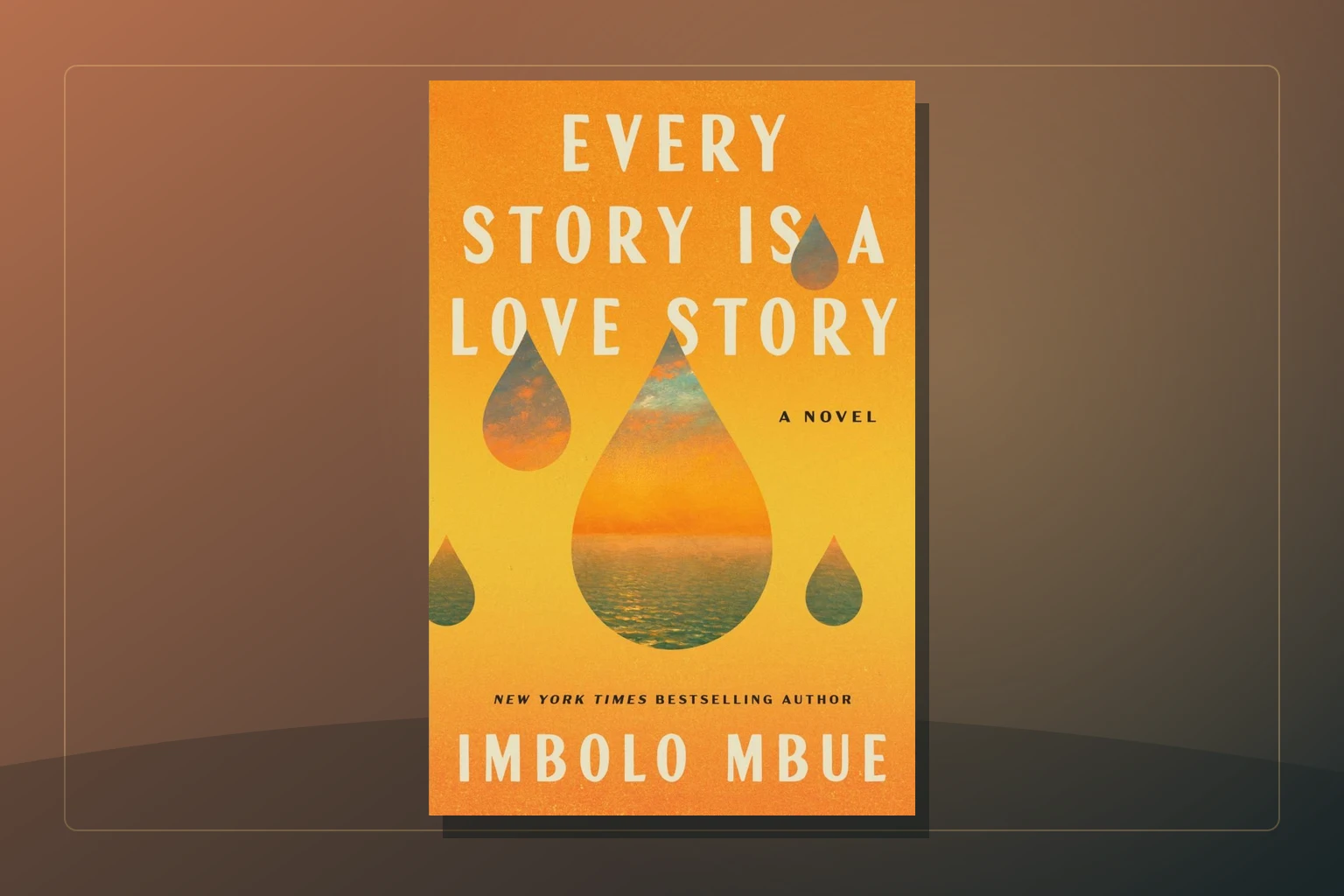
Book cover illustration for Every Story Is a Love Story — Imbolo Mbue (Random House hardcover, ISBN 9798217154777)
Literary Fiction•6 minutes of reading

Every Story Is a Love Story: What Forgiveness Cannot Undo

Imbolo Mbue turns a letter from the woman responsible for a fatal accident into a searching inquiry about grief, accountability, and the limits of forgiveness.

A strong moral premise with room for family, migration, grief, and conflicting ideas of repair.
Noteworthy pointA strong moral premise with room for family, migration, grief, and conflicting ideas of repair.Limitations to noteA dramatic turn around reparation may feel too directed for readers who prefer open-ended moral fiction.
Tale24 Score89/100Best for: Readers of character-led literary fiction interested in grief, family pressure, and difficult forgiveness.Read the review →
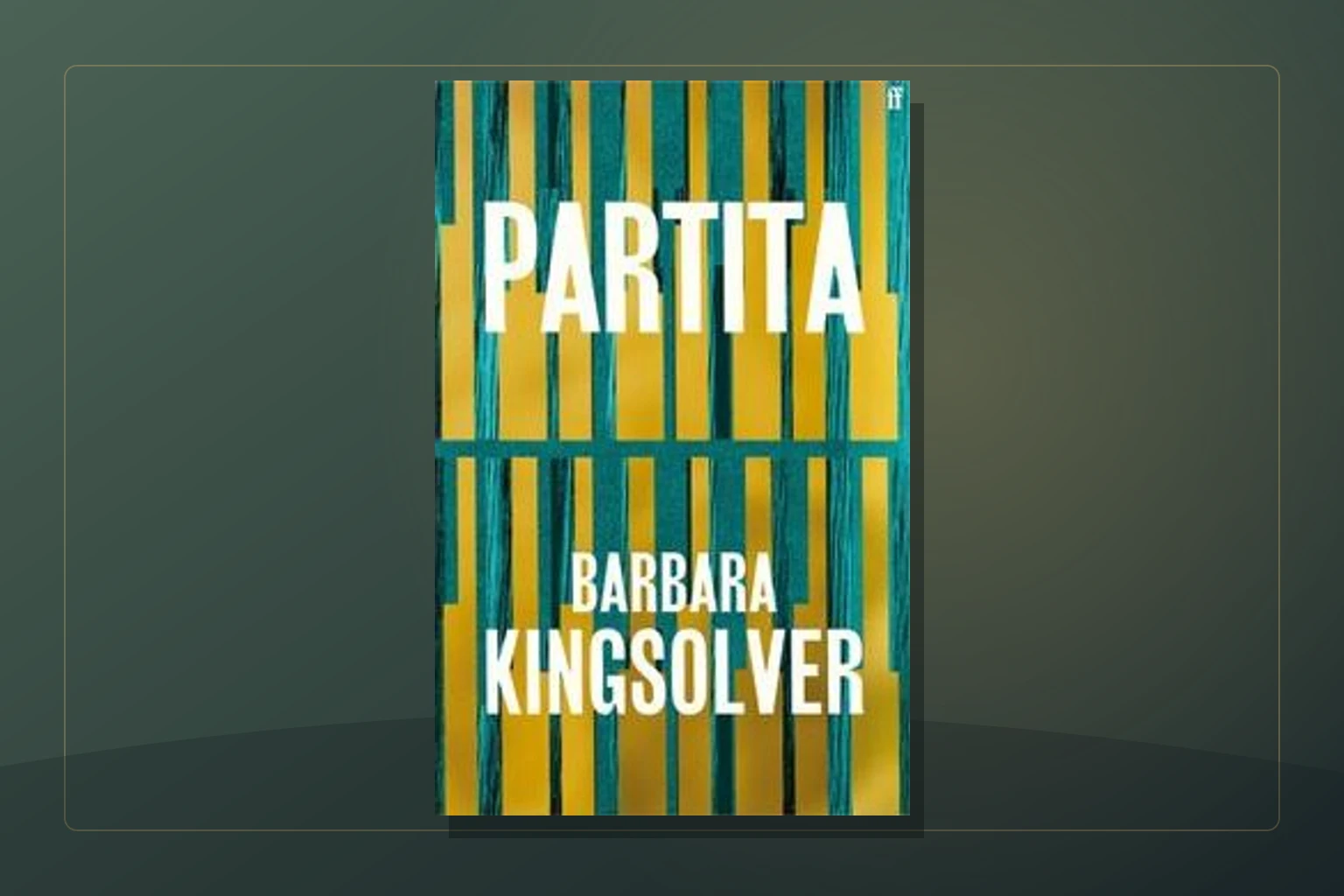
Book cover illustration for Partita — Barbara Kingsolver (Faber hardback, ISBN 9780571404711)
Literary Fiction•6 minutes of reading

Partita: Barbara Kingsolver and the Music of an Unlived Life

A former pianist's unexpected reunion opens a question about art, class, and the lives we build around ambitions that never quite leave us.

A resonant premise that connects musical ambition, class, grief, and midlife reassessment.
Noteworthy pointA resonant premise that connects musical ambition, class, grief, and midlife reassessment.Limitations to noteThe reflective, two-period structure and occasional explanatory dialogue may slow readers seeking a brisk romance.
Tale24 Score88/100Best for: Readers of literary fiction about art, rural life, memory, and the complicated cost of compromise.Read the review →
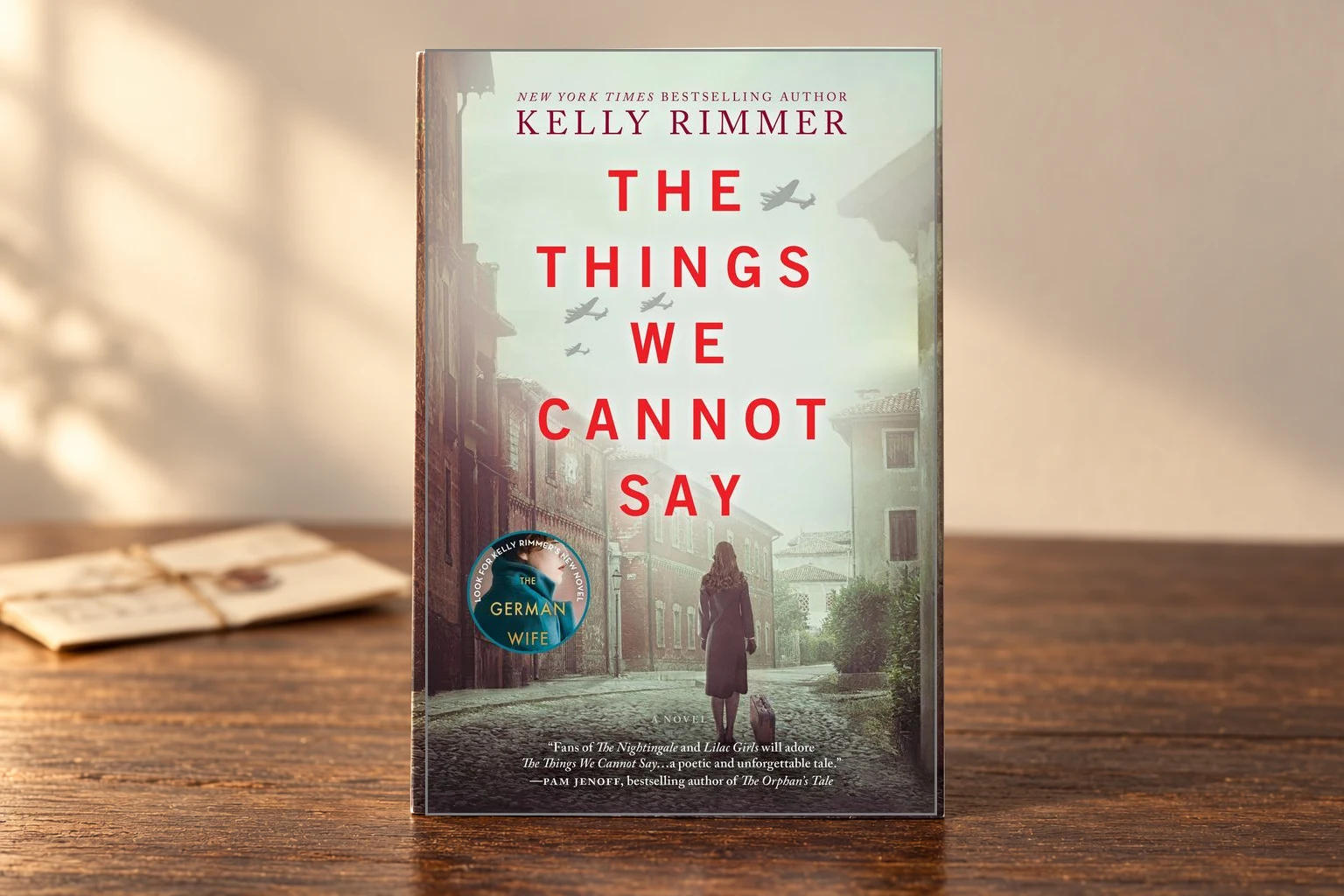
Book cover illustration for The Things We Cannot Say — Kelly Rimmer (MIRA trade paperback)
Historical Fiction•6 minutes of reading

The Things We Cannot Say: The Cost of Silence Across Generations

Kelly Rimmer moves between wartime Poland and a modern family search to ask what silence protects, what it obscures, and how patiently another generation must listen.

A compelling dual timeline that links family memory, wartime uncertainty, and the difficult work of listening.
Noteworthy pointA compelling dual timeline that links family memory, wartime uncertainty, and the difficult work of listening.Limitations to noteThe alternating crises and heightened emotion may feel engineered to readers who prefer a quieter historical novel.
Tale24 Score88/100Best for: Readers of historical fiction and family mysteries interested in intergenerational memory and caregiving.Read the review →

TALE24 EDITORIAL PROCESS

Human judgment behind every review

Each article moves through research, editing and publication checks. The responsible editor remains accountable for the final work.

01

Research

Establish the source and question

Check the book details, material facts and the review's critical angle.

02

Editing

Test the argument

Distinguish evidence from opinion and make the strengths and limits clear.

03

Publication

Check the reader experience

Verify images, metadata, links and the article's final presentation.

TALE24 METHODOLOGY

Three Pillars of Content

Critical standards help readers select worthwhile ideas in an age of information overload.

01

Refining the Essence

The summary is concise but does not impoverish the value of the original work. The context and core ideas are always preserved.

Save time, double the depth
02

Multidimensional Criticism

Evaluate the pros and cons with a fair attitude, not commercial flattery.

Never compromise with superficiality
03

Consistent Scoring

A 100-point scale with clear criteria helps readers choose the right book for their goals.

A transparent editorial framework
EDITORIAL MANIFESTO • TALE24 MANIFESTCIRCULATE WITH READERS
“We believe that in an era of quick quotes, the patience to fully understand an idea is the rarest but most valuable quality.”

Tale24 is not born to encourage you to read more in quantity. Our mission is to be a quiet critical companion: distilling valuable ideas, deciphering the layers of meaning behind words, and courageously questioning the obvious.

APPROVED BYTale24 Editorial Board Quality independent appraisal
Committed to real content & advertising transparency

Tale24 separates editorial content from advertising. Automated advertising does not change the critical conclusions.

Learn about the disclosure policy