
Editorial independence
No sponsorship is accepted to alter the conclusions or scores of reviews.
No disguised advertisingRead with greater care
Understand every story more deeply
No sponsorship is accepted to alter the conclusions or scores of reviews.
No disguised advertisingEvery draft is checked for clarity, sourcing, and the limits of its claims before publication.
AI-assisted, human-accountableOur transparent score reflects depth, argument quality, originality, and practical value.
A consistent evaluation frameworkEDITOR’S PICKS
Carefully read, researched, and challenged by the Tale24 editorial team.
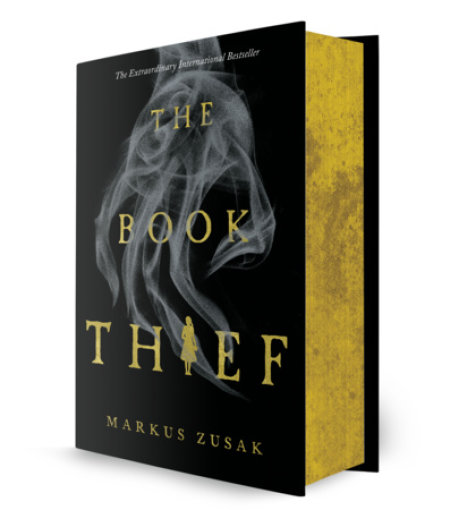
Markus Zusak gives Death the narration and a foster child the books. The novel asks what reading can protect when public language is turned toward persecution.
An unusual narrative voice and a powerful link between literacy, care, and resistance.
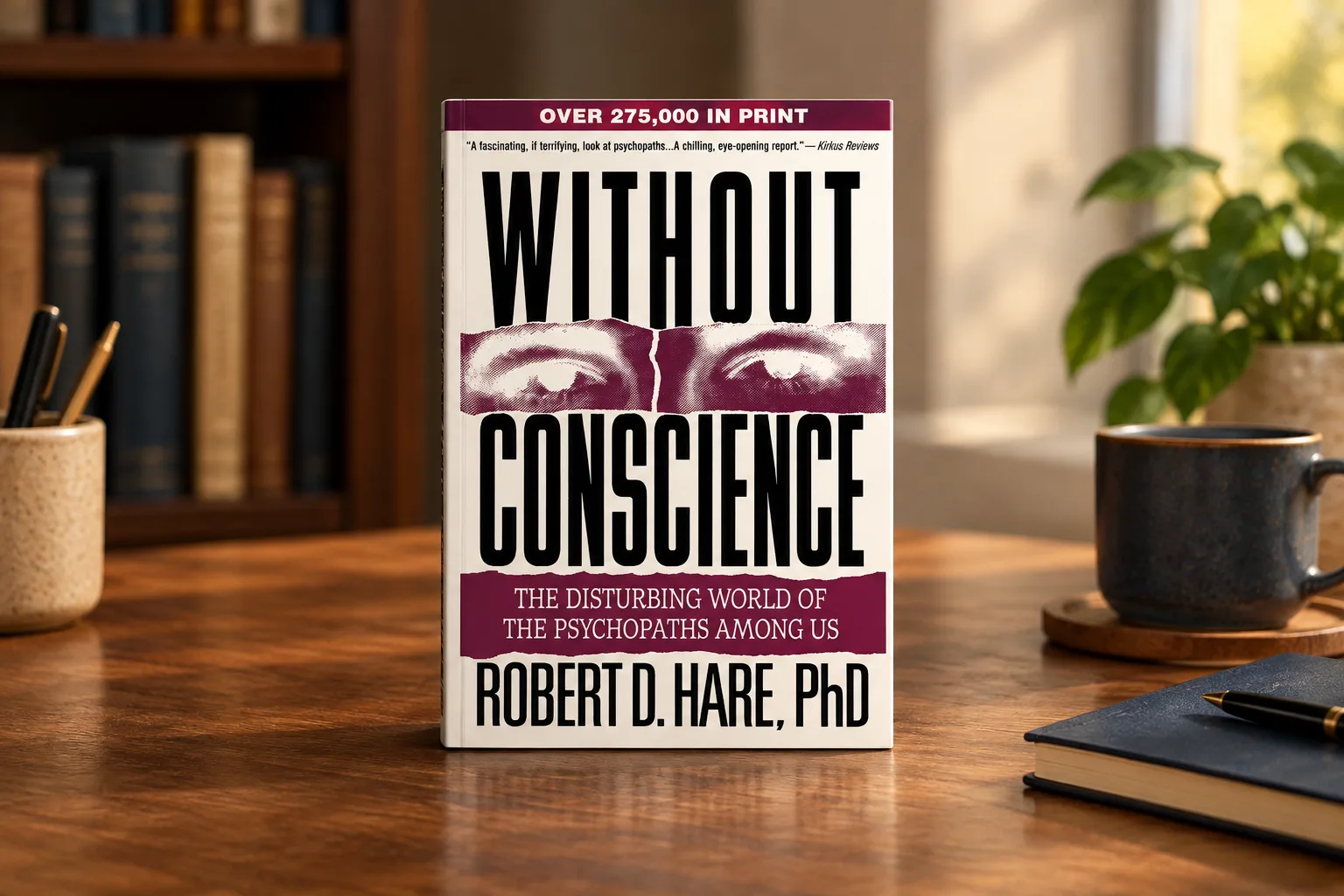
Robert D. Hare gives readers a language for persistent exploitation. The book also shows why recognizing harmful behavior is different from diagnosing a person at a distance.
Clear explanation of recurring traits; connects clinical ideas to conduct beyond sensational crimes.
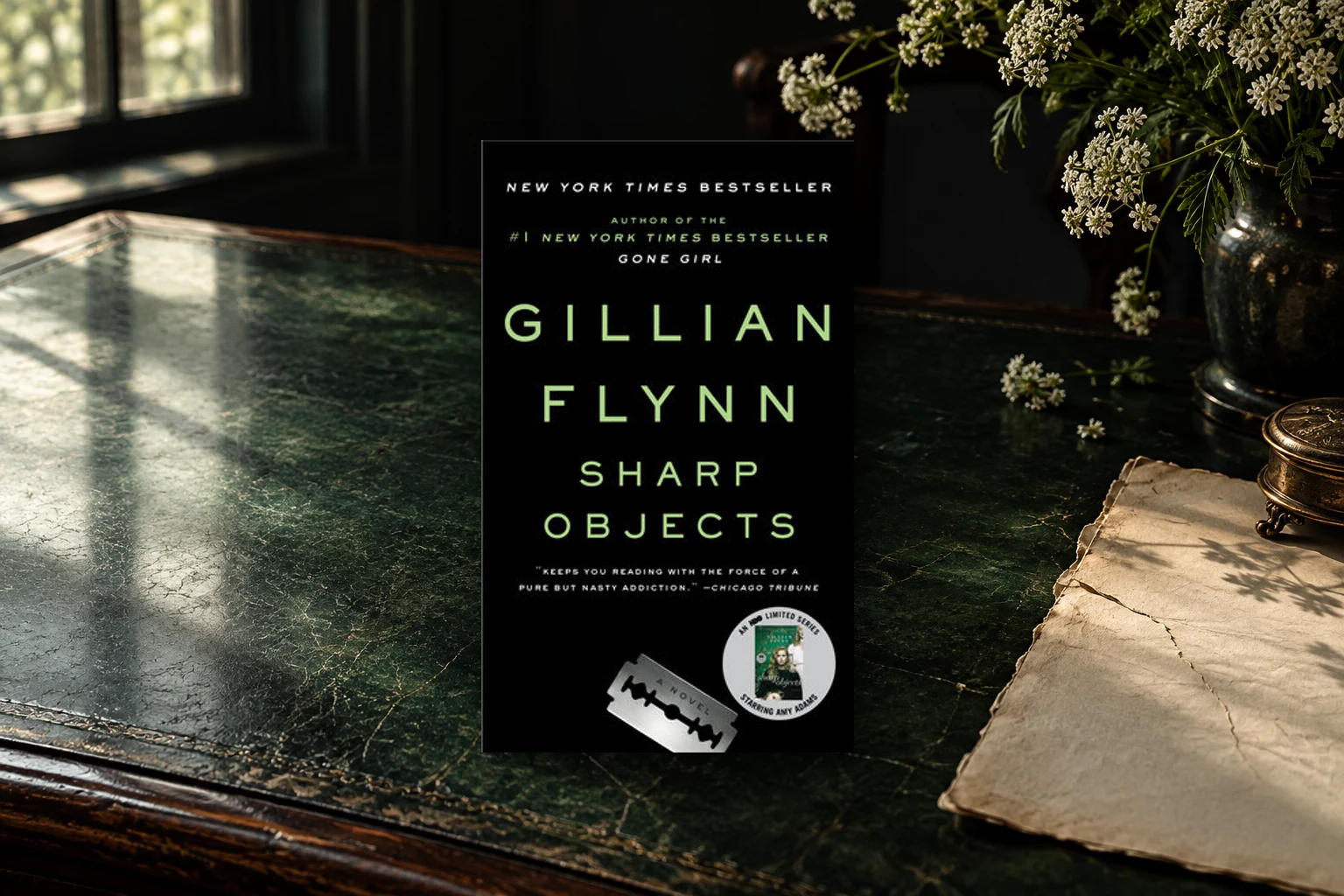
Gillian Flynn sends a reporter home to cover murdered girls and confront the family history she would rather keep at a distance. The investigation unsettles the boundary between telling another person’s story and surviving one’s own.
A strong convergence of crime reporting, family power, and a claustrophobic small-town atmosphere.
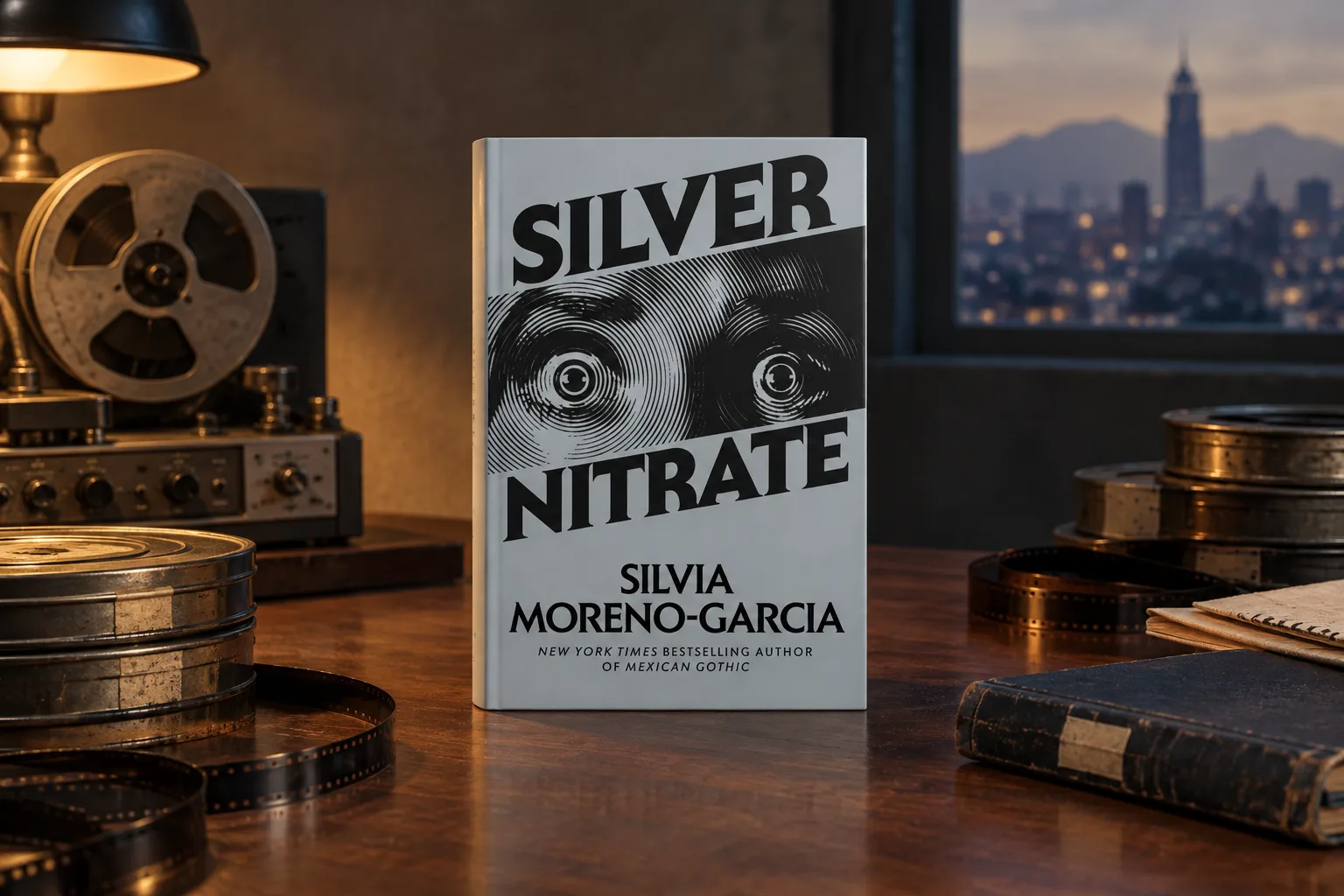
A sound editor’s practical knowledge of film meets a lost-movie curse, binding production craft, analog cinema, friendship, and occult belief.
The excerpt makes sound editing and insecure work tangible; Elizabeth Hand’s review recognizes the analog film texture and friendship while offering a fair pacing reservation.
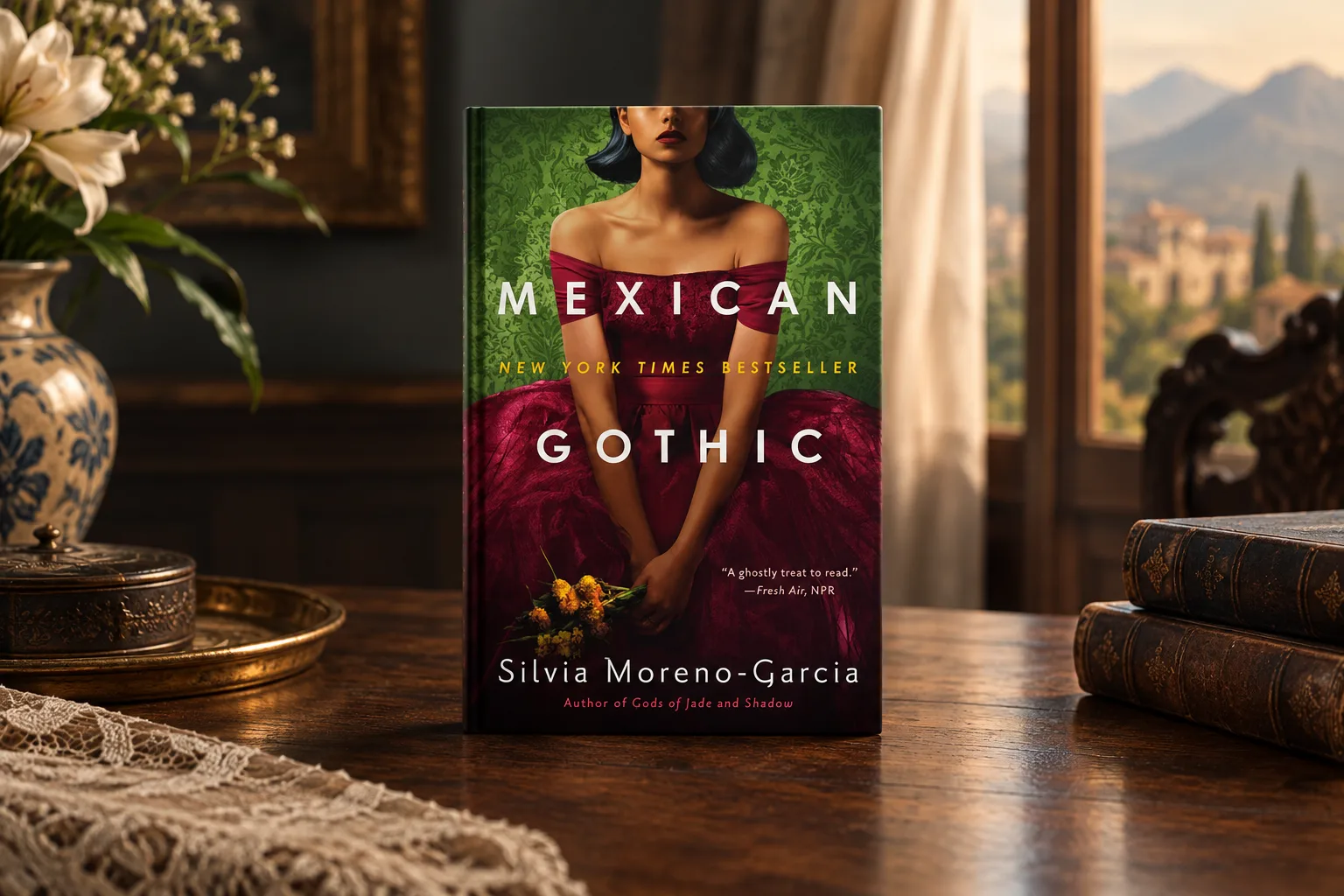
Noemí’s social confidence meets the authority of an isolated family estate, while critical debate asks how far the novel’s anticolonial Gothic vision extends.
The opening gives Noemí agency and makes credibility a social question; contrasting scholarship creates a thoughtful discussion of gender, race, and Gothic conventions.
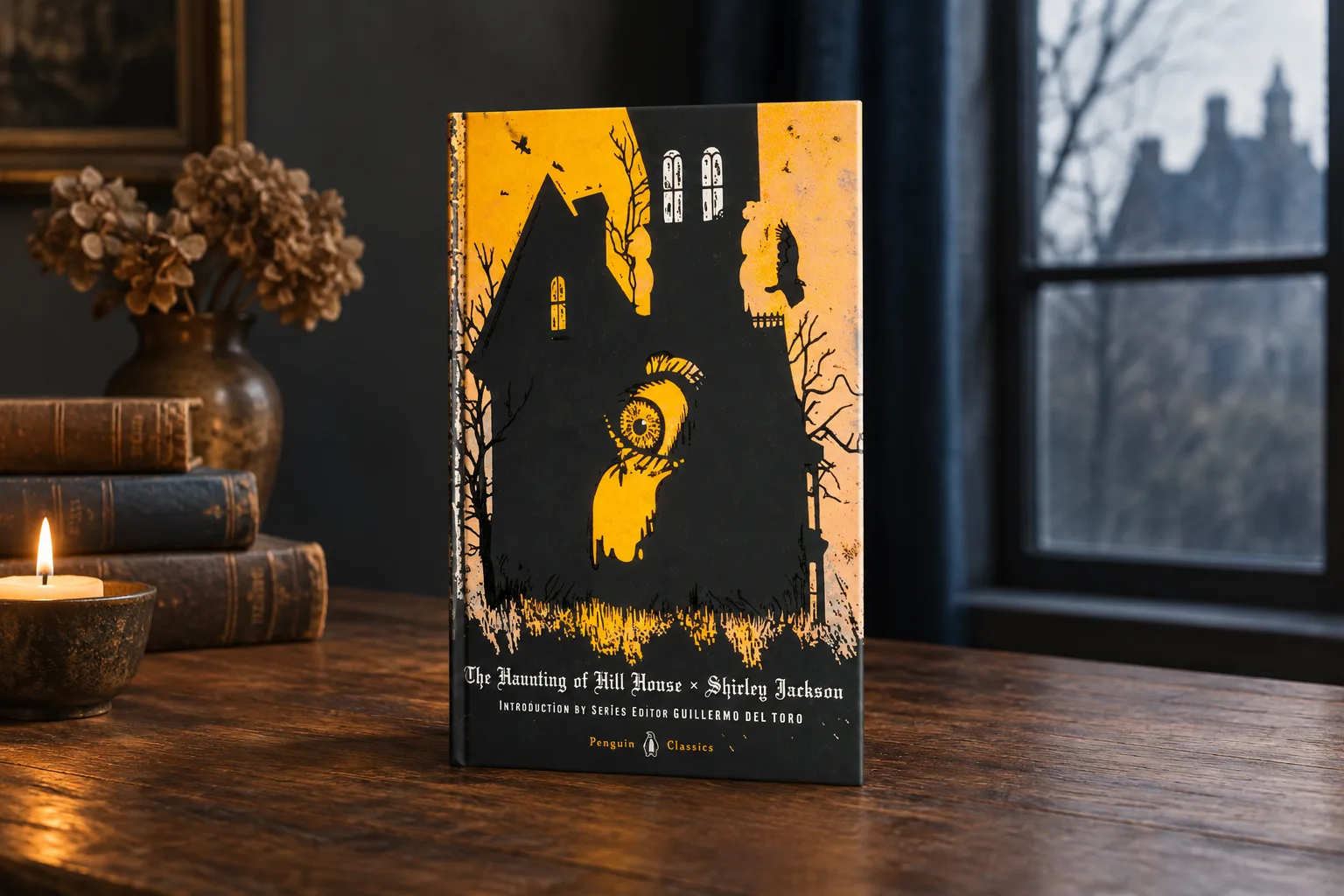
A measured description of a house becomes unsettling when domestic order, scholarly ambition, and Eleanor’s uncertain point of view begin to blur.
The opening pairs precise architectural language with unease; criticism by Hilarie Ashton and Mara Terese Gawarecki adds useful readings of point of view and domestic space.
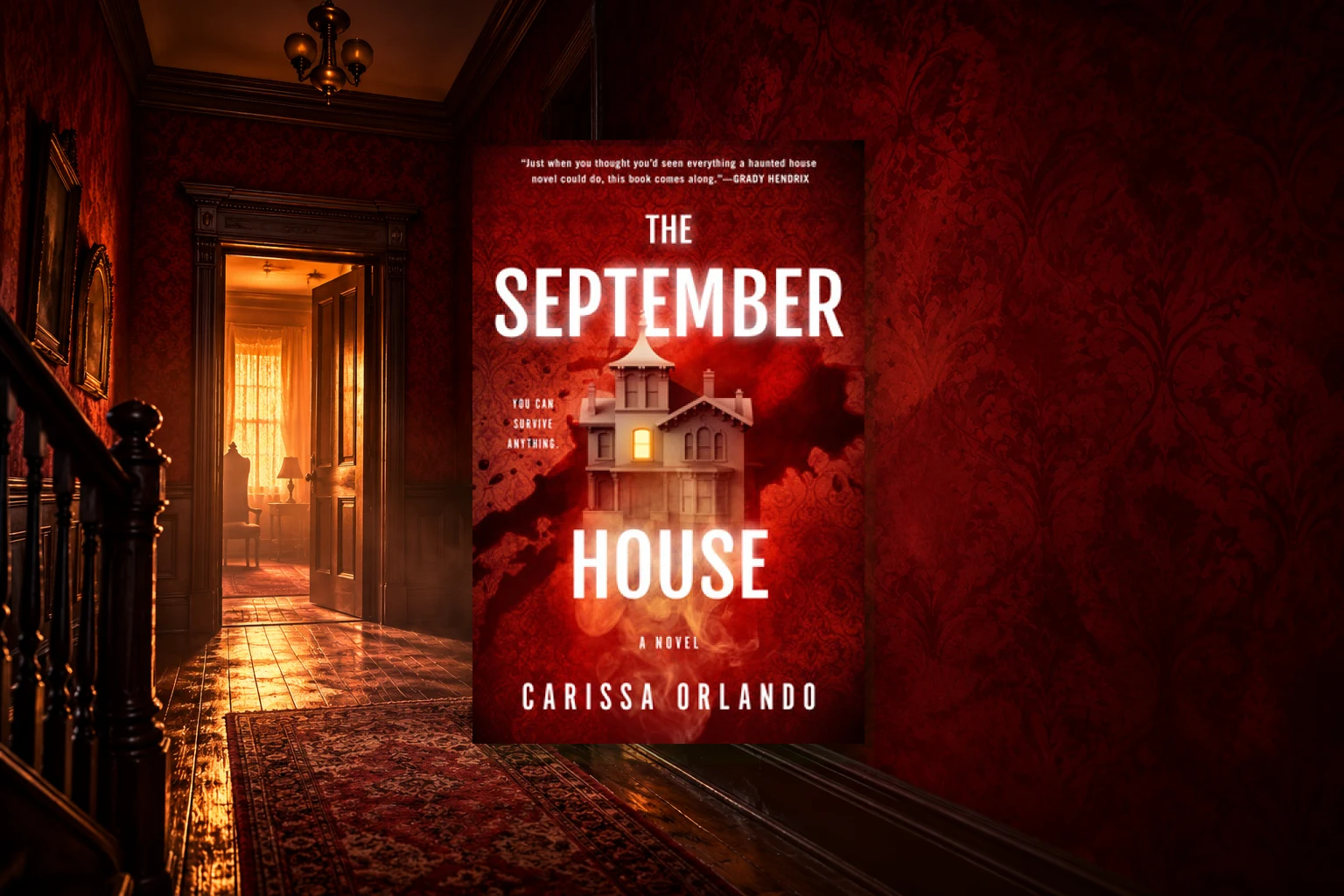
Carissa Orlando gives a haunted-house story a stubbornly practical heroine who refuses to leave. Her dry routines make the ghosts funny, frightening, and inseparable from the family’s buried tensions.
A vivid, darkly funny narrator refreshes haunted-house conventions and gives the family conflict emotional weight.
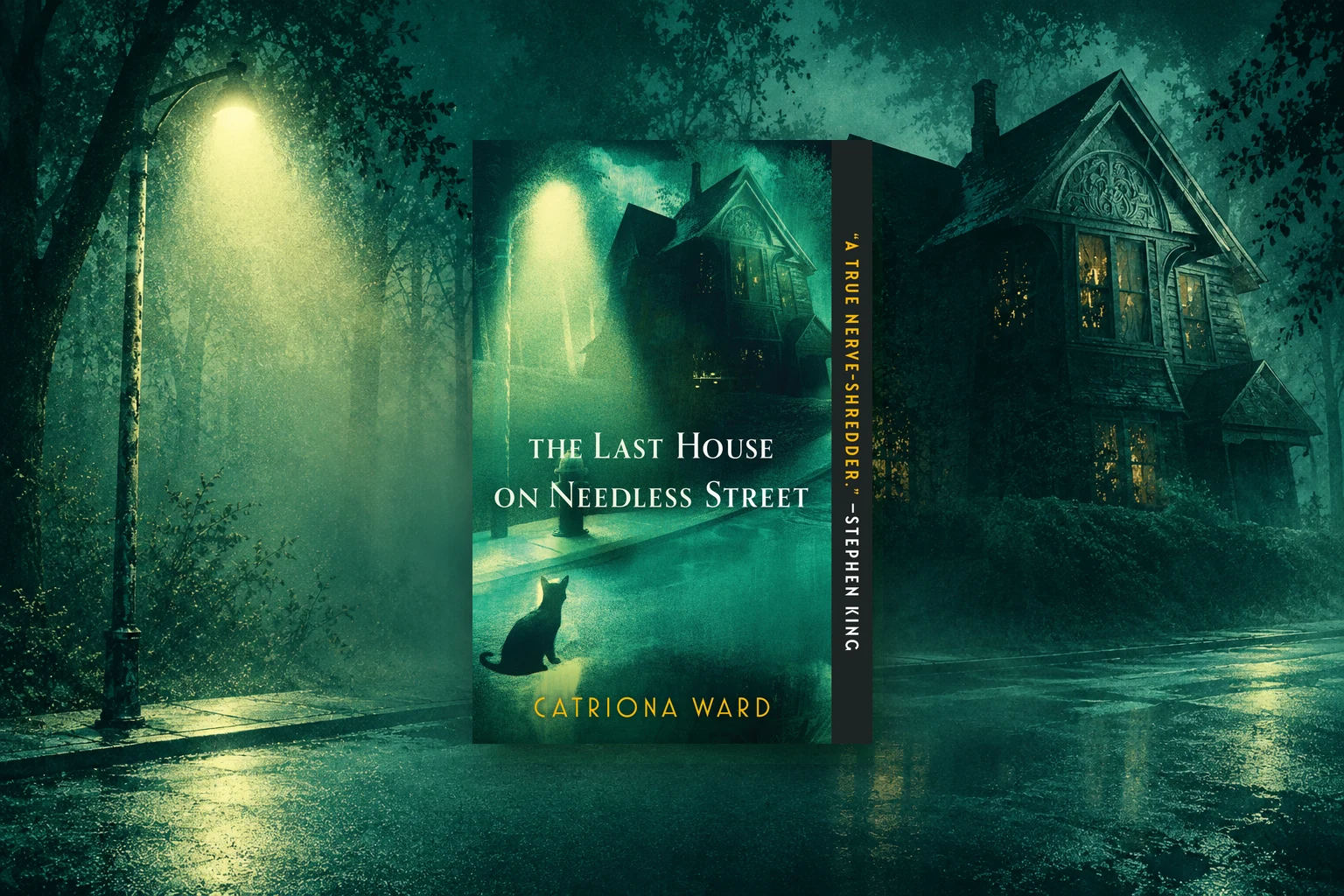
Catriona Ward makes a house, a missing child, and fractured accounts of ordinary life feel unstable from the first pages. Its deeper horror lies in how quickly fear becomes certainty about another person.
Bold shifts in perspective turn a familiar ominous house into a sustained inquiry about memory and judgment.
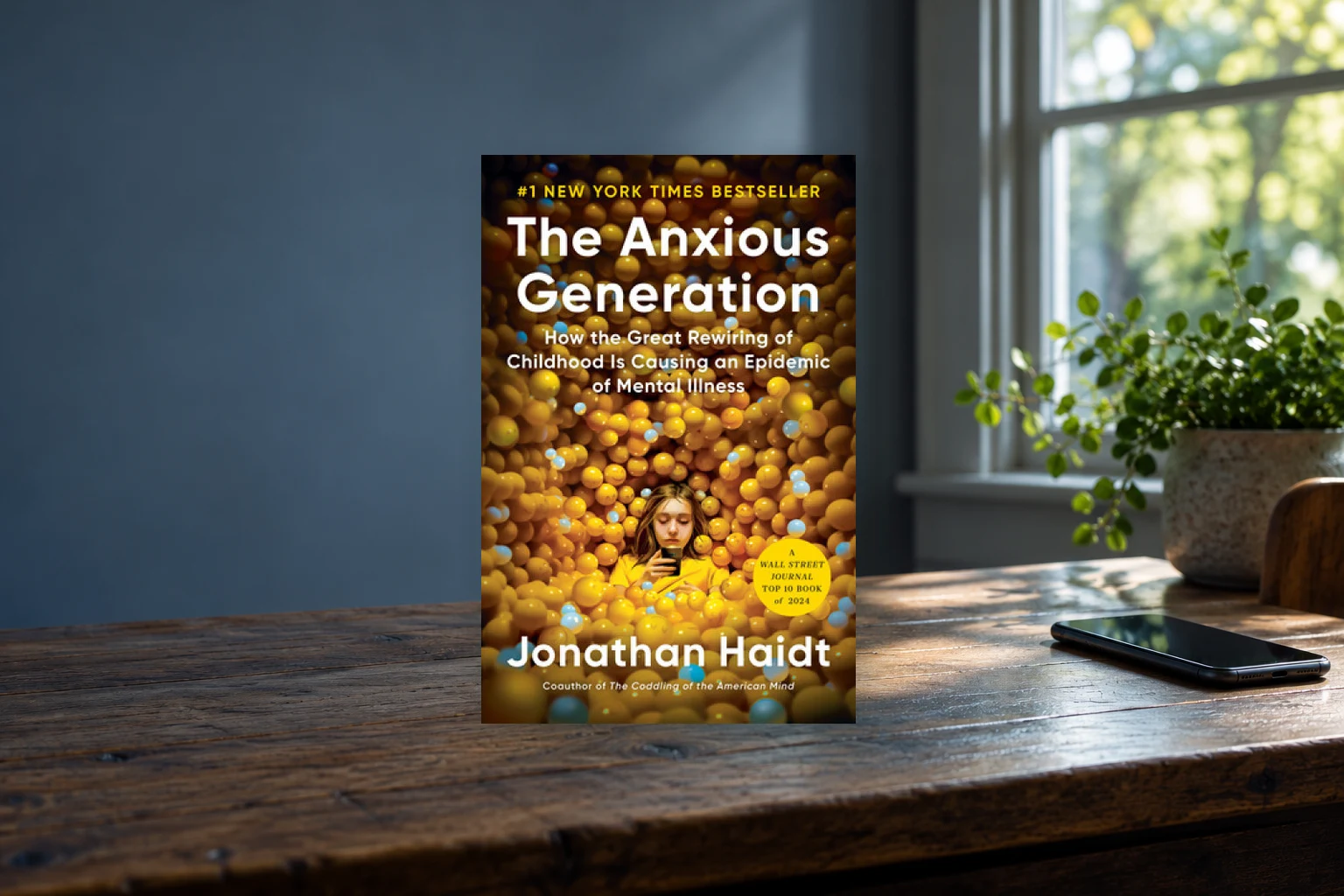
Jonathan Haidt links a phone-based childhood to adolescent distress and calls for collective change. His argument opens a needed discussion about play and digital life, while its causal certainty remains contested.
A clear public framework connects digital design, childhood independence, and collective action.
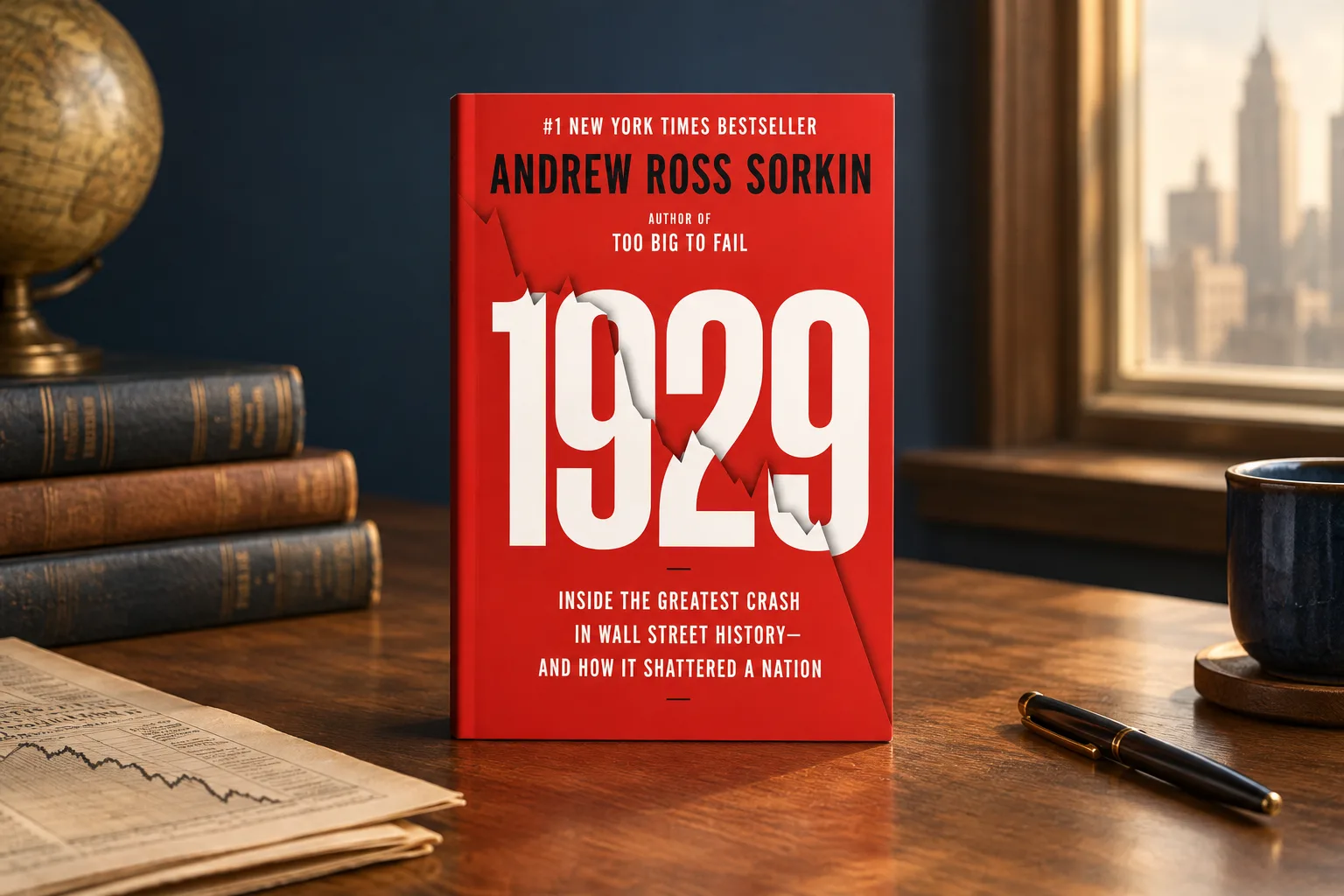
Andrew Ross Sorkin turns the Wall Street crash into a story of decisions, incentives, and misplaced confidence. The history is most useful when read as an inquiry into how crises are made, not as a prediction of the next one.
Vivid archival narrative makes the decisions and confidence behind a financial crisis legible.
TALE24 EDITORIAL PROCESS
Each article moves through research, editing and publication checks. The responsible editor remains accountable for the final work.
Check the book details, material facts and the review's critical angle.
Distinguish evidence from opinion and make the strengths and limits clear.
Verify images, metadata, links and the article's final presentation.
TALE24 METHODOLOGY
Critical standards help readers select worthwhile ideas in an age of information overload.
The summary is concise but does not impoverish the value of the original work. The context and core ideas are always preserved.
Save time, double the depthEvaluate the pros and cons with a fair attitude, not commercial flattery.
Never compromise with superficialityA 100-point scale with clear criteria helps readers choose the right book for their goals.
A transparent editorial framework“We believe that in an era of quick quotes, the patience to fully understand an idea is the rarest but most valuable quality.”
Tale24 is not born to encourage you to read more in quantity. Our mission is to be a quiet critical companion: distilling valuable ideas, deciphering the layers of meaning behind words, and courageously questioning the obvious.
Tale24 separates editorial content from advertising. Automated advertising does not change the critical conclusions.