Read with greater care
Understand every story more deeply

100%

Editorial independence

No sponsorship is accepted to alter the conclusions or scores of reviews.

No disguised advertising
2

Review stages

Every draft is checked for clarity, sourcing, and the limits of its claims before publication.

AI-assisted, human-accountable
100

Point review scale

Our transparent score reflects depth, argument quality, originality, and practical value.

A consistent evaluation framework

EDITOR’S PICKS

In-depth reviews and essays

Carefully read, researched, and challenged by the Tale24 editorial team.
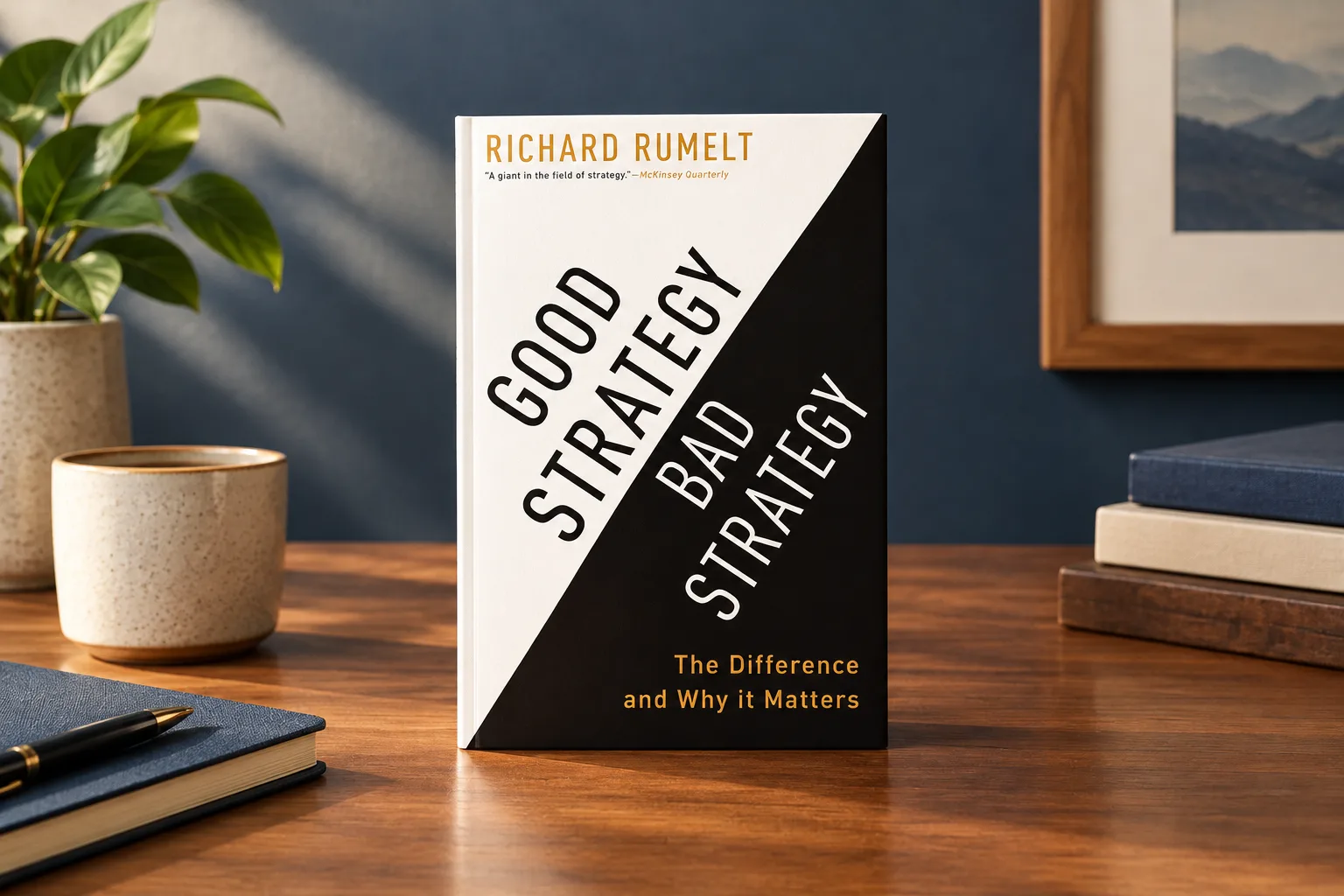
Book cover illustration for Good Strategy/Bad Strategy: The Difference and Why It Matters — Richard Rumelt
Books & Ideas•7 minutes of reading

Good Strategy/Bad Strategy and the Work of Diagnosis

Rumelt separates a real response to an obstacle from slogans and targets. This practical framework makes strategic thinking clearer, while reminding readers that diagnosis still depends on local evidence.

A memorable structure for diagnosing challenges; clear distinction between strategic choices and aspirations; varied examples across business and public life.
Noteworthy pointA memorable structure for diagnosing challenges; clear distinction between strategic choices and aspirations; varied examples across business and public life.Limitations to noteExamples are selective and date from their own contexts; the framework cannot replace local research; coherent choices still carry tradeoffs and can be wrong.
Tale24 Score85/100Best for: Managers, founders, students, and nonprofit leaders who want to evaluate whether a plan responds coherently to a specific challenge.Read the review →
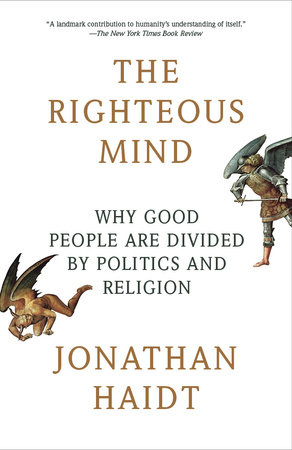
Book cover illustration for The Righteous Mind: Why Good People Are Divided by Politics and Religion — Jonathan Haidt
Psychology & Life Skills•6 minutes of reading

The Righteous Mind and the Limits of Moral Maps

Jonathan Haidt’s account of moral intuition can make political disagreement easier to understand, but its memorable categories work best as questions to test—not a complete map of every person’s moral life.

An accessible framework for noticing moral concerns beyond harm and fairness; encourages readers to examine opponents’ values rather than dismissing them.

Noteworthy pointAn accessible framework for noticing moral concerns beyond harm and fairness; encourages readers to examine opponents’ values rather than dismissing them.Limitations to noteThe categories can appear more universal or fixed than the evidence warrants; group patterns should not be mistaken for individual explanations.
Tale24 Score80/100Best for: Readers interested in moral psychology, political disagreement, and the ways people justify their values; best read alongside current specialist research.Read the review →
Book cover illustration for The Birthing Tree by Amanda Peters
Literary Fiction•7 minutes of reading

The Birthing Tree and the Stories a Community Keeps

Amanda Peters places a speaking tree at the center of a family history shaped by birth, inherited knowledge, and silence. The novel asks how a community carries its past when the institutions around it refuse to recognize its ways of care.

A distinctive narrative witness; links family memory, land, and women’s knowledge.
Noteworthy pointA distinctive narrative witness; links family memory, land, and women’s knowledge.Limitations to noteThe family mystery and speaking tree risk simplifying the histories they carry.
Tale24 Score90/100Best for: Readers of intergenerational literary fiction, Indigenous histories, and stories rooted in land and community.Read the review →
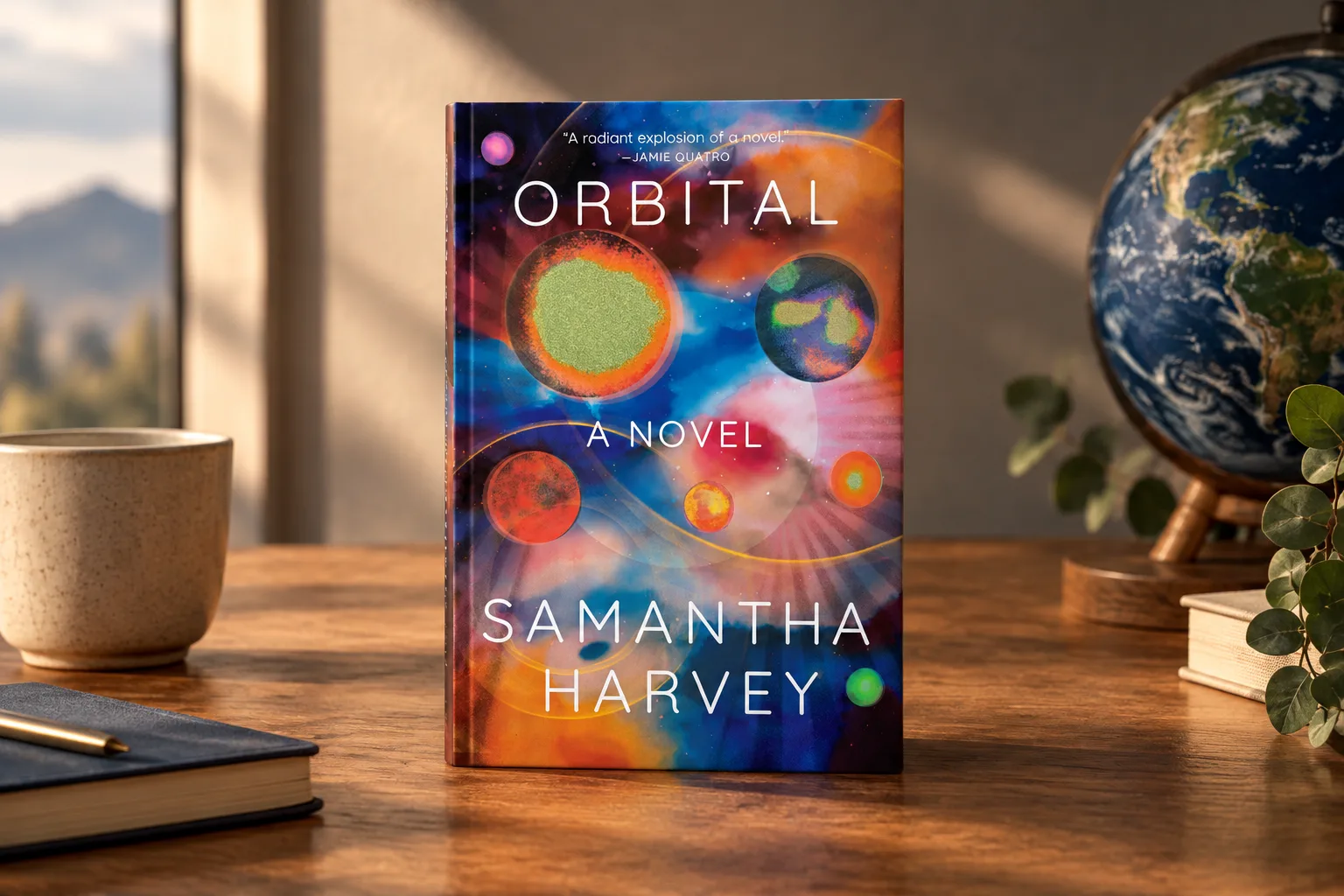
Book cover illustration for Orbital — Samantha Harvey
Literary Fiction•7 minutes of reading

Orbital and the Earth Seen as Home

Samantha Harvey turns a day in orbit into a study of how attention changes when Earth becomes both view and home. Orbital’s lyric scale is its great strength—and the reason readers seeking conventional plot or deeply developed character arcs may feel held at a distance.

A distinctive orbital structure joins vivid planetary observation to the crew’s bodily routines, grief, and interdependence.
Noteworthy pointA distinctive orbital structure joins vivid planetary observation to the crew’s bodily routines, grief, and interdependence.Limitations to noteThe limited backstories and lack of a conventional dramatic arc can leave the crew less developed than the novel’s ideas and descriptions.
Tale24 Score89/100Best for: Readers drawn to lyrical literary fiction, environmental themes, space settings, and reflective rather than plot-driven novels.Read the review →
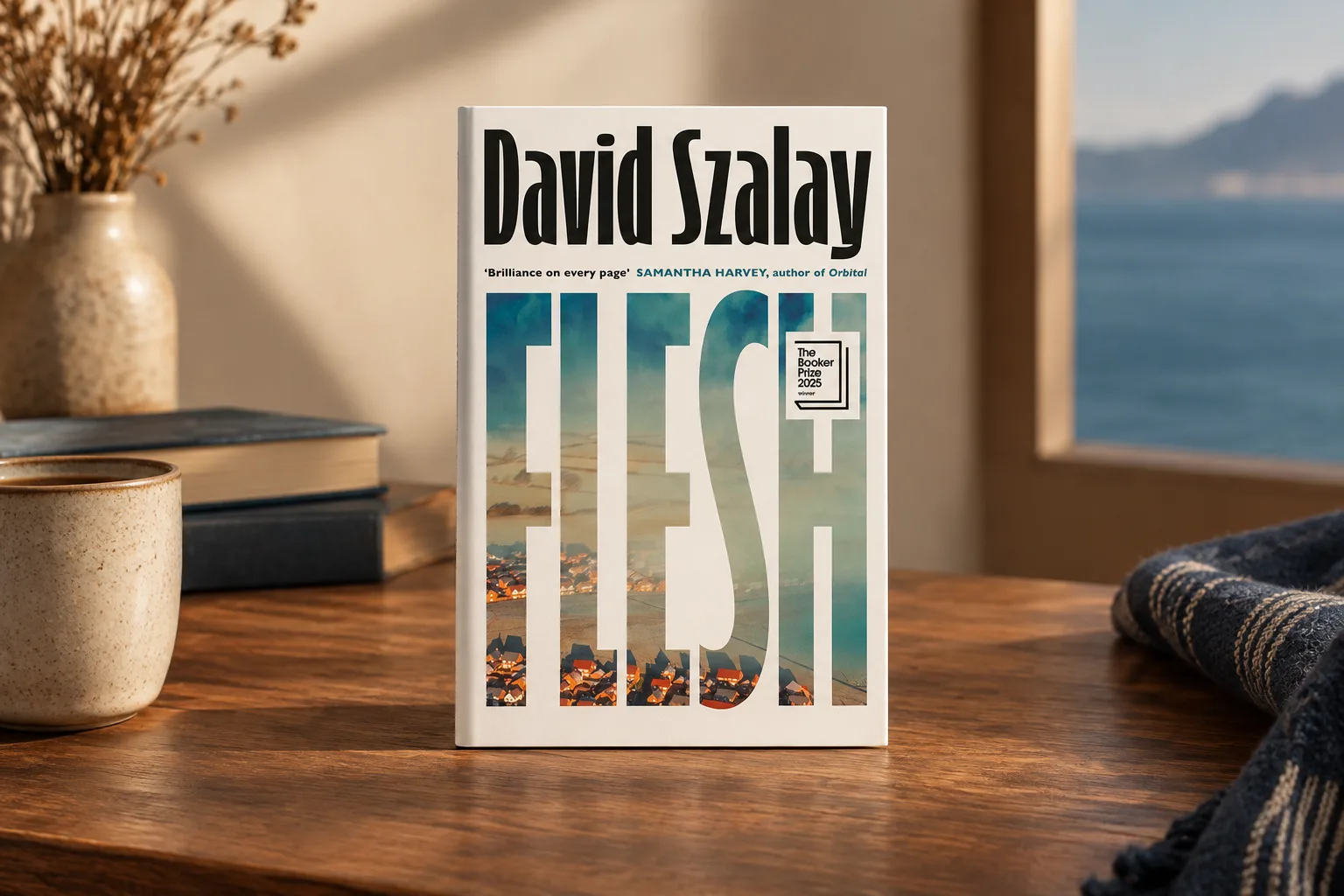
Book cover illustration for Flesh — David Szalay
Literary Fiction•7 minutes of reading

Flesh and the Life We Barely Choose

David Szalay builds a life story out of silences, bodily experience, and the years a conventional novel might explain. Flesh asks whether a person can be understood through the forces that move him when he cannot—or will not—name what he wants.

A formally bold life story; spare prose and temporal gaps make silence, class, and bodily experience part of the novel’s meaning.
Noteworthy pointA formally bold life story; spare prose and temporal gaps make silence, class, and bodily experience part of the novel’s meaning.Limitations to noteIstván’s limited interiority can make emotional connection difficult, while the large time jumps sometimes leave relationships and causality deliberately unresolved.
Tale24 Score91/100Best for: Readers of formally adventurous literary fiction interested in masculinity, class, migration, and the limits of self-knowledge.Read the review →
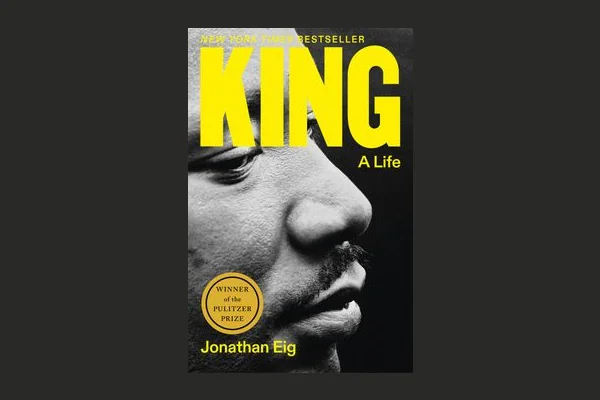
Book cover illustration for King: A Life — Jonathan Eig
Biography & History•7 minutes of reading

King: A Life and the Cost of Making an Icon Human

Jonathan Eig’s biography uses fresh archival material to place Martin Luther King Jr.’s public courage beside his private doubts and the collective movement around him.

Broad research, attention to Coretta Scott King and fellow activists, and a human scale for a public figure
Noteworthy pointBroad research, attention to Coretta Scott King and fellow activists, and a human scale for a public figureLimitations to noteIts substantial length and intimate focus require readers to keep the wider movement in view
Tale24 Score94/100Best for: Readers of biography, civil rights history, and American political thoughtRead the review →
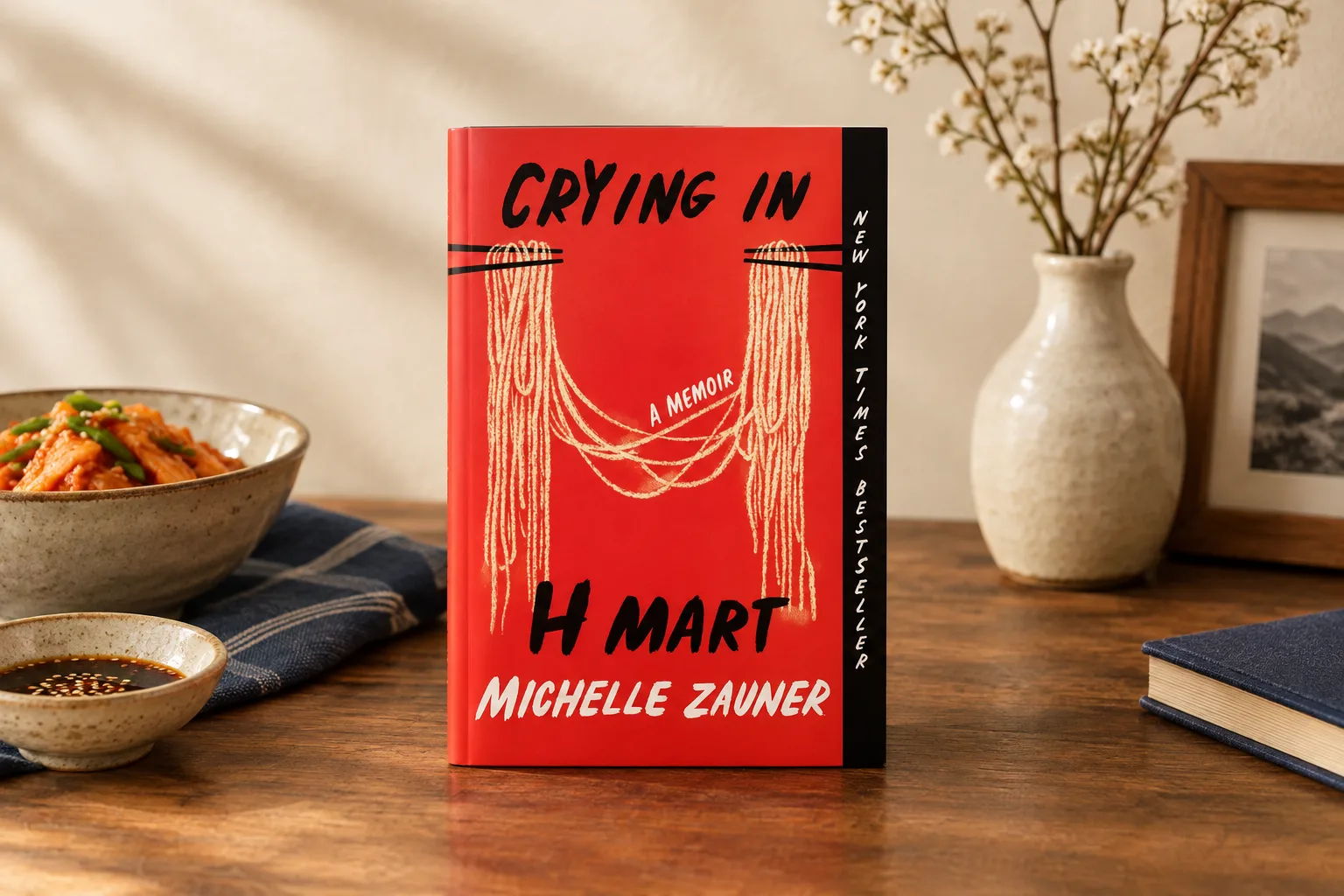
Book cover illustration for Crying in H Mart — Michelle Zauner (Vintage paperback, ISBN 9781984898951)
Memoir & Culture•6 minutes of reading

Crying in H Mart: Food, Memory, and the Language of Grief

Michelle Zauner’s memoir follows grief through Korean food and family memory, asking how inherited rituals can preserve a complicated mother-daughter bond without simplifying loss.

Sensory precision and an unsentimental account of love, conflict, and cultural inheritance
Noteworthy pointSensory precision and an unsentimental account of love, conflict, and cultural inheritanceLimitations to noteThe intense focus on one family leaves broader social context mostly outside the frame
Tale24 Score93/100Best for: Readers of memoirs about food, family, identity, and bereavementRead the review →
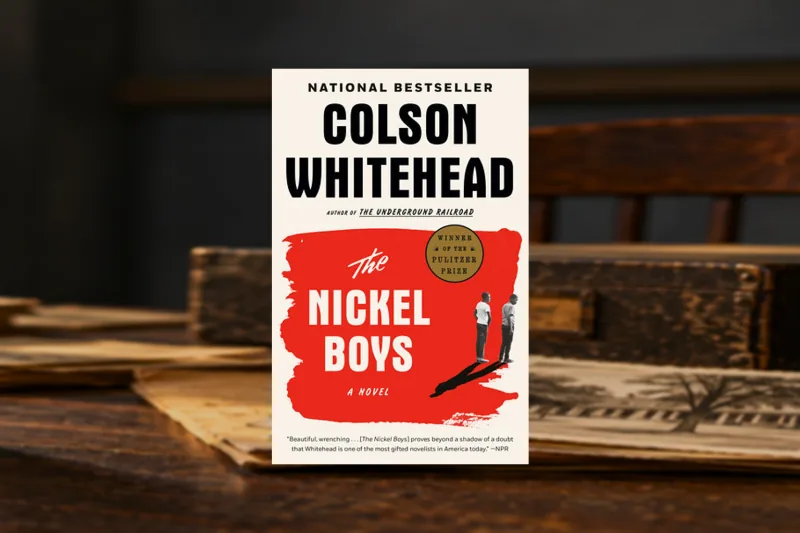
Book cover illustration for The Nickel Boys — Colson Whitehead
World Literature•6 minutes of reading

The Nickel Boys: What an Institution Teaches About Survival

Colson Whitehead sets Elwood's moral idealism beside Turner's hard skepticism to show how institutional violence shapes the choices available to children.

Moral complexity, controlled structure, and a clear view of institutional cruelty
Noteworthy pointMoral complexity, controlled structure, and a clear view of institutional crueltyLimitations to noteThe concentrated, painful material may be difficult for readers seeking emotional distance
Tale24 Score96/100Best for: Readers of historical fiction about race, justice, and institutional powerRead the review →
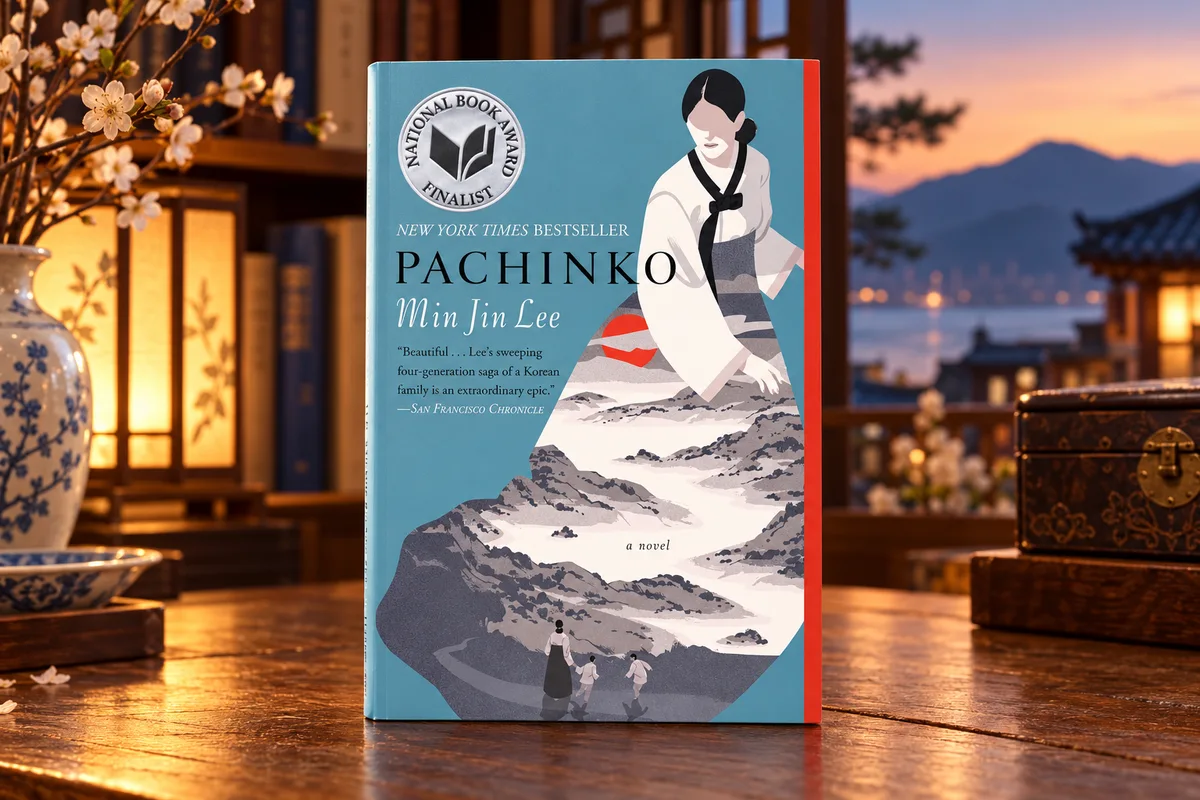
Book cover illustration for Pachinko — Min Jin Lee
World Literature•7 minutes of reading

Pachinko by Min Jin Lee: A Family Saga About Belonging

This review of Min Jin Lee's Pachinko examines how four generations of a Korean family in Japan face colonialism, migration, labor, and exclusion. Its sweeping history is most persuasive in the ordinary choices that make survival possible.

Epic in scope yet firmly rooted in everyday life; layered characters; history, labor, and identity are woven together naturally.

Noteworthy pointEpic in scope yet firmly rooted in everyday life; layered characters; history, labor, and identity are woven together naturally.Limitations to noteThe broad timeline leaves some secondary characters and major turns less fully developed than they deserve.
Tale24 Score95/100Best for: Readers drawn to multigenerational family sagas, East Asian history, migration, and questions of identityRead the review →
Book cover illustration for Profits, Prophets, Coaches and Kings: (When) Do Leaders Make a Difference? — Jared Diamond (Allen Lane, 2026)
Books & Ideas•7 minutes of reading

Profits, Prophets, Coaches and Kings: When Do Leaders Make a Difference?

Jared Diamond’s cross-disciplinary study asks when leaders shape outcomes and when institutions, resources, and circumstance matter more. This review weighs the book’s comparative method against questions of measurement, counterfactuals, and specialist evidence.

A memorable cross-field framework, with useful questions about leadership, context, and substitutability.
Noteworthy pointA memorable cross-field framework, with useful questions about leadership, context, and substitutability.Limitations to noteThe measurement and counterfactual method can be difficult to generalize across fields and may understate specialist scholarship.
Tale24 Score80/100Best for: Readers interested in comparative history, leadership studies, and how institutions shape individual influence.Read the review →

TALE24 EDITORIAL PROCESS

Human judgment behind every review

Each article moves through research, editing and publication checks. The responsible editor remains accountable for the final work.

01

Research

Establish the source and question

Check the book details, material facts and the review's critical angle.

02

Editing

Test the argument

Distinguish evidence from opinion and make the strengths and limits clear.

03

Publication

Check the reader experience

Verify images, metadata, links and the article's final presentation.

TALE24 METHODOLOGY

Three Pillars of Content

Critical standards help readers select worthwhile ideas in an age of information overload.

01

Refining the Essence

The summary is concise but does not impoverish the value of the original work. The context and core ideas are always preserved.

Save time, double the depth
02

Multidimensional Criticism

Evaluate the pros and cons with a fair attitude, not commercial flattery.

Never compromise with superficiality
03

Consistent Scoring

A 100-point scale with clear criteria helps readers choose the right book for their goals.

A transparent editorial framework
EDITORIAL MANIFESTO • TALE24 MANIFESTCIRCULATE WITH READERS
“We believe that in an era of quick quotes, the patience to fully understand an idea is the rarest but most valuable quality.”

Tale24 is not born to encourage you to read more in quantity. Our mission is to be a quiet critical companion: distilling valuable ideas, deciphering the layers of meaning behind words, and courageously questioning the obvious.

APPROVED BYTale24 Editorial Board Quality independent appraisal
Committed to real content & advertising transparency

Tale24 separates editorial content from advertising. Automated advertising does not change the critical conclusions.

Learn about the disclosure policy