Editorial independence
No sponsorship is accepted to alter the conclusions or scores of reviews.
No disguised advertisingRead with greater care
Understand every story more deeply
No sponsorship is accepted to alter the conclusions or scores of reviews.
No disguised advertisingEvery draft is checked for clarity, sourcing, and the limits of its claims before publication.
AI-assisted, human-accountableOur transparent score reflects depth, argument quality, originality, and practical value.
A consistent evaluation frameworkEDITOR’S PICKS
Carefully read, researched, and challenged by the Tale24 editorial team.
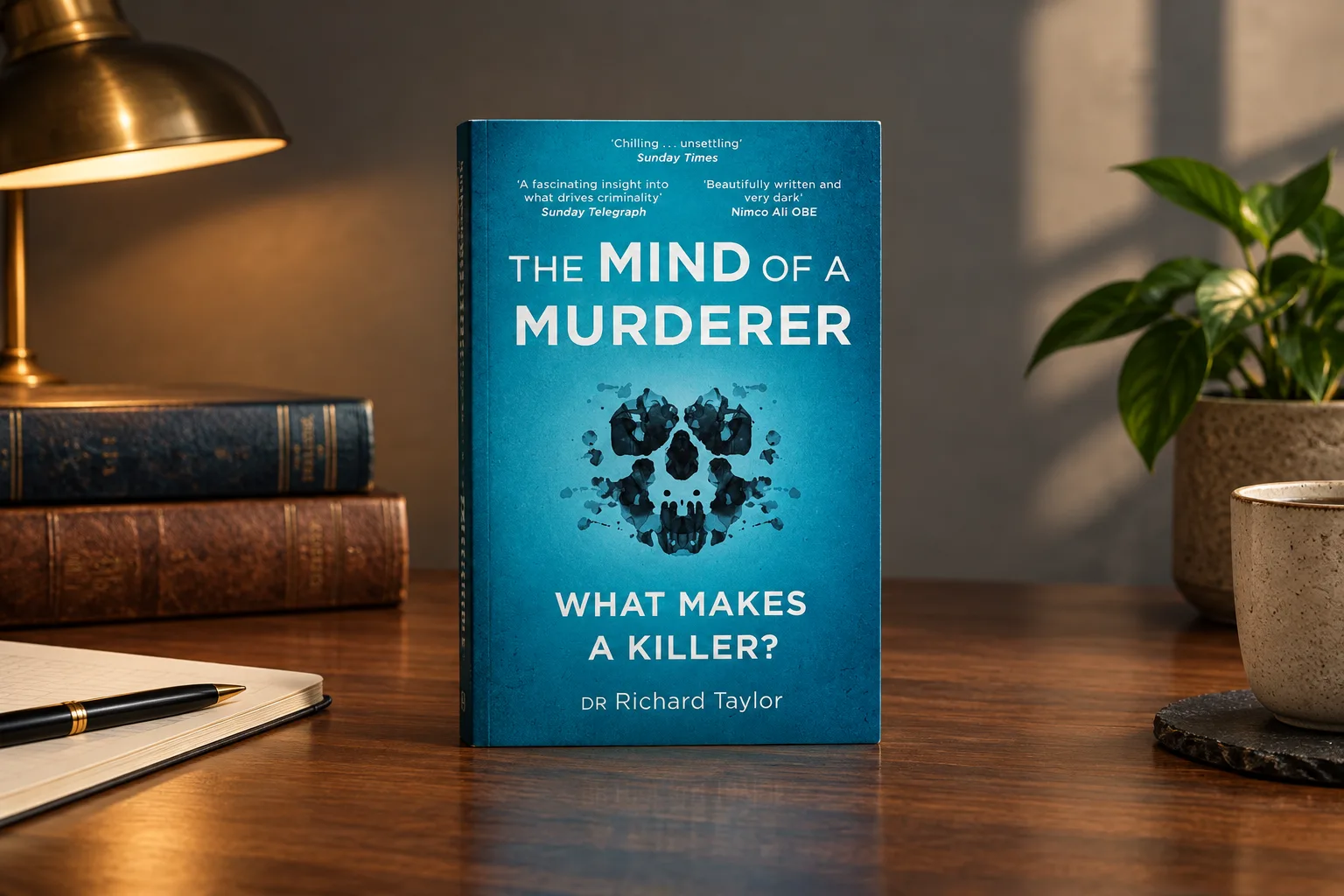
Richard Taylor asks why people kill from inside forensic psychiatry. His memoir is strongest when it keeps clinical explanation, legal judgment, and moral responsibility in view at once.
The clinical perspective makes the work of assessment and its institutional consequences more visible.
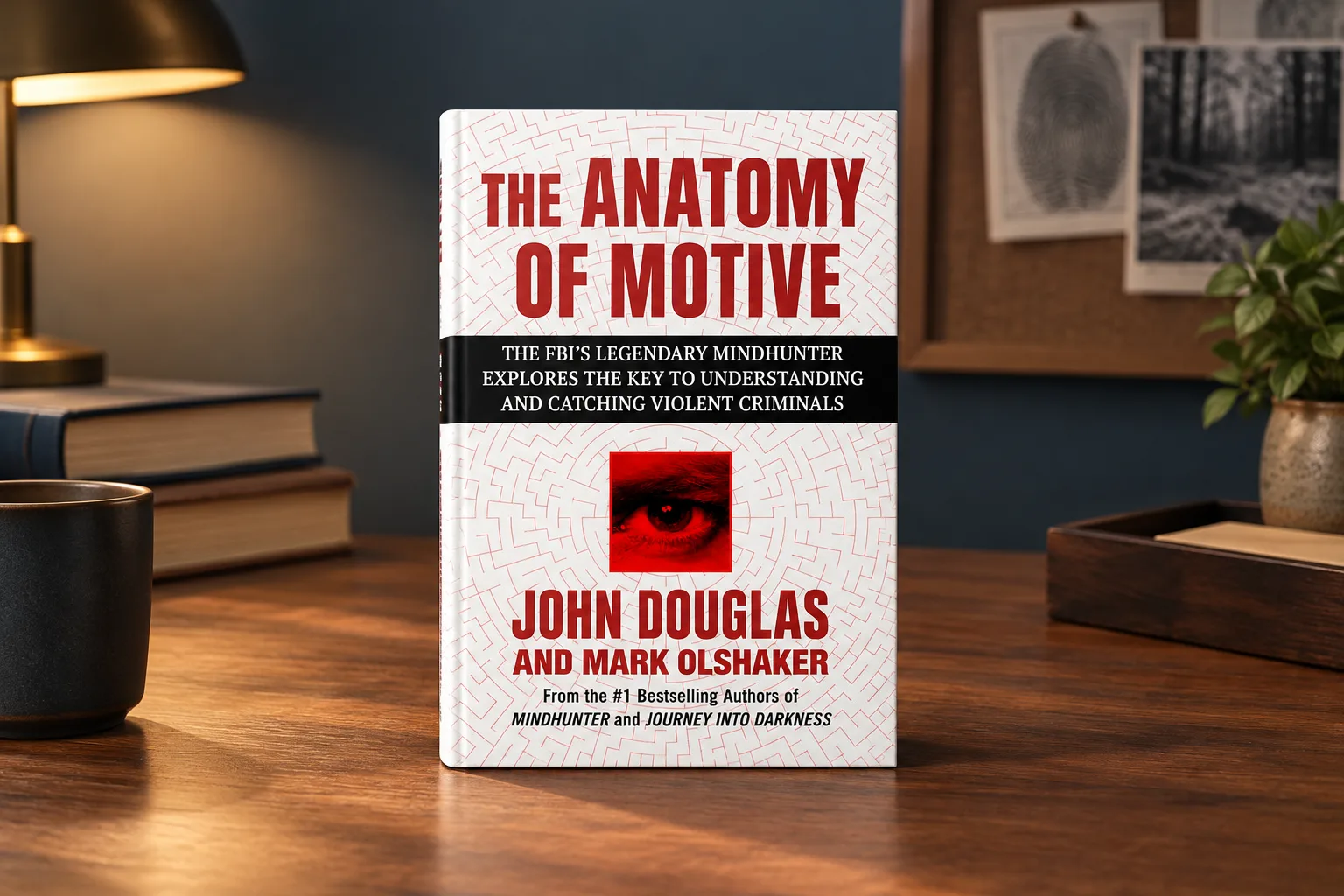
John Douglas and Mark Olshaker ask why violent crimes happen. Their broad survey is most useful when motive is treated as an investigative question, not a predictive formula.
A wide range of cases makes the investigative question vivid and invites comparison across different forms of violence.
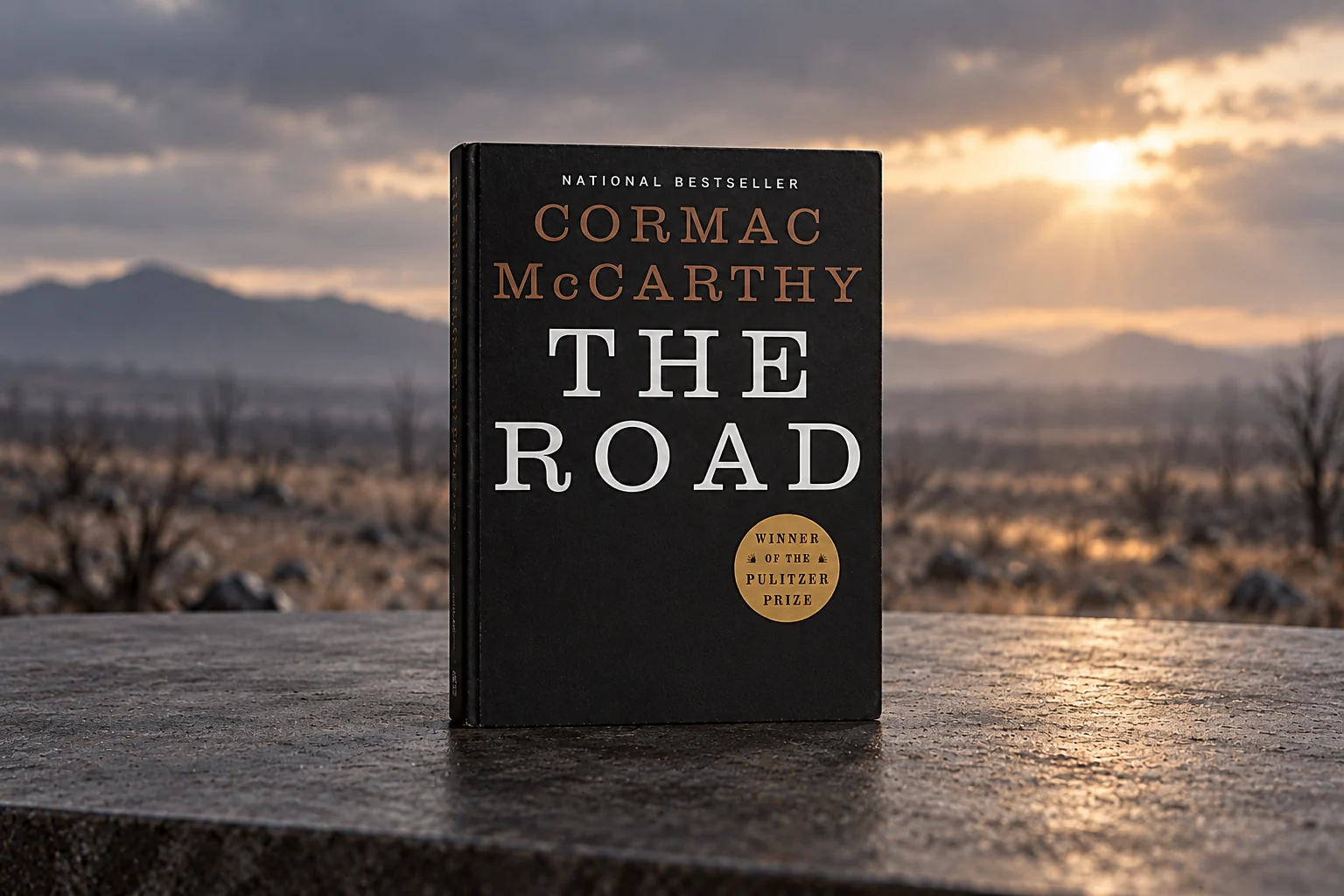
In Cormac McCarthy’s devastated America, a father and son keep moving toward the sea. The novel’s deepest suspense concerns what care can preserve when safety has disappeared.
A spare, controlled style and an intense moral focus on parental care under pressure.
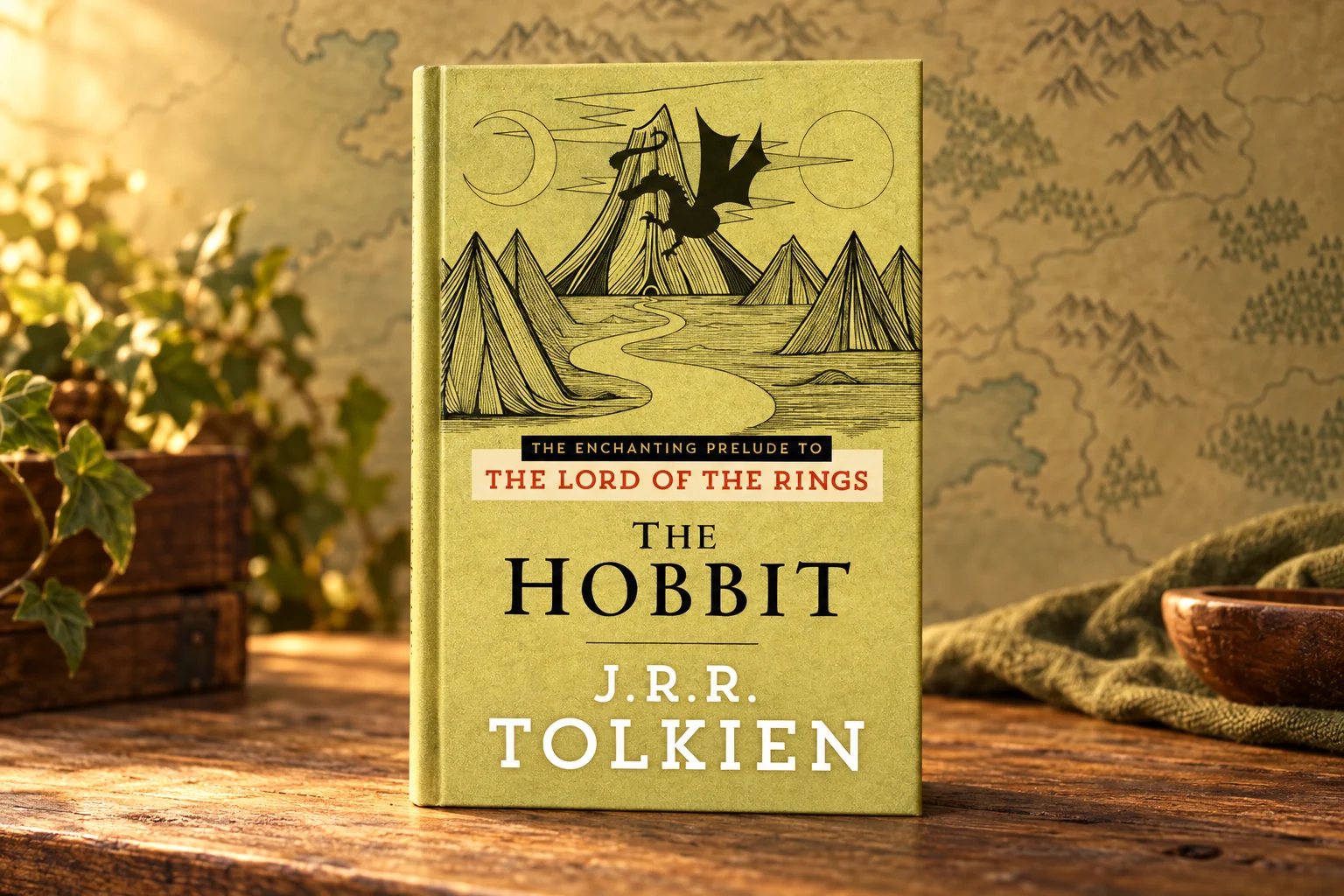
Tolkien’s adventure works because Bilbo never simply stops being a home-loving hobbit. His ordinary values become a way to judge danger, loyalty, and the lure of treasure.
An inviting storytelling voice, a vivid sense of journey, and a hero whose judgment matters more than force.
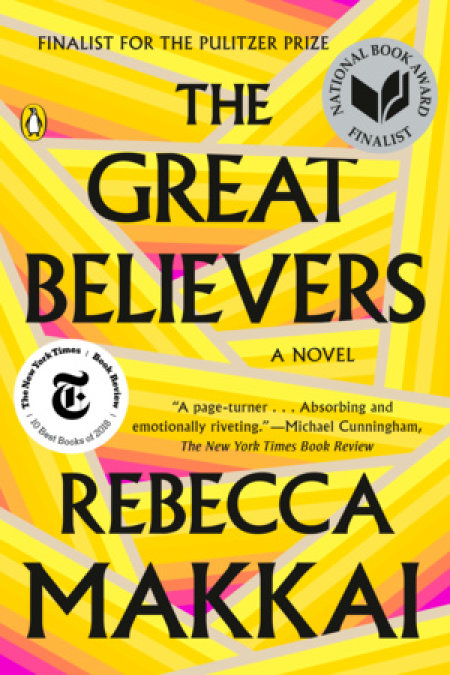
Across 1985 Chicago and later Paris, Rebecca Makkai follows the friendships and family bonds shaped by the AIDS crisis. Memory remains an active responsibility.
A carefully researched Chicago setting and a dual timeline that gives loss a long social afterlife.
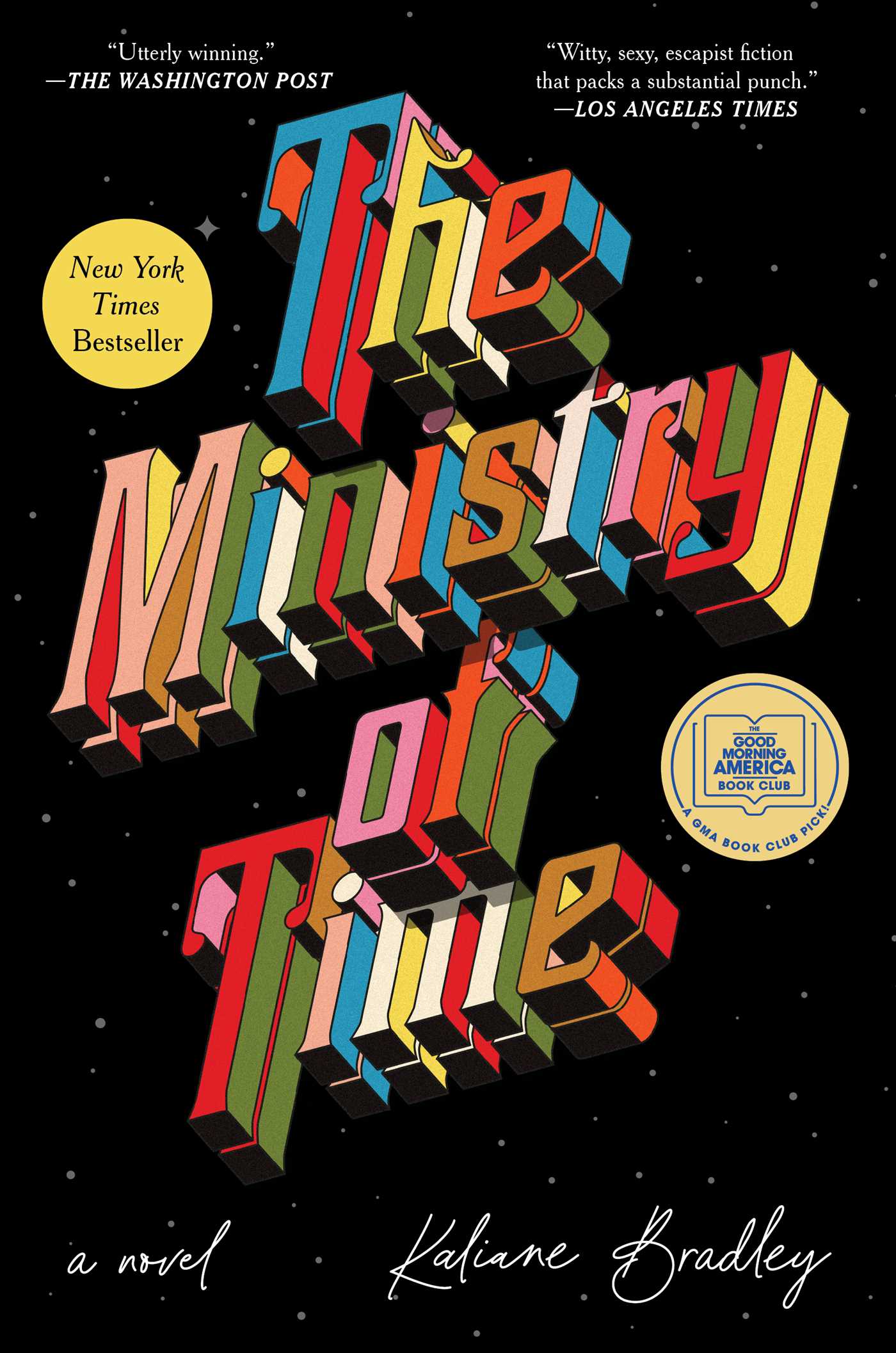
Kaliane Bradley turns a time-travel romance into a sharp question about who gets to name displacement. As a government “bridge” monitors a Victorian-era visitor, affection, observation, and institutional power become impossible to separate.
A playful genre blend gives its questions about displacement, institutional language, and unequal care an intimate human scale.
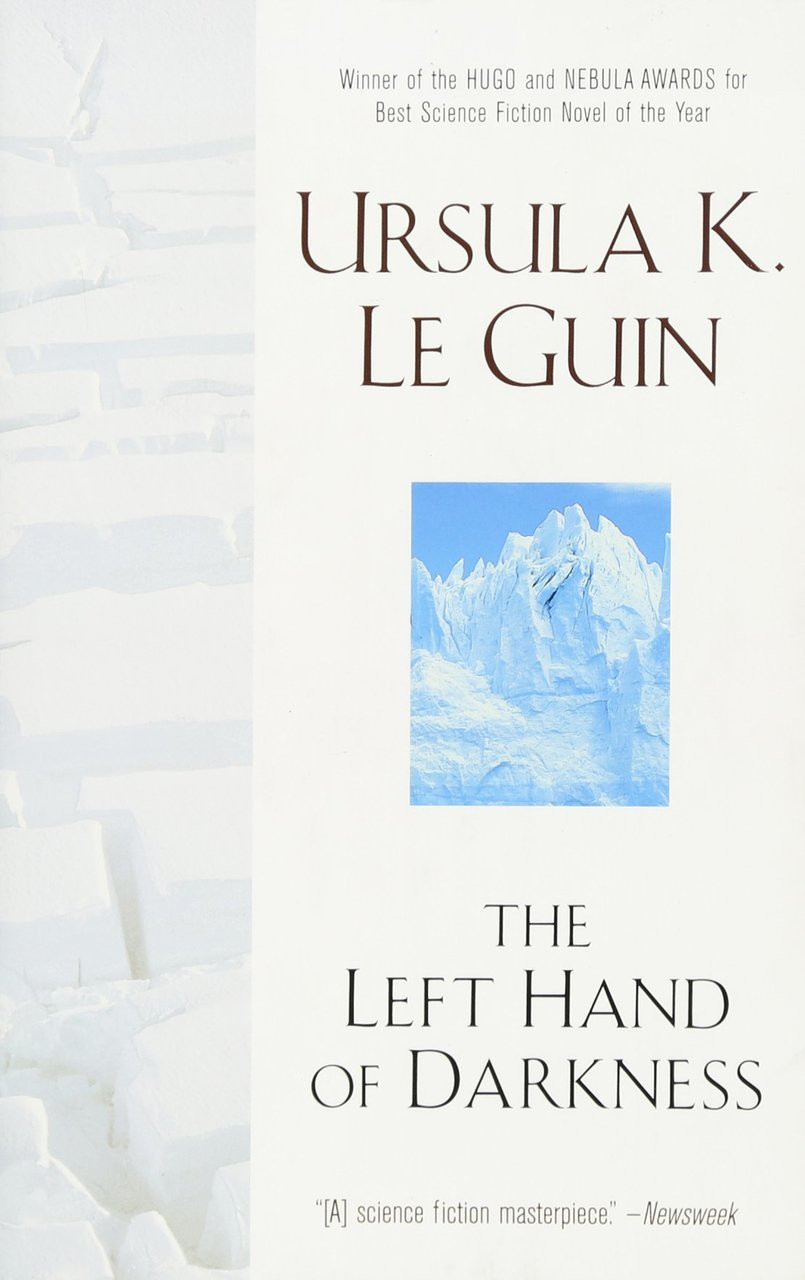
Ursula K. Le Guin uses a winter planet to dismantle familiar assumptions about gender, revealing that the greatest barrier between people may be not biology but the habit of treating one's own perspective as universal.
Deep world-building; an exceptional union of politics, anthropology, and emotion; the Genly–Estraven relationship develops with remarkable subtlety.
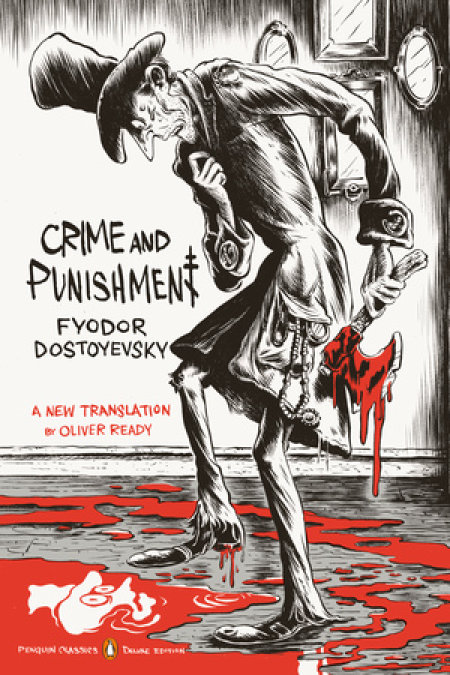
Dostoyevsky reveals the murderer early, then makes the real suspense Raskolnikov’s struggle to live with the theory used to excuse his crime.
Intense psychological suspense and a searching conflict between pride, guilt, and compassion

Mary Shelley’s creature is frightening, but the novel’s deeper unease begins when Victor treats the life he has made as something he can abandon.
A layered moral conflict, memorable gothic atmosphere, and enduring questions about creation
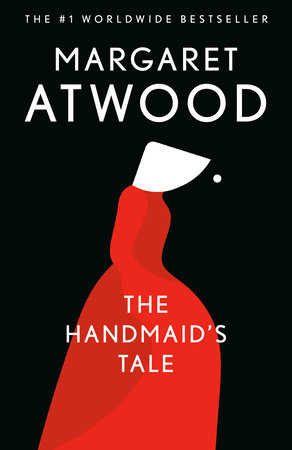
Margaret Atwood’s dystopian classic makes a woman’s testimony the center of its story, then ends by asking who controls that testimony once it enters the archive. Offred’s intimate, partial account reveals how power reaches everyday life—and how later institutions can preserve a voice while reframing its meaning.
Offred’s restricted narration makes memory and everyday control feel immediate; the “Historical Notes” complicate the idea of an impartial archive; the speculative premise is grounded in ordinary institutions and language.
TALE24 EDITORIAL PROCESS
Each article moves through research, editing and publication checks. The responsible editor remains accountable for the final work.
Check the book details, material facts and the review's critical angle.
Distinguish evidence from opinion and make the strengths and limits clear.
Verify images, metadata, links and the article's final presentation.
TALE24 METHODOLOGY
Critical standards help readers select worthwhile ideas in an age of information overload.
The summary is concise but does not impoverish the value of the original work. The context and core ideas are always preserved.
Save time, double the depthEvaluate the pros and cons with a fair attitude, not commercial flattery.
Never compromise with superficialityA 100-point scale with clear criteria helps readers choose the right book for their goals.
A transparent editorial framework“We believe that in an era of quick quotes, the patience to fully understand an idea is the rarest but most valuable quality.”
Tale24 is not born to encourage you to read more in quantity. Our mission is to be a quiet critical companion: distilling valuable ideas, deciphering the layers of meaning behind words, and courageously questioning the obvious.
Tale24 separates editorial content from advertising. Automated advertising does not change the critical conclusions.