Read with greater care
Understand every story more deeply

100%

Editorial independence

No sponsorship is accepted to alter the conclusions or scores of reviews.

No disguised advertising
2

Review stages

Every draft is checked for clarity, sourcing, and the limits of its claims before publication.

AI-assisted, human-accountable
100

Point review scale

Our transparent score reflects depth, argument quality, originality, and practical value.

A consistent evaluation framework

EDITOR’S PICKS

In-depth reviews and essays

Carefully read, researched, and challenged by the Tale24 editorial team.
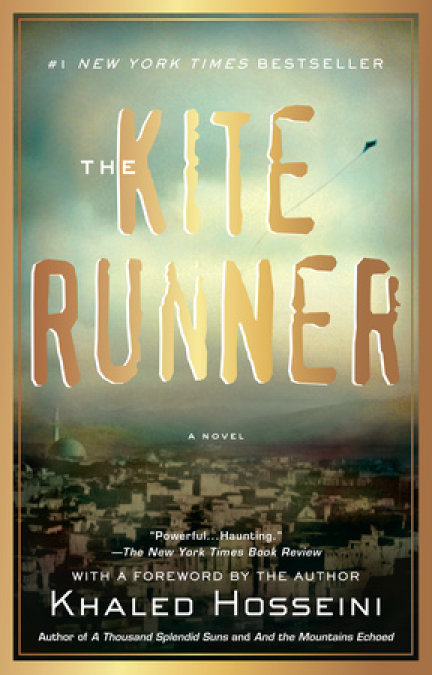
Book cover illustration for The Kite Runner — Khaled Hosseini
Literary Fiction•6 minutes of reading

The Kite Runner: Friendship After a Betrayal That Cannot Be Undone

Amir and Hassan’s friendship is shaped by loyalty and unequal status; Hosseini follows the long moral cost of a childhood betrayal.

Strong storytelling and a compelling examination of friendship, class, exile, and remorse

Noteworthy pointStrong storytelling and a compelling examination of friendship, class, exile, and remorseLimitations to noteViolence toward a child and direct emotional intensity may be difficult for some readers
Tale24 Score90/100Best for: Readers of emotionally powerful contemporary fiction about friendship and responsibilityRead the review →
Book cover illustration for The Psychopath Test: A Journey Through the Madness Industry — Jon Ronson
Criminal Psychology•6 minutes of reading

The Psychopath Test and the Danger of an Easy Label

Jon Ronson’s investigation makes psychopathy compelling and the act of labeling people unsettling. The book’s best question is who gets to make a diagnosis—and what happens when they are wrong.

Lively investigative structure; sharp attention to how psychological labels travel through media and institutions.
Noteworthy pointLively investigative structure; sharp attention to how psychological labels travel through media and institutions.Limitations to noteAnecdotes cannot establish prevalence or diagnostic accuracy; the comic tone can sit uneasily beside vulnerable subjects.
Tale24 Score83/100Best for: Readers interested in the culture and ethics of criminal psychology rather than a self-diagnosis checklist.Read the review →
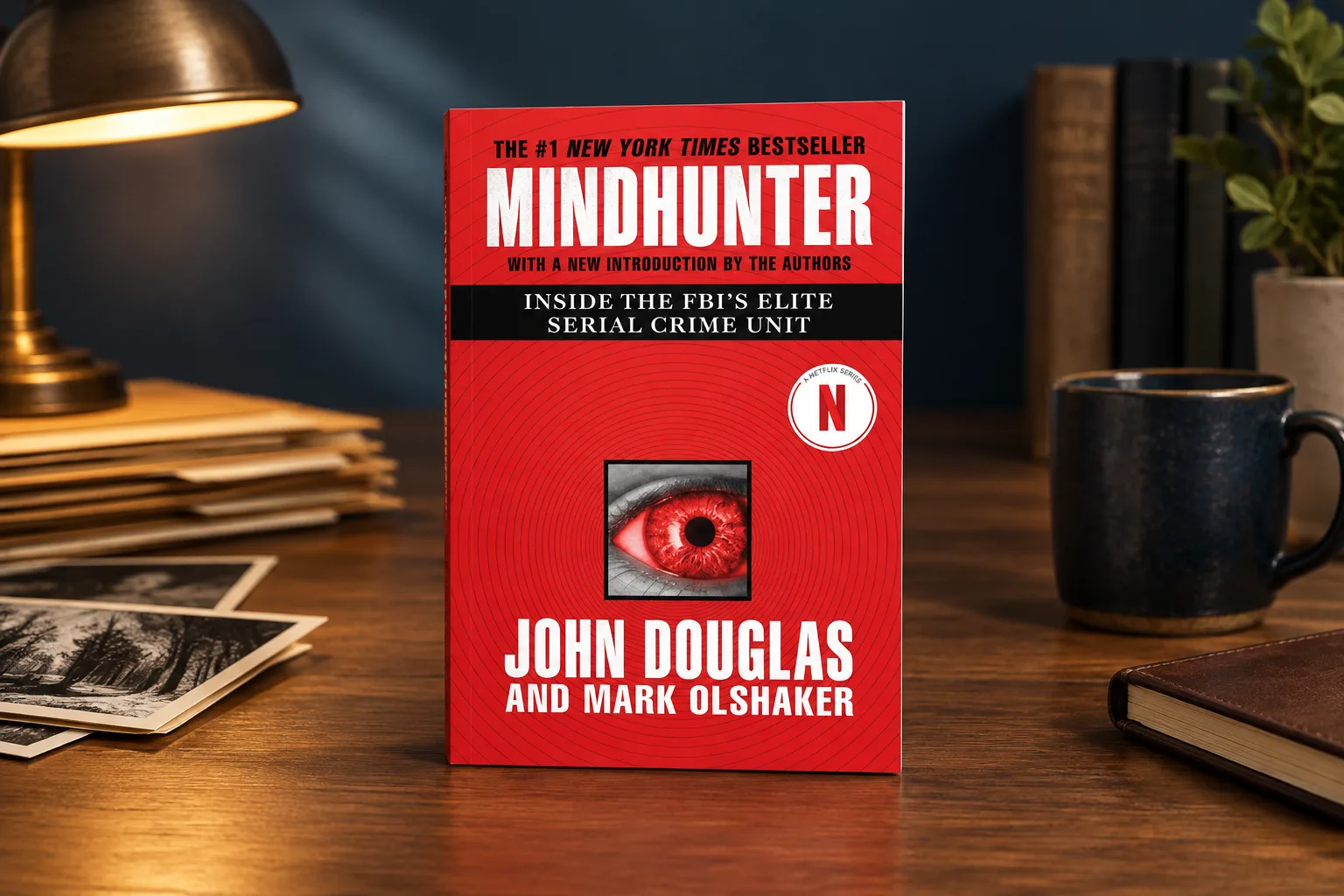
Book cover illustration for Mindhunter: Inside the FBI’s Elite Serial Crime Unit — John E. Douglas and Mark Olshaker
Criminal Psychology•6 minutes of reading

Mindhunter and the Limits of Reading a Killer

John E. Douglas and Mark Olshaker make behavioral profiling compelling by showing it as investigative work. The book is strongest when its insights are treated as testable leads, not proof.

Vivid account of investigative reasoning; clear sense of how interviews and behavioral clues can guide questions.

Noteworthy pointVivid account of investigative reasoning; clear sense of how interviews and behavioral clues can guide questions.Limitations to noteRetrospective case selection cannot establish the overall accuracy of profiling; the investigator-centered view gives victims less space.
Tale24 Score82/100Best for: Readers of true crime and investigative history who want to examine both the appeal and limits of behavioral profiling.Read the review →
Book cover illustration for The Girl on the Train — Paula Hawkins
Psychological Thriller•6 minutes of reading

The Girl on the Train: Seeing Is Not Knowing

Paula Hawkins turns a commuter’s passing glance into an inquiry about memory and credibility. Rachel’s uncertainty matters because other people are so ready to mistake it for proof that she has nothing useful to say.

An arresting train-window premise joins suspense to a thoughtful question about whose observations count.

Noteworthy pointAn arresting train-window premise joins suspense to a thoughtful question about whose observations count.Limitations to noteRepeated uncertainty can feel circular for readers who prefer a brisk, clue-led investigation.
Tale24 Score83/100Best for: Readers drawn to character-centered psychological suspense, imperfect memory, and competing perspectives.Read the review →
Book cover illustration for Gone Girl — Gillian Flynn
Psychological Thriller•6 minutes of reading

Gone Girl: When a Marriage Becomes Public Evidence

Gillian Flynn makes a missing-person investigation a contest over who gets to define a marriage. The novel’s sharpest suspense comes from the distance between evidence, performance, and public certainty.

A bold two-voice structure connects domestic secrecy to the appetite for a simple public story.
Noteworthy pointA bold two-voice structure connects domestic secrecy to the appetite for a simple public story.Limitations to noteIts engineered reversals can make character behavior feel subordinate to the design of the plot.
Tale24 Score86/100Best for: Readers who want a dark, satirical mystery about marriage, media judgment, and unreliable accounts.Read the review →
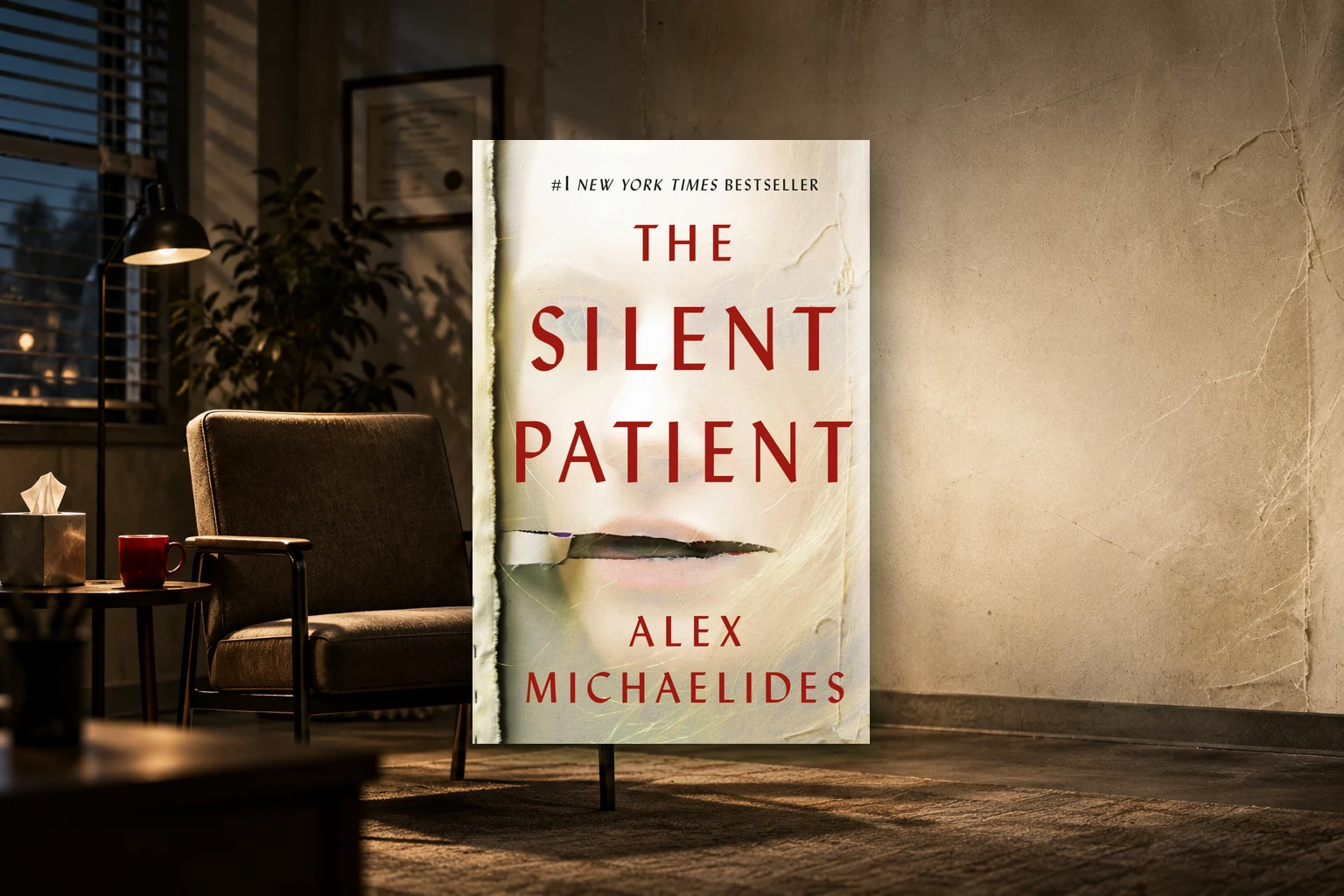
Book cover illustration for The Silent Patient — Alex Michaelides
Psychological Thriller•6 minutes of reading

The Silent Patient: The Uneasy Power of a Story Told for Someone Else

Alex Michaelides turns a woman’s refusal to speak into a test of everyone else’s certainty. The thriller is most compelling when its search for truth begins to look like an exercise of power.

A disciplined central mystery and an unsettling focus on who gets to interpret another person’s silence.
Noteworthy pointA disciplined central mystery and an unsettling focus on who gets to interpret another person’s silence.Limitations to noteThe treatment setting sometimes serves the mechanics of suspense more than a nuanced portrait of psychiatric care.
Tale24 Score83/100Best for: Readers who enjoy tightly plotted psychological mysteries and can accept a heightened, fictional therapy setting.Read the review →
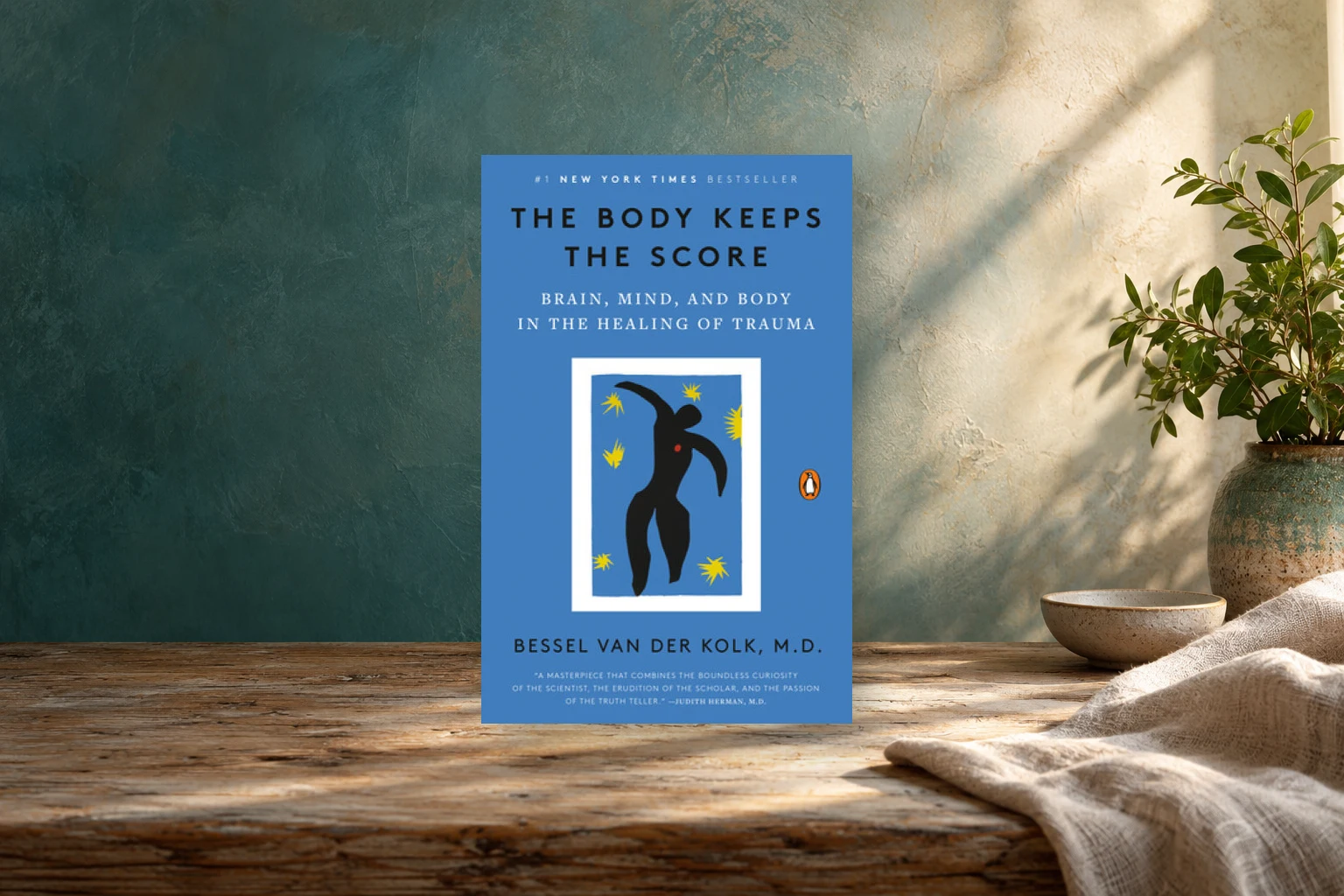
Book cover illustration for The Body Keeps the Score — Bessel van der Kolk, M.D.
Psychology & Skills•6 minutes of reading

The Body Keeps the Score: Listening to Trauma, Testing the Claims

Bessel van der Kolk asks readers to take the bodily and relational effects of trauma seriously. The book’s humane reach remains powerful, though some sweeping claims about the brain and treatment need closer scrutiny.

Vivid clinical storytelling broadens public attention to trauma, bodily experience, and relationships.
Noteworthy pointVivid clinical storytelling broadens public attention to trauma, bodily experience, and relationships.Limitations to noteSome neurobiological explanations and treatment claims are presented with more confidence than the evidence supports.
Tale24 Score84/100Best for: General readers interested in trauma history and clinical ideas who will read treatment claims critically.Read the review →
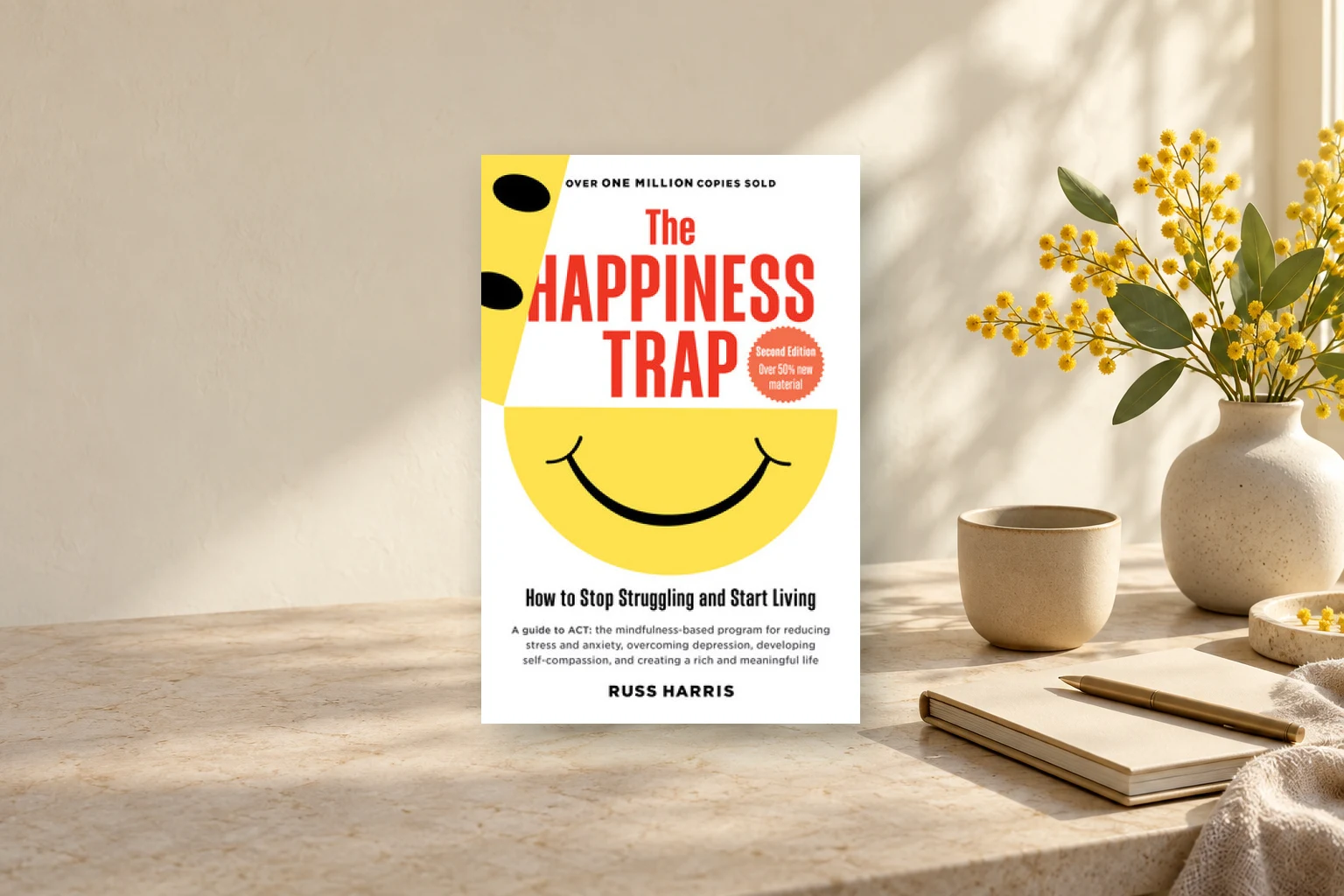
Book cover illustration for The Happiness Trap (Second Edition) — Russ Harris
Psychology & Skills•6 minutes of reading

The Happiness Trap: A Life Larger Than Feeling Good

Russ Harris turns the pursuit of happiness into a question about how we respond to difficult feelings. His ACT exercises offer a useful vocabulary for living by values, with limits that self-help readers should keep in view.

Clear, repeatable exercises make psychological flexibility feel practical rather than abstract.
Noteworthy pointClear, repeatable exercises make psychological flexibility feel practical rather than abstract.Limitations to noteIts brisk self-help format can make sustained practice and individual differences seem simpler than they are.
Tale24 Score86/100Best for: Readers seeking an accessible introduction to ACT and a values-based approach to everyday distress.Read the review →
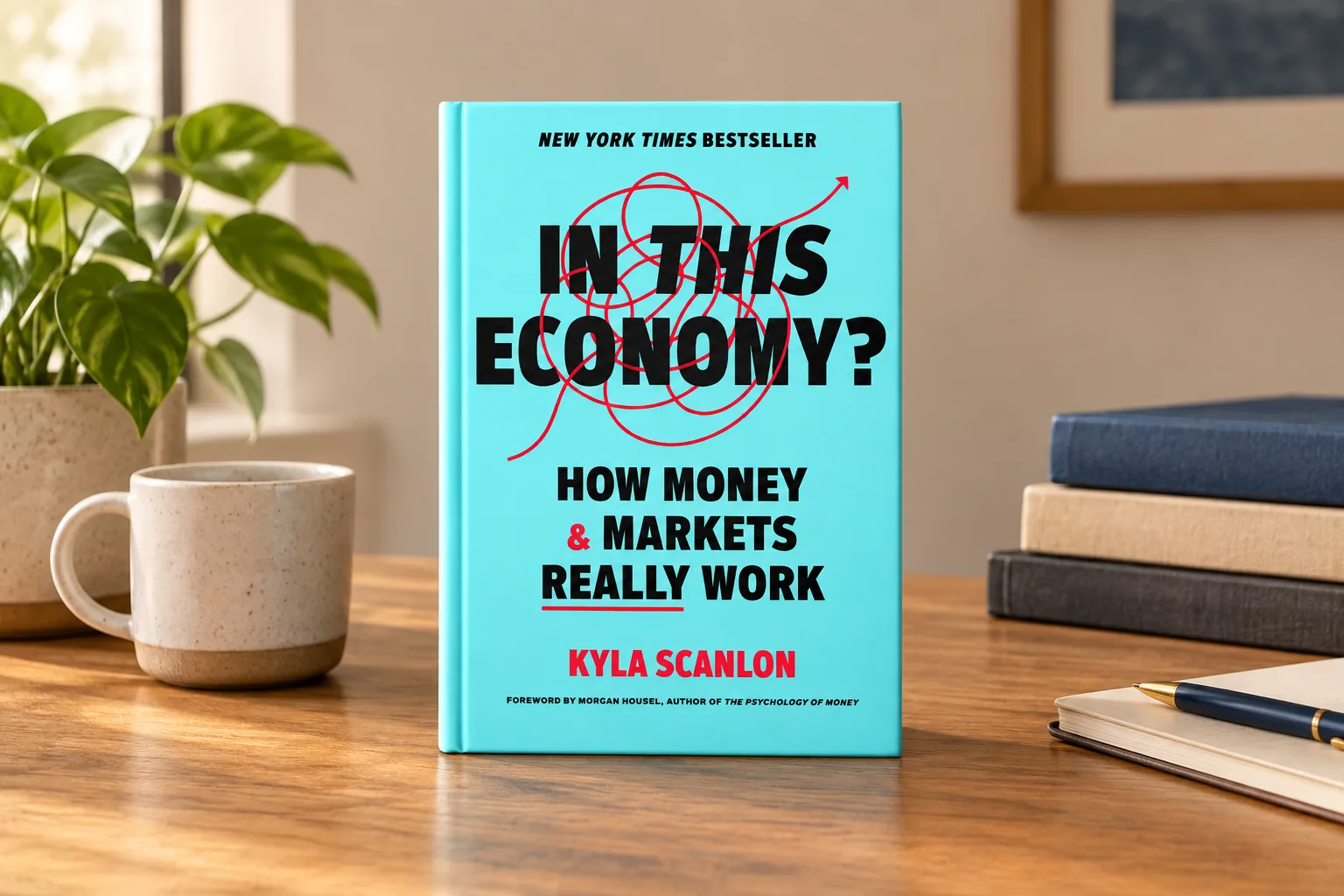
Book cover illustration for In This Economy? — Kyla Scanlon
Economics•6 minutes of reading

In This Economy?: Making Sense of the Numbers

Kyla Scanlon connects economic indicators to the pressures people feel in daily life. Her accessible explanations are valuable when the headlines and household experience seem to disagree.

Accessible explanations connect macroeconomic ideas with concrete household concerns.

Noteworthy pointAccessible explanations connect macroeconomic ideas with concrete household concerns.Limitations to noteReaders seeking technical models or a politically neutral textbook may want a companion source.
Tale24 Score87/100Best for: General readers who want to understand economic headlines and the limits of common indicators.Read the review →
Book cover illustration for Empire of AI — Karen Hao
Economics•6 minutes of reading

Empire of AI: Who Pays for the Boom?

Karen Hao follows the people and resources behind the AI race, from corporate leadership to data labor and water use. Her reporting asks who gets the gains and who bears the costs.

Connects corporate decisions to the workers, infrastructure and resources behind AI services.
Noteworthy pointConnects corporate decisions to the workers, infrastructure and resources behind AI services.Limitations to noteIts close focus on OpenAI leaves less room to compare other AI business models.
Tale24 Score90/100Best for: Readers interested in technology, political economy, labor and the public costs of innovation.Read the review →

TALE24 EDITORIAL PROCESS

Human judgment behind every review

Each article moves through research, editing and publication checks. The responsible editor remains accountable for the final work.

01

Research

Establish the source and question

Check the book details, material facts and the review's critical angle.

02

Editing

Test the argument

Distinguish evidence from opinion and make the strengths and limits clear.

03

Publication

Check the reader experience

Verify images, metadata, links and the article's final presentation.

TALE24 METHODOLOGY

Three Pillars of Content

Critical standards help readers select worthwhile ideas in an age of information overload.

01

Refining the Essence

The summary is concise but does not impoverish the value of the original work. The context and core ideas are always preserved.

Save time, double the depth
02

Multidimensional Criticism

Evaluate the pros and cons with a fair attitude, not commercial flattery.

Never compromise with superficiality
03

Consistent Scoring

A 100-point scale with clear criteria helps readers choose the right book for their goals.

A transparent editorial framework
EDITORIAL MANIFESTO • TALE24 MANIFESTCIRCULATE WITH READERS
“We believe that in an era of quick quotes, the patience to fully understand an idea is the rarest but most valuable quality.”

Tale24 is not born to encourage you to read more in quantity. Our mission is to be a quiet critical companion: distilling valuable ideas, deciphering the layers of meaning behind words, and courageously questioning the obvious.

APPROVED BYTale24 Editorial Board Quality independent appraisal
Committed to real content & advertising transparency

Tale24 separates editorial content from advertising. Automated advertising does not change the critical conclusions.

Learn about the disclosure policy