
Editorial independence
No sponsorship is accepted to alter the conclusions or scores of reviews.
No disguised advertisingRead with greater care
Understand every story more deeply
No sponsorship is accepted to alter the conclusions or scores of reviews.
No disguised advertisingEvery draft is checked for clarity, sourcing, and the limits of its claims before publication.
AI-assisted, human-accountableOur transparent score reflects depth, argument quality, originality, and practical value.
A consistent evaluation frameworkEDITOR’S PICKS
Carefully read, researched, and challenged by the Tale24 editorial team.
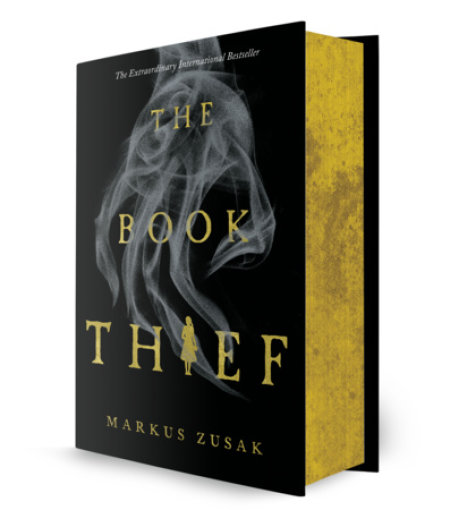
Markus Zusak gives Death the narration and a foster child the books. The novel asks what reading can protect when public language is turned toward persecution.
An unusual narrative voice and a powerful link between literacy, care, and resistance.

Taylor Jenkins Reid places a woman's scientific ambition and private love inside the 1980s shuttle program. The distance between public heroism and a full life gives the story its force.
A propulsive alternating structure and an affecting link between professional purpose and intimacy.
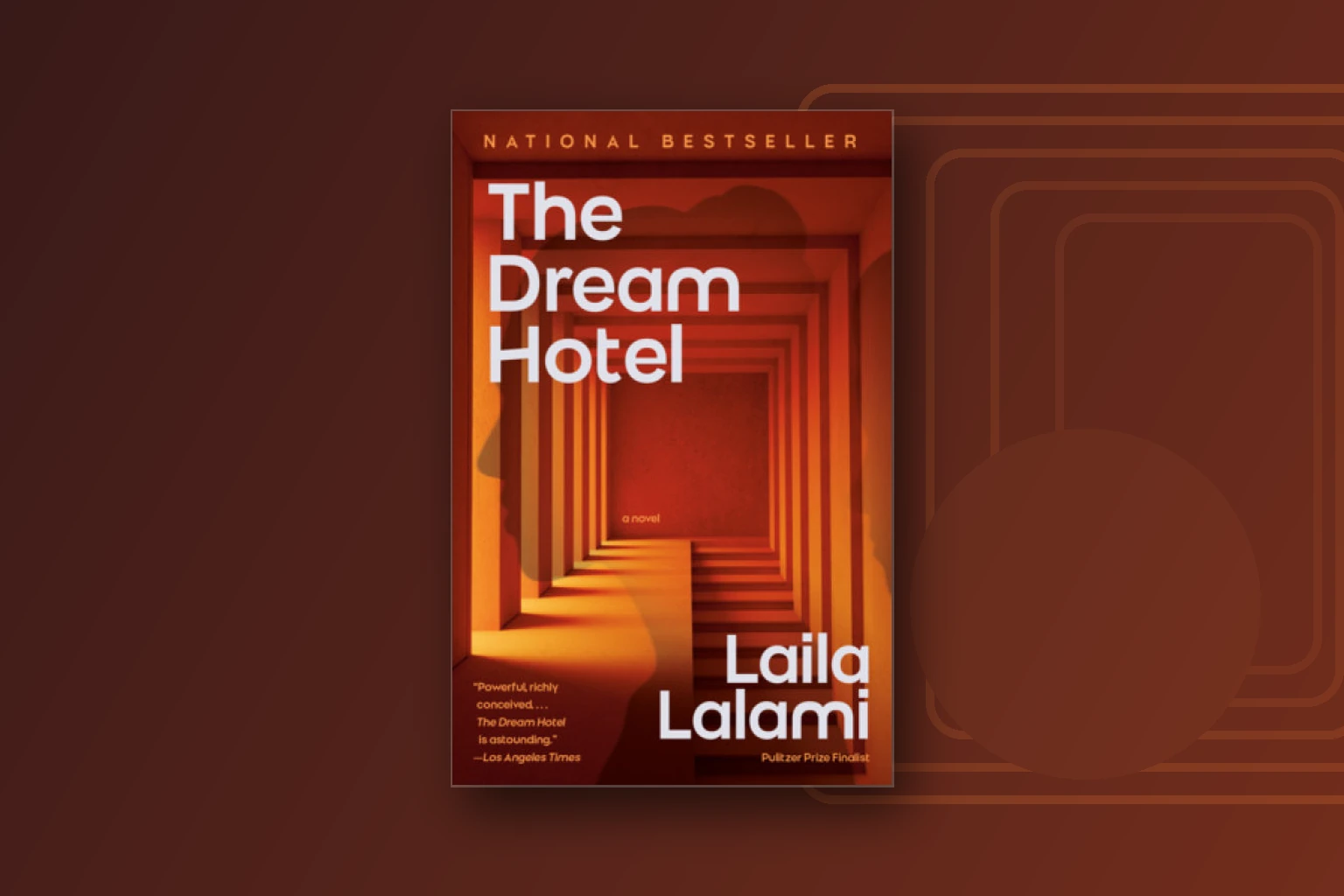
Laila Lalami turns a forecast drawn from dreams into a chilling test of justice. The novel's sharpest question is who gets to contest a prediction once an institution treats it as proof.
A gripping premise that turns privacy and due process into immediate human stakes
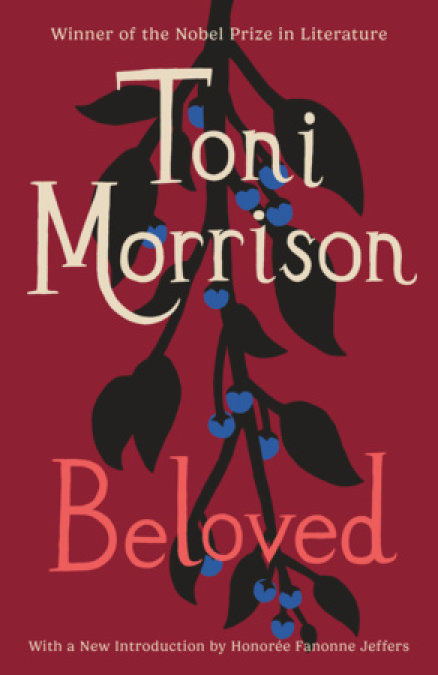
This review of Toni Morrison's Beloved examines how Sethe's haunted home turns memory into a question about freedom, motherhood, and community. Its shifting voices demand patience and resist an easy moral verdict.
Inventive structure, emotional force, and a deeply humane account of memory and survival
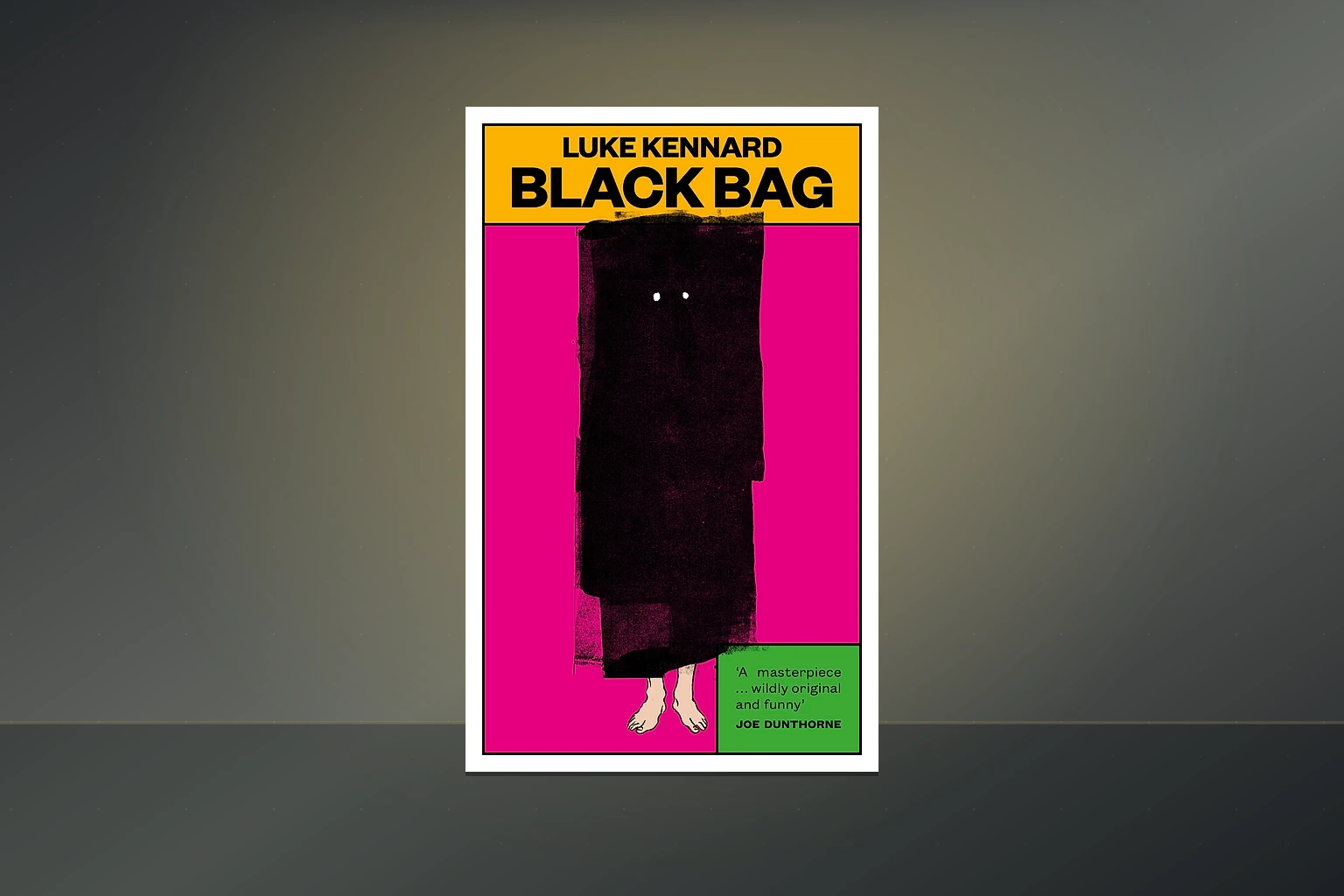
Luke Kennard's Black Bag turns an actor's anonymous university job into a contest over identity, labor, and online visibility. Publishers Weekly's account and Kennard's Booker interview ground this essay's argument about who profits from self-erasure.
An absurd comic hook that opens serious questions about work and visibility
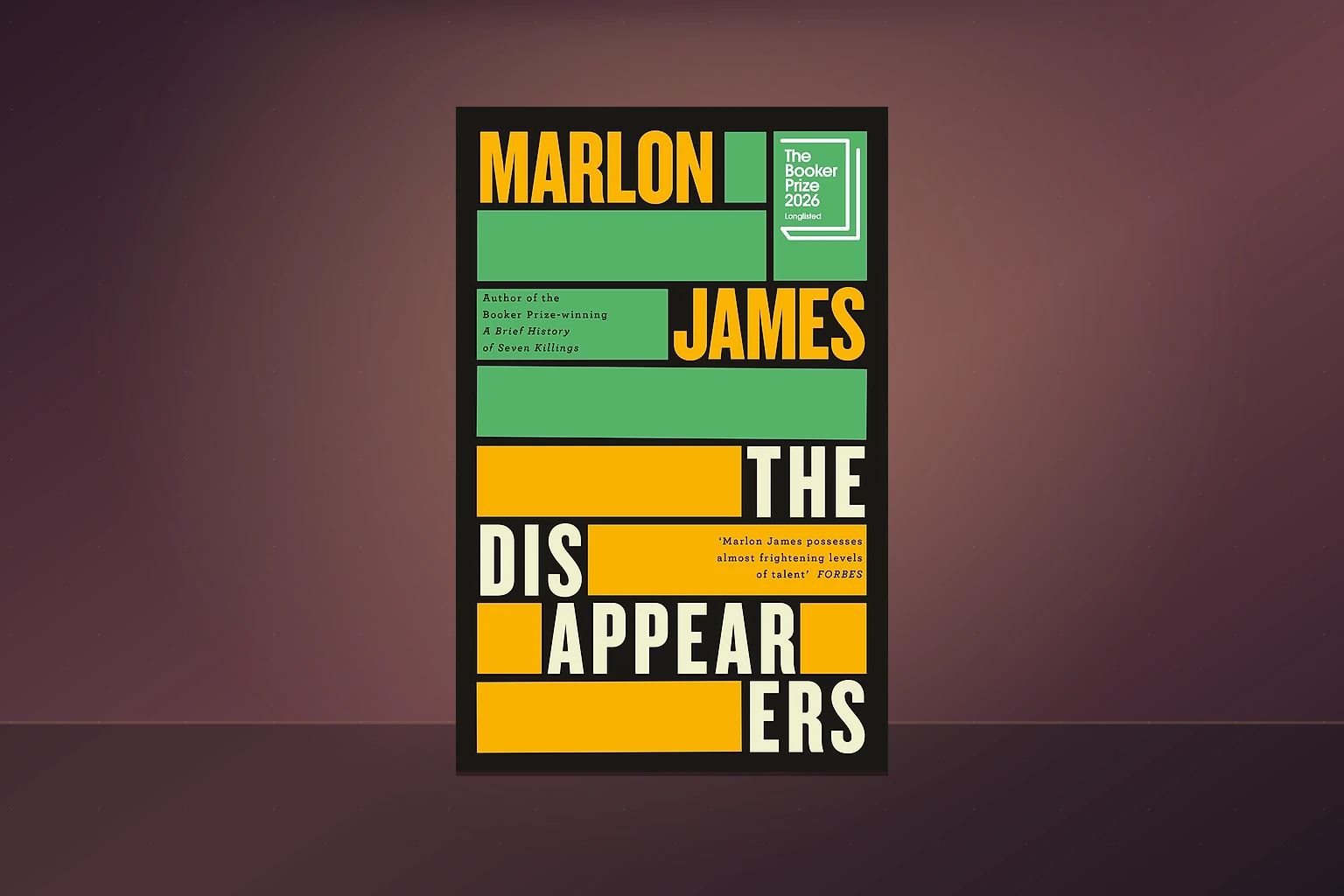
Marlon James's The Disappearers uses dispersed voices and documentary forms to examine queer life after homophobic violence. This source-informed essay asks when an account restores visibility and when it takes control of another person's story.
A bold multi-voice premise focused on aftermath rather than spectacle

Amanda Peters places a speaking tree at the center of a family history shaped by birth, inherited knowledge, and silence. The novel asks how a community carries its past when the institutions around it refuse to recognize its ways of care.
A distinctive narrative witness; links family memory, land, and women’s knowledge.
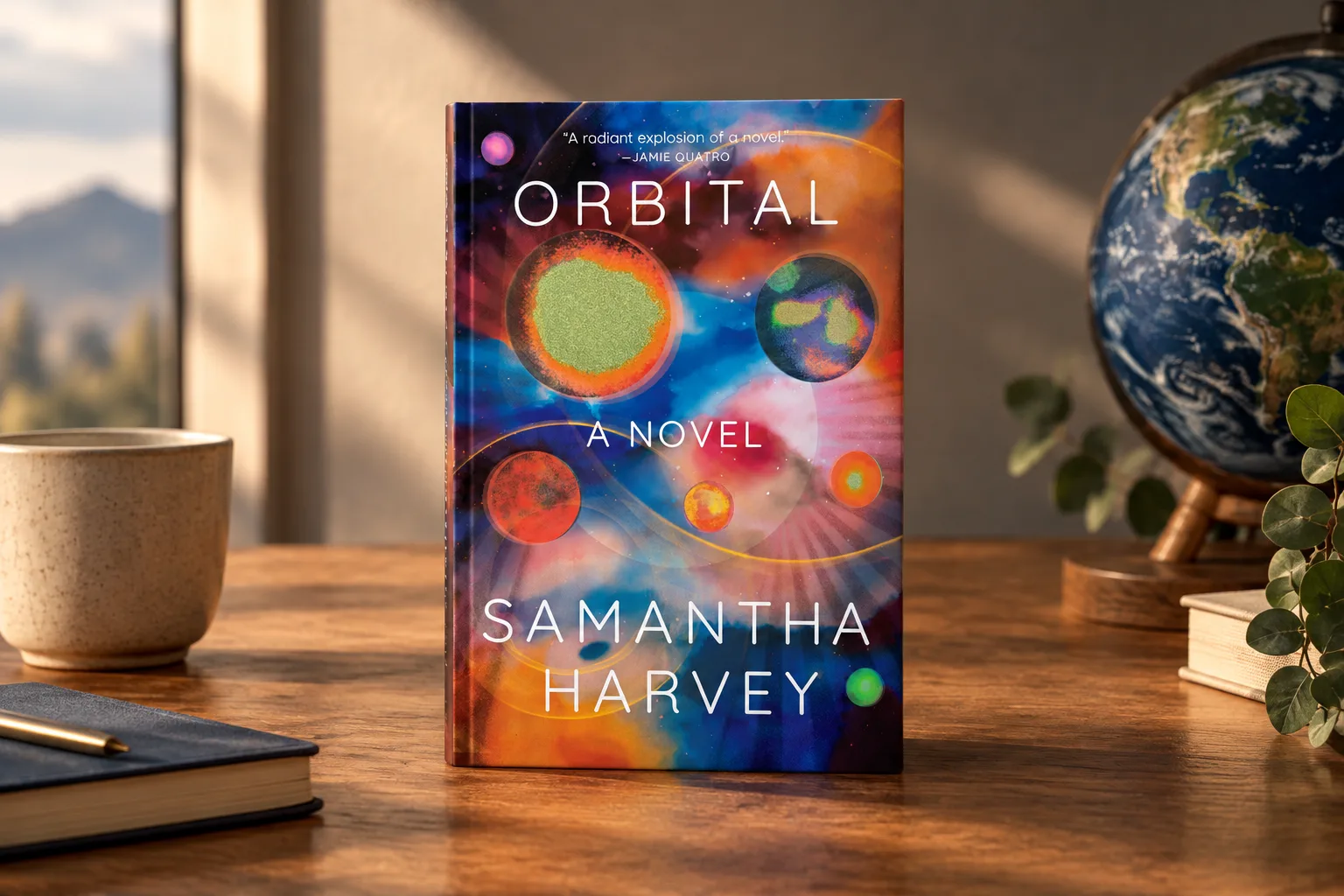
Samantha Harvey turns a day in orbit into a study of how attention changes when Earth becomes both view and home. Orbital’s lyric scale is its great strength—and the reason readers seeking conventional plot or deeply developed character arcs may feel held at a distance.
A distinctive orbital structure joins vivid planetary observation to the crew’s bodily routines, grief, and interdependence.

David Szalay builds a life story out of silences, bodily experience, and the years a conventional novel might explain. Flesh asks whether a person can be understood through the forces that move him when he cannot—or will not—name what he wants.
A formally bold life story; spare prose and temporal gaps make silence, class, and bodily experience part of the novel’s meaning.
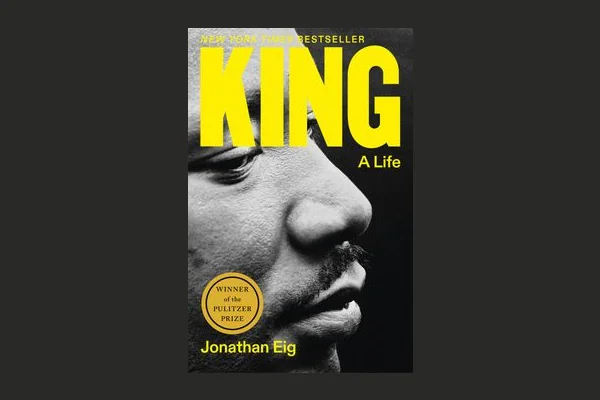
Jonathan Eig’s biography uses fresh archival material to place Martin Luther King Jr.’s public courage beside his private doubts and the collective movement around him.
Broad research, attention to Coretta Scott King and fellow activists, and a human scale for a public figure
TALE24 EDITORIAL PROCESS
Each article moves through research, editing and publication checks. The responsible editor remains accountable for the final work.
Check the book details, material facts and the review's critical angle.
Distinguish evidence from opinion and make the strengths and limits clear.
Verify images, metadata, links and the article's final presentation.
TALE24 METHODOLOGY
Critical standards help readers select worthwhile ideas in an age of information overload.
The summary is concise but does not impoverish the value of the original work. The context and core ideas are always preserved.
Save time, double the depthEvaluate the pros and cons with a fair attitude, not commercial flattery.
Never compromise with superficialityA 100-point scale with clear criteria helps readers choose the right book for their goals.
A transparent editorial framework“We believe that in an era of quick quotes, the patience to fully understand an idea is the rarest but most valuable quality.”
Tale24 is not born to encourage you to read more in quantity. Our mission is to be a quiet critical companion: distilling valuable ideas, deciphering the layers of meaning behind words, and courageously questioning the obvious.
Tale24 separates editorial content from advertising. Automated advertising does not change the critical conclusions.